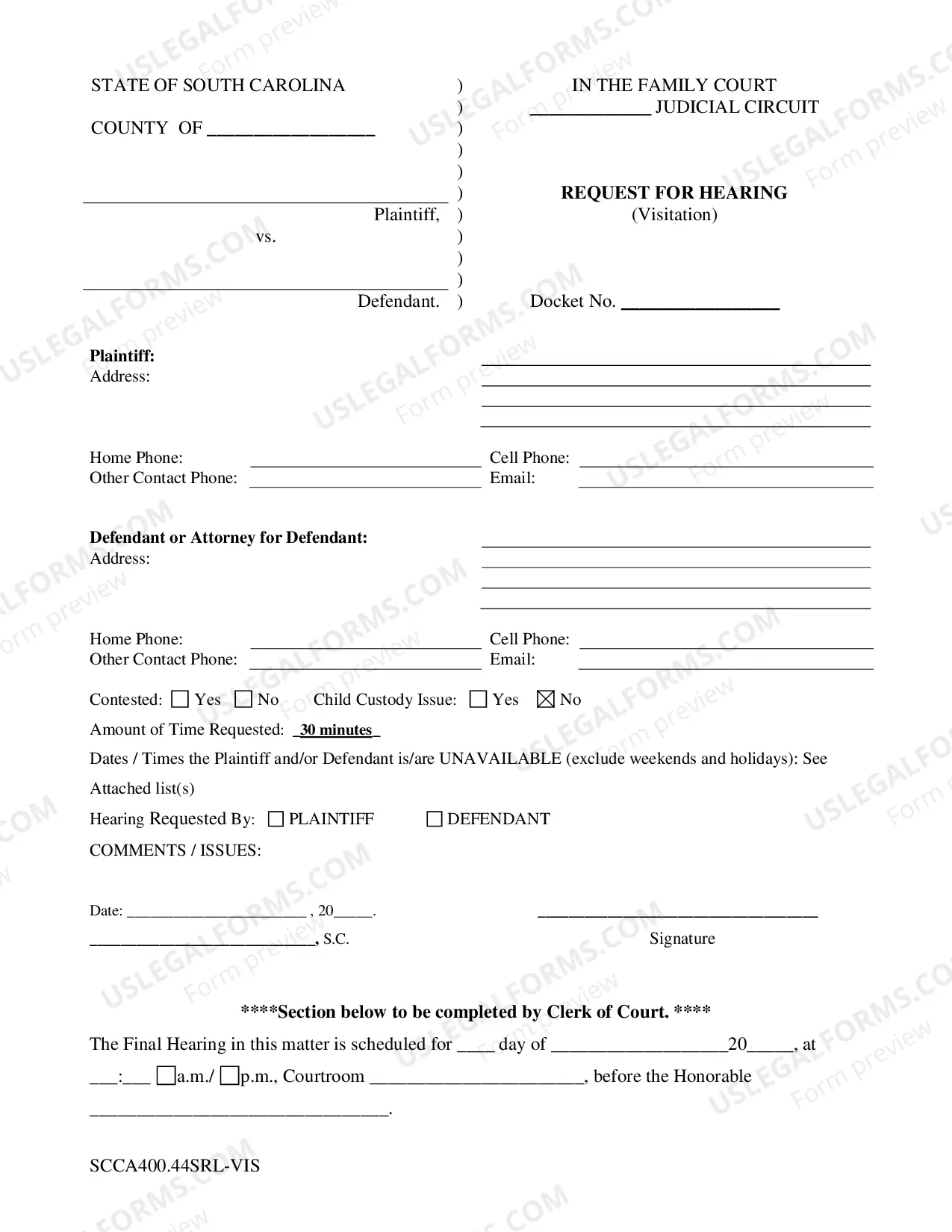
Michigan Complaint For Divorce
Understanding this form
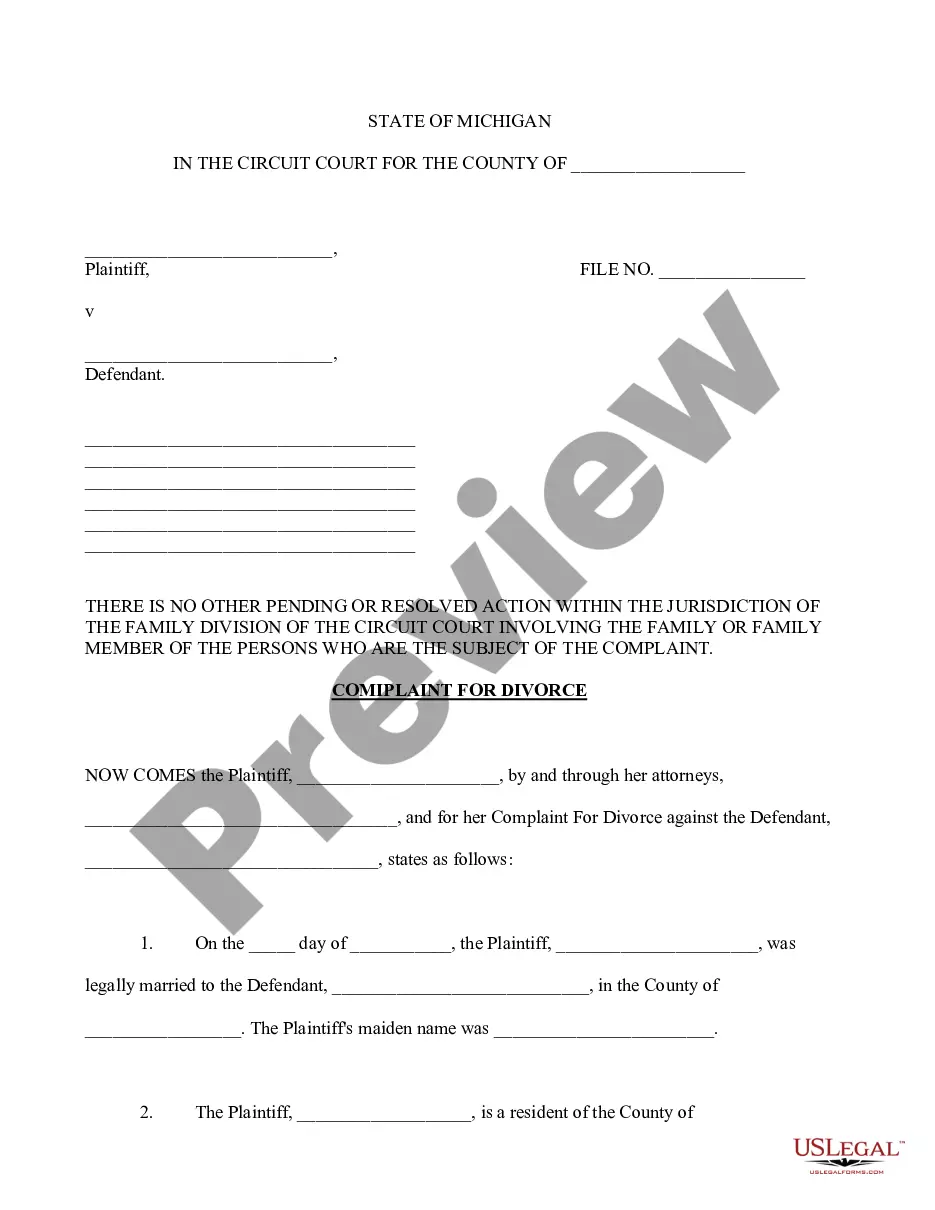
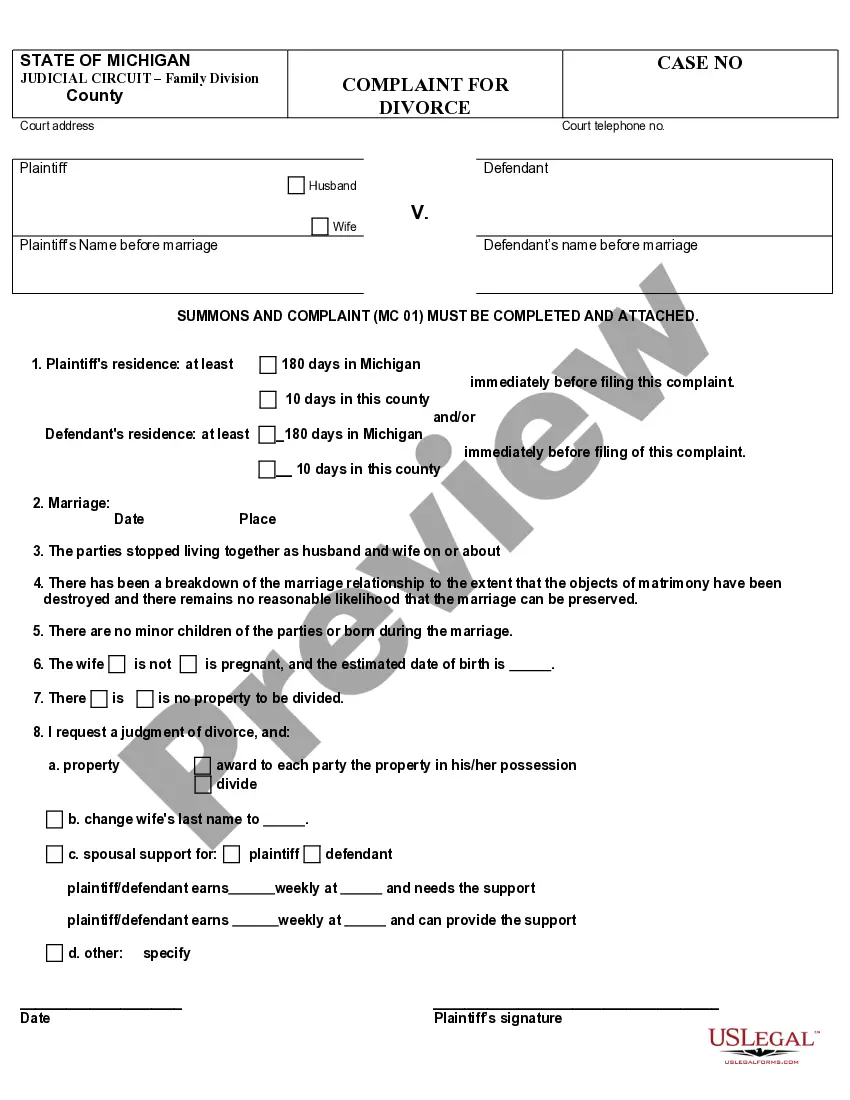
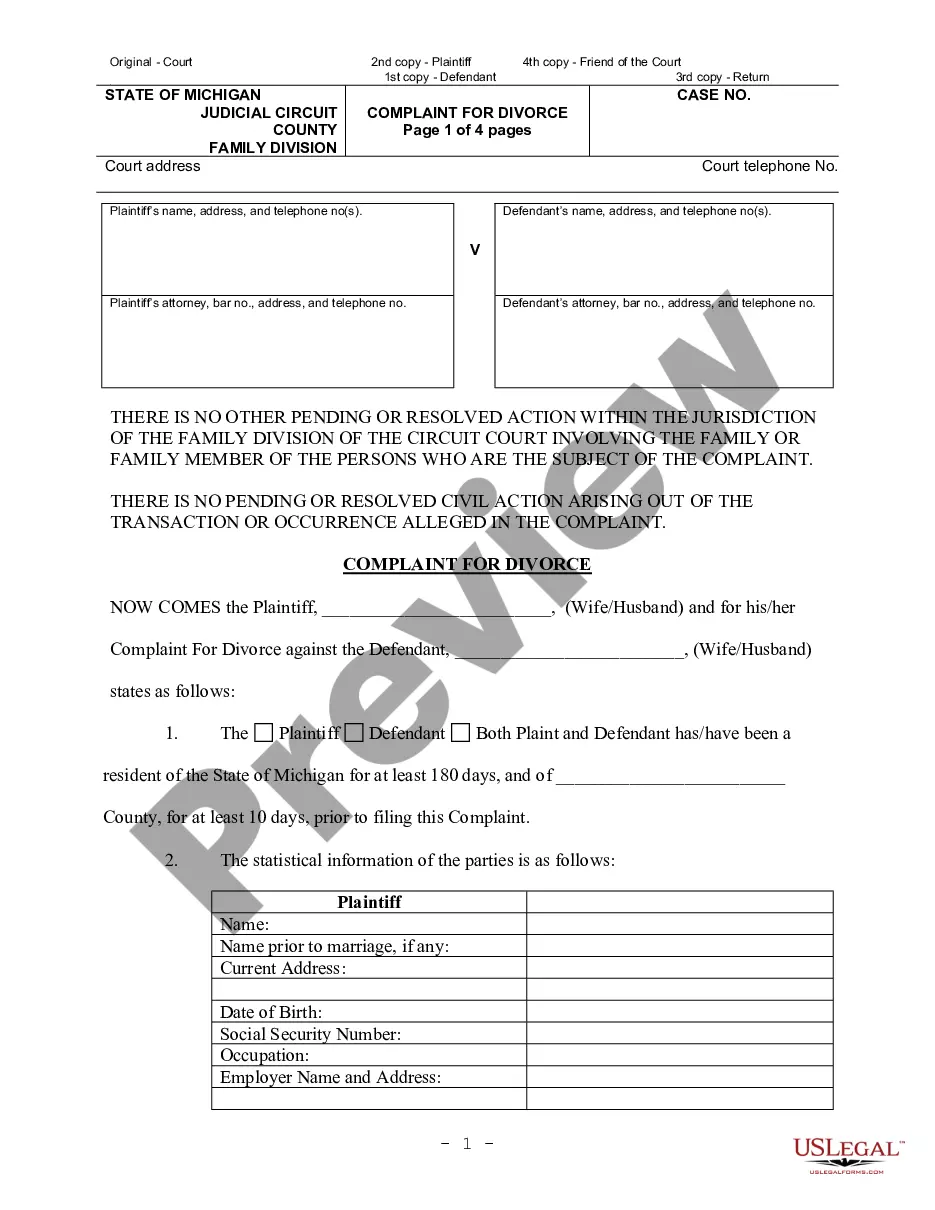
The Complaint for Divorce is a legal document that initiates divorce proceedings in court. It outlines the reasons for the divorce and the specific relief sought by the complaining party. Unlike other documents related to divorce, the Complaint is the first step in legally dissolving a marriage. It is essential for anyone seeking to file for divorce in a structured and formal manner.
Key components of this form
- Plaintiff and Defendant identification, including names and addresses.
- Details of the marriage, including date and location of the ceremony.
- Residency requirements for the Plaintiff in the state where the divorce is filed.
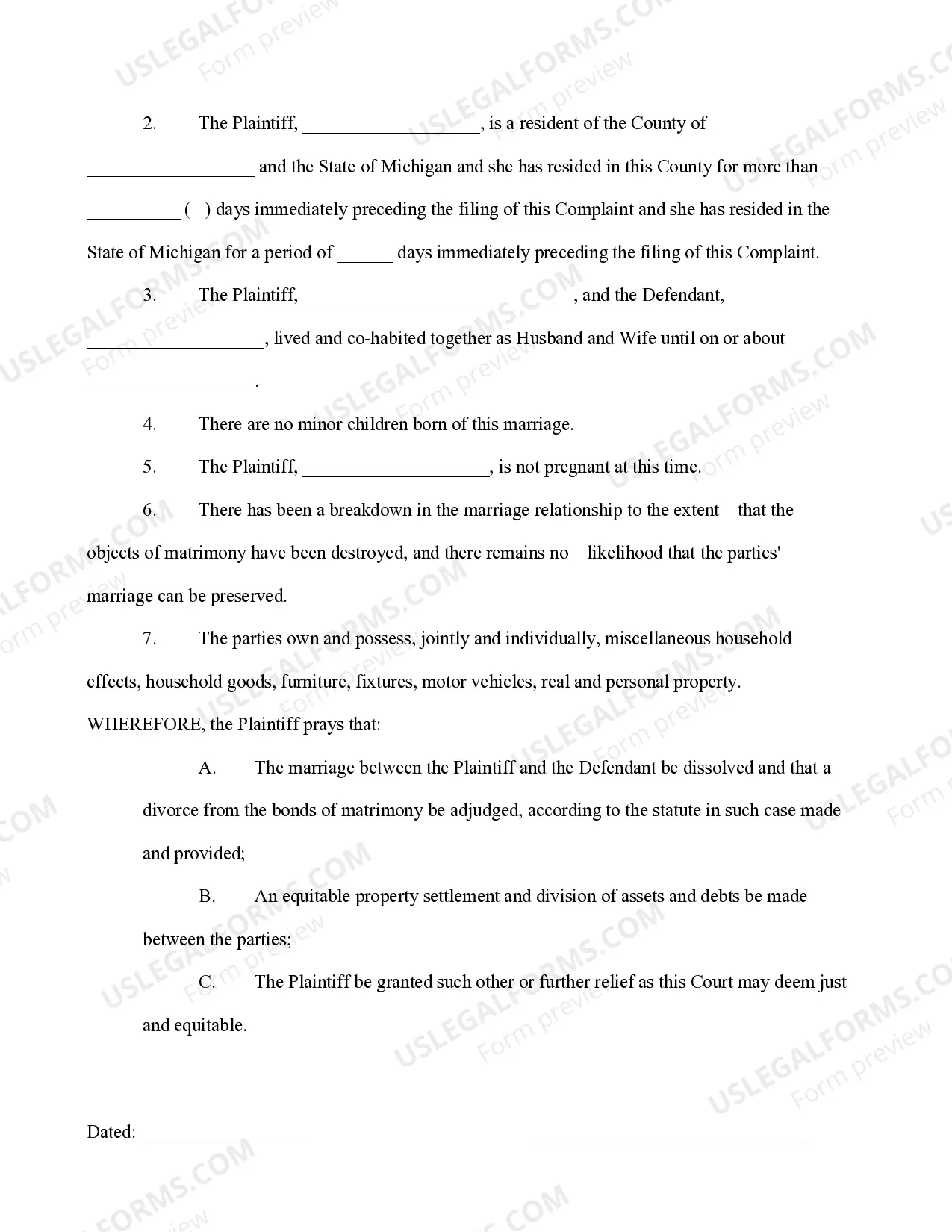
- Statement confirming the breakdown of the marriage relationship.
- Request for specific relief, such as property division and the dissolution of marriage.
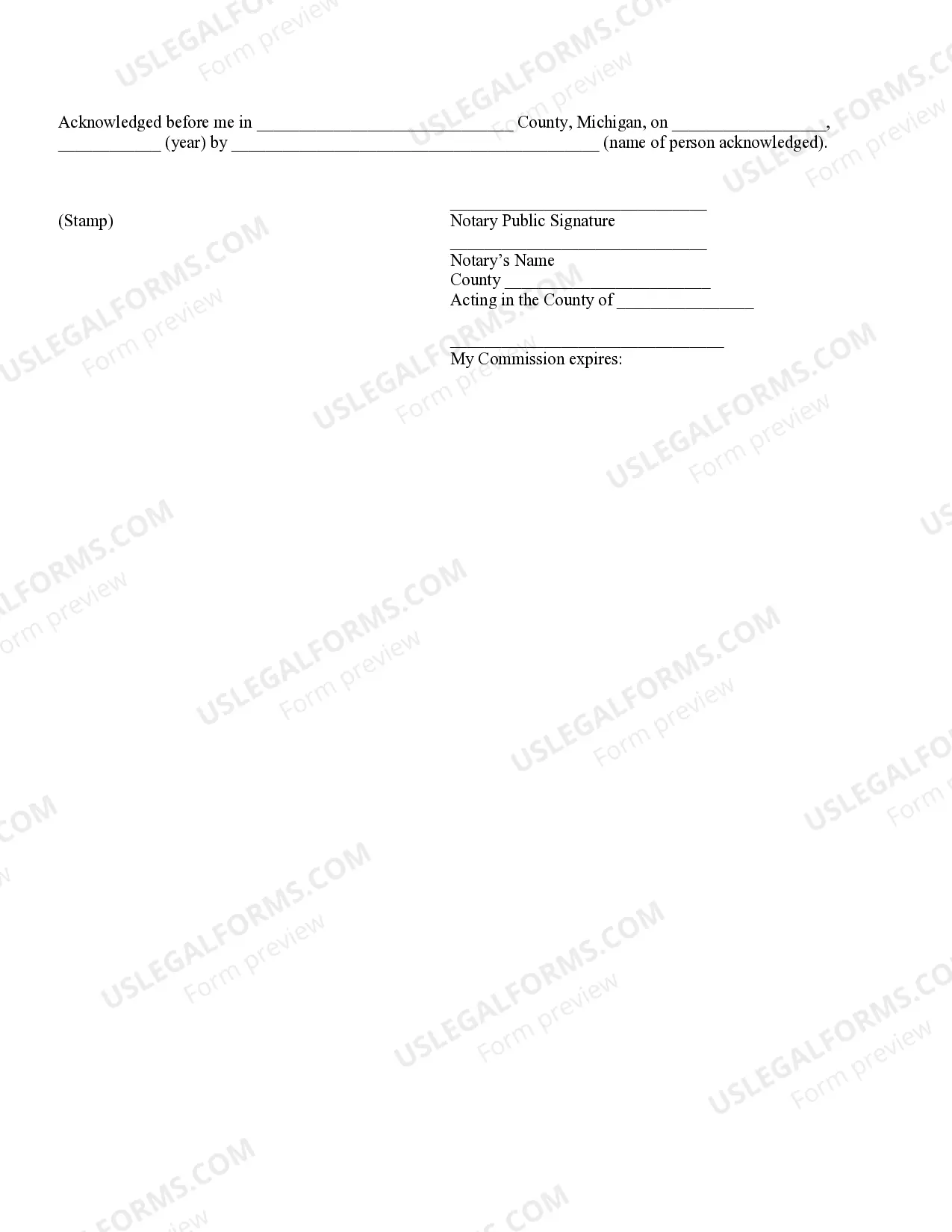
- Notary acknowledgment to validate the Complaint.



Common use cases
You should use the Complaint for Divorce form when you are ready to formally initiate divorce proceedings. It is appropriate to file this Complaint if you meet state residency requirements and have determined that your marriage has irretrievably broken down. This form is crucial if you are seeking legal remedies concerning asset division, absence of minor children, and other divorce-related matters.
Who this form is for
- Individuals seeking a divorce in Michigan.
- Parties who have no minor children from the marriage.
- Residents of the state who meet local jurisdiction requirements.
- Spouses who believe that the marriage cannot be reconciled.
How to complete this form
- Identify the Plaintiff and Defendant, including their full names and addresses.
- Provide the date and location of the marriage ceremony.
- Include details about the residency of the Plaintiff in Michigan.
- State the reasons for the divorce and any supporting facts.
- Request specific relief regarding property division and the dissolution of the marriage.
- Sign the form in the presence of a notary public to validate it.
Does this form need to be notarized?
Yes, this form must be notarized to be legally valid. The process requires you to sign the Complaint in the presence of a notary public, who will then acknowledge your signature. US Legal Forms offers integrated online notarization services that are available 24/7 via secure video call, ensuring a smooth and compliant notarization process.
Get your form ready online
Our built-in tools help you complete, sign, share, and store your documents in one place.
Make edits, fill in missing information, and update formatting in US Legal Forms—just like you would in MS Word.
Download a copy, print it, send it by email, or mail it via USPS—whatever works best for your next step.
Sign and collect signatures with our SignNow integration. Send to multiple recipients, set reminders, and more. Go Premium to unlock E-Sign.
If this form requires notarization, complete it online through a secure video call—no need to meet a notary in person or wait for an appointment.
We protect your documents and personal data by following strict security and privacy standards.

Make edits, fill in missing information, and update formatting in US Legal Forms—just like you would in MS Word.

Download a copy, print it, send it by email, or mail it via USPS—whatever works best for your next step.

Sign and collect signatures with our SignNow integration. Send to multiple recipients, set reminders, and more. Go Premium to unlock E-Sign.

If this form requires notarization, complete it online through a secure video call—no need to meet a notary in person or wait for an appointment.

We protect your documents and personal data by following strict security and privacy standards.
Typical mistakes to avoid
- Failing to meet residency requirements before filing.
- Not providing accurate information about the marriage date and location.
- Overlooking the need for notarization of the Complaint.
- Neglecting to clearly state the reasons for divorce.
- Leaving out essential details about asset division.
Why use this form online
- Convenient access to legal form templates from home.
- Editability allows customization to fit your specific situation.
- Secure downloads ensure you have the latest version of the form.
- Assurance that documents are drafted by licensed attorneys, enhancing legal reliability.
What to keep in mind
- The Complaint for Divorce is a crucial first step in legally ending a marriage.
- Understanding the formâs components ensures accurate completion and filing.
- Online access to the form enhances convenience and offers customization options.
Looking for another form?
Form popularity
FAQ
From a legal perspective, it generally does not matter who files for divorce first.Filing first creates an opportunity to present the court with various orders before your spouse is notified of the Michigan divorce proceedings. The orders are called Ex Parte, which means literally, on one side only.
However, while you cannot contest the divorce itself in Michigan, you can contest the terms of the divorce.However, custody and parenting time are one of the most hotly contested issues in divorce, and may require court intervention.
One of the main legal advantages that a person gains by filing the divorce petition before his or her spouse does is that the filer can request a Standing Order from the court when filing the petition.If the matter should go to a hearing, the person who files the petition usually presents his or her case first.
Once a judge enters a default judgment against you in your divorce case, you may be able to fight the default and get a second chance to respond to the case.The court may reverse the default judgment if you petition them and support your request with proof of mistake or another issue.
After a divorce becomes final -- whether through settlement agreement or after a court decision -- either spouse may still have an opportunity to challenge certain decisions made by the court. One or both spouses can seek to appeal or modify their divorce decree.
Divorce can be denied. When you file a divorce case, you are actually asking the judge to grant you a divorce. But that doesn't mean the judge can deny your request or that your spouse has to sign off on granting you a divorce.It does not matter if your spouse agrees that the marriage can not be saved.
There is one advantage to being the one to file the divorce. The person who files the divorce, under the code of civil procedure, is called the plaintiff and the other party is called the defendant.Another advantage to being a plaintiff is the way a non-suit is handled under the code of civil procedure.
A more feasible estimate is between two and nine months. However, again, that depends on the size of the marital assets, whether children are involved, and whether the divorce is uncontested. When a divorce is contested, and children are involved, it is not unusual for a divorce to last up to a year or more.