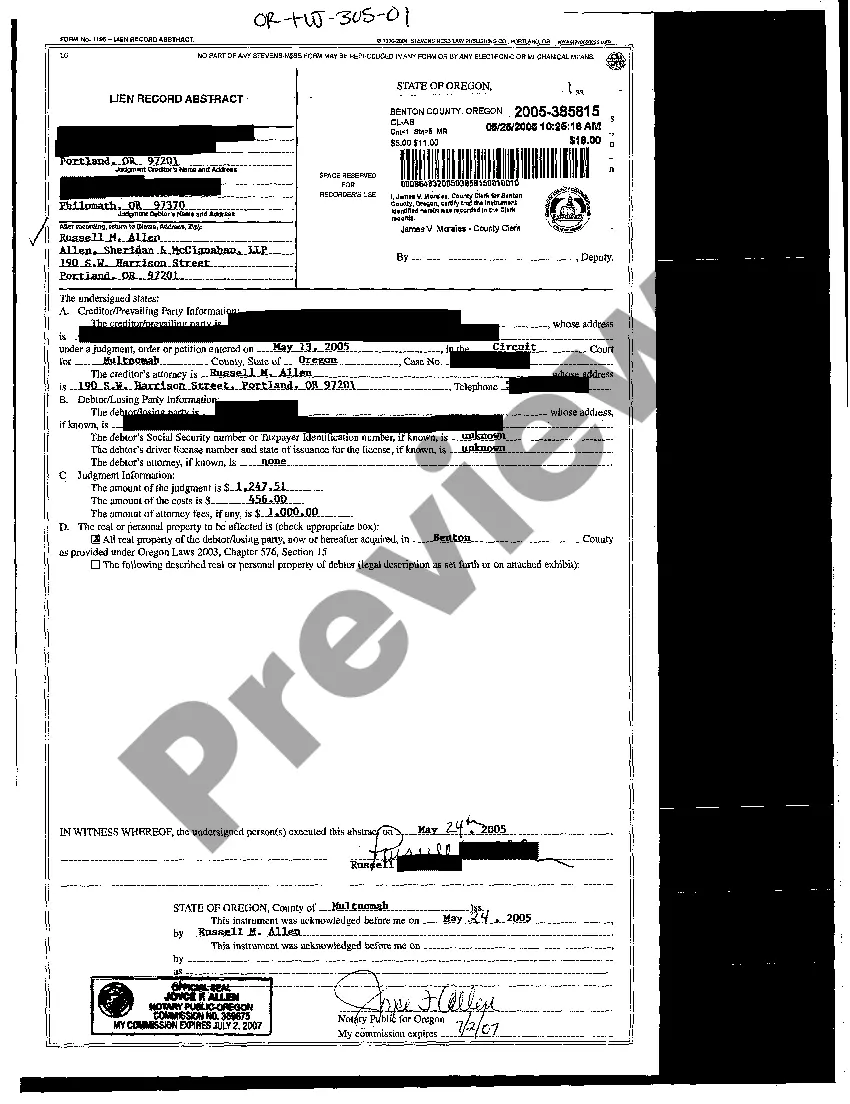
Maine Bill of Sale of Automobile and Odometer Statement
Overview of this form
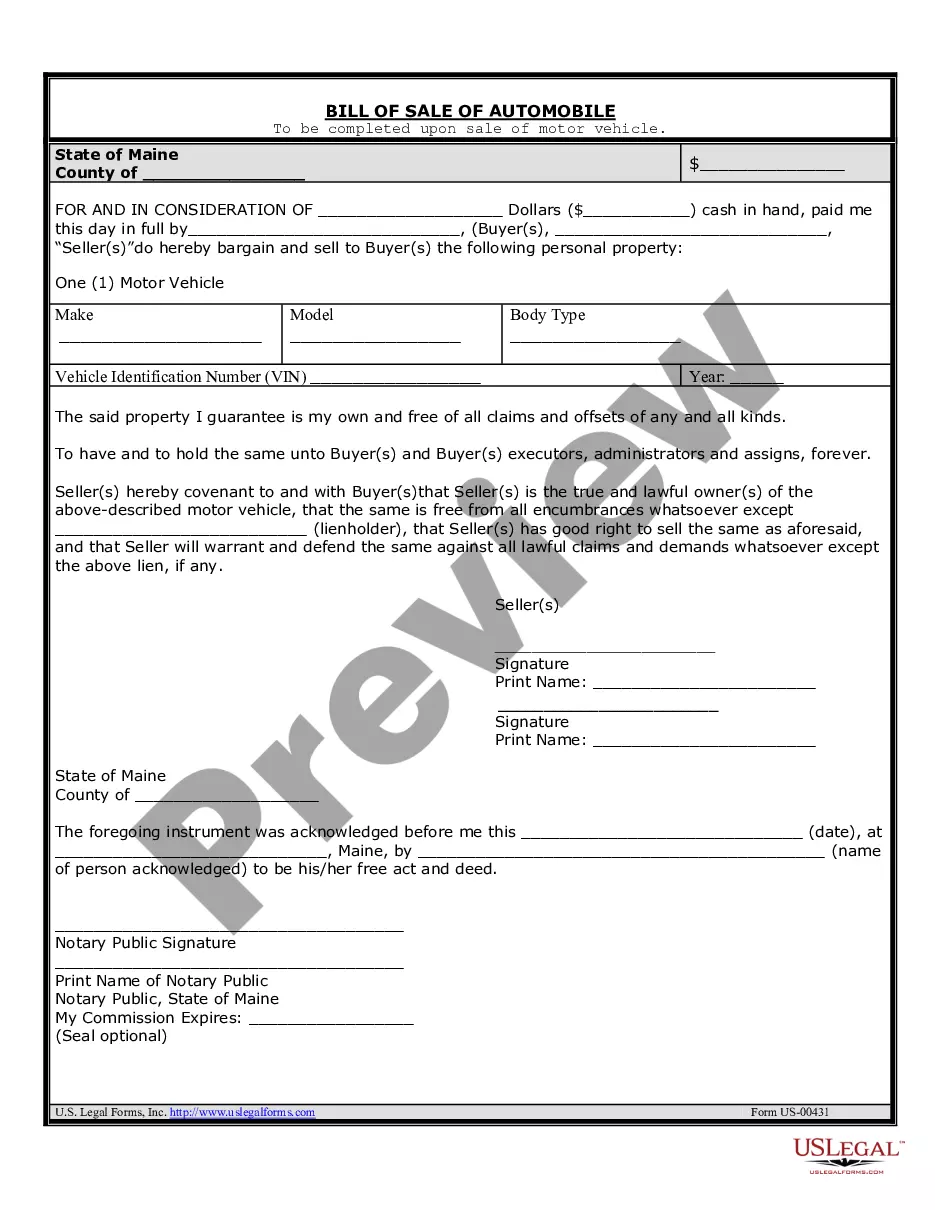
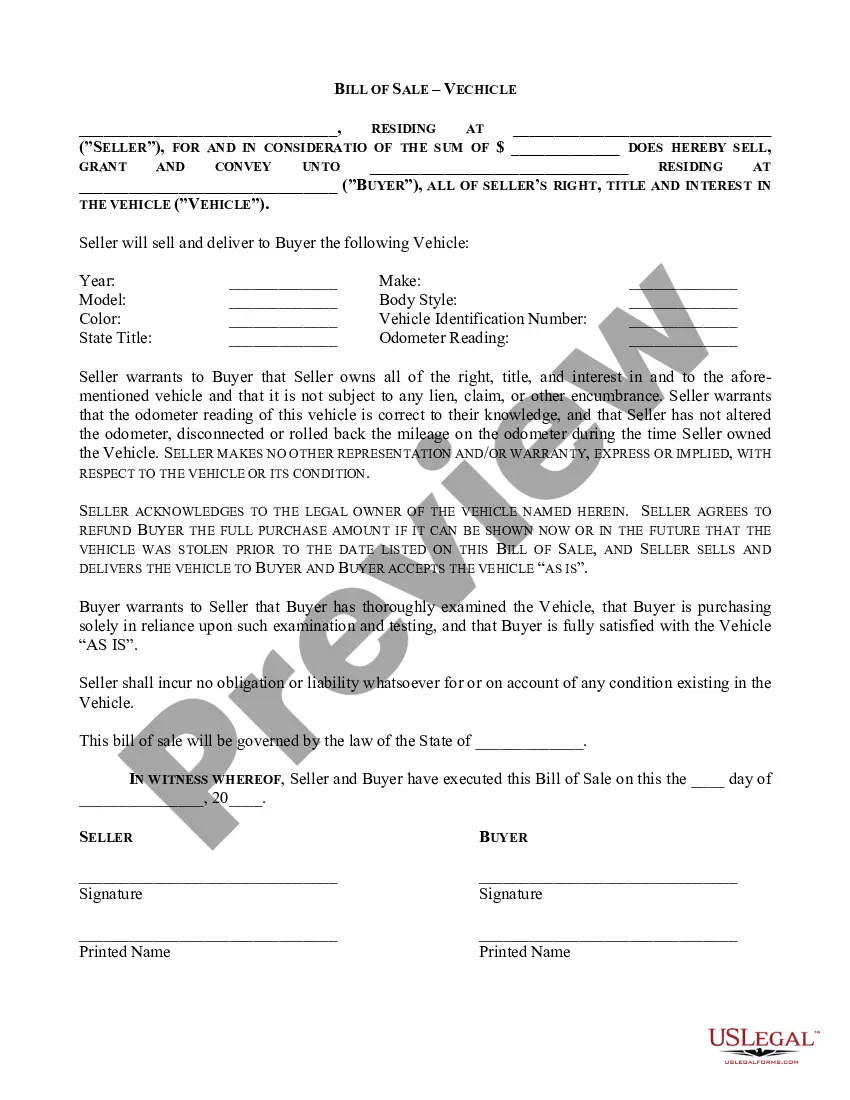
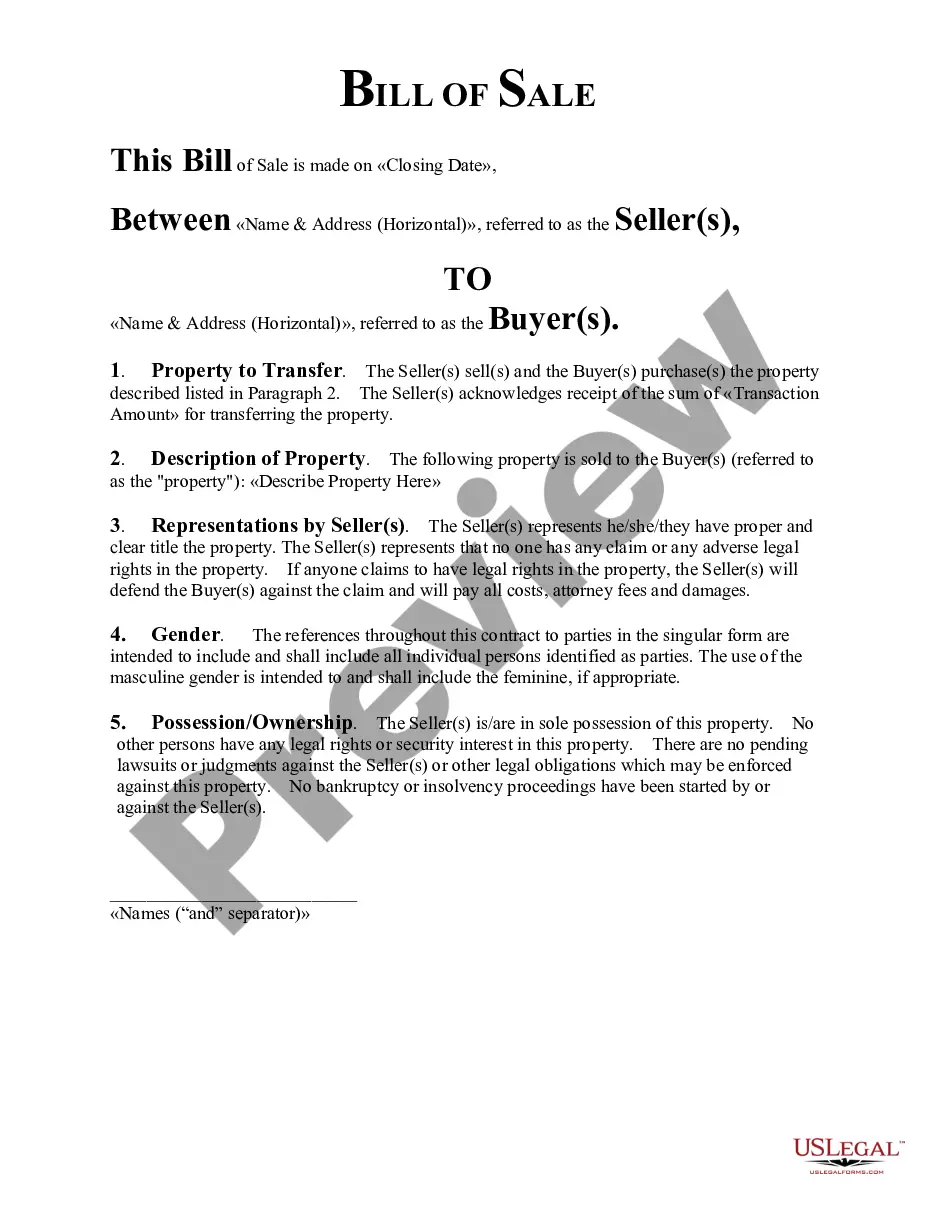
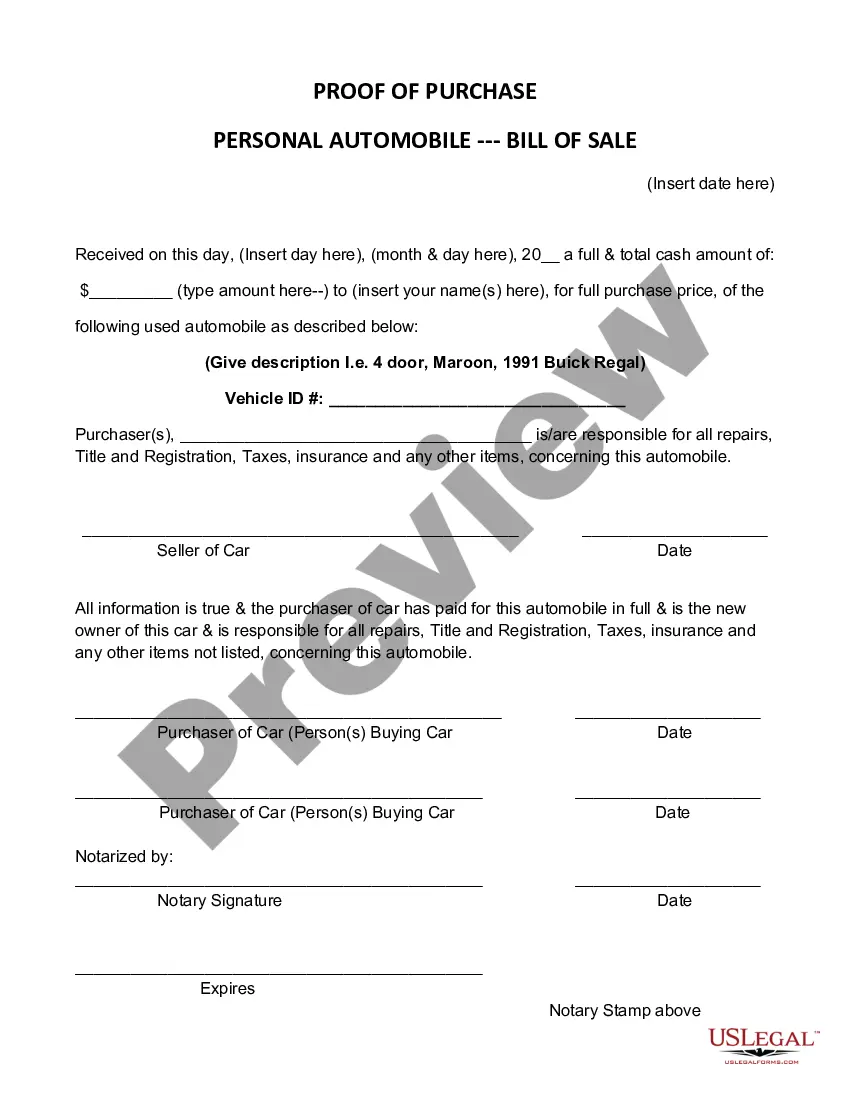
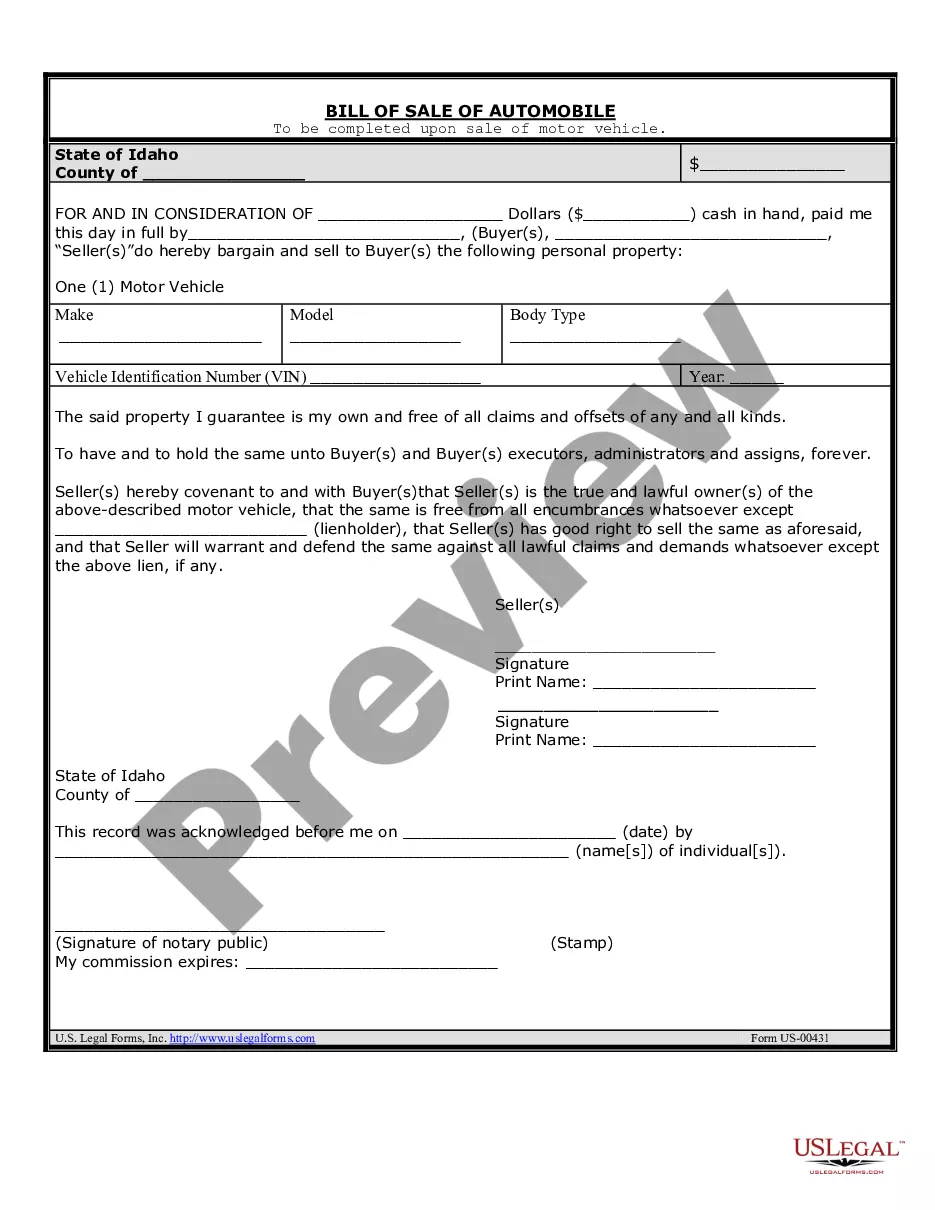
The Bill of Sale of Automobile is a legal document used to transfer ownership of a motor vehicle from one party to another. This form details crucial information about the automobile, including its make, model, and Vehicle Identification Number (VIN). What sets this bill of sale apart is the inclusion of an Odometer Disclosure Statement, which complies with federal and state laws, ensuring a clear record of the vehicle's mileage at the time of sale. This form is essential in protecting both the buyer and seller during the transaction.
Main sections of this form
- Details about the seller and buyer, including their names and addresses.
- Information on the motor vehicle, such as make, model, body type, and VIN.
- Purchase price of the vehicle, represented in both numeric and written form.
- Seller's guarantee that the vehicle is free from claims and encumbrances.
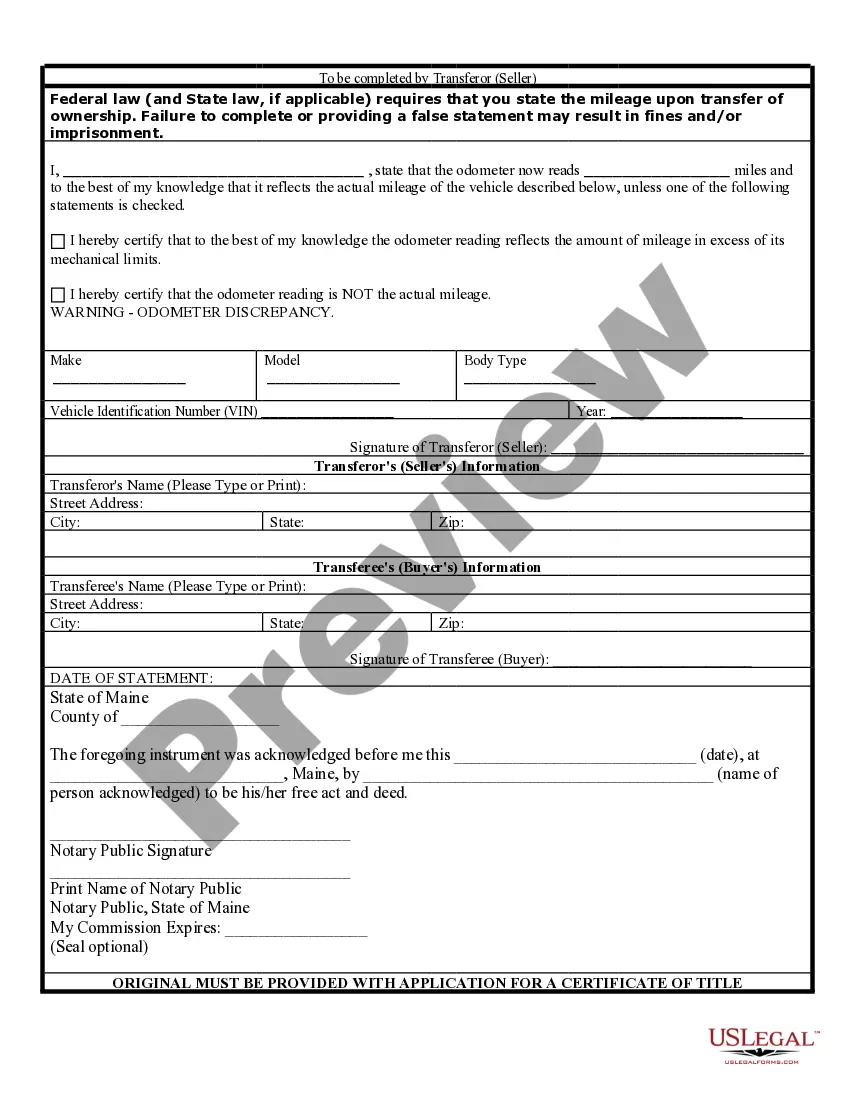
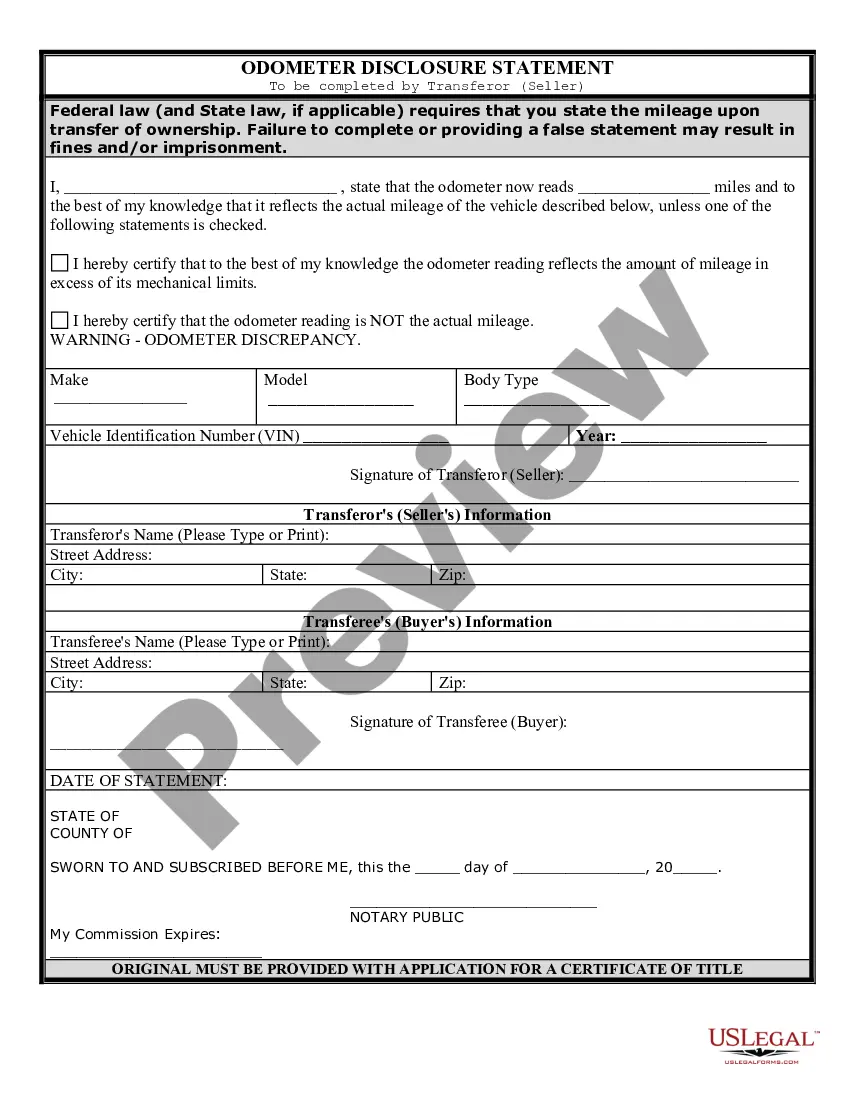
- Odometer Disclosure Statement that verifies the vehicle's mileage and any discrepancies.
- Space for notarization to validate the authenticity of the signatures.
When this form is needed
This form should be used whenever you are buying or selling a motor vehicle. It is especially important in scenarios where ownership is changing hands, such as private sales between individuals or transactions at vehicle auctions. The Bill of Sale of Automobile protects both parties by documenting the sale and ensuring compliance with legal requirements regarding odometer readings.
Who should use this form
The Bill of Sale of Automobile is suitable for:
- Individuals wishing to buy or sell a personal vehicle.
- Car dealerships conducting sales to customers.
- Private sellers and buyers involved in vehicle transactions.
- Anyone needing a legal record of the sale for future reference or title transfer.
Instructions for completing this form
- Identify the parties involved by entering the names and addresses of the seller and buyer.
- Specify the details of the vehicle, including its make, model, year, body type, and VIN.
- Enter the sale price of the vehicle, both in numerals and written form.
- Complete the Odometer Disclosure Statement by indicating the current mileage and any discrepancies.
- Ensure that both the seller and buyer sign the document in the presence of a notary public.
Does this form need to be notarized?
Yes, this form must be notarized to be legally valid. Notarization adds an extra layer of security and authenticity to the document, ensuring that both parties' signatures are verified. With US Legal Forms, you can access integrated online notarization services, allowing you to complete this step securely through a video call, without needing to travel.
Get your form ready online
Our built-in tools help you complete, sign, share, and store your documents in one place.
Make edits, fill in missing information, and update formatting in US Legal Forms—just like you would in MS Word.
Download a copy, print it, send it by email, or mail it via USPS—whatever works best for your next step.
Sign and collect signatures with our SignNow integration. Send to multiple recipients, set reminders, and more. Go Premium to unlock E-Sign.
If this form requires notarization, complete it online through a secure video call—no need to meet a notary in person or wait for an appointment.
We protect your documents and personal data by following strict security and privacy standards.

Make edits, fill in missing information, and update formatting in US Legal Forms—just like you would in MS Word.

Download a copy, print it, send it by email, or mail it via USPS—whatever works best for your next step.

Sign and collect signatures with our SignNow integration. Send to multiple recipients, set reminders, and more. Go Premium to unlock E-Sign.

If this form requires notarization, complete it online through a secure video call—no need to meet a notary in person or wait for an appointment.

We protect your documents and personal data by following strict security and privacy standards.
Typical mistakes to avoid
- Failing to accurately state the mileage on the odometer.
- Not including the signature of the buyer or seller.
- Omitting the notary's signature and seal.
- Leaving the fields for vehicle details incomplete.
- Not providing a clear sale price in both formats (numeric and written).
Benefits of completing this form online
- Convenience of downloading from any device, anywhere.
- Editability allows you to customize details quickly and easily.
- Drafted by licensed attorneys to ensure legal compliance and accuracy.
- Accessible structure helps in understanding how to fill it out correctly.
Main things to remember
- The Bill of Sale of Automobile is essential for legal vehicle transactions.
- Includes a mandatory Odometer Disclosure Statement for compliance with laws.
- Both parties should ensure the form is filled out accurately and completely.
- Notarization is required for the bill of sale to be legally binding.
Looking for another form?
Form popularity
FAQ
The date of the sale. A description of the car, including its: Year, make and model. The selling price of the car. If the car is a gift or partial gift, you should still create a bill of sale. Warranty information. The full names, addresses and signatures of the buyer and seller.
On the back of the title is a transfer area that they can use to transfer the title to you. Once the previous owner has transferred the title to you, take it to the local office for your state's department of motor vehicles to apply for a new title in your name. The new title will be your proof of ownership.
Name and address of the seller. Name and address of the buyer. Vehicle description, including Vehicle Identification Number (VIN), make, model, year. Amount of sale.
A bill of sale does not serve as proof of ownership. Only a title has that legal authority. Bills of sale serve as proof of title transfer, which buyers and sellers need for personal financial and tax records.
Title Jumping - Dangers to sellersSellers who do not transfer the title into their name before selling a vehicle technically are not the legal owner of the vehicle. Risks include penalties, fines, and/or jail time.
In simple terms, a bill of sale agreement is nothing more than a contract for the purchase of a vehicle between a buyer and a seller.In most cases, the contract is legally binding between buyer and seller as long as the bill of sale follows guidelines required in the state where the sale or transfer takes place.
Generally, a bill of sale does not have to be recorded but may be required as proof of ownership. Who must sign a bill of sale? The owners of the property being sold must sign. If the property is owned jointly, both owners must generally sign.
The date of the sale. A description of the car, including its: Year, make and model. The selling price of the car. If the car is a gift or partial gift, you should still create a bill of sale. Warranty information. The full names, addresses and signatures of the buyer and seller.
In simple terms, a bill of sale agreement is nothing more than a contract for the purchase of a vehicle between a buyer and a seller.In most cases, the contract is legally binding between buyer and seller as long as the bill of sale follows guidelines required in the state where the sale or transfer takes place.