Maryland Mutual Wills Package of Last Wills and Testaments for Man and Woman living together not Married with Adult Children
Overview of this form
This Mutual Wills Package for a man and woman living together (not married) provides two Last Wills and Testaments specifically designed for couples with adult children. This package allows individuals in committed relationships to outline their wishes regarding property and assets, ensuring that each partner can leave their estate to the other while clearly designating their adult children as beneficiaries. This form is particularly useful for unmarried couples seeking mutual support in estate planning.
Form components explained
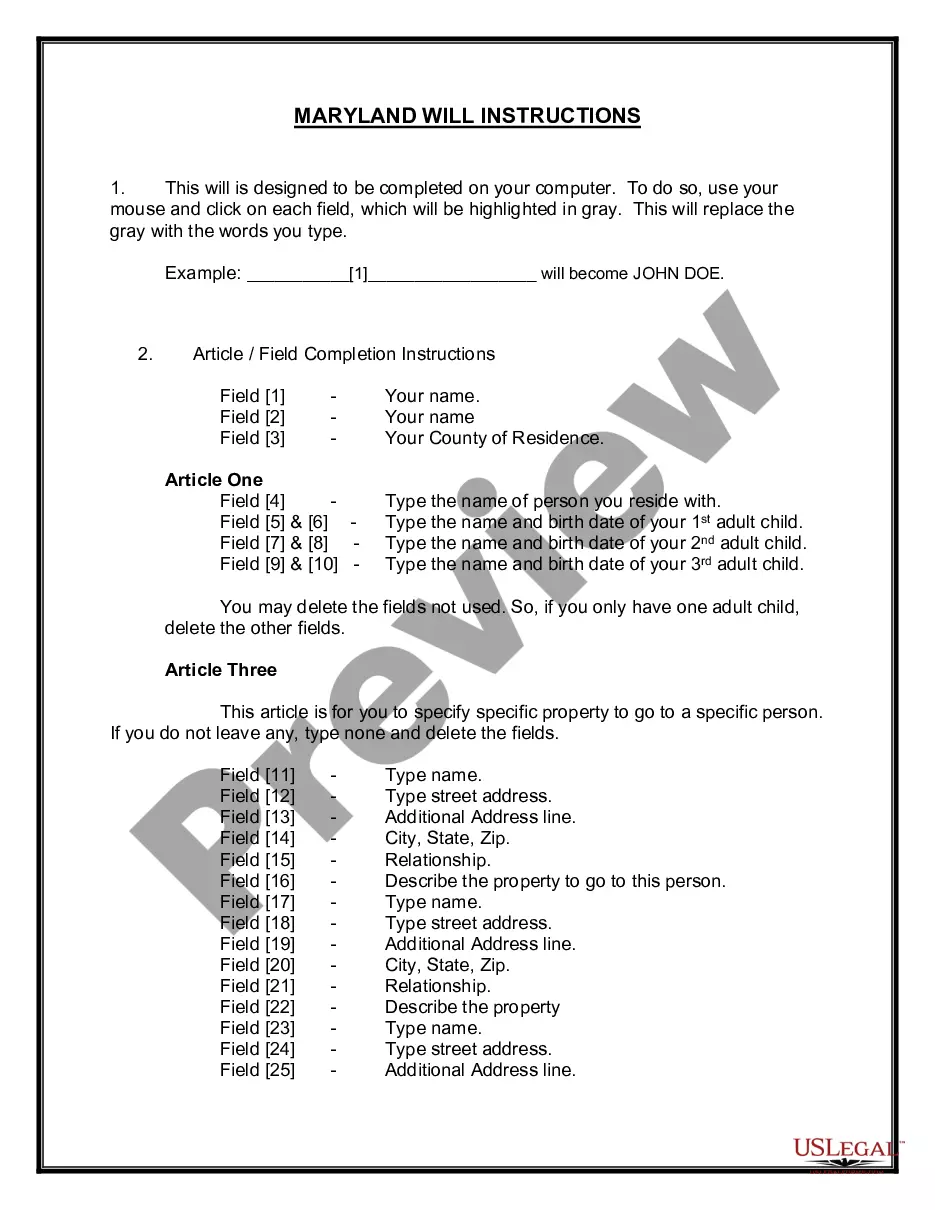
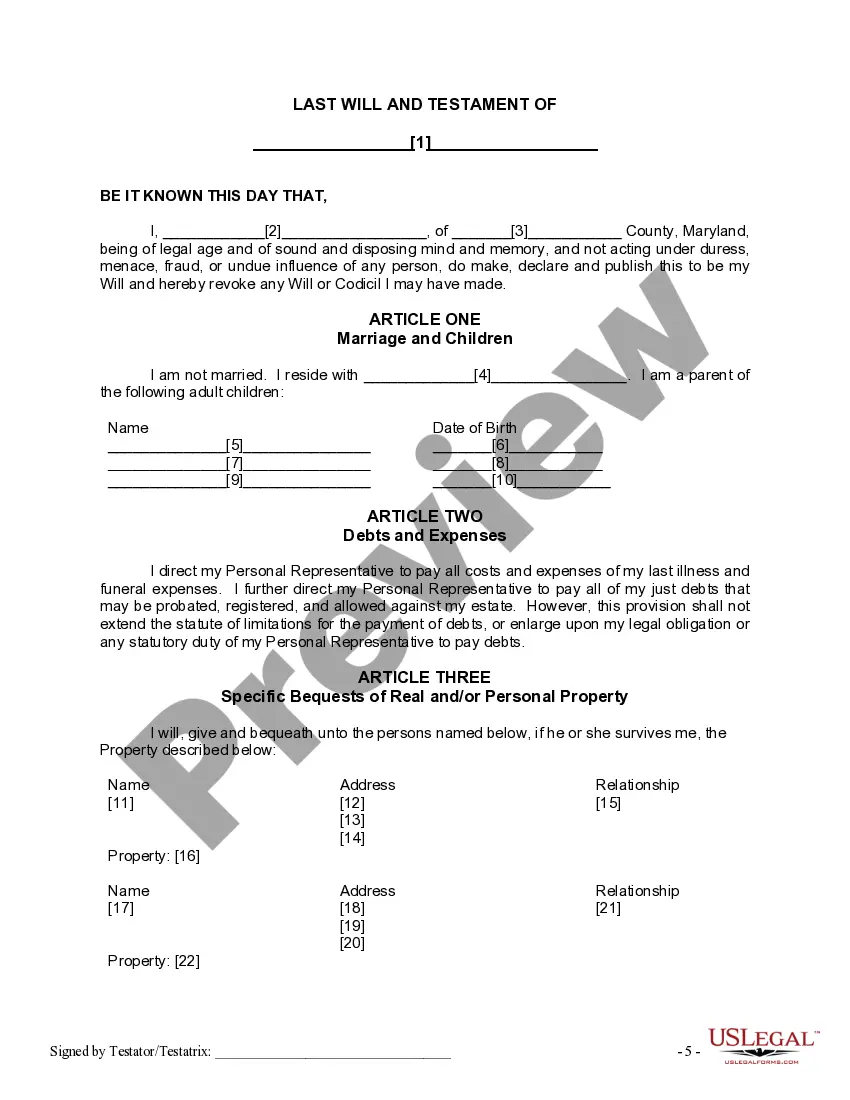
- Personal information section: Name and county of residence of each partner.
- Child information fields: Names and dates of birth of up to three adult children.
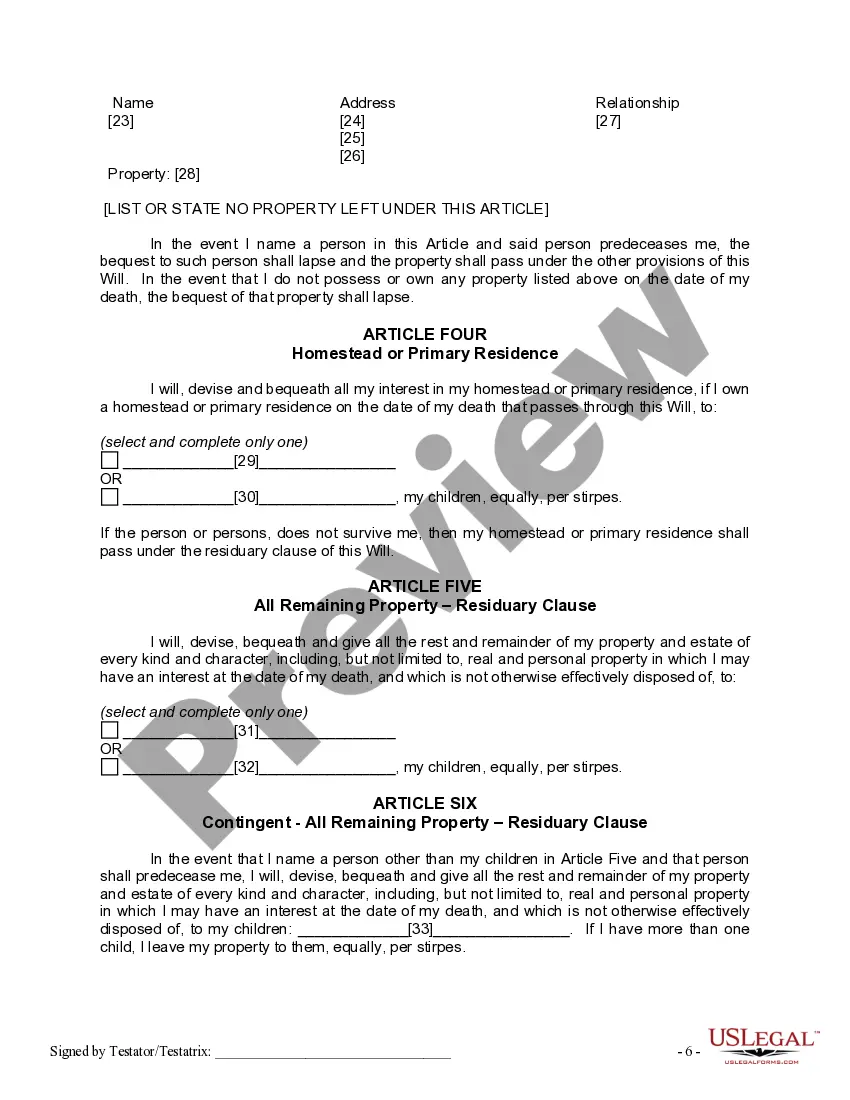
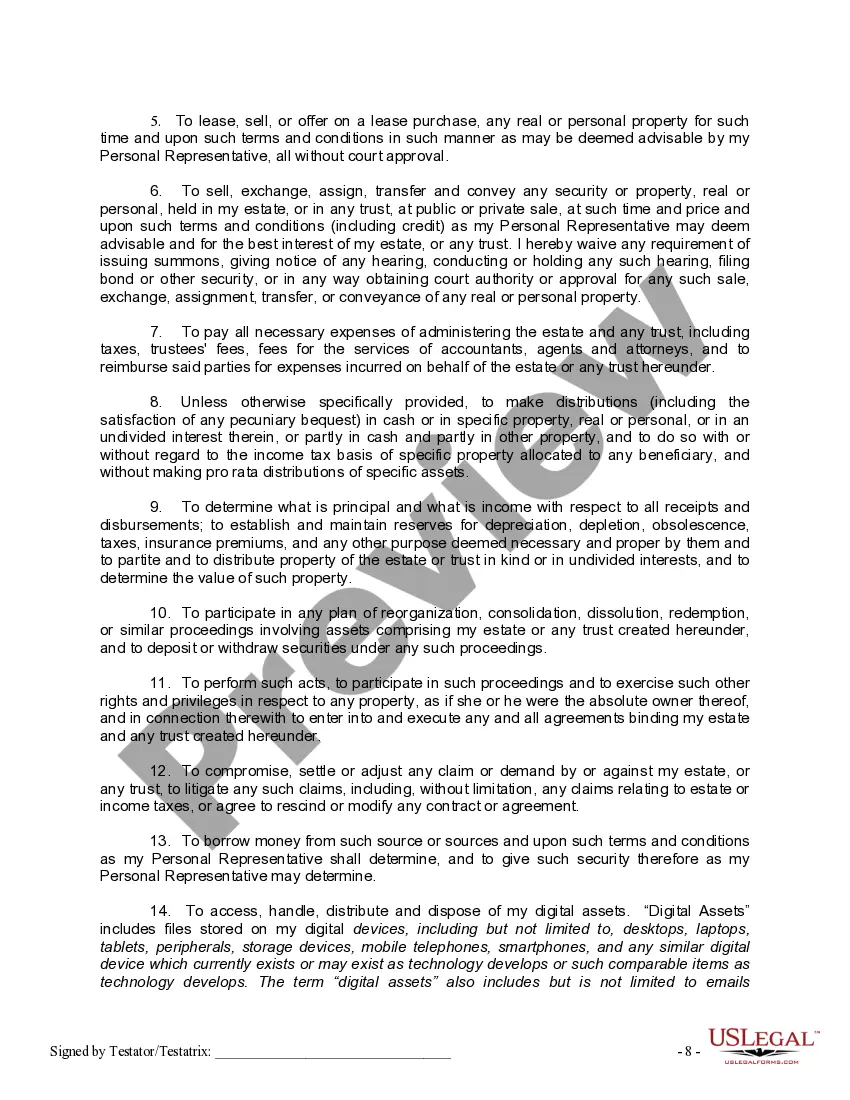
- Specific bequests: Outline specific property gifts to individuals outside of the usual heirship.
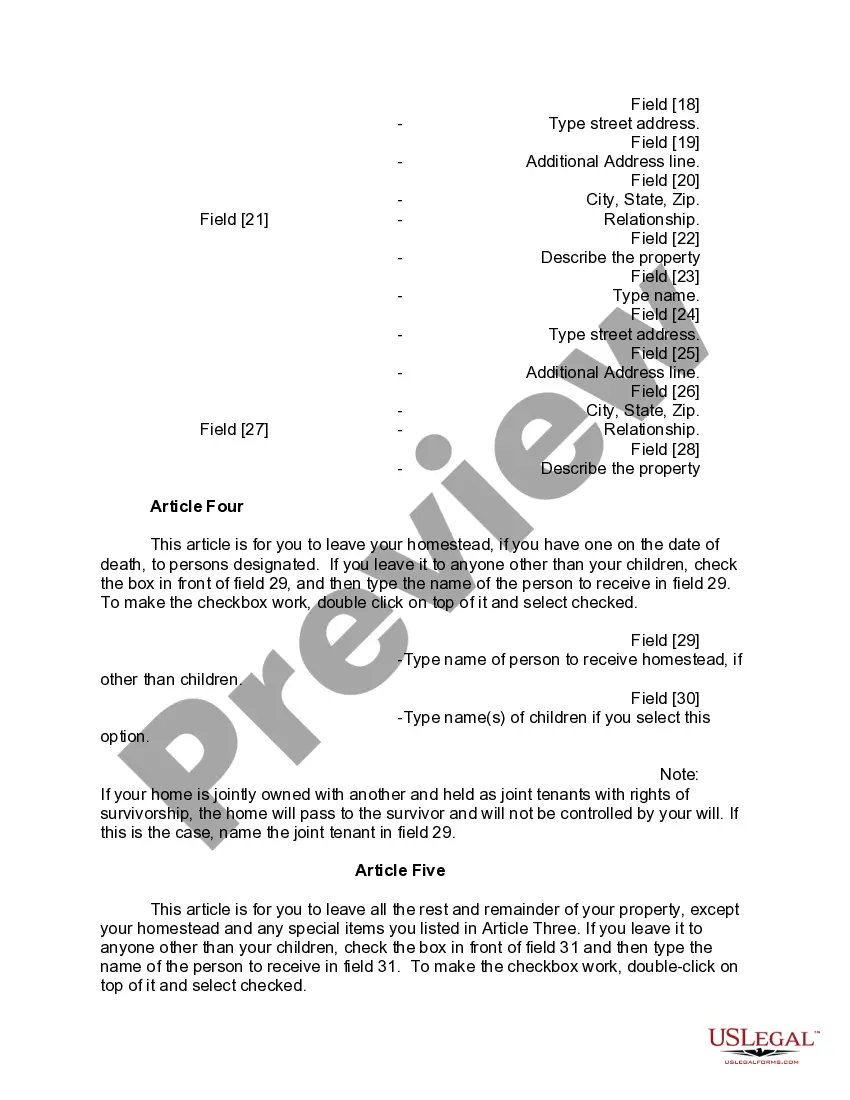
- Homestead provision: Designate who will inherit the primary residence.
- Residuary clause: Instructions for distributing remaining property, including personal and real estate.
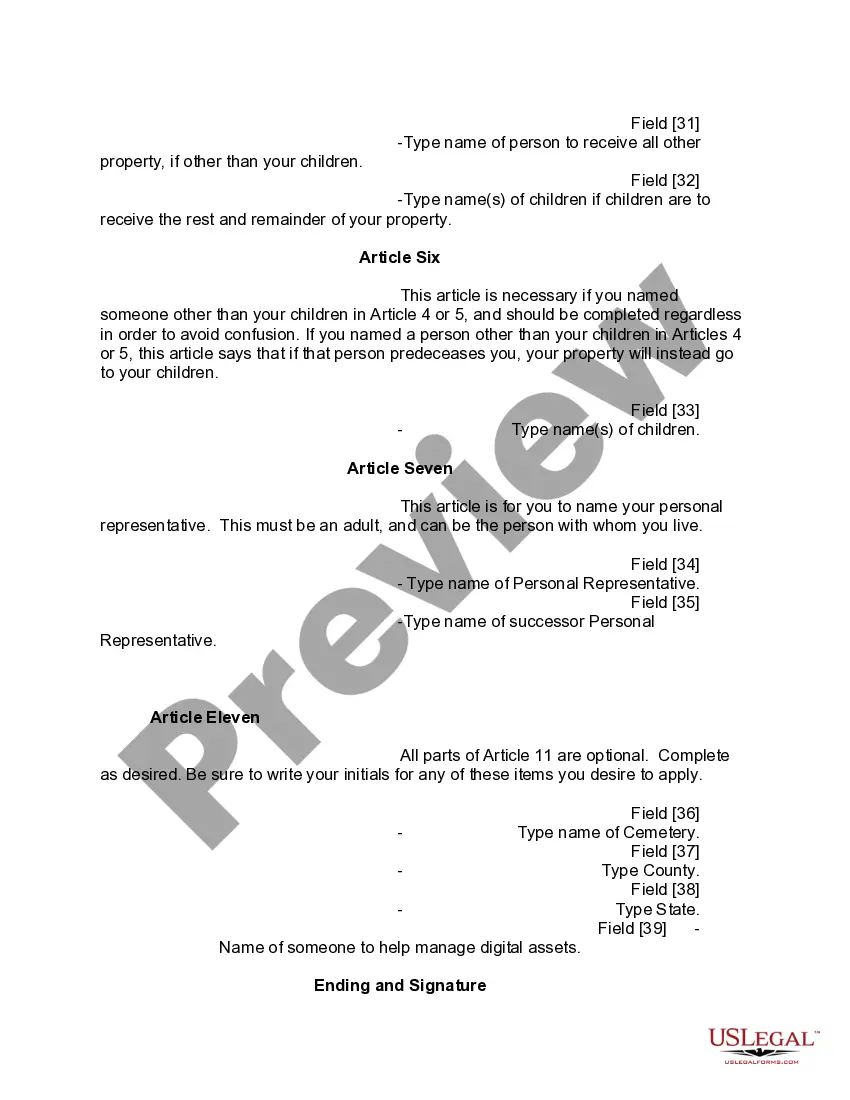
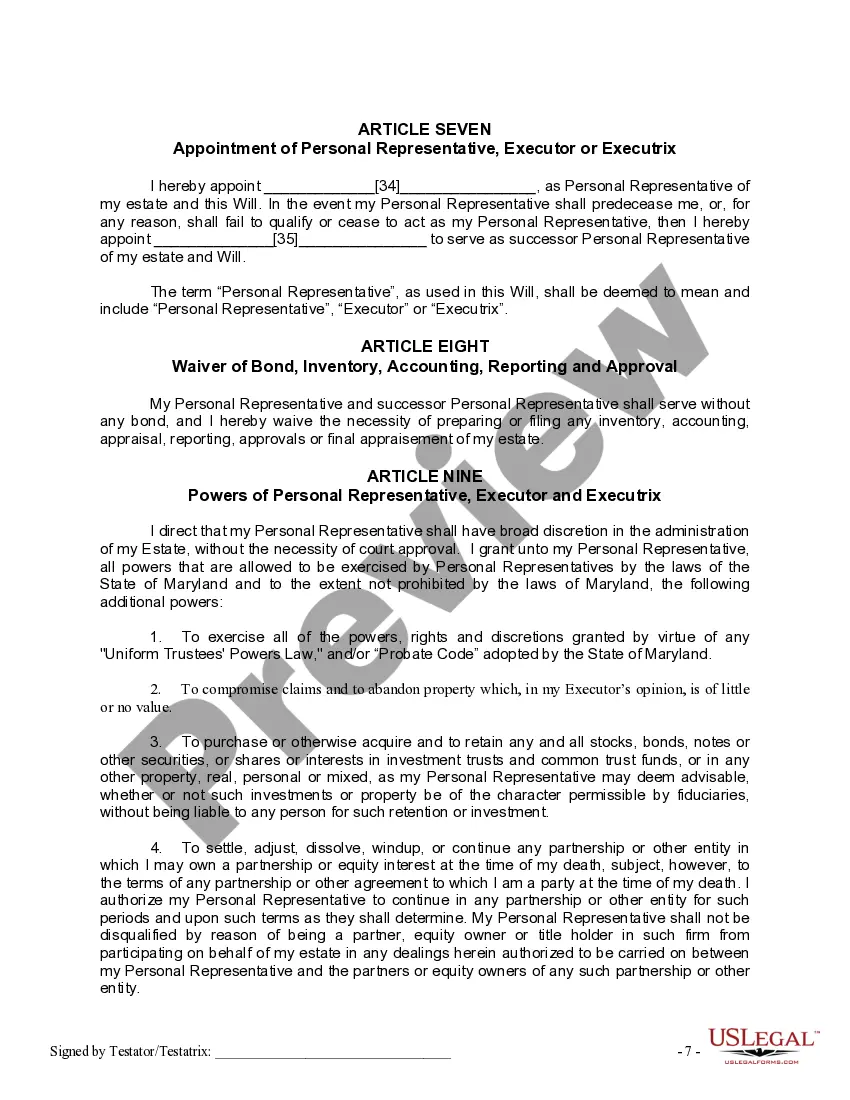
- Appointment of a Personal Representative: Designate an individual to handle estate affairs after passing.

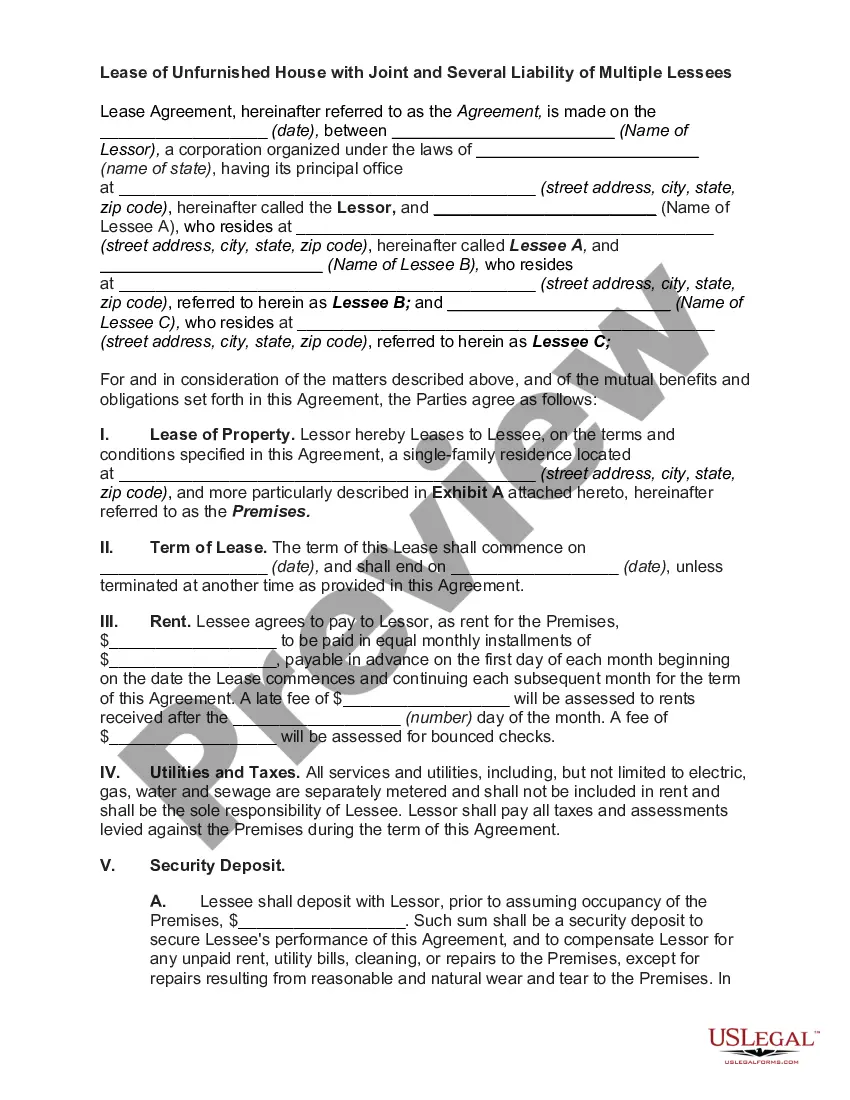



When to use this document
This form is needed in situations where a couple wishes to formalize their estate planning without entering into marriage. It is especially relevant for couples who want to ensure their shared assets and property are managed and distributed according to their wishes after one partner's death while considering their adult children's inheritance rights.
Who can use this document
This form is ideal for:
- Unmarried couples living together.
- Couples with adult children from previous relationships or their current partnership.
- Individuals seeking to ensure their partner is cared for after passing.
- People wanting to clearly define their estate plans outside of marriage.
Completing this form step by step
Follow these steps to complete the form:
- Enter the full names and county of residence for both partners in the specified fields.
- Fill in the names and birth dates of up to three adult children.
- Detail any specific property intended for individuals outside the main beneficiaries.
- Designate the primary residence's heir and specify any additional instructions regarding the homestead.
- Indicate the Personal Representative responsible for managing the estate upon death.
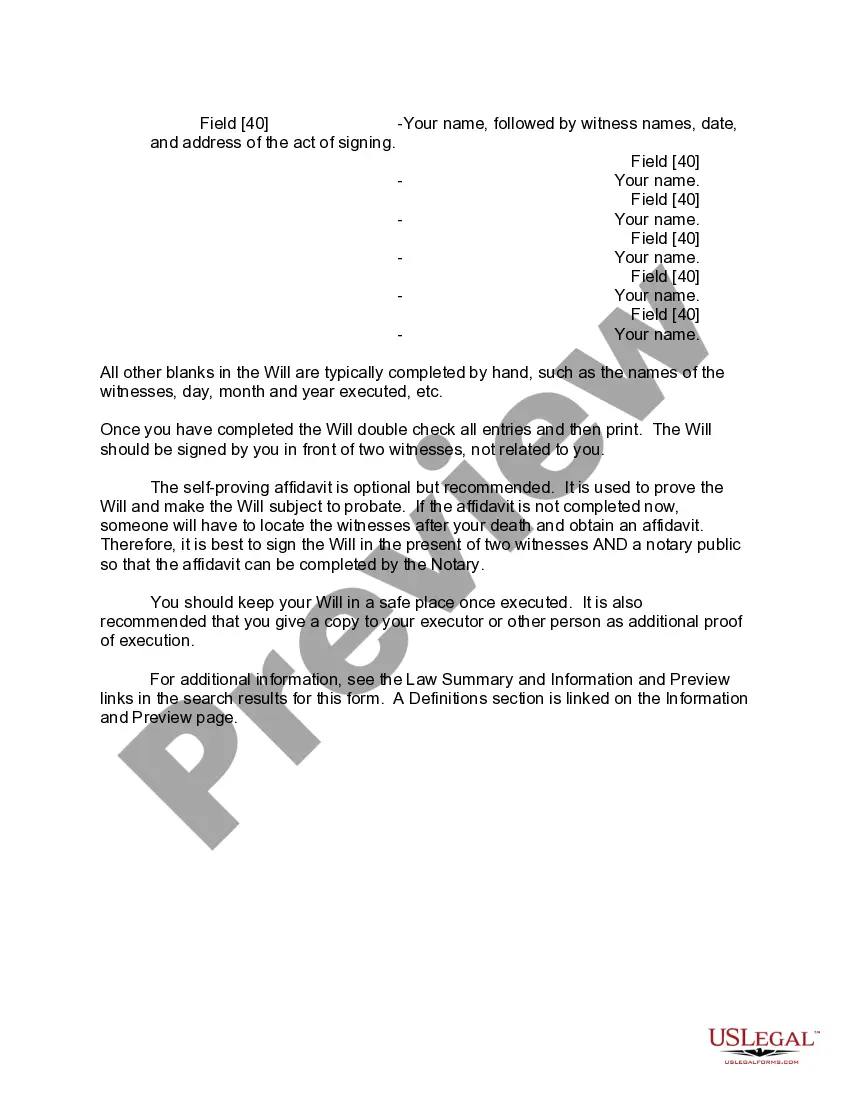
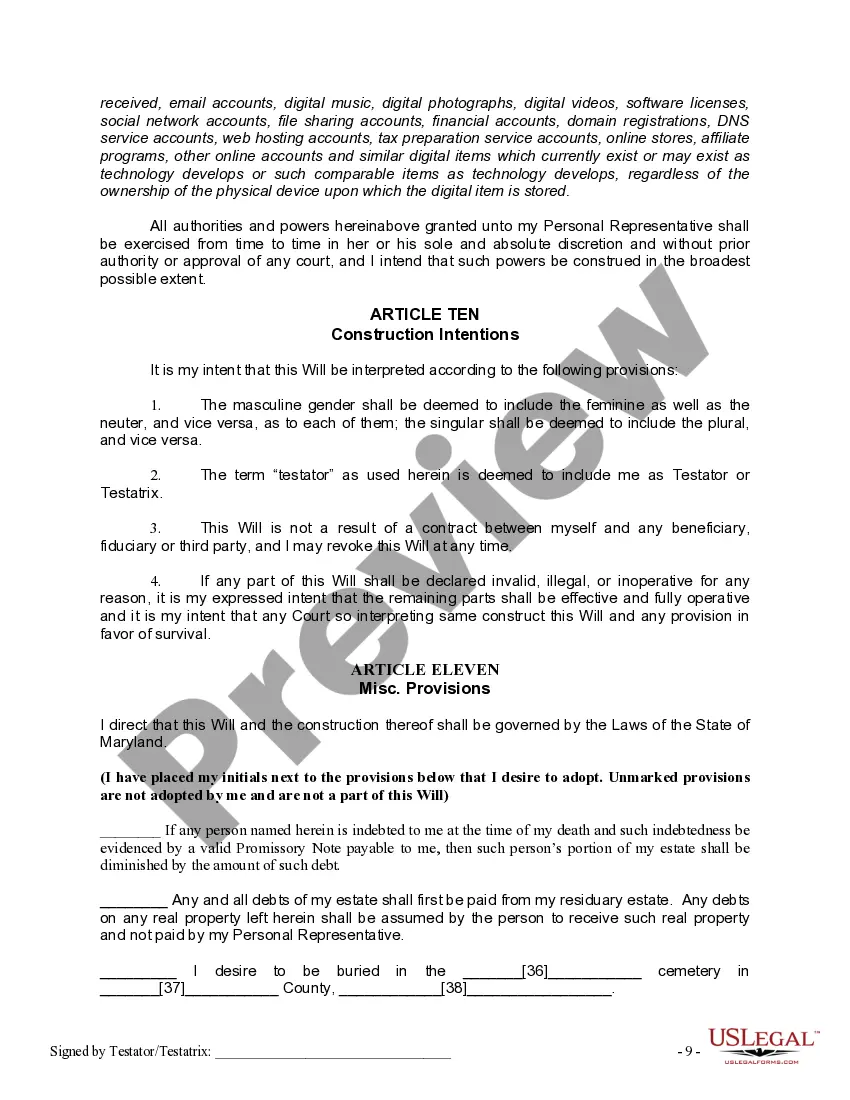
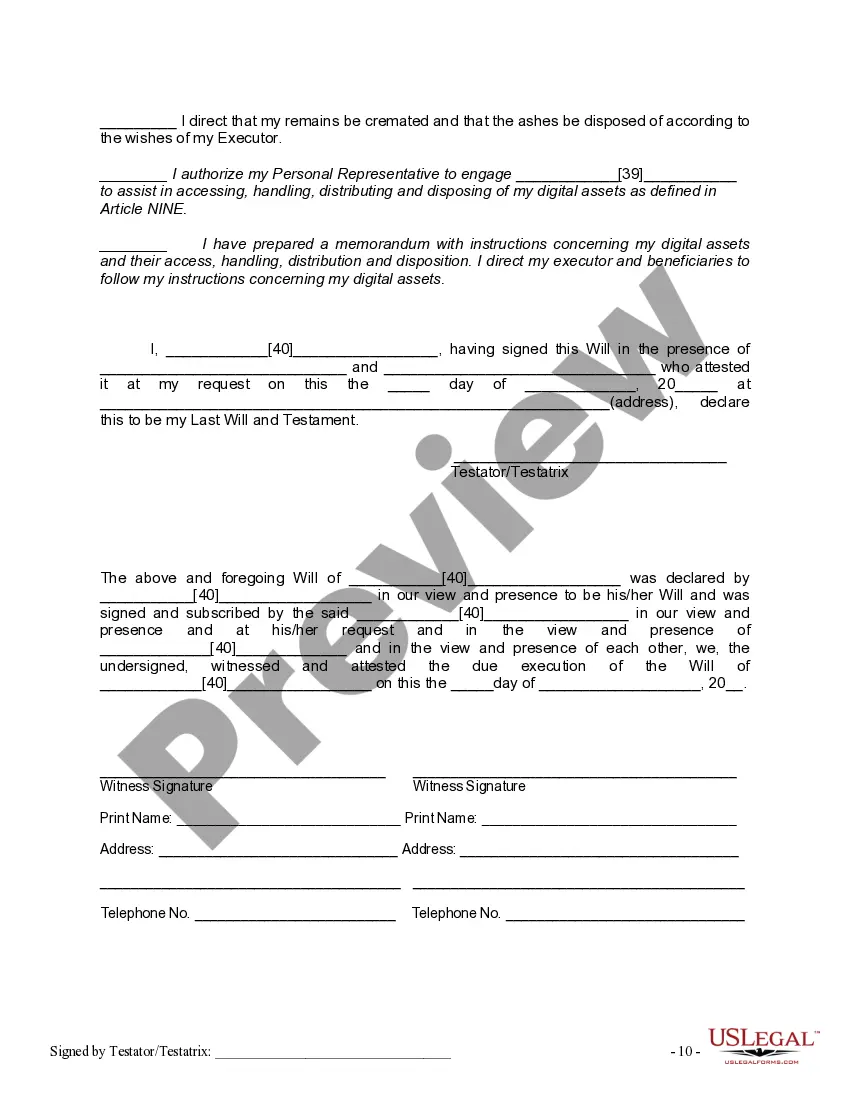
- Sign the wills in front of two witnesses who do not inherit from the will.
Is notarization required?
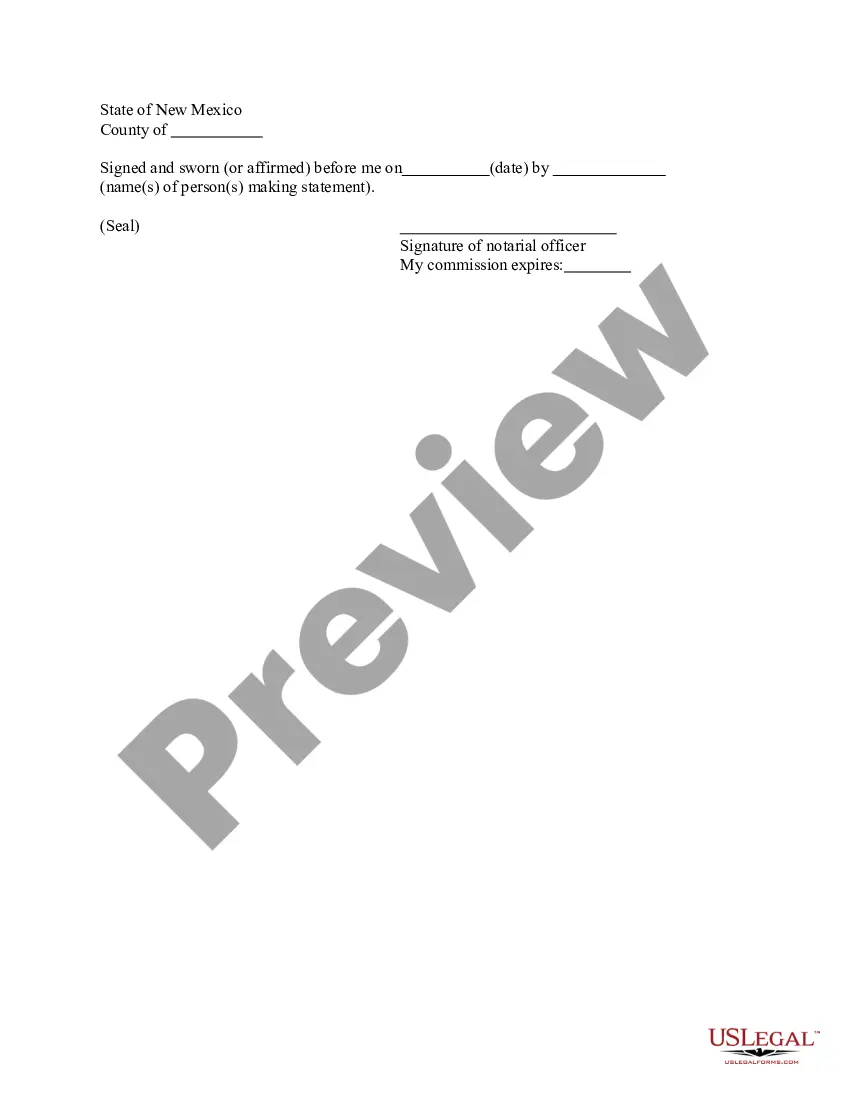
Yes, this form must be notarized to be legally valid. The self-proving affidavit included in the package helps simplify the probate process by ensuring that signatures can be verified. US Legal Forms offers integrated online notarization for a secure and convenient experience.
Get your form ready online
Our built-in tools help you complete, sign, share, and store your documents in one place.
Make edits, fill in missing information, and update formatting in US Legal Forms—just like you would in MS Word.
Download a copy, print it, send it by email, or mail it via USPS—whatever works best for your next step.
Sign and collect signatures with our SignNow integration. Send to multiple recipients, set reminders, and more. Go Premium to unlock E-Sign.
If this form requires notarization, complete it online through a secure video call—no need to meet a notary in person or wait for an appointment.
We protect your documents and personal data by following strict security and privacy standards.

Make edits, fill in missing information, and update formatting in US Legal Forms—just like you would in MS Word.

Download a copy, print it, send it by email, or mail it via USPS—whatever works best for your next step.

Sign and collect signatures with our SignNow integration. Send to multiple recipients, set reminders, and more. Go Premium to unlock E-Sign.

If this form requires notarization, complete it online through a secure video call—no need to meet a notary in person or wait for an appointment.

We protect your documents and personal data by following strict security and privacy standards.
Mistakes to watch out for
- Failing to have the wills signed by two witnesses and a notary if required.
- Not clearly identifying beneficiaries or specific property allocations.
- Overlooking the need for updates if family circumstances change.
- Assuming mutual wills are not legally binding if not executed properly.
Benefits of using this form online
- Convenient online access to customized forms, allowing users to fill in their details easily.
- Editability ensures that users can change provisions based on evolving personal circumstances.
- Professional drafting by licensed attorneys ensures that the wills meet legal standards.
What to keep in mind
- This Mutual Wills Package serves to document the last wishes of partners living together, ensuring both individuals are provided for after death.
- It is crucial to have witnesses present for signing to validate the documents legally.
- The form is structured to meet specific state regulations, making execution straightforward and compliant with local laws.
- By using this form online, users can conveniently edit, save, and print their wills safely from home.
Looking for another form?





Form popularity
FAQ
Create the initial document. Start by titling the document Last Will and Testament" and including your full legal name and address. Designate an executor. Appoint a guardian. Name the beneficiaries. Designate the assets. Ask witnesses to sign your will. Store your will in a safe place.
No, in Maryland, you do not need to notarize your will to make it legal. Maryland does allow you to make your will "self-proving," which speeds up probate because the court can accept the will without contacting the witnesses who signed it.
No, in Maryland, you do not need to notarize your will to make it legal. Maryland does allow you to make your will "self-proving," which speeds up probate because the court can accept the will without contacting the witnesses who signed it.
Maryland law requires that your will be in writing, signed by the testator (you) and witnessed by two individuals in the testator's presence. This is called "executing a will." When you are ready to execute your will, you should have at least two witnesses, although three is better.
After someone dies, Maryland law does not provide a precise time limit or deadline for filing that person's will with the Register of Wills. However, whoever has the will (or finds the will) must file it promptly after the person dies.
Is a holographic (handwritten) Will legal in Maryland ? Yes, if it complies with Maryland Law.
While you can write your own last will and testament, it's very important to follow your state's requirements. If the court finds it invalid, someone other than your chosen executor could handle your estate and distribute your assets differently than you intended.
Maryland law requires that your will be in writing, signed by the testator (you) and witnessed by two individuals in the testator's presence. This is called "executing a will." When you are ready to execute your will, you should have at least two witnesses, although three is better.
For a codicil to be valid in Maryland, it must be in writing, signed by the testator, and the testator's signature must be witnessed by two independent witnesses. In addition, the testator must have the requisite testamentary capacity to execute a codicil.