Massachusetts Letter from Tenant to Landlord for Failure of Landlord to comply with building codes affecting health and safety or resulting in untenantable condition - demand for remedy
Understanding this form
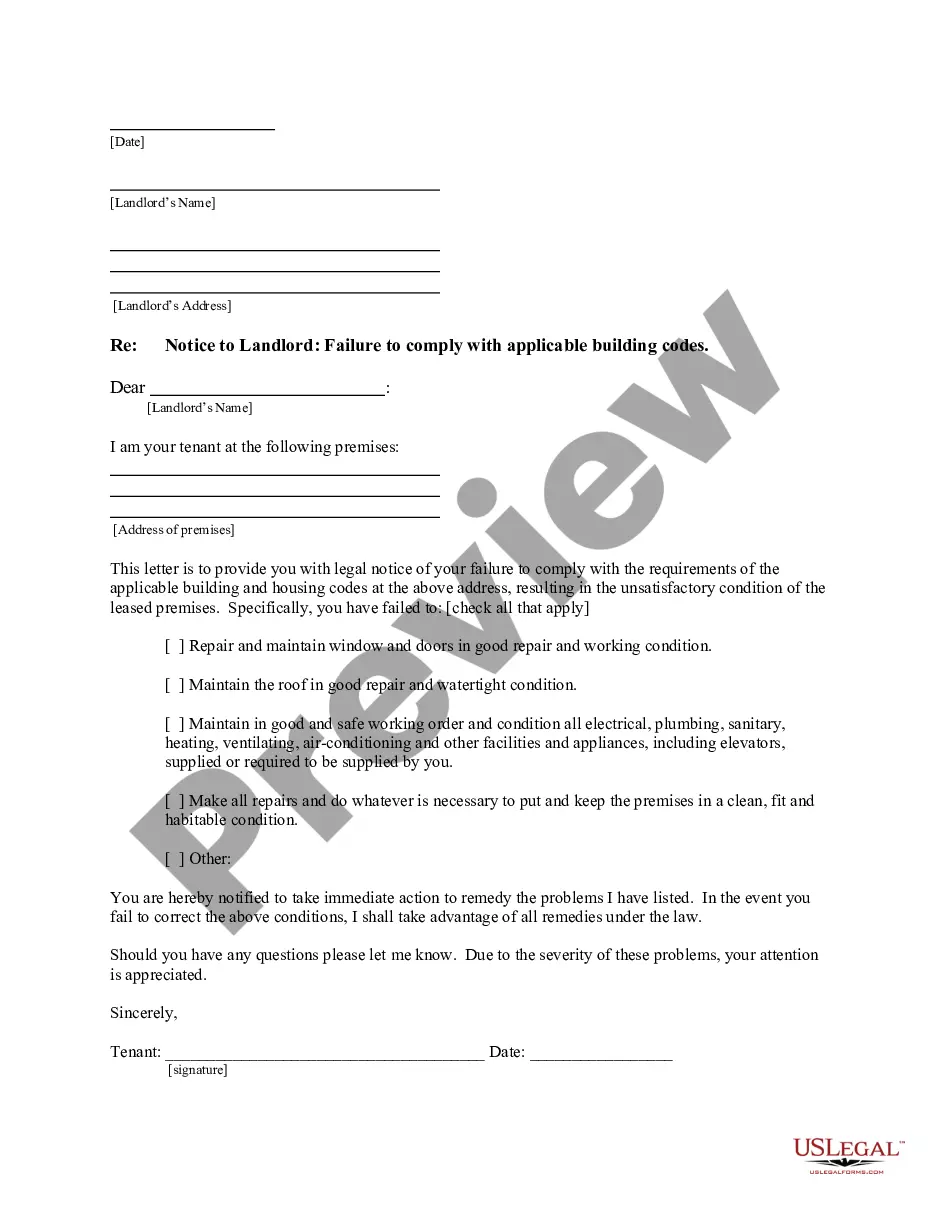
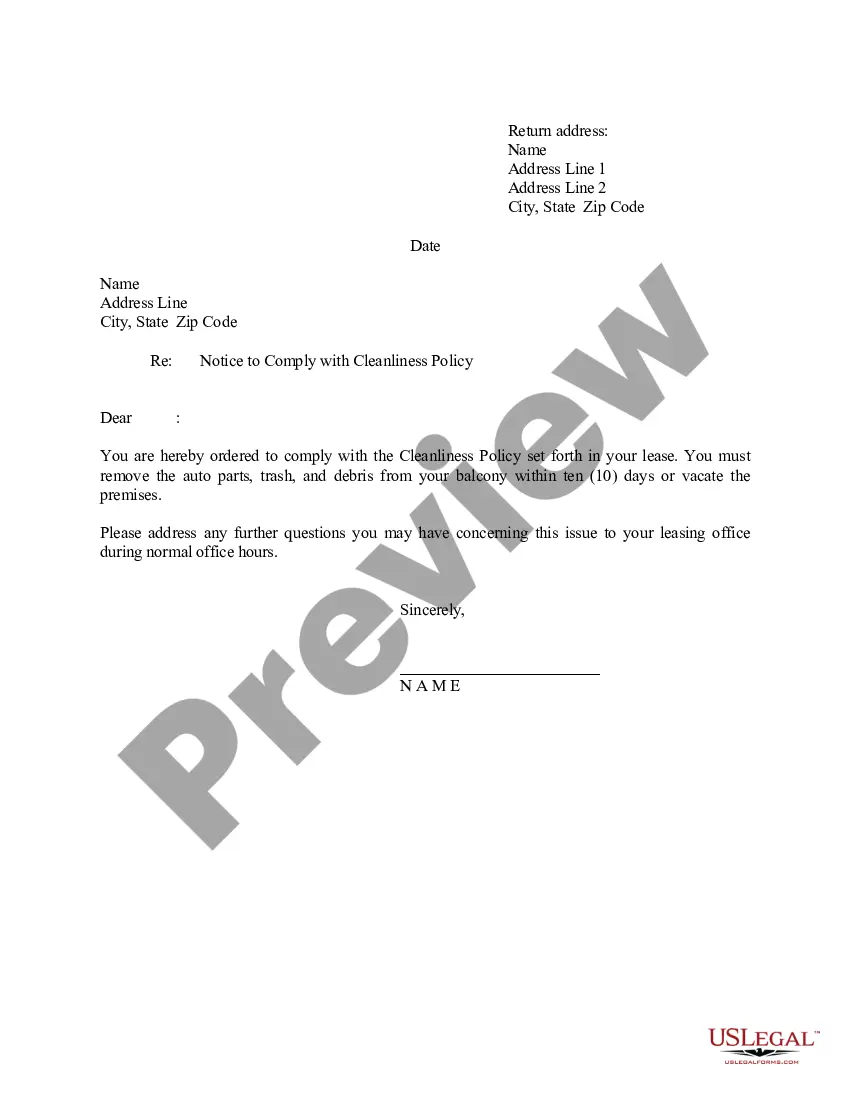
This form is a Letter from Tenant to Landlord for Failure of Landlord to comply with building codes affecting health and safety or resulting in untenantable condition. It serves as a demand letter requiring the landlord to repair unsafe or unhealthy conditions within the leased premises. Unlike other tenant-landlord forms, this document specifically addresses compliance with building codes and the urgency for remedy, allowing tenants to assert their rights and seek necessary repairs promptly.
Form components explained
- Identification of the tenant and landlord
- Description of the specific building code violations
- Demand for repairs within ten days
- Signature of the tenant
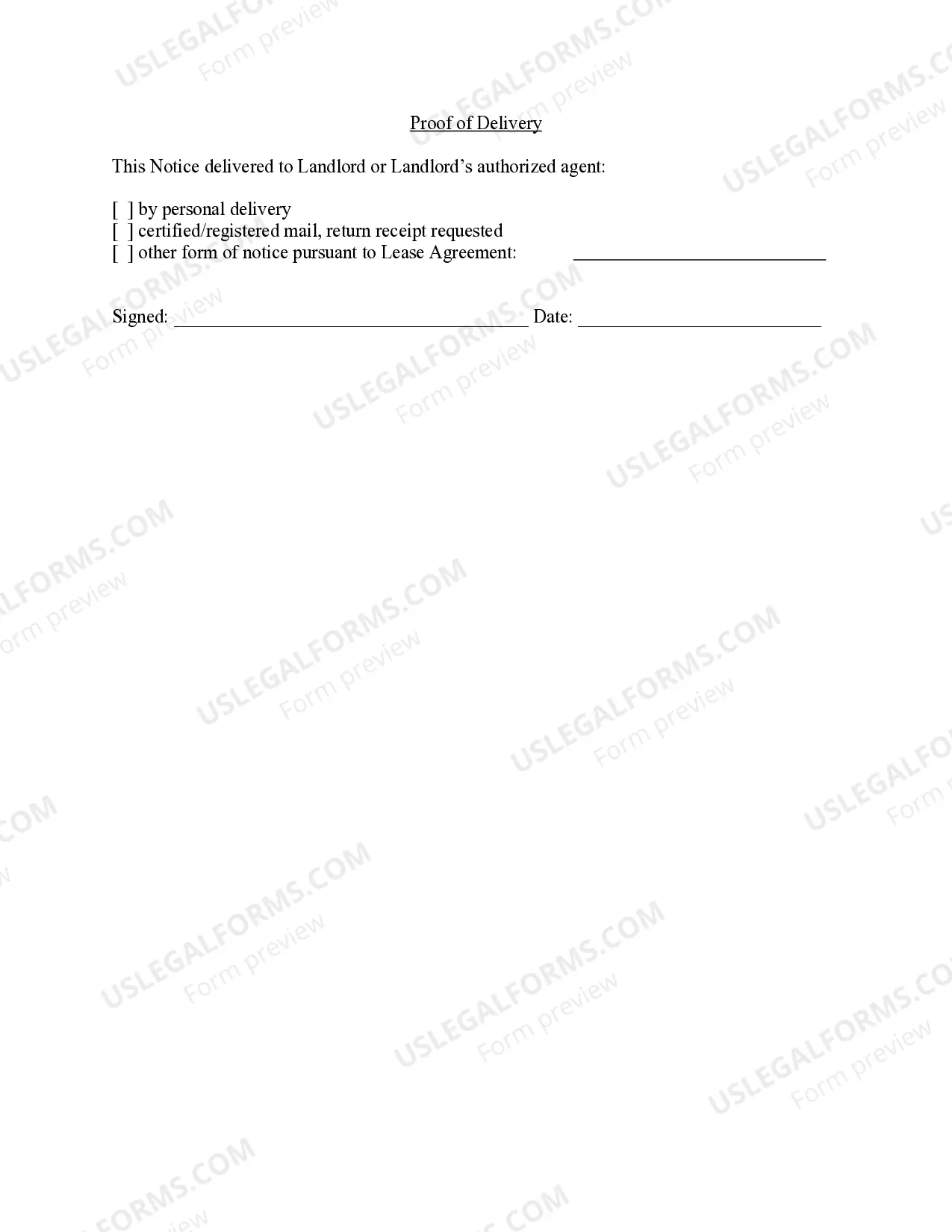
- Proof of delivery section for confirming notice


When to use this form
This form should be used when a tenant identifies that the rental property has deficiencies that violate building codes, resulting in unsafe or unhealthy living conditions. If the landlord has failed to make necessary repairs or address these issues within a reasonable time frame, this letter helps initiate a formal demand for remedy.
Who this form is for
- Tenants experiencing health and safety issues in their rental property
- Tenants looking to ensure compliance with building codes by their landlord
- Individuals seeking to document their demand for repairs formally
Completing this form step by step
- Identify both parties by filling in the tenant's and landlord's names.
- Clearly describe the building code violations and the unsafe conditions observed.
- Specify a deadline for repairs, typically within ten days.
- Sign and date the letter to validate the demand.
- Deliver the letter to the landlord or their authorized agent, documenting the delivery.
Is notarization required?
This form does not typically require notarization unless specified by local law. However, it is advisable to follow any additional requirements your state may impose regarding notice delivery and tenant-landlord communications.
Get your form ready online
Our built-in tools help you complete, sign, share, and store your documents in one place.
Make edits, fill in missing information, and update formatting in US Legal Forms—just like you would in MS Word.
Download a copy, print it, send it by email, or mail it via USPS—whatever works best for your next step.
Sign and collect signatures with our SignNow integration. Send to multiple recipients, set reminders, and more. Go Premium to unlock E-Sign.
If this form requires notarization, complete it online through a secure video call—no need to meet a notary in person or wait for an appointment.
We protect your documents and personal data by following strict security and privacy standards.

Make edits, fill in missing information, and update formatting in US Legal Forms—just like you would in MS Word.

Download a copy, print it, send it by email, or mail it via USPS—whatever works best for your next step.

Sign and collect signatures with our SignNow integration. Send to multiple recipients, set reminders, and more. Go Premium to unlock E-Sign.

If this form requires notarization, complete it online through a secure video call—no need to meet a notary in person or wait for an appointment.

We protect your documents and personal data by following strict security and privacy standards.
Avoid these common issues
- Failing to specify the exact violations affecting health and safety.
- Not including a clear deadline for the landlord to respond.
- Neglecting to keep a copy of the delivered letter for personal records.
Benefits of using this form online
- Convenient access to a legally sound template drafted by licensed attorneys.
- Editable to meet your specific situation and needs.
- Instant downloads ensure you can act quickly on necessary repairs.
Summary of main points
- This letter is an essential tool for tenants facing unsafe living conditions.
- It requires the landlord to address critical repairs promptly.
- Proper completion and delivery of this form help protect tenant rights under state laws.
Looking for another form?

Form popularity
FAQ
If you complain about your landlord being dishonest or unfair. You should ask for your problem to be looked at by the Trading Standards team at the council who deal with all complaints about dishonest and unfair trading.Contact your nearest Citizens Advice if you need help making a complaint.
If your landlord breaches the warranty of habitability or the warranty of quiet enjoyment, you may be able to sue her to recover monetary damages.In some states, such as California and Arizona, you may be able to seek emotional distress damages if the landlord's actions were particularly egregious.
Find help and resolve a dispute In addition, the Massachusetts Communities and Development Housing Services Program or the local housing court can help resolve a dispute between a landlord and a tenant. If you need help, please contact the Attorney General's Consumer Hotline at (617) 727-8400.
Tenant Rights to Withhold Rent in MassachusettsTenants may withhold rent or exercise the right to repair and deduct if a landlord fails to take care of important repairs, such as a broken heater. For specifics, see Massachusetts Tenant Rights to Withhold Rent or Repair and Deduct.
Review Your Lease Before You Sign. You want to make sure you are following the terms of your lease. Research Local Laws. Keep Records. Pay Your Rent. Maintain Respectful Communication. Seek an Agreeable Solution. Request Repairs in Writing. What Do You Think?
The landlord is given five days from the date of notice to begin repairs or to contract for outside services and 14 days to substantially complete all necessary repairs. (The inspecting agency or court may shorten this time frame.)
If making a formal complaint to your landlord doesn't solve your problem you might be able to complain to your local council. Your local council can only help with complaints about: repairs that cause a risk to your health and safety not being done (e.g faulty electrical wiring not being fixed) illegal eviction.
If you're seeking damages for emotional distress caused by a landlord's discrimination, or punitive damages for especially blatant and intentional discrimination, a lawsuit may well be your best bet. Understand what's involved in suing your landlord. You may file a lawsuit in either federal or state court.