If it's proven that the interception was not justified, any evidence collected might be thrown out in court. It’s like trying to use a key that doesn’t fit the lock—no access, no go.
Yes, there are time limits. Typically, the interception can only last for a certain period, kind of like a ticking clock that ensures it's not open-ended.
Generally, this includes phone calls, texts, and even online chats. It’s all about capturing conversations that could reveal criminal activity, like catching whispers in the dark.
It can take a little time, but the court usually acts quickly if they believe there's a good reason. It's like waiting for a green light at an intersection—sometimes you just have to be patient.
You'll need to show serious grounds—like evidence that a crime is happening. The court wants to be sure that this step is necessary for public safety, like having a good reason to pry open a locked door.
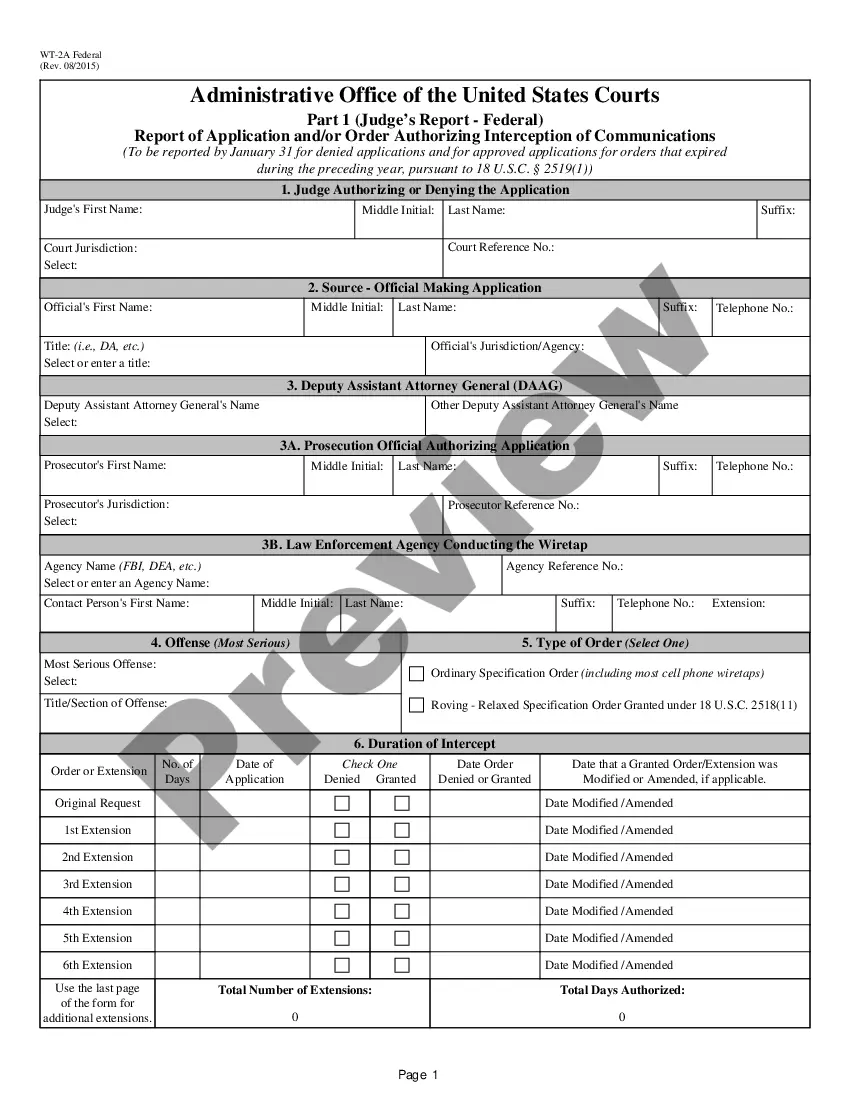
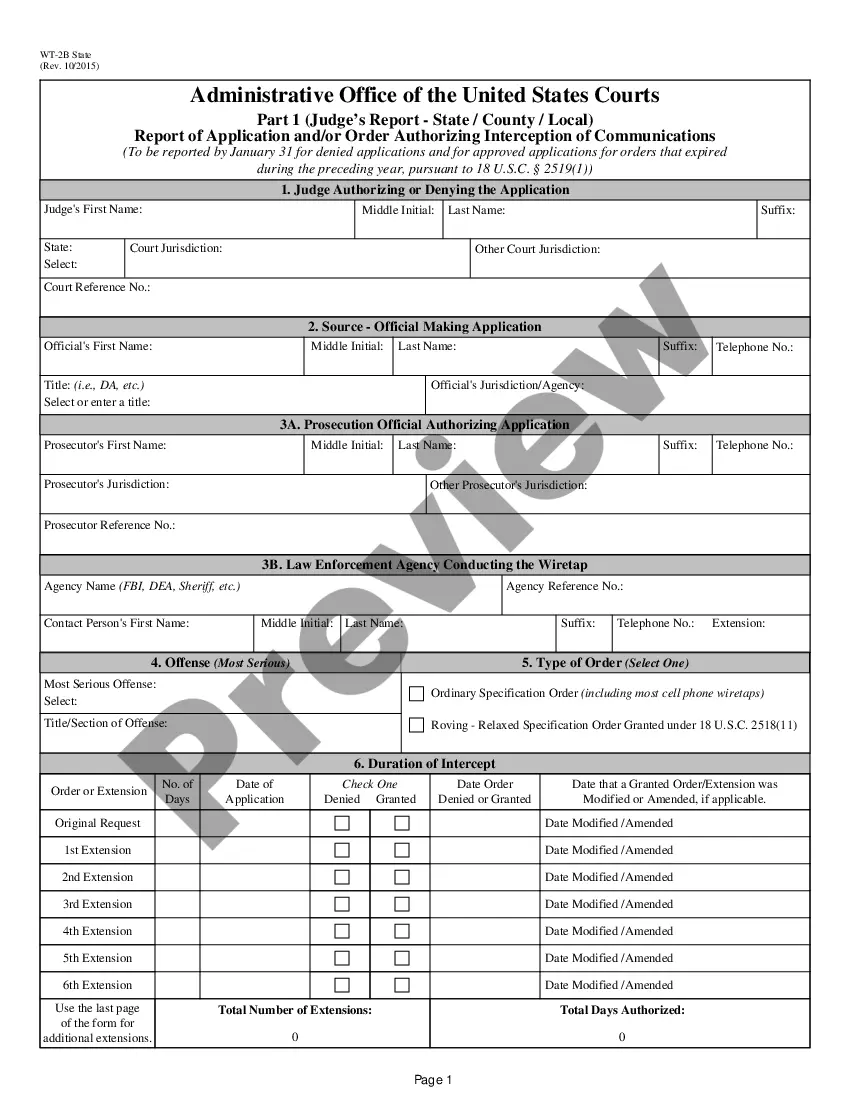
It's a formal request to a court to allow law enforcement to listen in on private conversations or messages. Think of it like getting a special pass to eavesdrop for safety reasons.