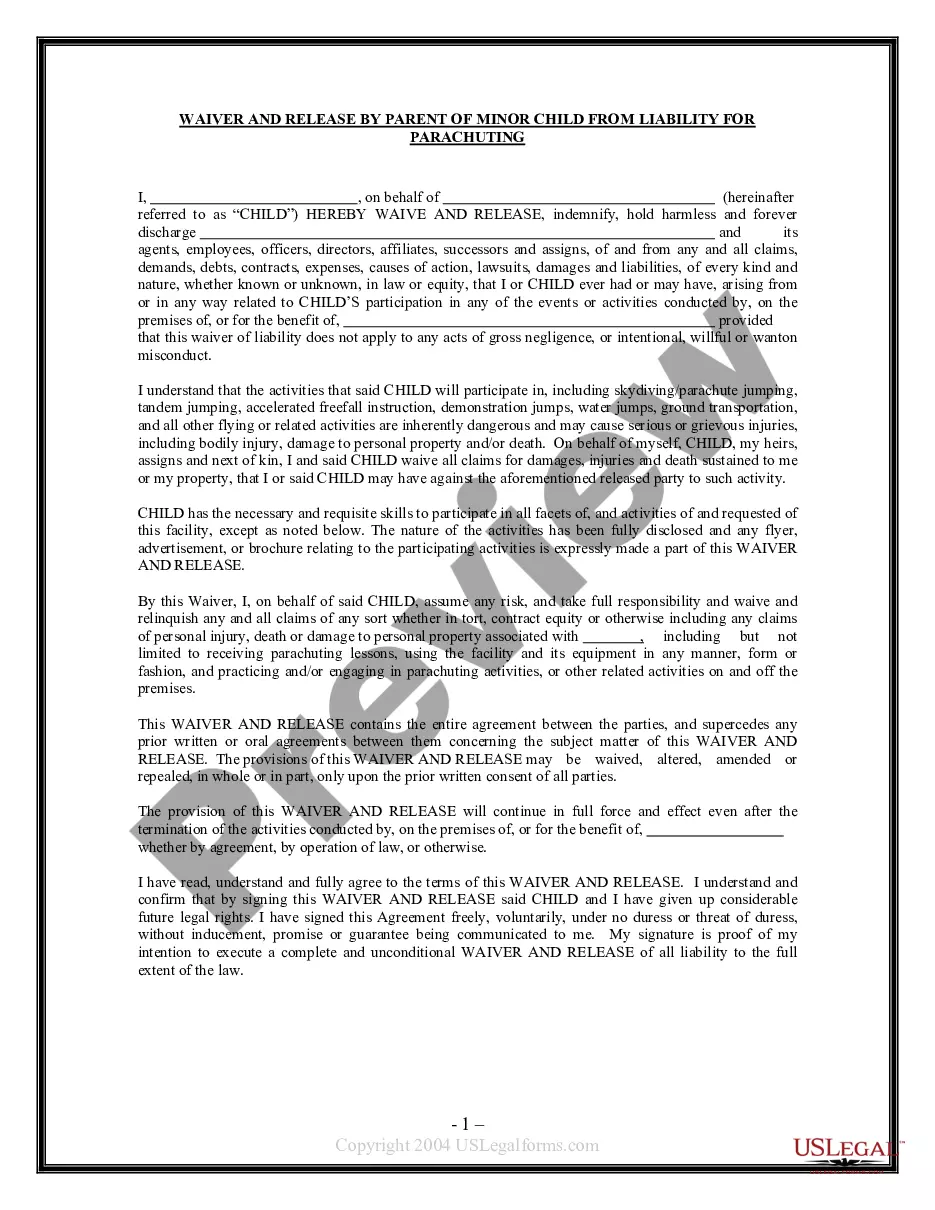
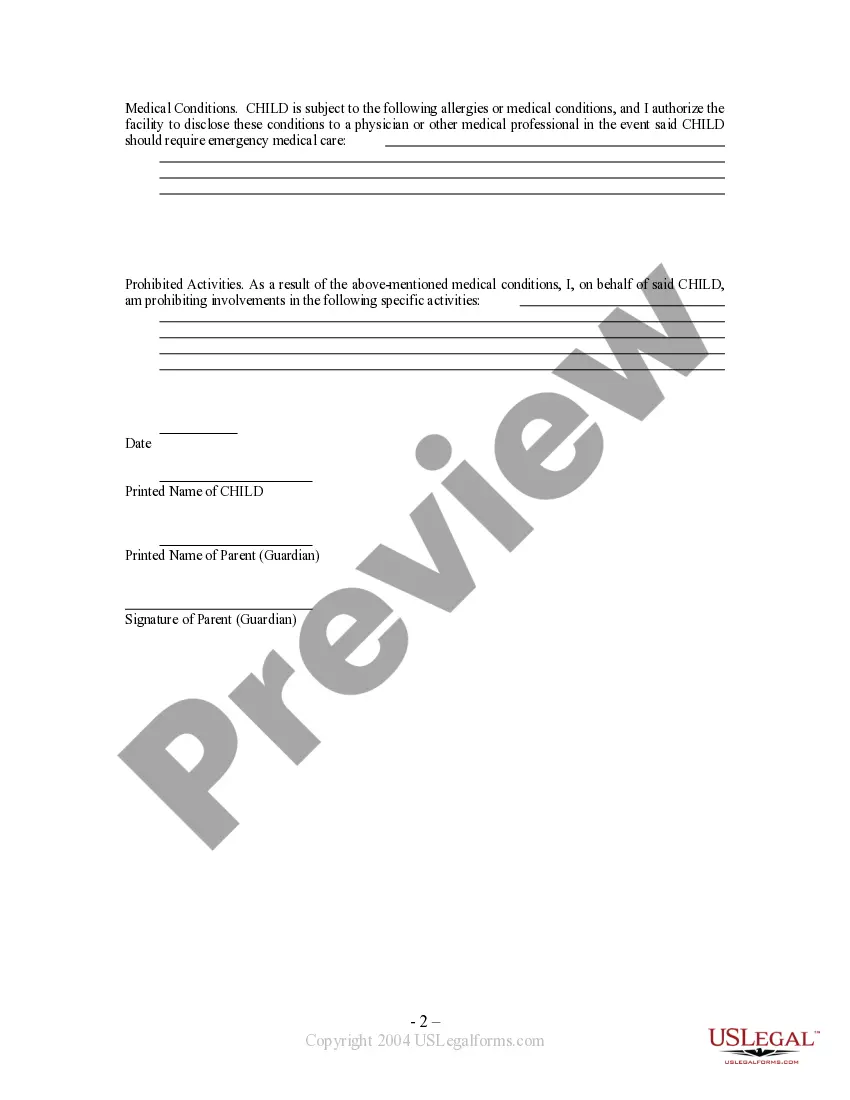
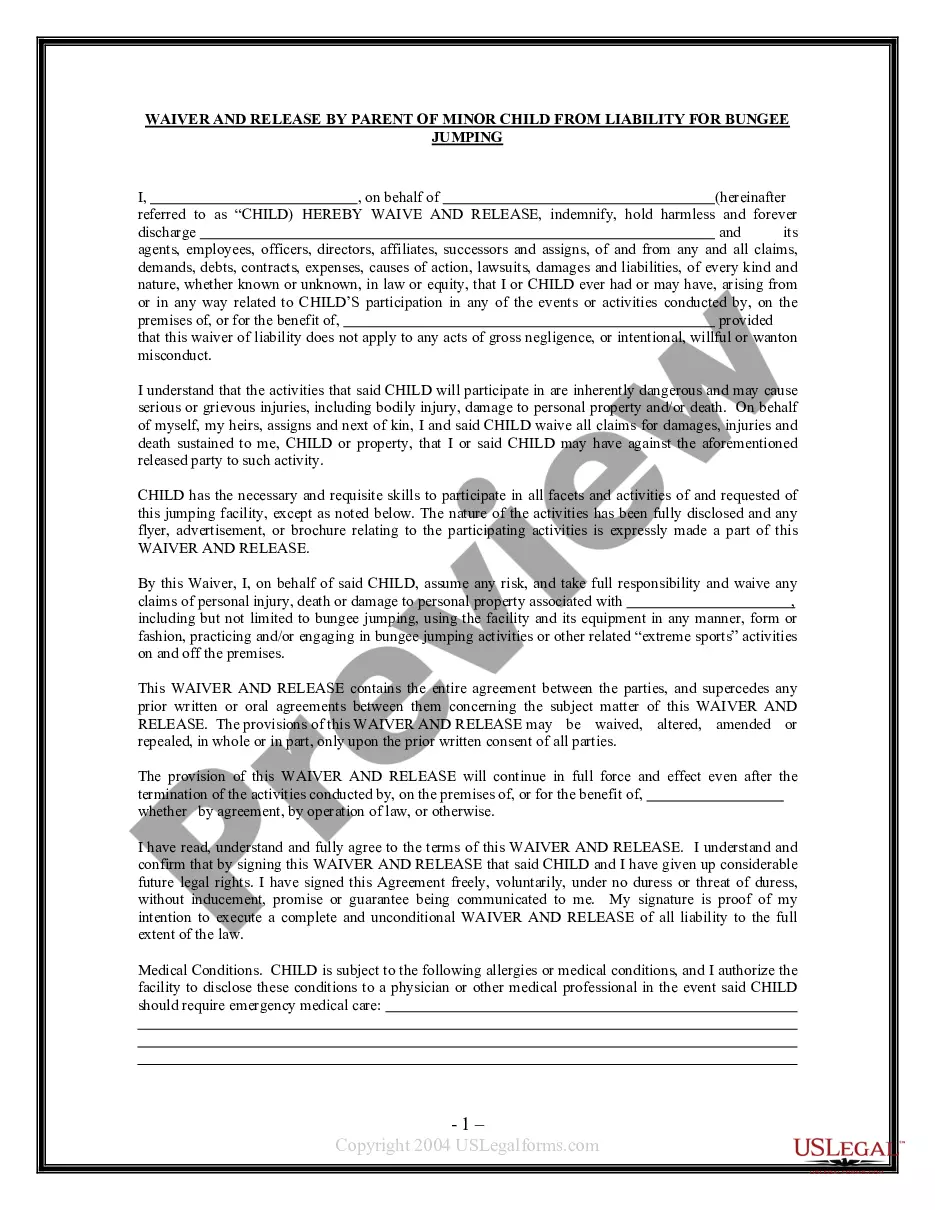
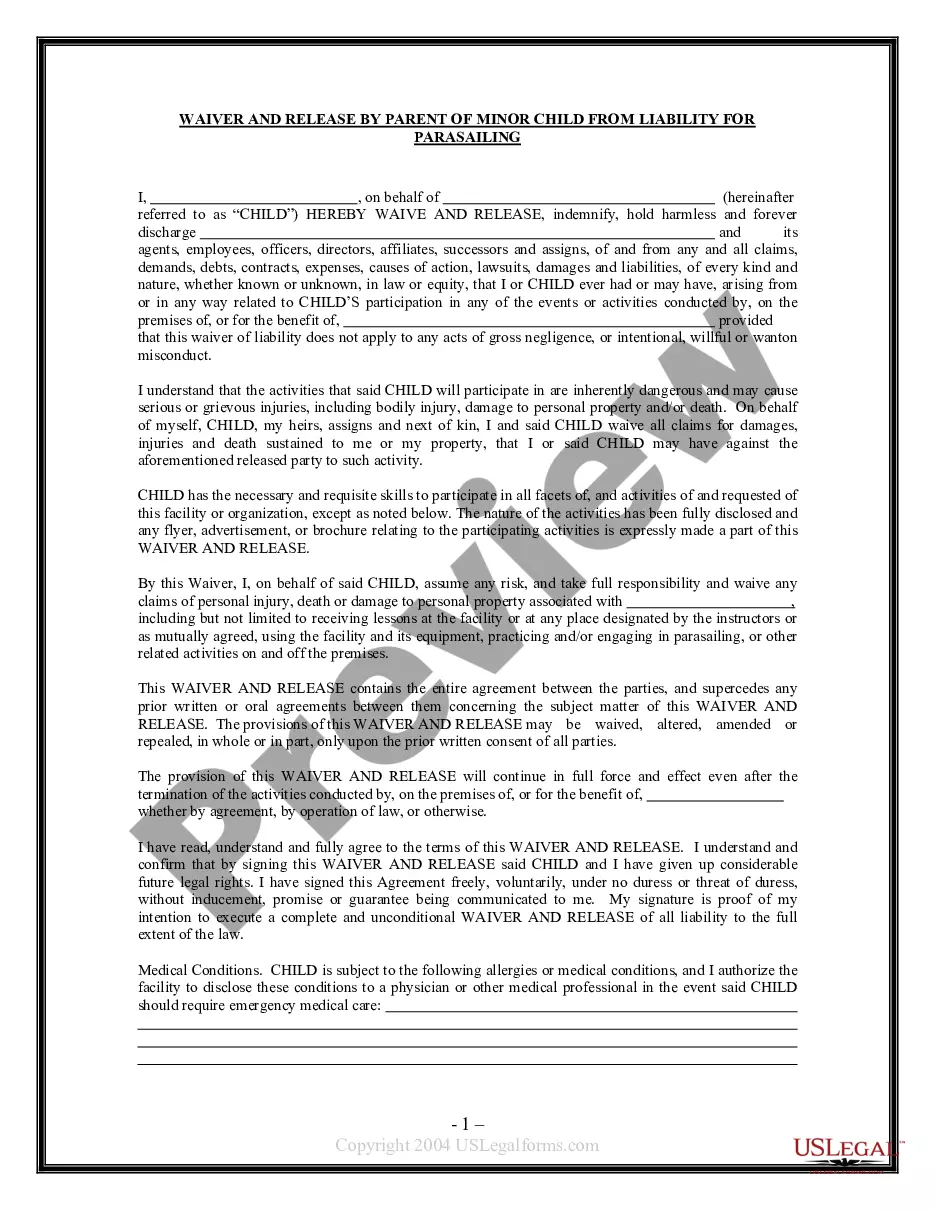
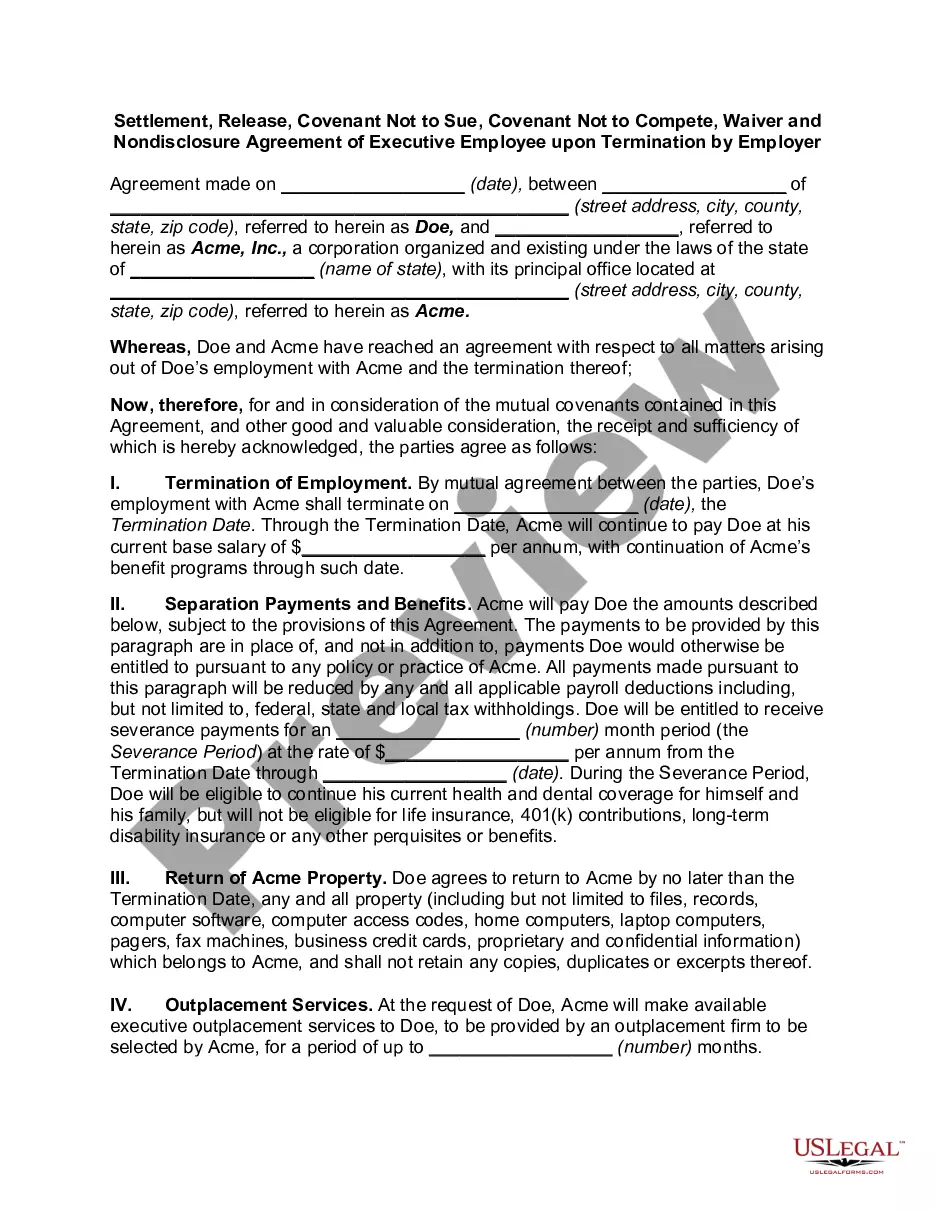
This form allows a parent or guardian to release a parachuting facility from liability for injuries which may be incurred by a minor child while on the premises, taking part in activities, etc.
Santa Clara California Waiver and Release From Liability For Minor Child for Parachuting
Category:
State:
Multi-State
County:
Santa Clara
Control #:
US-WAV-28M
Format:
Word;
Rich Text
Instant download
Description
Free preview
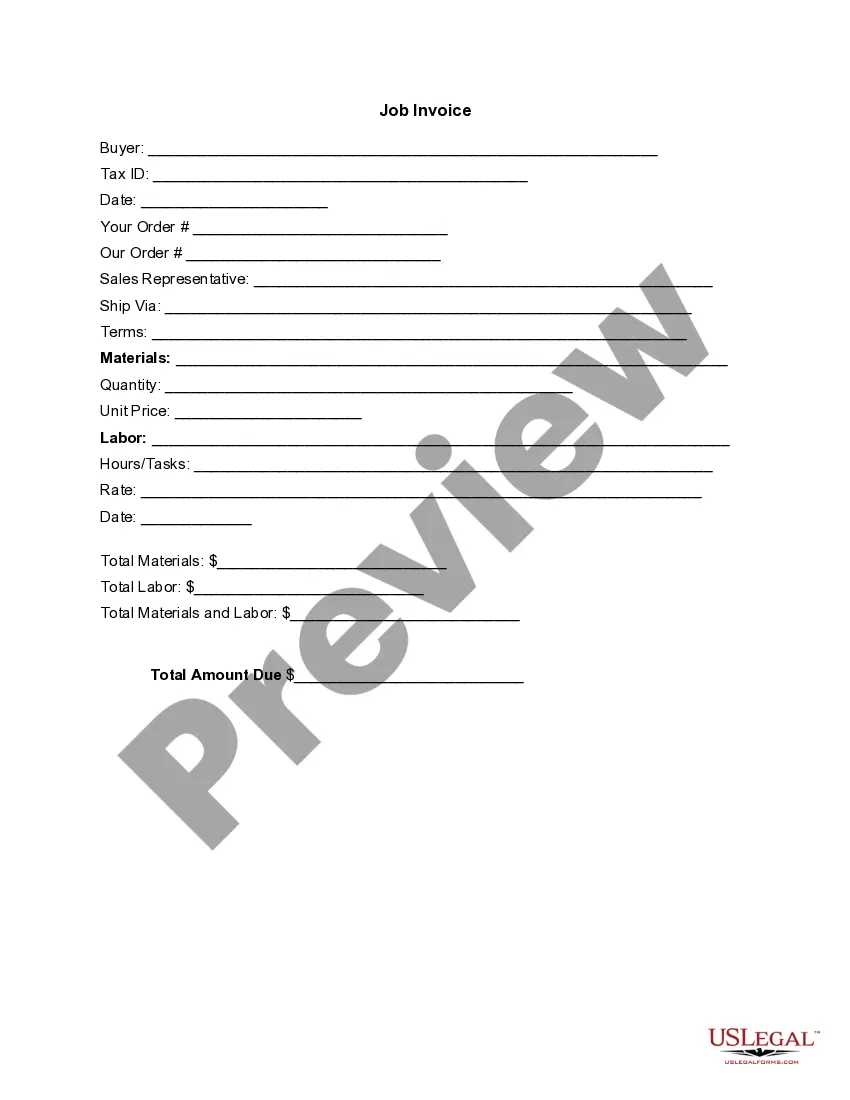
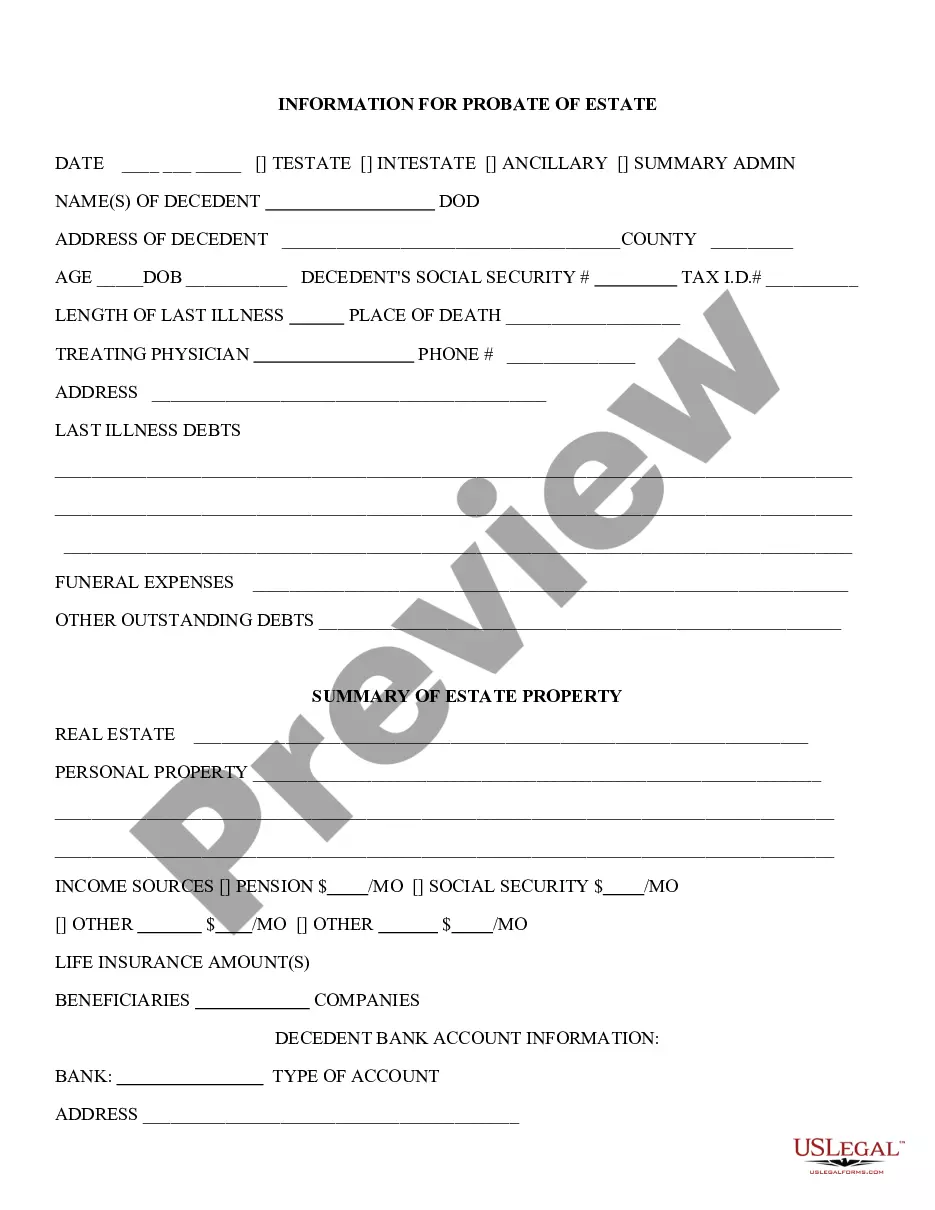
How to fill out Waiver And Release From Liability For Minor Child For Parachuting?
Creating legal documents, such as the Santa Clara Waiver and Release From Liability For Minor Child for Parachuting, can be a challenging and time-intensive endeavor. Many situations necessitate the involvement of a lawyer, which can render this process quite costly. However, you can take charge of your legal issues and handle them independently. US Legal Forms is ready to assist you. Our platform boasts over 85,000 legal documents tailored for various scenarios and life situations. We ensure each document complies with the laws of every state, so you need not worry about potential legal complications.
If you're already acquainted with our platform and hold a subscription with US, you know how simple it is to obtain the Santa Clara Waiver and Release From Liability For Minor Child for Parachuting form. Just Log In to your account, download the document, and customize it to suit your needs. Have you misplaced your document? No problem. You can retrieve it from the My documents section in your account, accessible on both desktop and mobile.
The onboarding process for new users is equally easy! Here’s what you need to do before obtaining the Santa Clara Waiver and Release From Liability For Minor Child for Parachuting: Ensure that your document is relevant to your state/county, as the laws governing the creation of legal documents can differ from one state to another. Explore more about the form by previewing it or reading through a brief description. If the Santa Clara Waiver and Release From Liability For Minor Child for Parachuting isn’t what you were expecting, utilize the search bar at the top to find an alternative. Create an account or Log In to begin using our service and obtain the document.
- Everything appears satisfactory on your end? Click the Buy now button and choose the subscription option.
- Pick a payment method and provide your payment details.
- Your document is set for download. You can attempt to download it.
- It's a straightforward process to find and purchase the right template through US Legal Forms.
- Countless businesses and individuals are already reaping the rewards of our vast collection.
- Subscribe now if you're interested in discovering additional benefits available with US Legal Forms!
Form popularity
FAQ
Enforceability of waiver clauses Waivers are also not new to the law. Nevertheless, corporate operators of businesses such as tourism and sports organisations have had limited success in relying on waivers, partly due to an implied warranty under the TPA that services provided will be rendered with due care and skill.
As far as adult injuries are concerned, waiver/releases can be very effective and may result in lawsuit dismissals in most states as long as the three above-listed conditions are satisfied. There are a few states where the courts are not likely to uphold a waiver/release even if those three conditions are met.
So, if an accident happens and injury occurs, is a Waiver effective in protecting the institution from liability and preventing a lawsuit from the injured party? The answer is that, if properly worded and signed, the Waiver is likely valid and will preclude legal claims for injuries.
Where a service provider is guilty of negligence or misconduct and the injury is a direct result of that negligence or misconduct, the liability waiver may be set aside and the injured participant can pursue compensation. Negligence occurs when the service provider has failed in their duty of care.
So, if an accident happens and injury occurs, is a Waiver effective in protecting the institution from liability and preventing a lawsuit from the injured party? The answer is that, if properly worded and signed, the Waiver is likely valid and will preclude legal claims for injuries.
I've signed a waiver. Does that mean I can't claim for compensation? The laws around waivers are complex, however if you've suffered an injury after signing a waiver it is still possible to make a compensation claim with the help of a legal expert.
In general, waivers of liability are enforceable in California so long as they have been drafted correctly and explicitly discuss the scope of coverage. Waivers also have to be legible and use high visibility text, and they cannot illegally waive unknown or unrelated claims.
Liability waivers, also known as waivers of liability, release forms, and hold harmless agreements , are legally binding documents. A participant, such as a customer or an employee, accepts risk and agrees to waive the company's liability for damages associated with inherent dangers.
A release of liability, also known as a liability waiver or a hold harmless agreement, is a contract in which one party agrees not to hold another party liable for damages or injury. These contracts are common in fields that involve some risk to property, finances, or health.
Here is all that pertains writing an effective liability waiver: Get help. Writing a waiver should not be complicated.Use the correct structure.Proper formatting.Include a subject line.Include a caution!Talk about the activity risks.Do not forget an assumption of risk.Hold harmless.