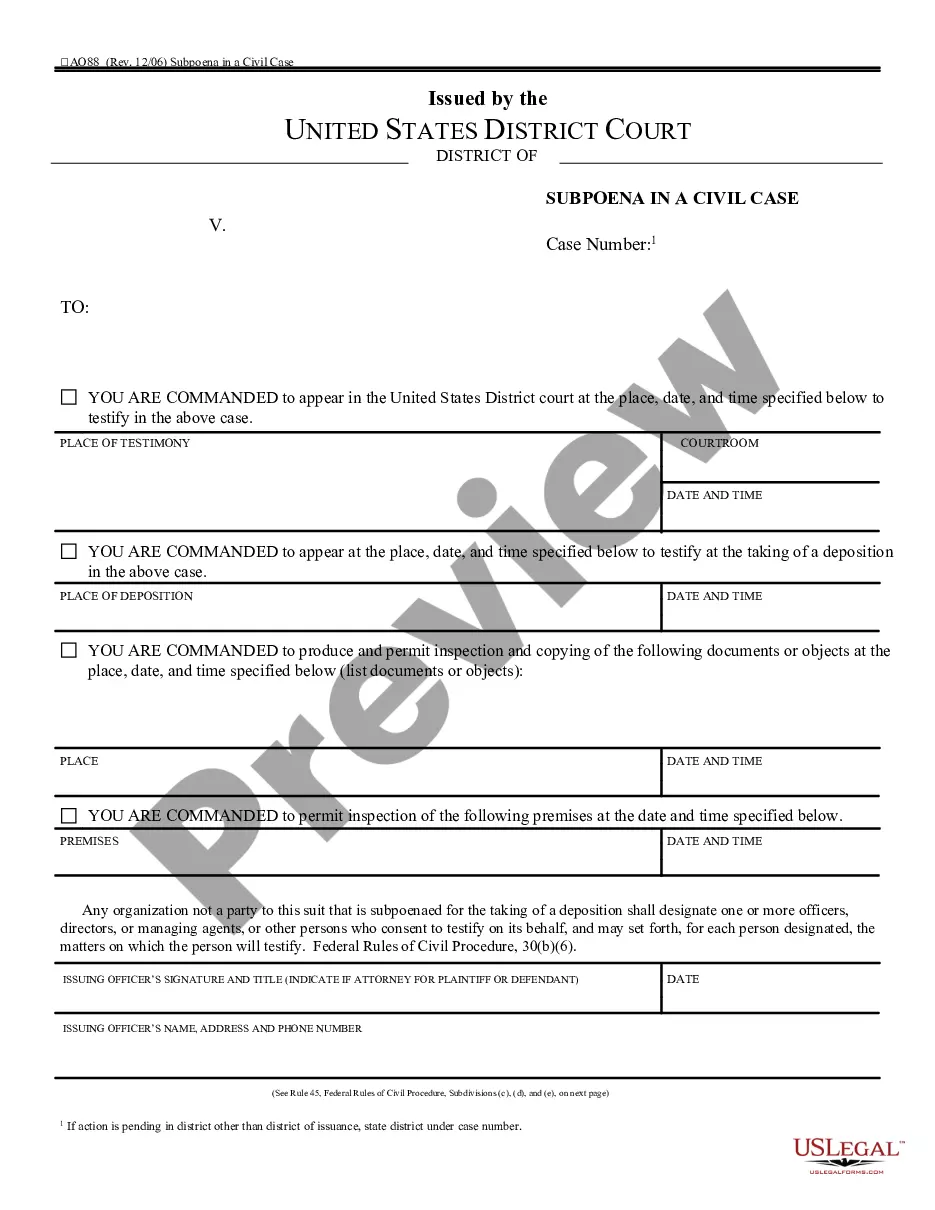
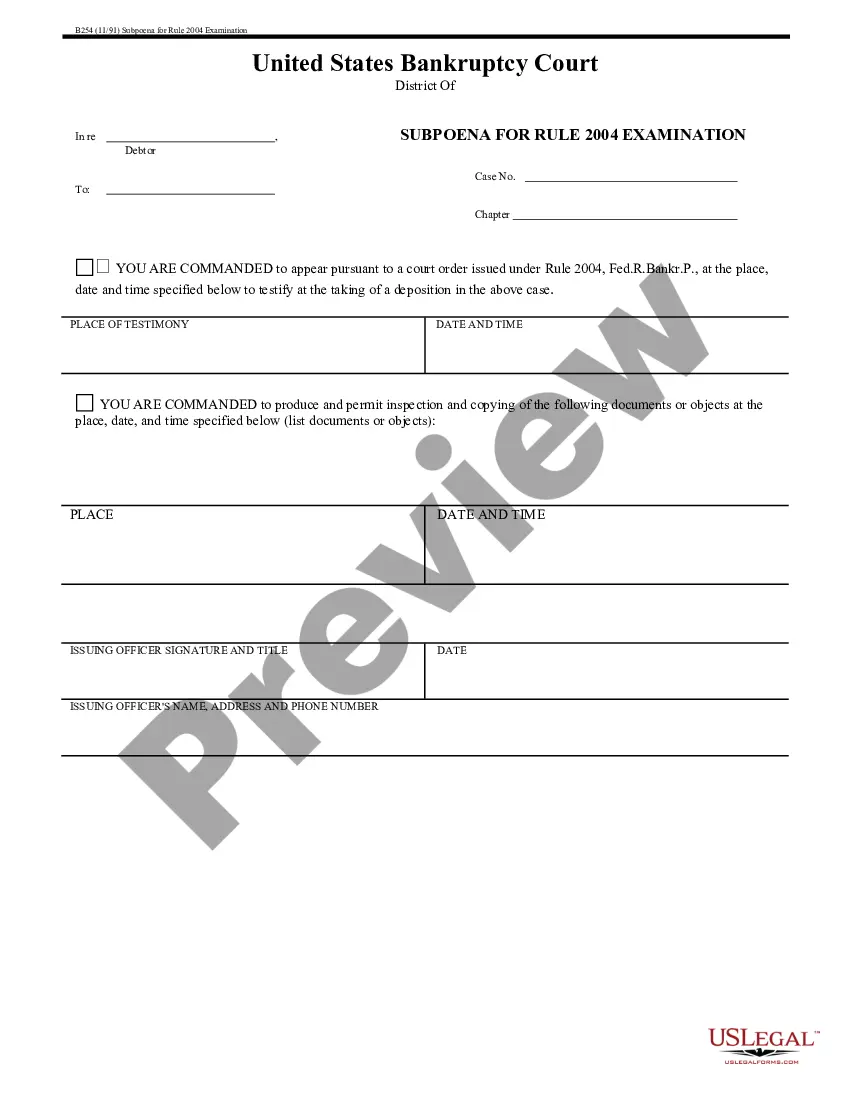
Absolutely! There are two main types - subpoena ad testificandum (to testify) and subpoena duces tecum (to produce documents). Each serves its own purpose in the legal world.
When in doubt, it's wise to consult with a lawyer. They can help clear the mud and guide you on the best path forward.
Yes, you can contest a subpoena if you believe it's unreasonable or overly broad. It's your right to voice concerns, but you might need to go to court to sort things out.
You have a few options - you can show up in court, provide the requested documents, or even challenge the subpoena if you think it's not right. Just make sure to follow through, or it could lead to trouble!
Typically, attorneys, judges, or certain government officials can issue a subpoena. It's like having the power to request someone's presence or documents in a legal matter.
A subpoena is a legal document that orders someone to appear in court or produce evidence. It's like a formal invitation you can't ignore!