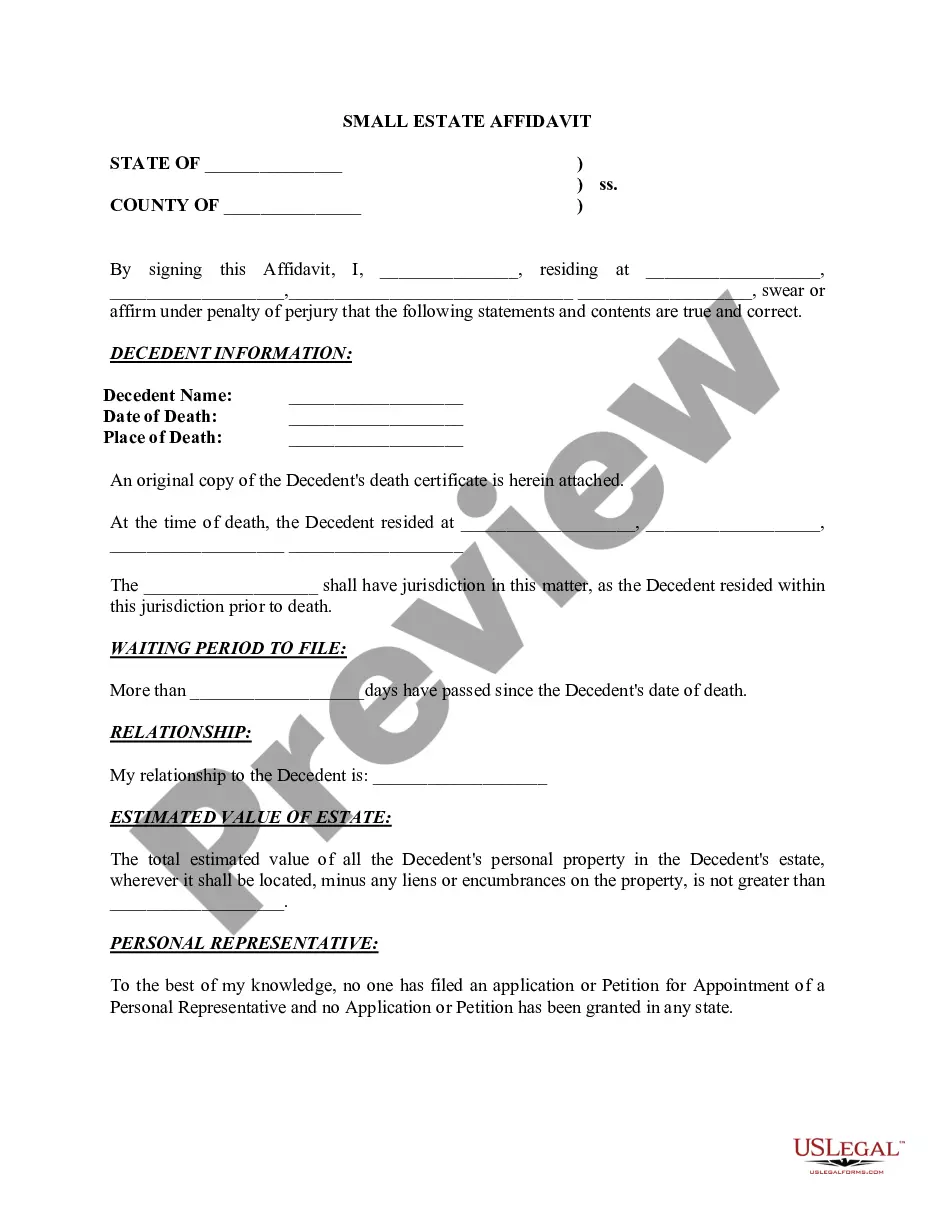
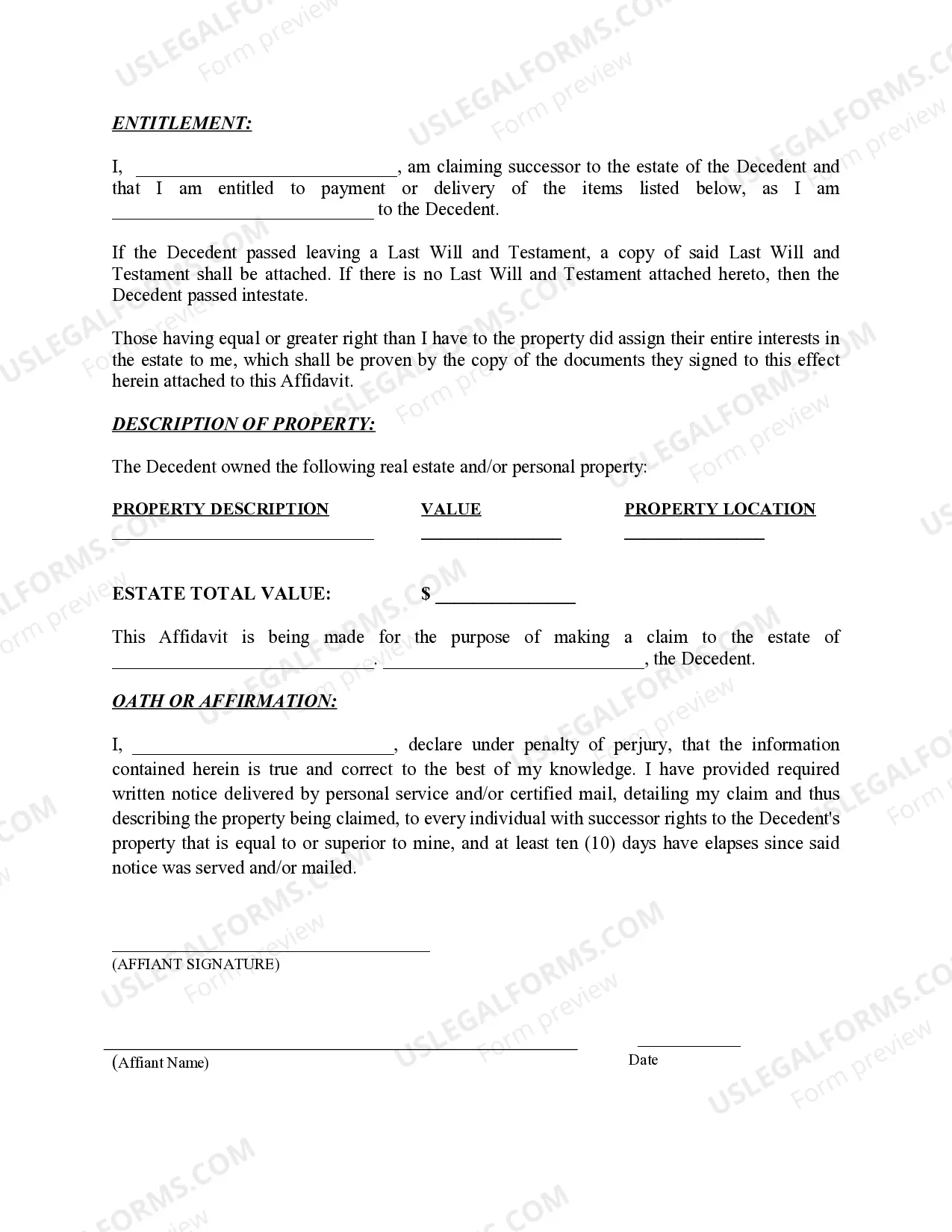
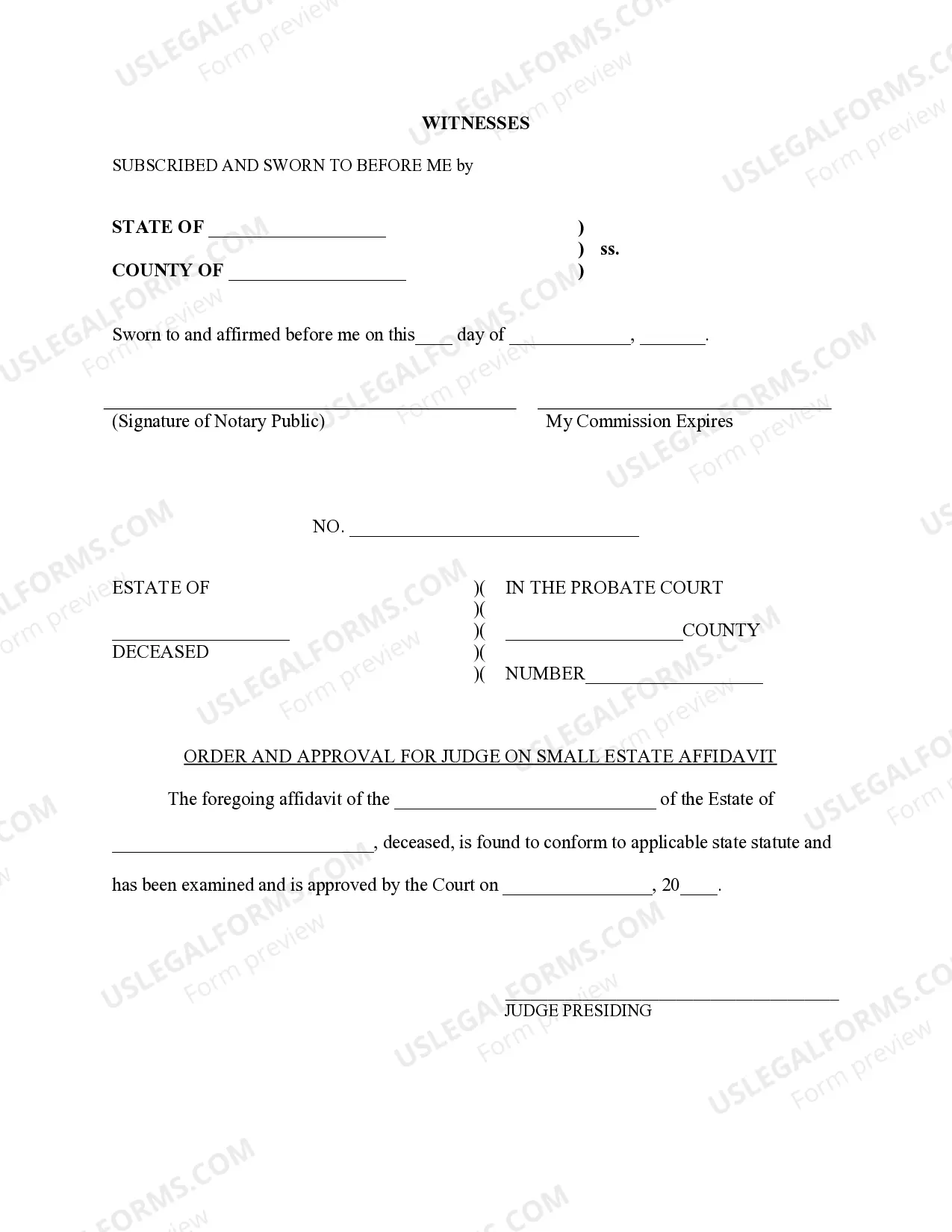
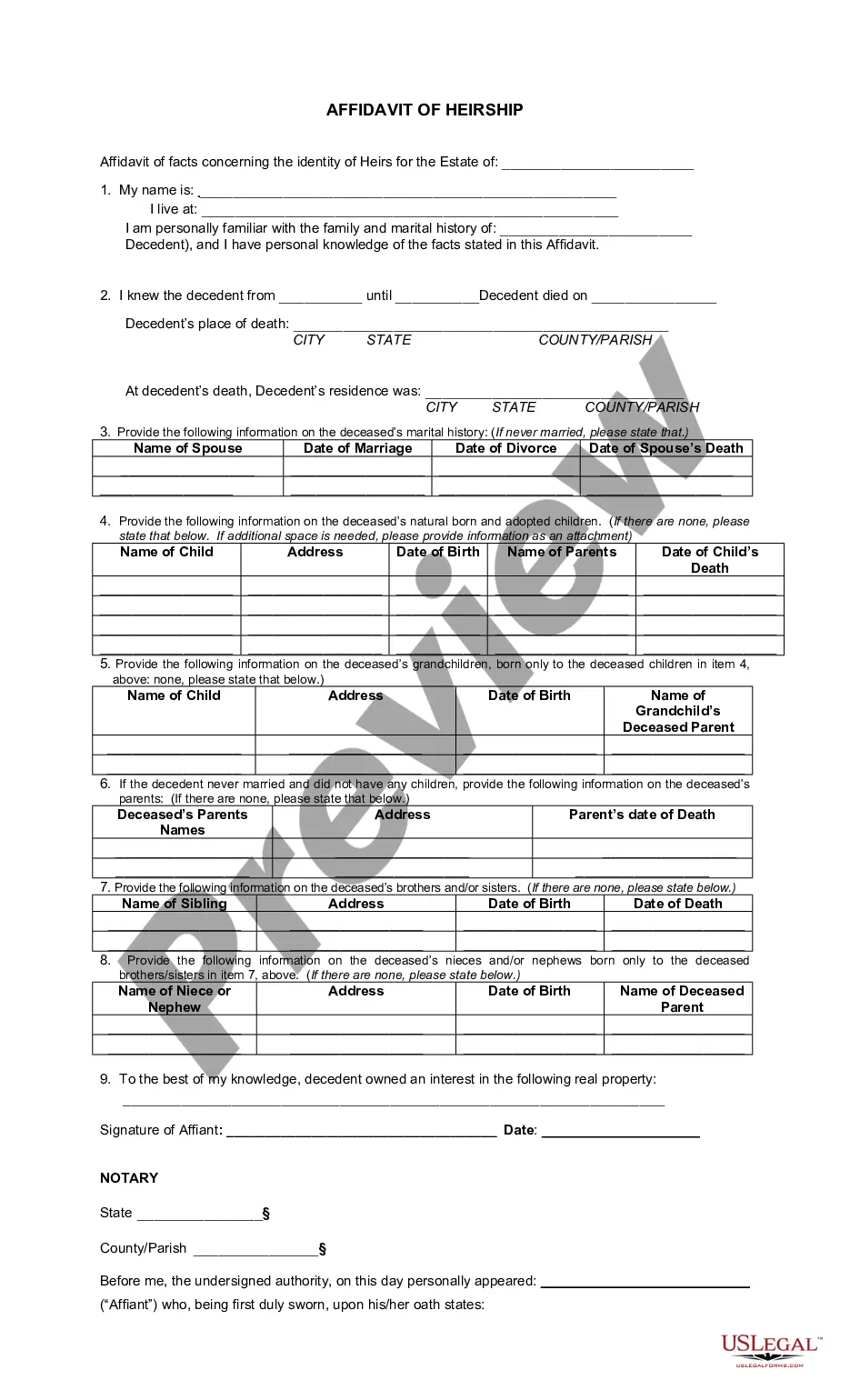
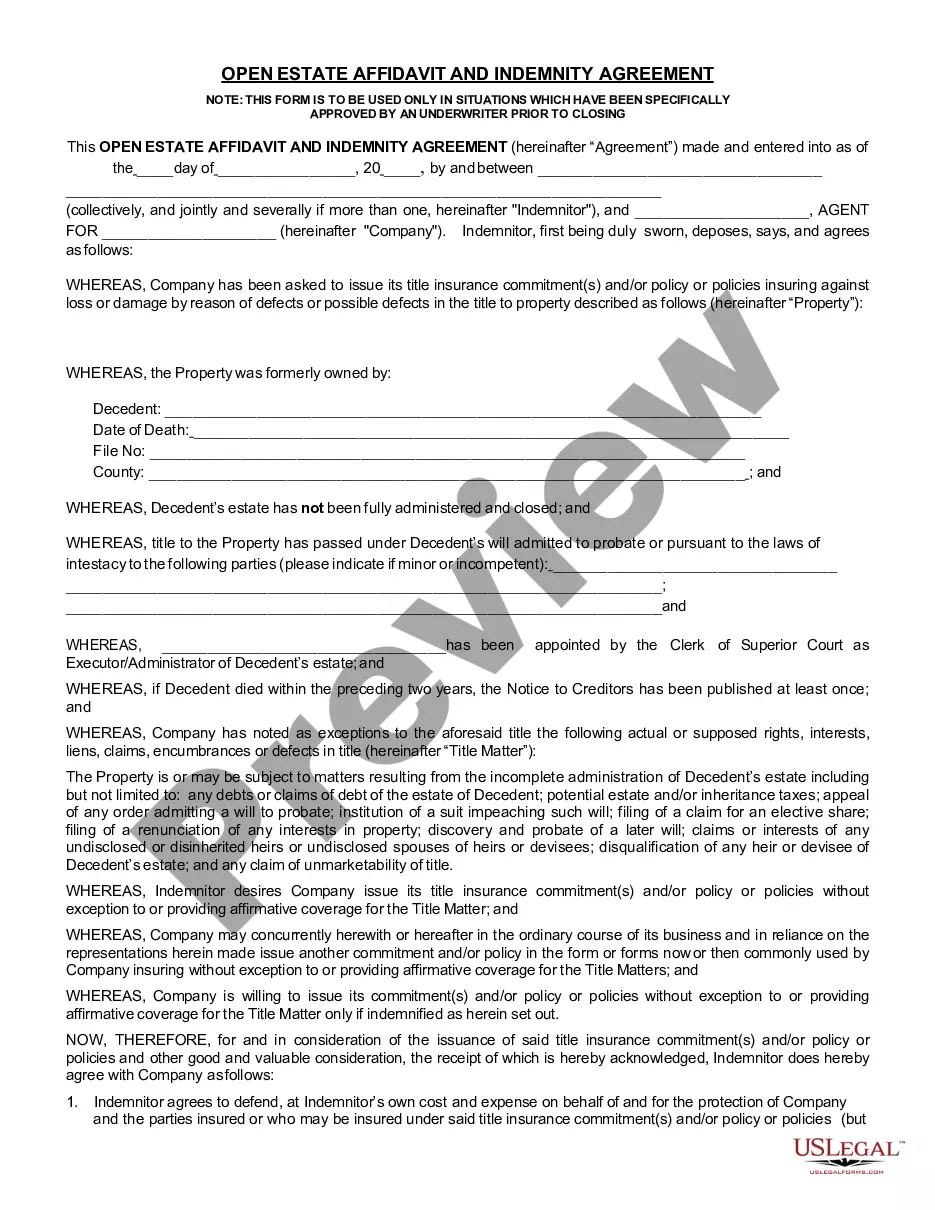
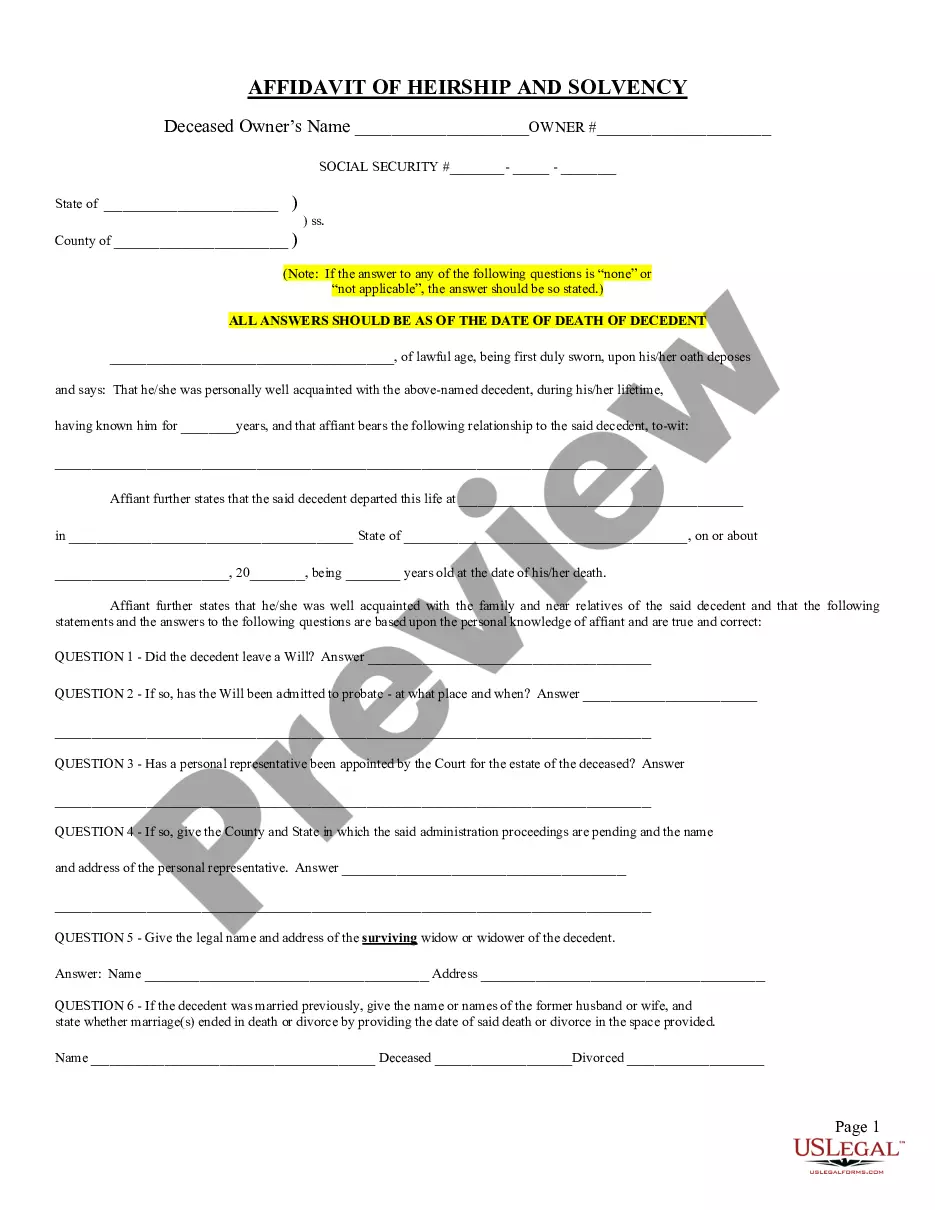
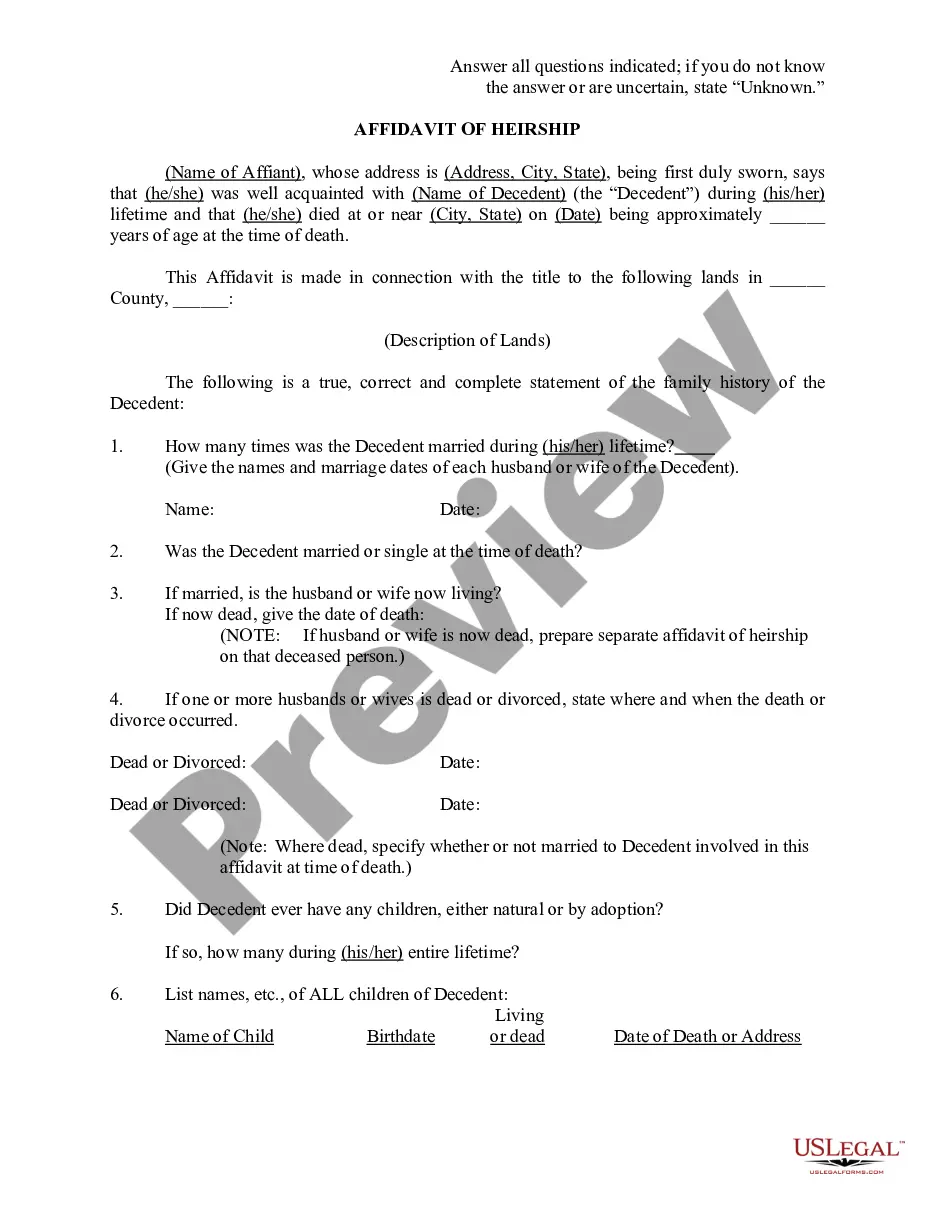
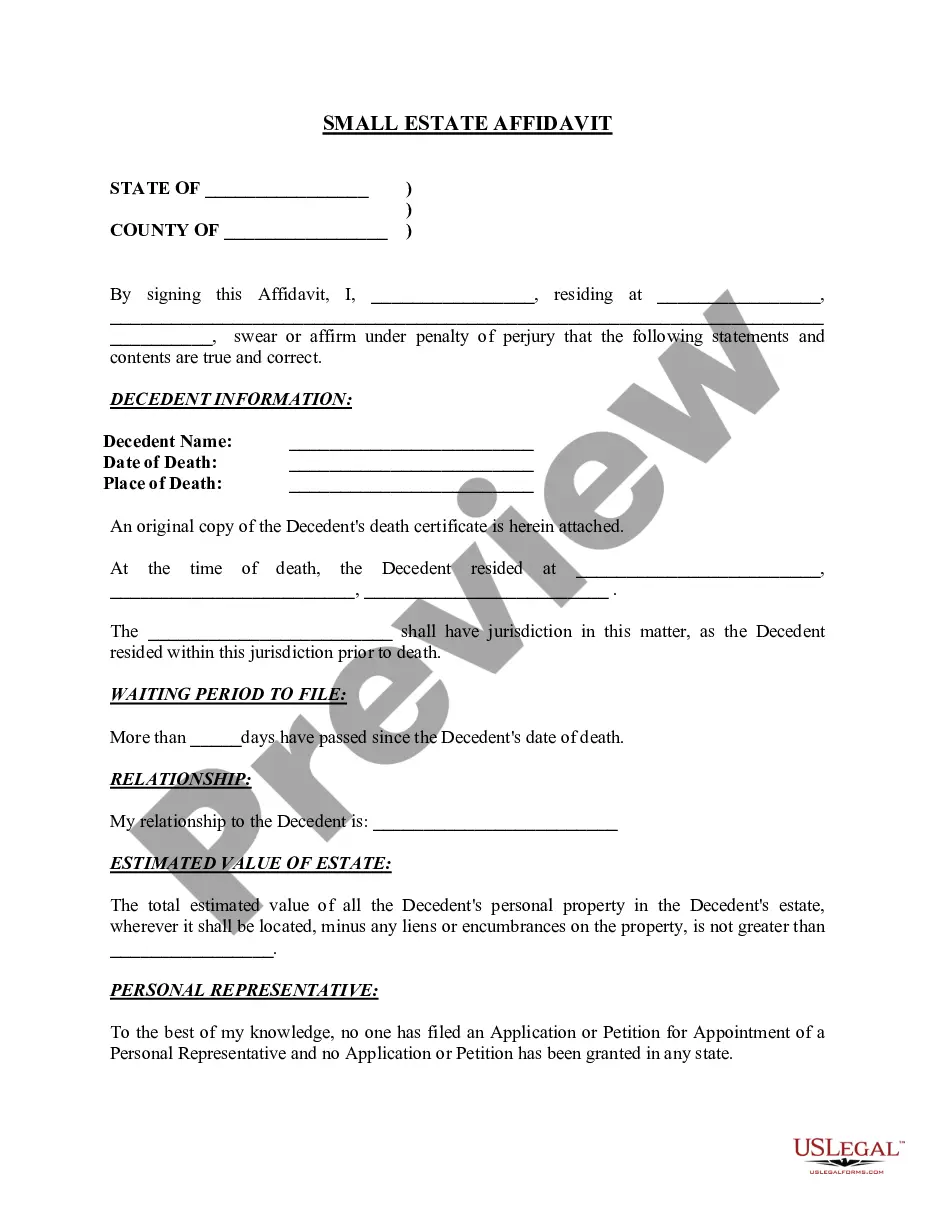
An Affidavit is a sworn, written statement of facts, signed by the 'affiant' (the person making the statement) before a notary public or other official witness. The affiant swears to the truth and accuracy of the statement contained in the affidavit. Where an estate is valued at less than $100,000, an interested party, as successor to the decedent, may, issue a small estate affidavit to collect or claim entitlement to the deceased property.
After filing, you'll get a copy that you can use to claim the deceased's assets. Just be prepared—it might take a little time for institutions to process things on their end.
You don’t necessarily need a lawyer, but having one can help smooth out the bumps in the road. If you're feeling lost in the legal lingo, it might be worth having an expert on your side.
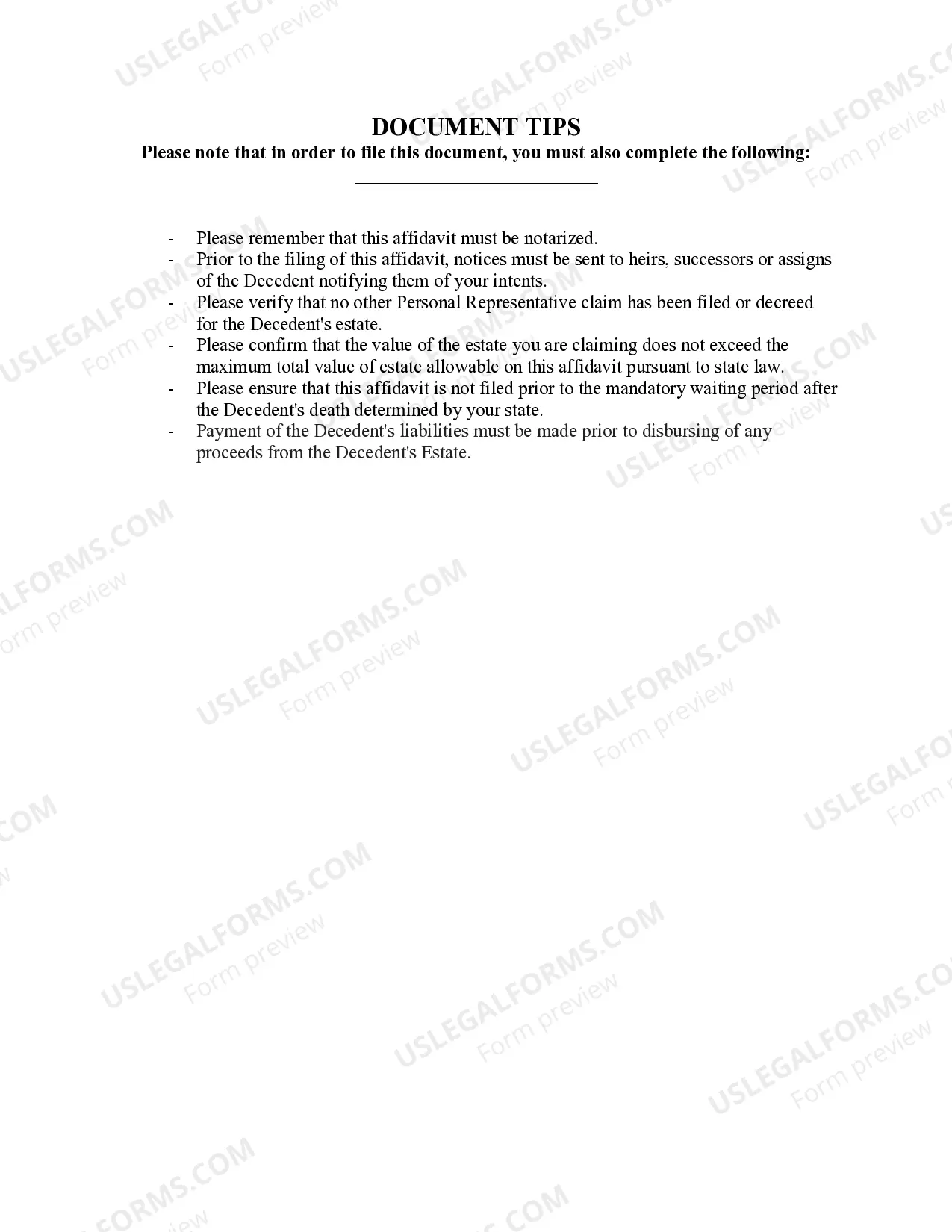
There's no hard and fast deadline, but it's best to get things moving pretty quickly—usually within a year after someone has passed away—to avoid any snags later on.
In Florida, the limit is often $75,000 for personal property and $100,000 for real property, but it's always good to double-check since these figures can change.
Generally, an heir or a legal representative of the deceased can use a small estate affidavit. So, if you're a child, spouse, or maybe a sibling of the person who's passed, you might be able to step in and use it.
A small estate affidavit is a legal document that helps settle the estate of someone who has passed away when their assets are below a certain threshold. It's a simpler way to handle the estate without going through the lengthy probate process.