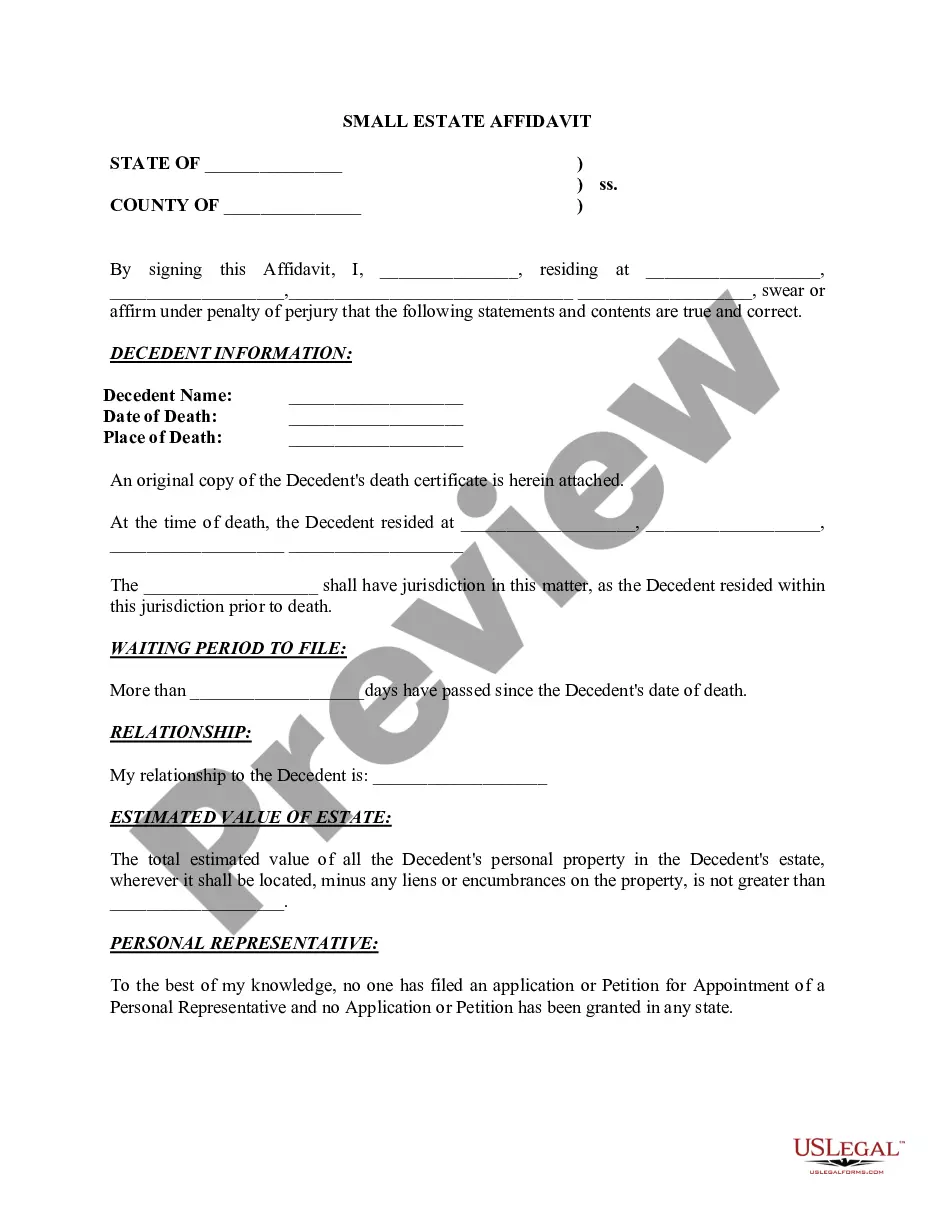
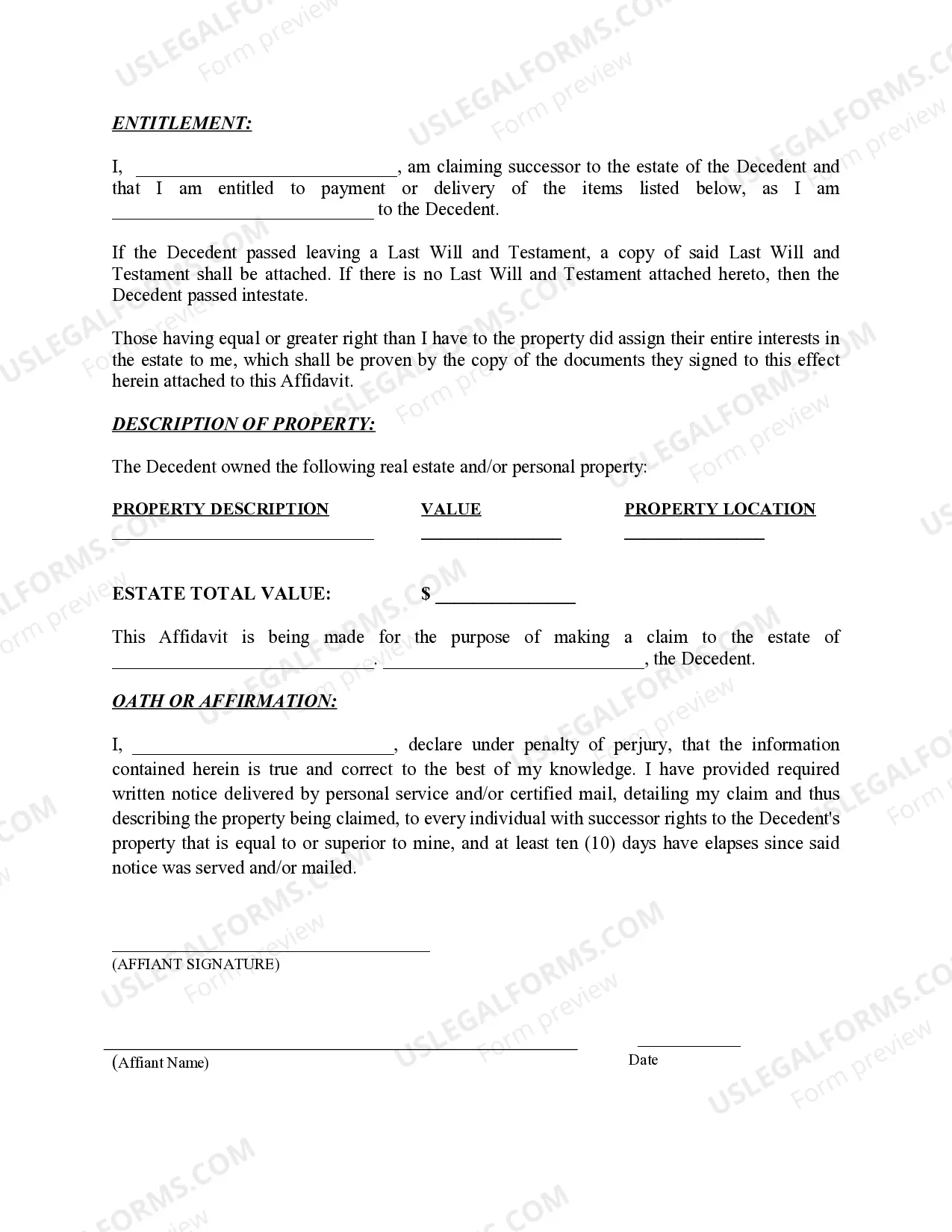
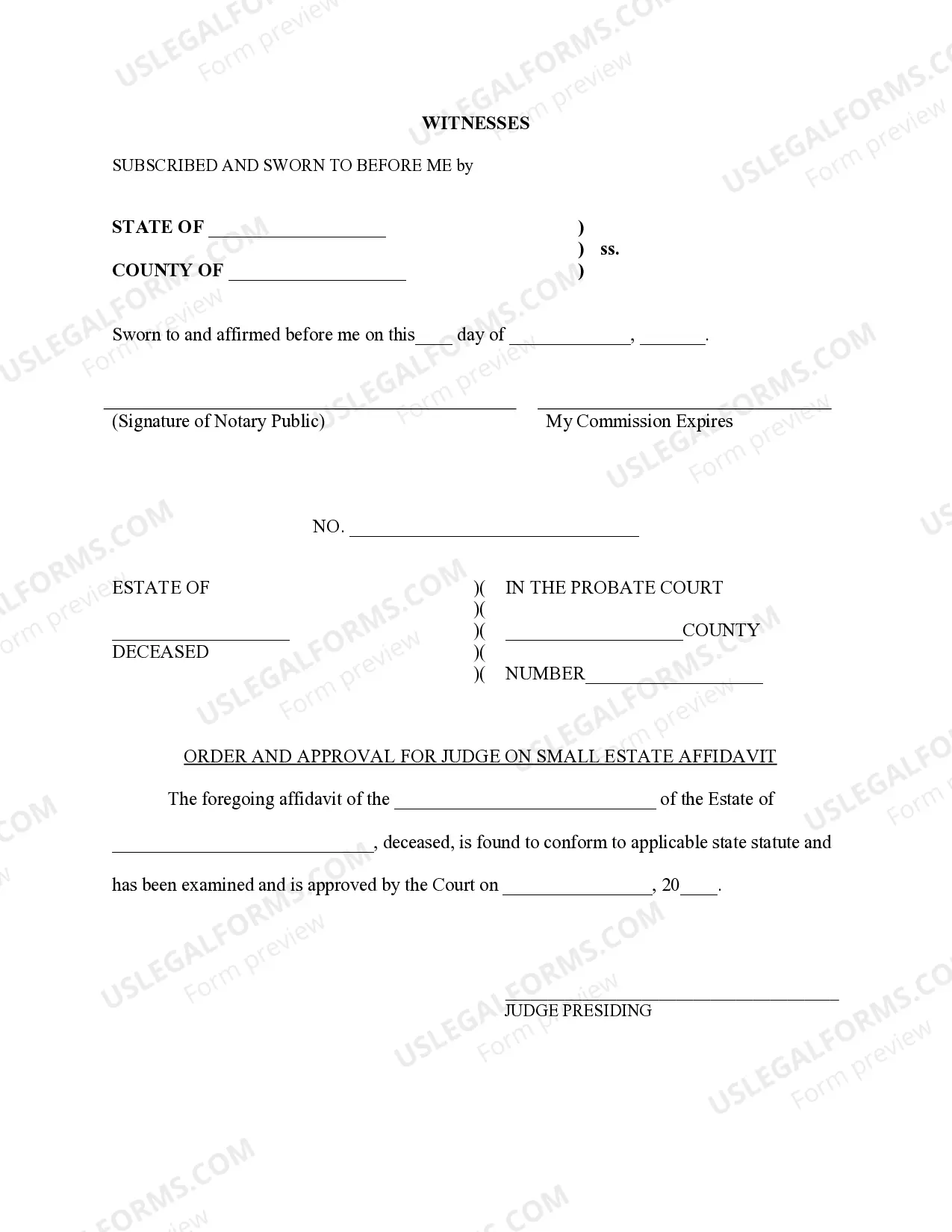
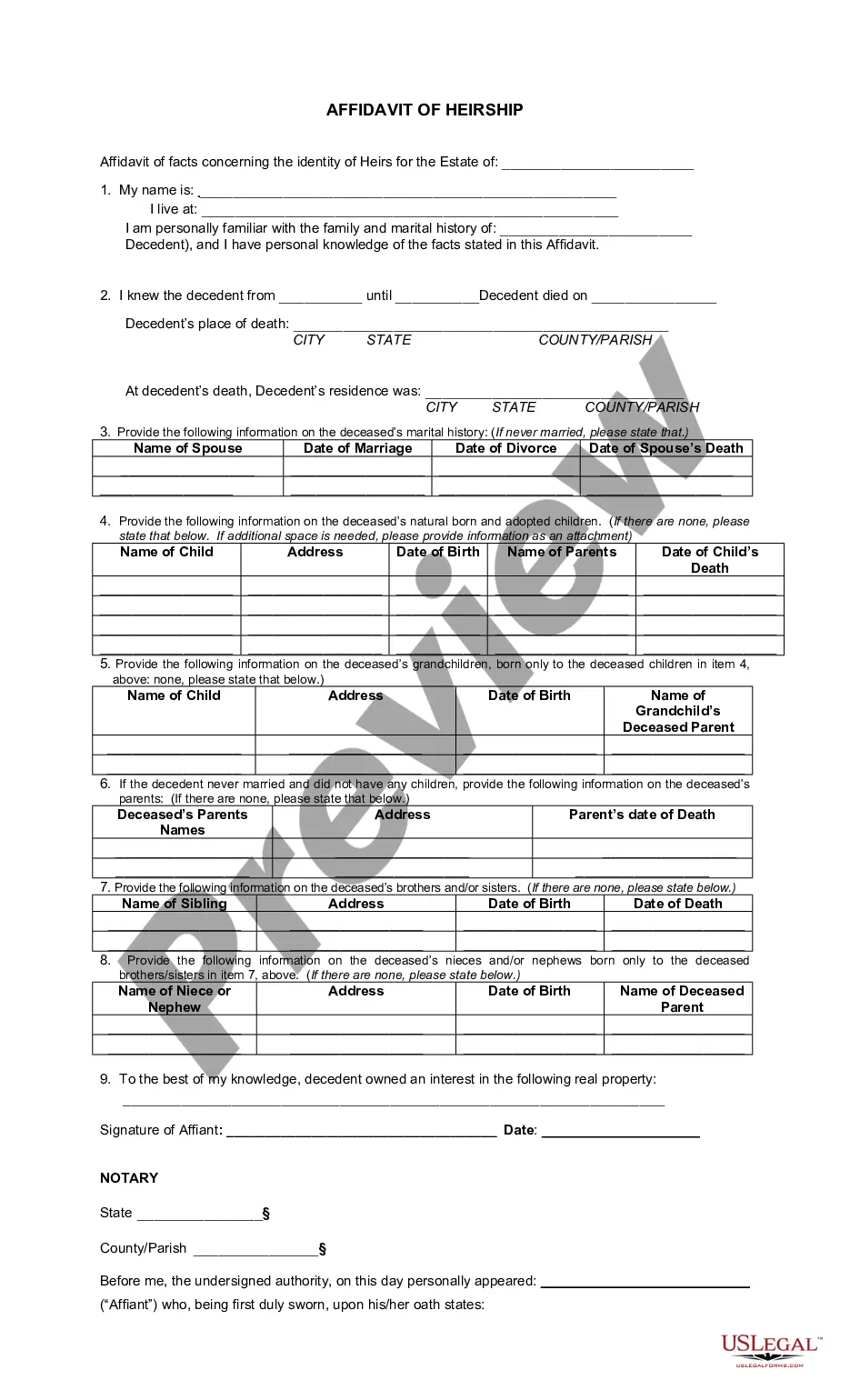
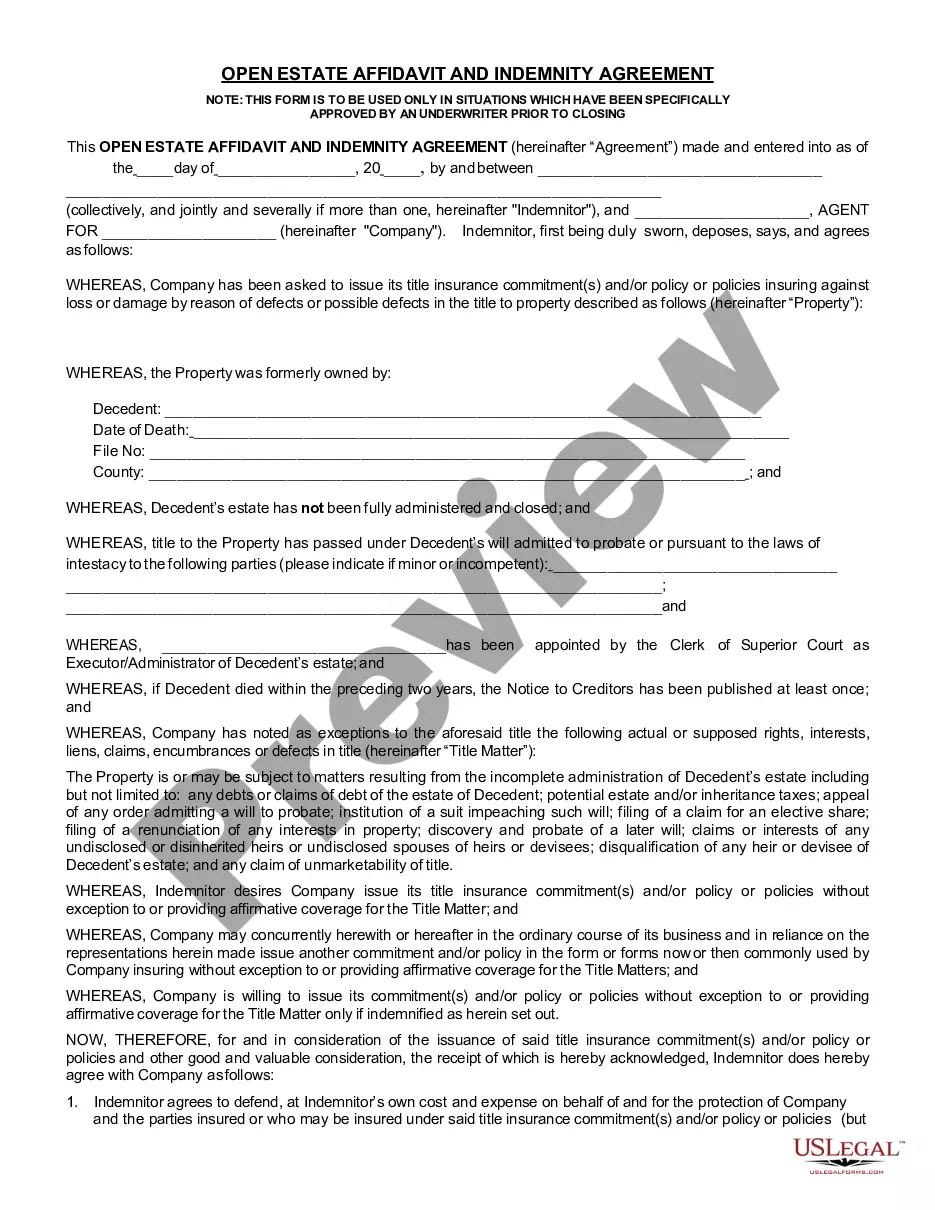
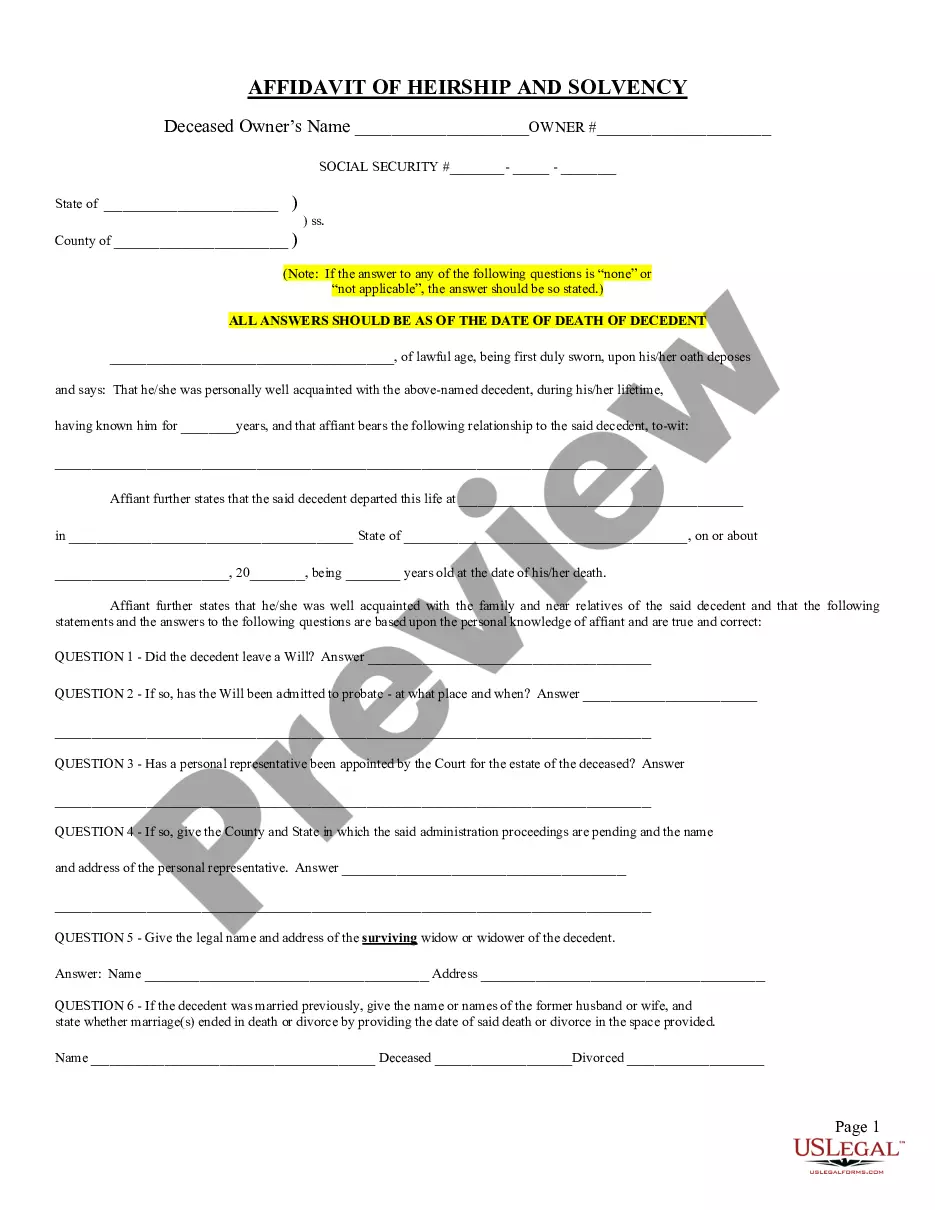
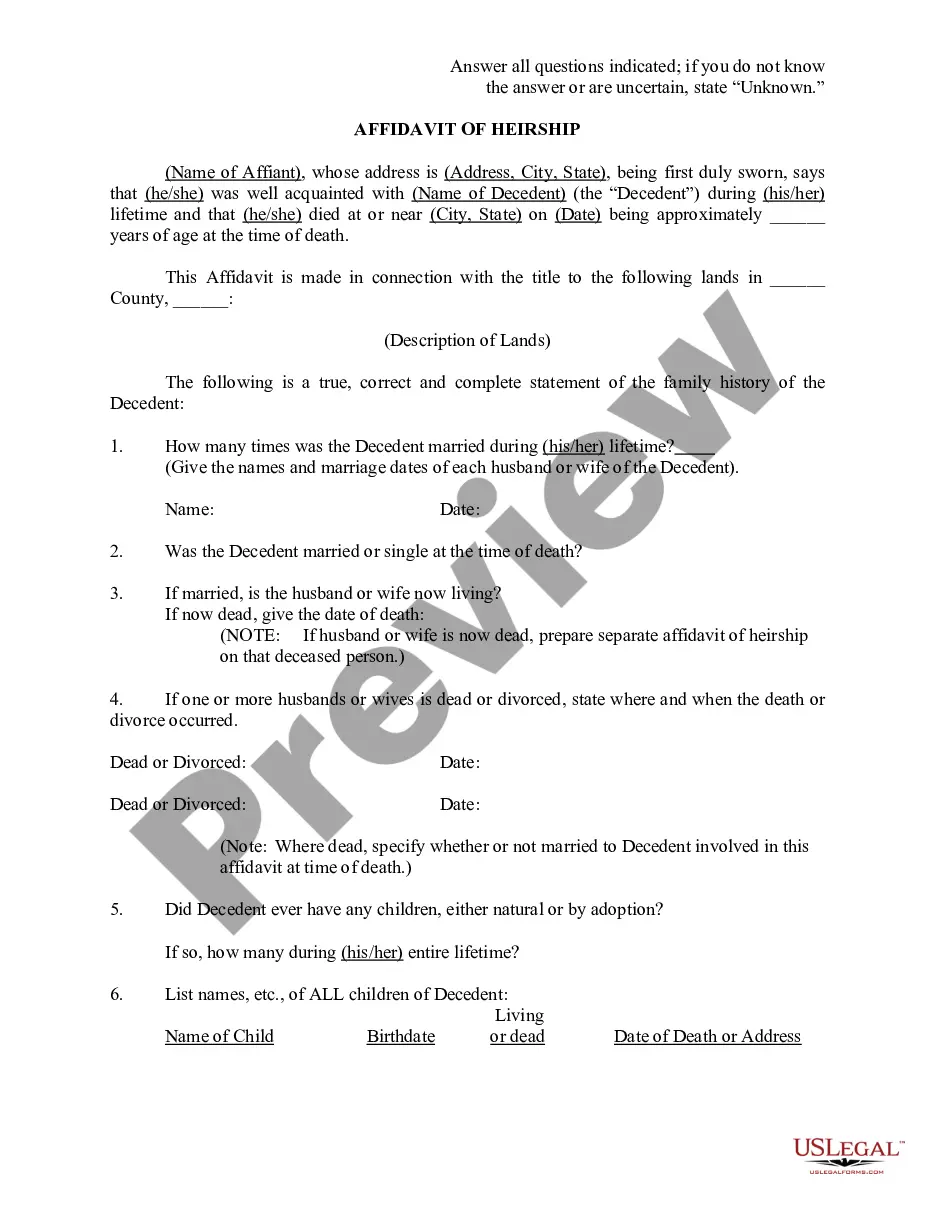
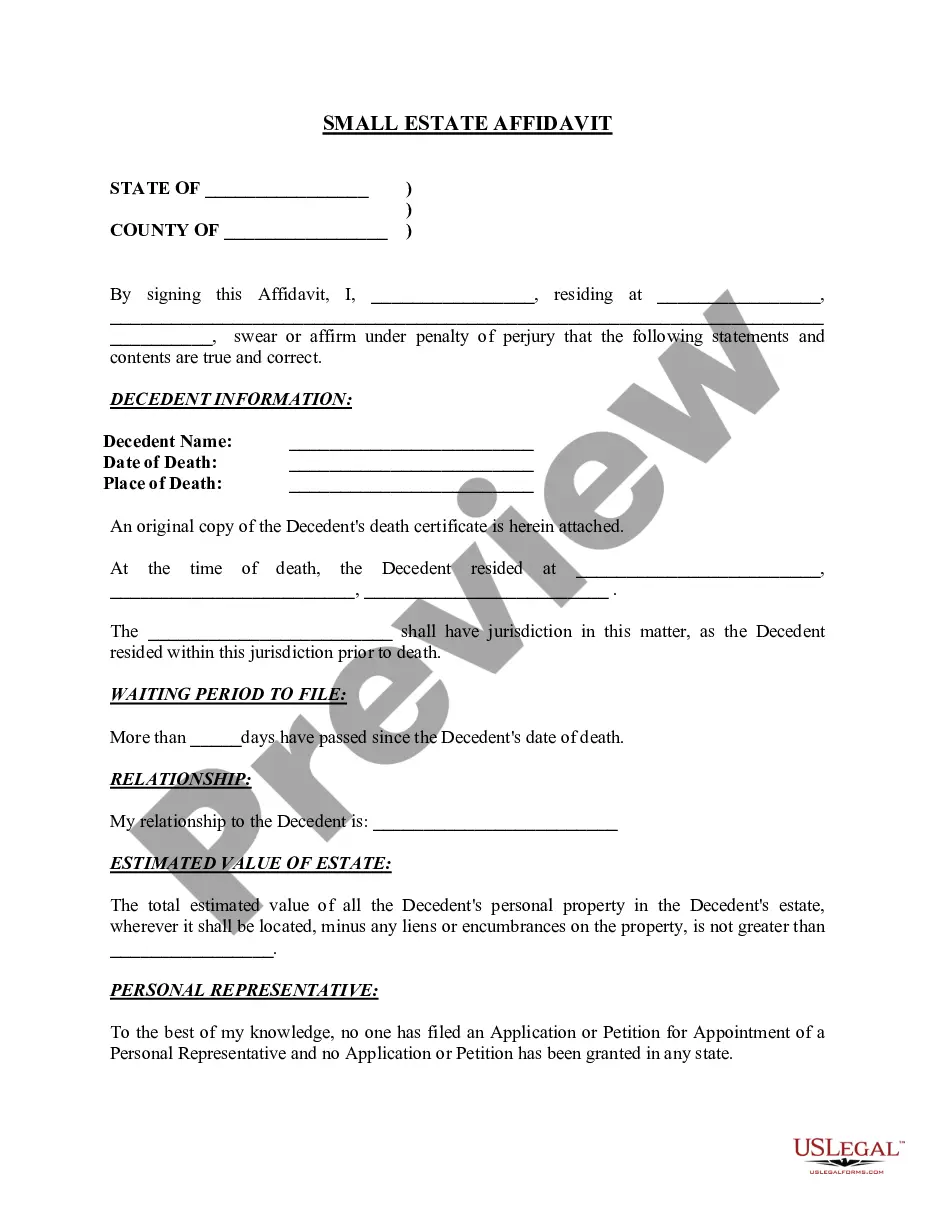
An Affidavit is a sworn, written statement of facts, signed by the 'affiant' (the person making the statement) before a notary public or other official witness. The affiant swears to the truth and accuracy of the statement contained in the affidavit. Where an estate is valued at less than $100,000, an interested party, as successor to the decedent, may, issue a small estate affidavit to collect or claim entitlement to the deceased property.
After approval, you can present the affidavit to banks or other institutions to claim the assets. It's the green light you need to access the deceased's belongings!
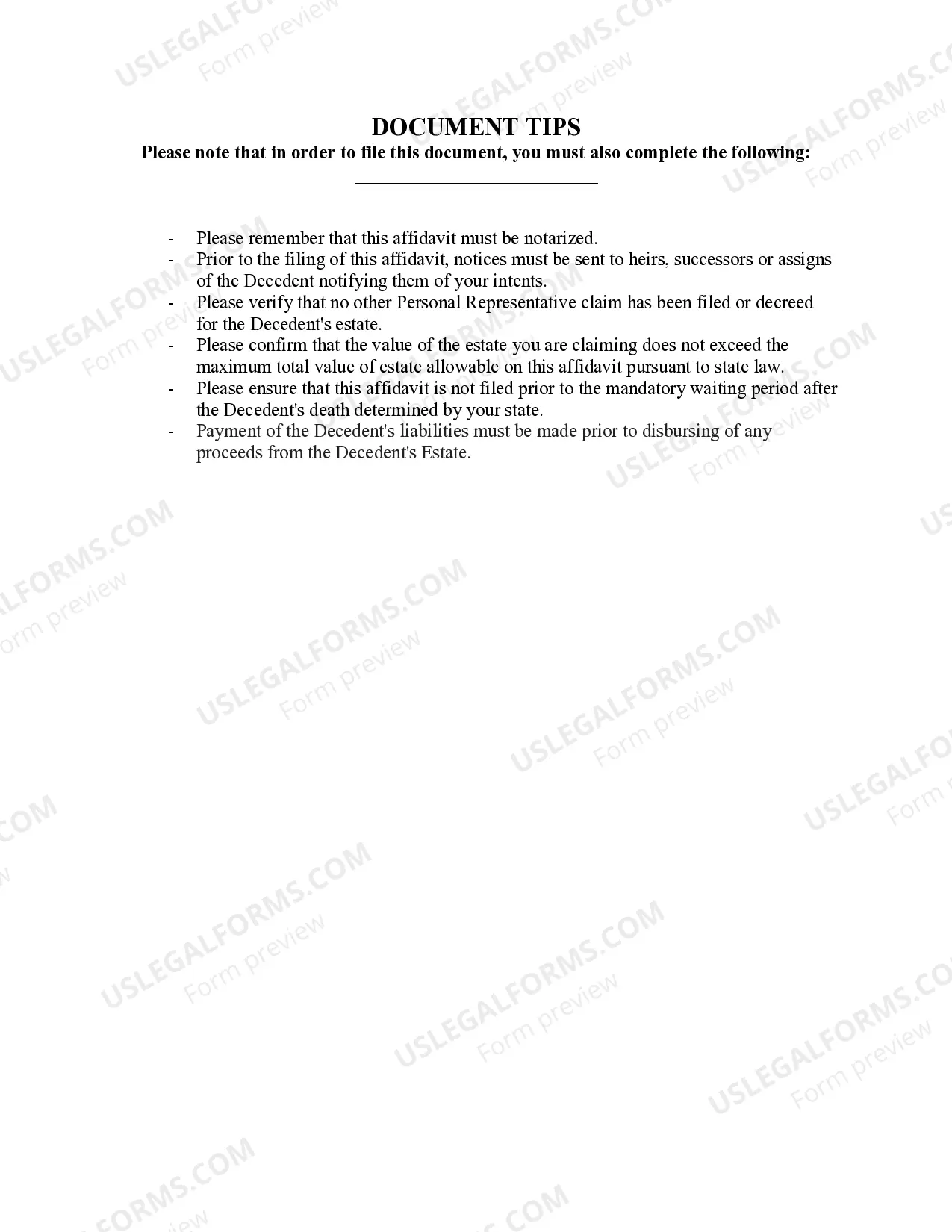
Yes, there are a few boxes to check! You need to be an eligible heir, the estate value must be below a certain threshold, and you’ll need to provide relevant information about the deceased.
The processing time can vary, but once you submit the affidavit, it usually takes a few weeks to clear up and for the heirs to access the property.
While it's possible to file on your own, having a lawyer can help smooth the process, especially if you're not familiar with legal jargon or the requirements.
You can claim personal property, like bank accounts or vehicles, but there are limits on the total value. Real estate typically isn't included with a Small Estate Affidavit.
Generally, family members or close relatives of the deceased can use a Small Estate Affidavit if they meet the legal requirements in Anchorage. It's mainly for those who are directly related.
A Small Estate Affidavit is a legal document that allows heirs to claim property of a deceased person without going through the lengthy probate process. It's a way to quickly settle the estate when the estate's value is below a certain limit.