This form is used by a corporation or LLC furnishing professional services, materials, or equipment for the improvement of real property and is sent to the owner or reputed owner notifying him of the potential for a lien claim.
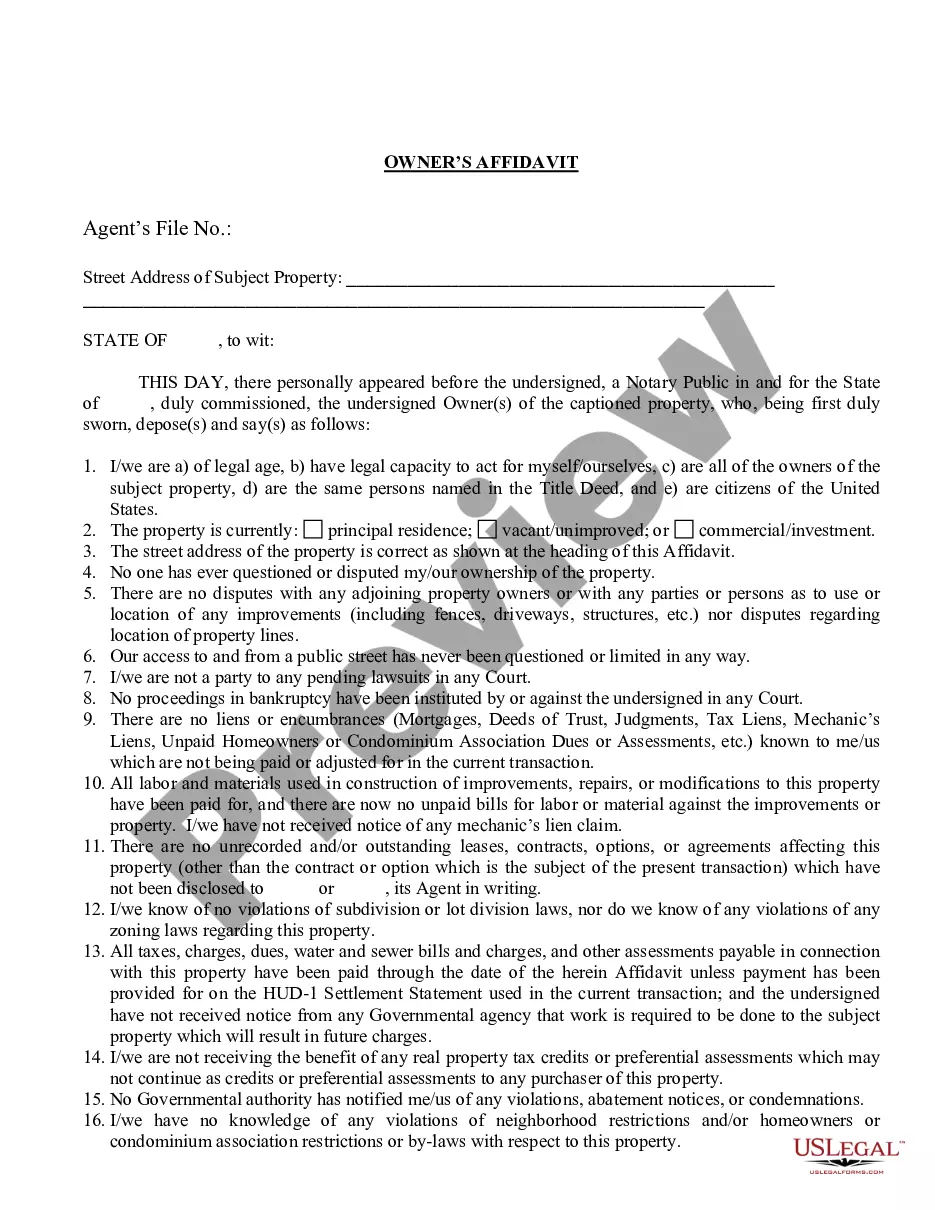
Not necessarily. While many transactions use an Owner's Affidavit, the requirements can vary. It's always good to check the specifics depending on your situation.
Yes, a Gap Undertaking can offer some protection against future claims that might arise from events occurring between the time you sign the contract and when you officially take ownership.
If errors pop up in the Owner's Affidavit, it can lead to legal headaches down the line. It’s best to double-check and correct any mistakes before you sign.
While it's not a must, getting a lawyer can be a wise move. They can help ensure everything's in order and that your bases are covered legally.
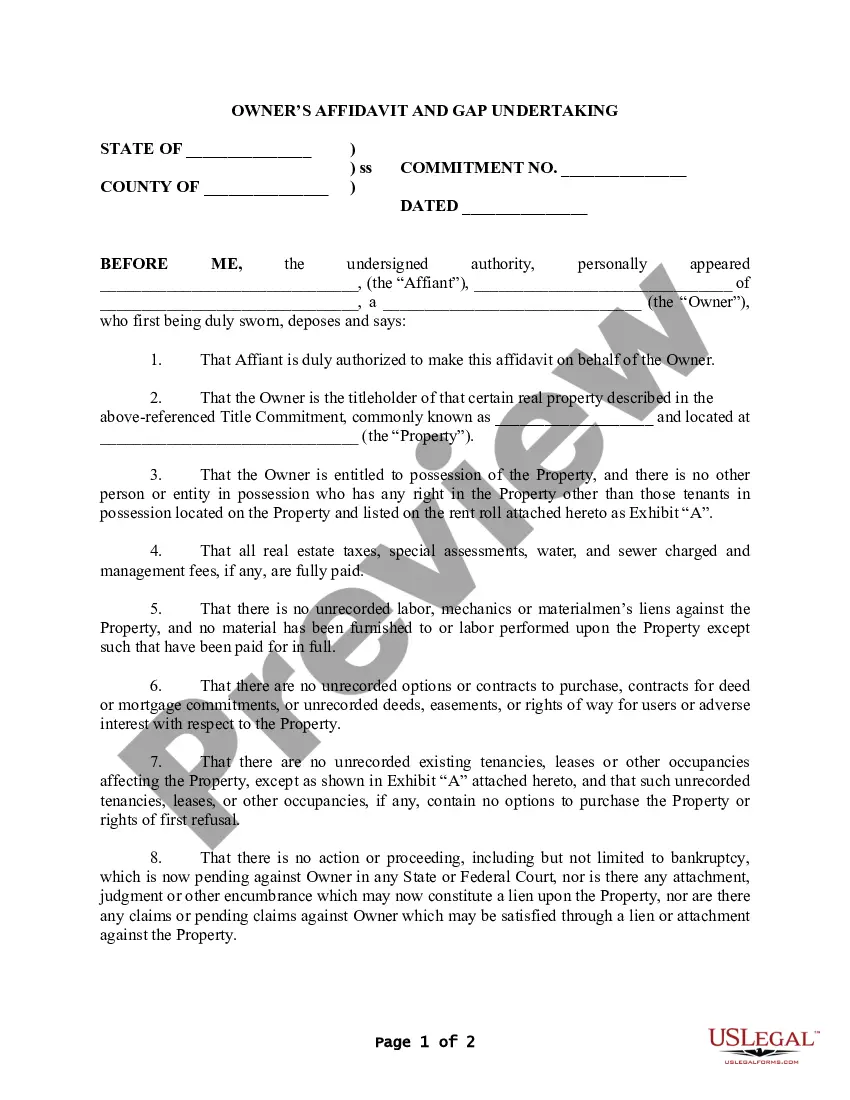
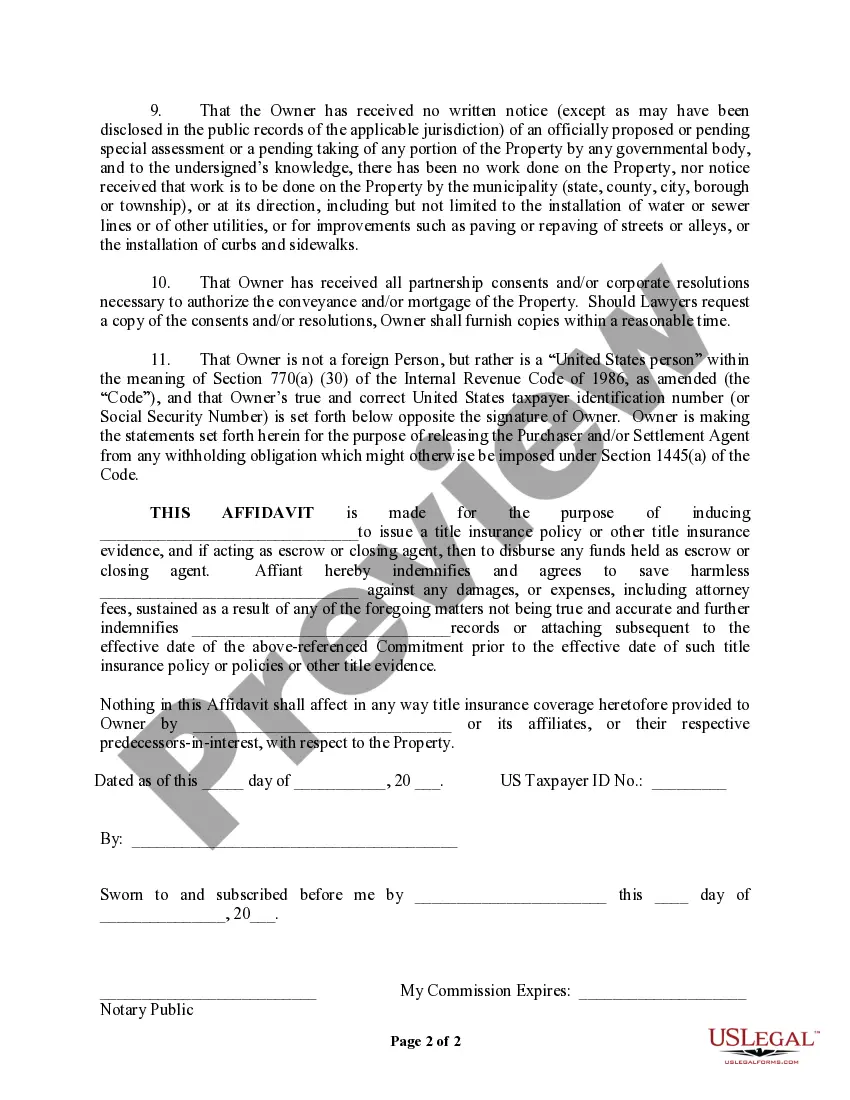
Usually, the property owner or an authorized representative signs the Owner's Affidavit, assuring that everything declared is on the up and up.
A Gap Undertaking helps bridge the gap between the time a property is purchased and when the title is officially transferred. It safeguards both parties against issues that might come up during that waiting period.
An Owner's Affidavit is a legal document where the property owner swears to the truth of certain facts about their property, like ownership and any claims against it.