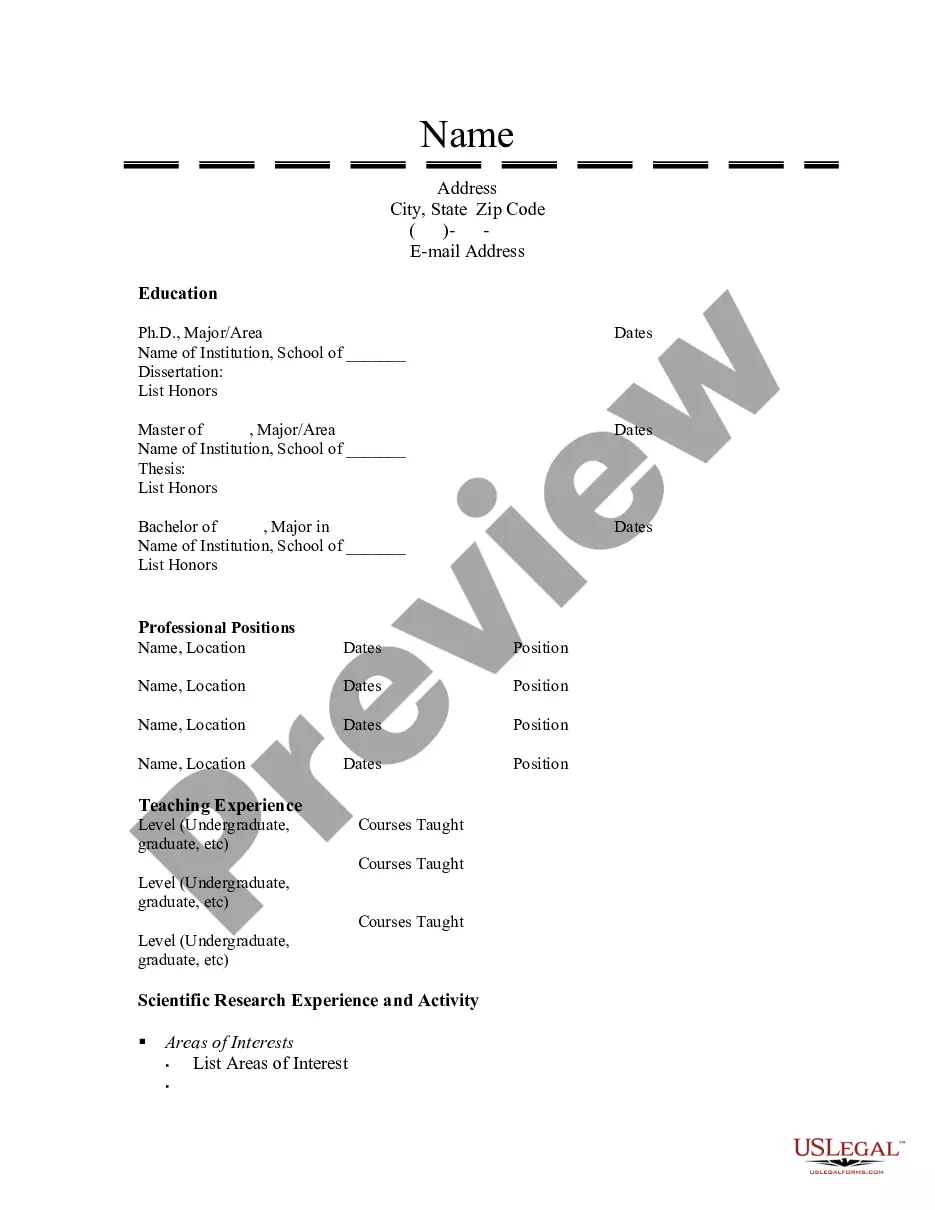
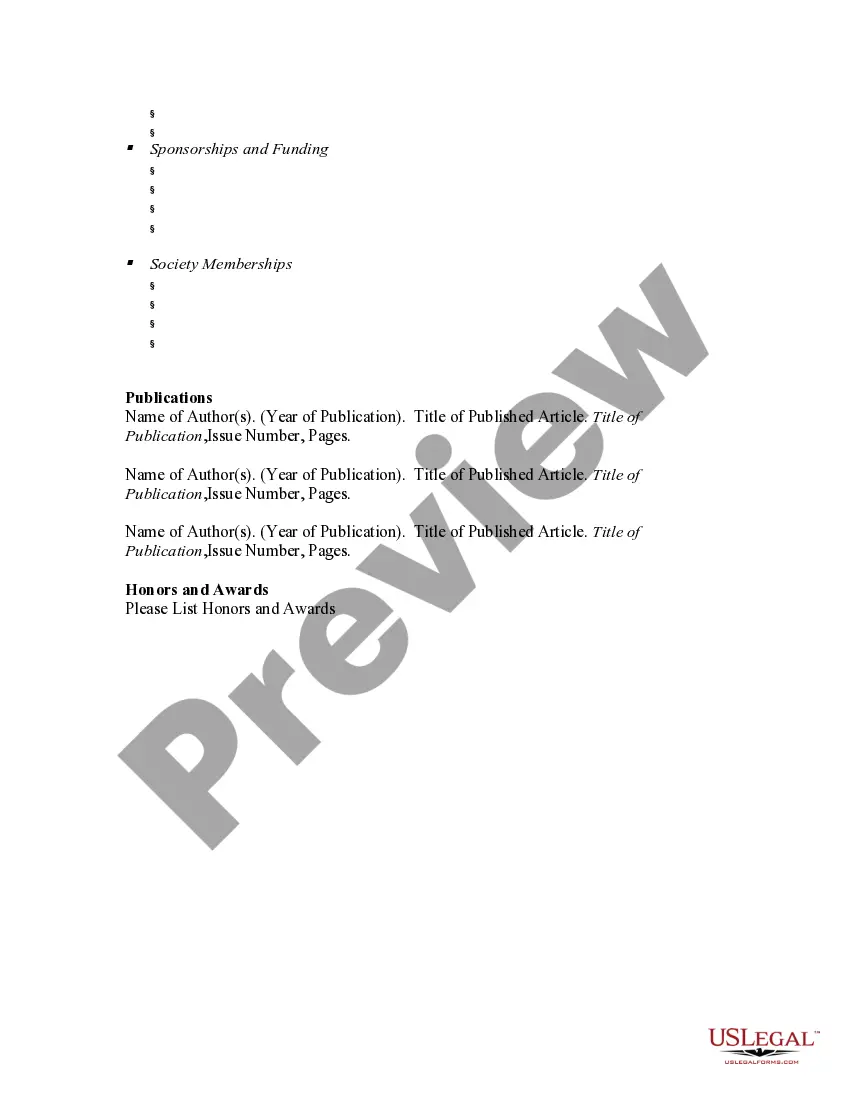
Consider adding unique experiences like special projects, presentations, or publications to your resume. Showcasing your passion for wildlife can really set you apart from the pack.
You might find opportunities at zoos, aquariums, research institutions, wildlife conservation groups, or even educational facilities focusing on animal science.
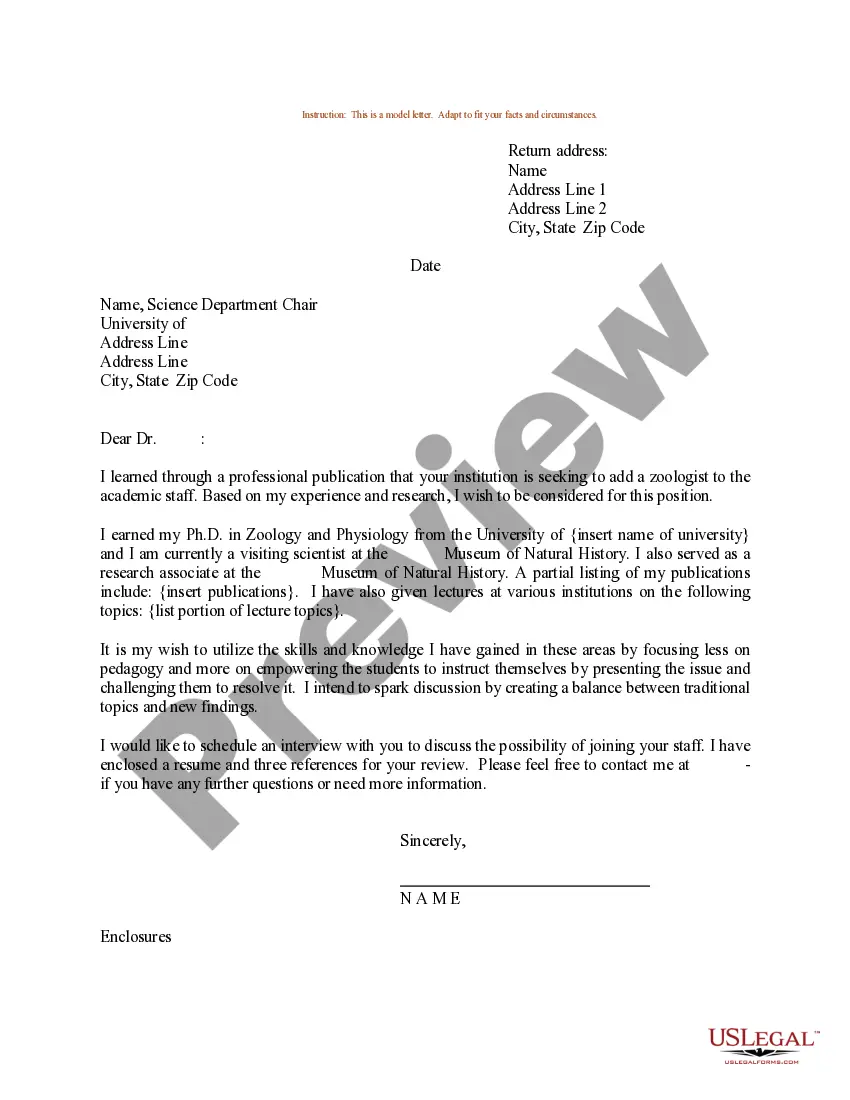
It's crucial! Tailoring your resume to match the specific requirements of each job shows you're not just casting a wide net, but you're genuinely interested in that position.
You bet! Joining local wildlife organizations, attending lectures, or participating in conservation events can pave the way to meet folks in the field and open doors.
Focus on skills like research abilities, data analysis, animal care techniques, and strong communication skills. Being able to collaborate with others is key too.
Absolutely! Getting your hands dirty with internships or volunteer work at local zoos, wildlife parks, or research projects can really boost your resume and give you valuable insights.
To be a zoologist, you'll typically need a bachelor's degree in zoology, biology, or a related field. A master's or Ph.D. can be a real feather in your cap for advanced positions.
Trusted and secure by over 3 million people of the world’s leading companies