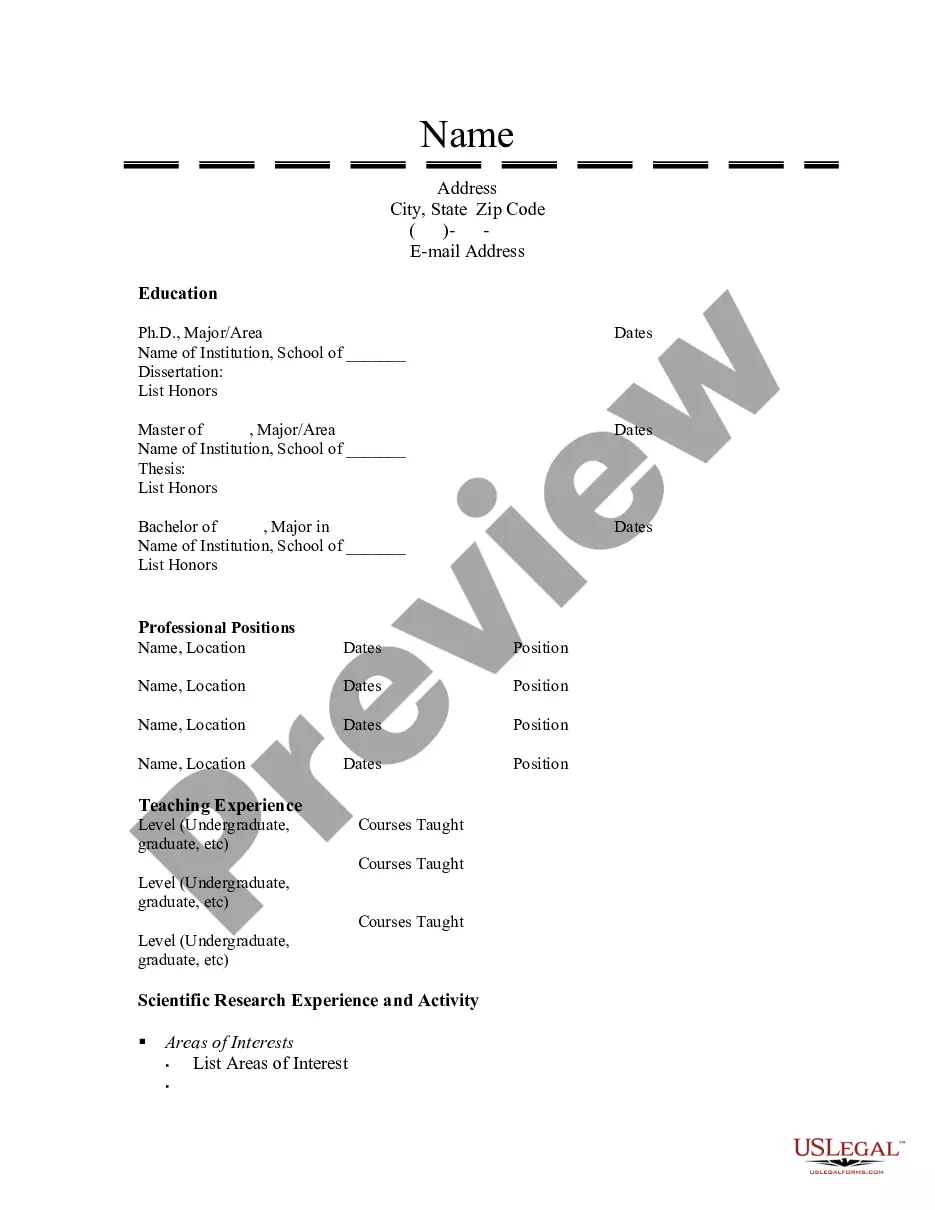
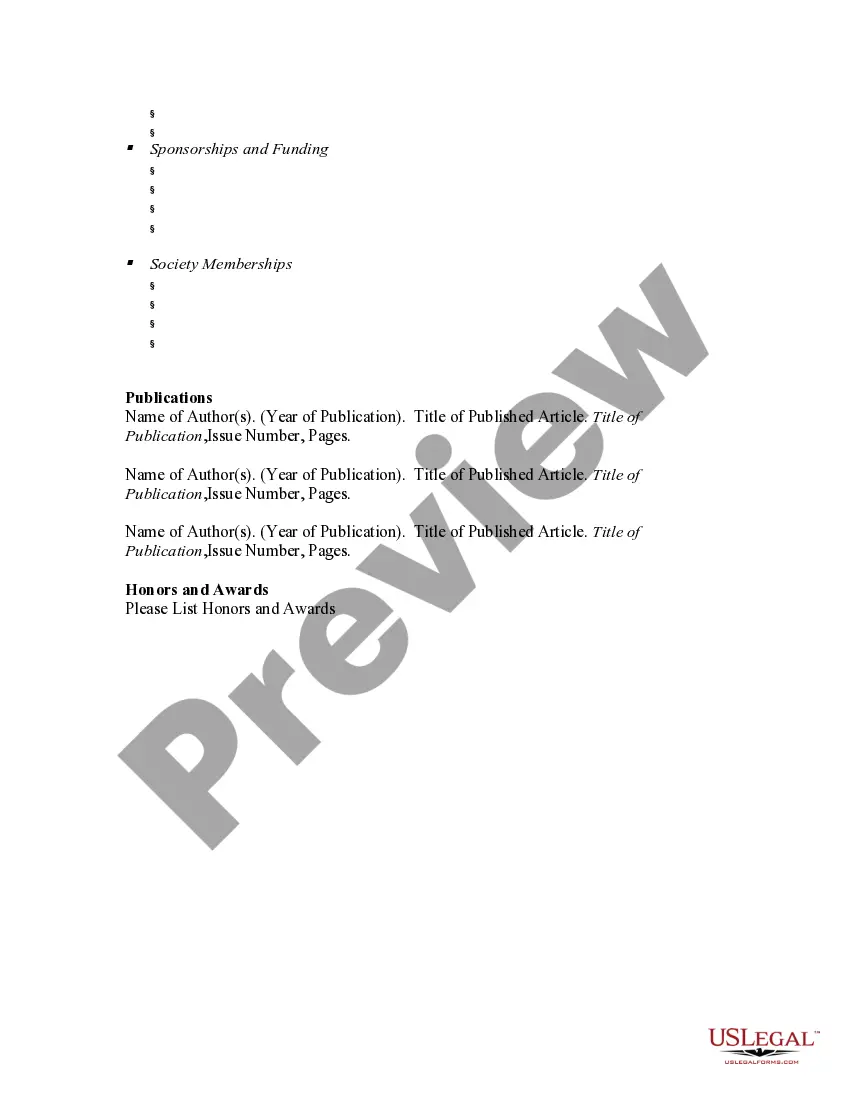
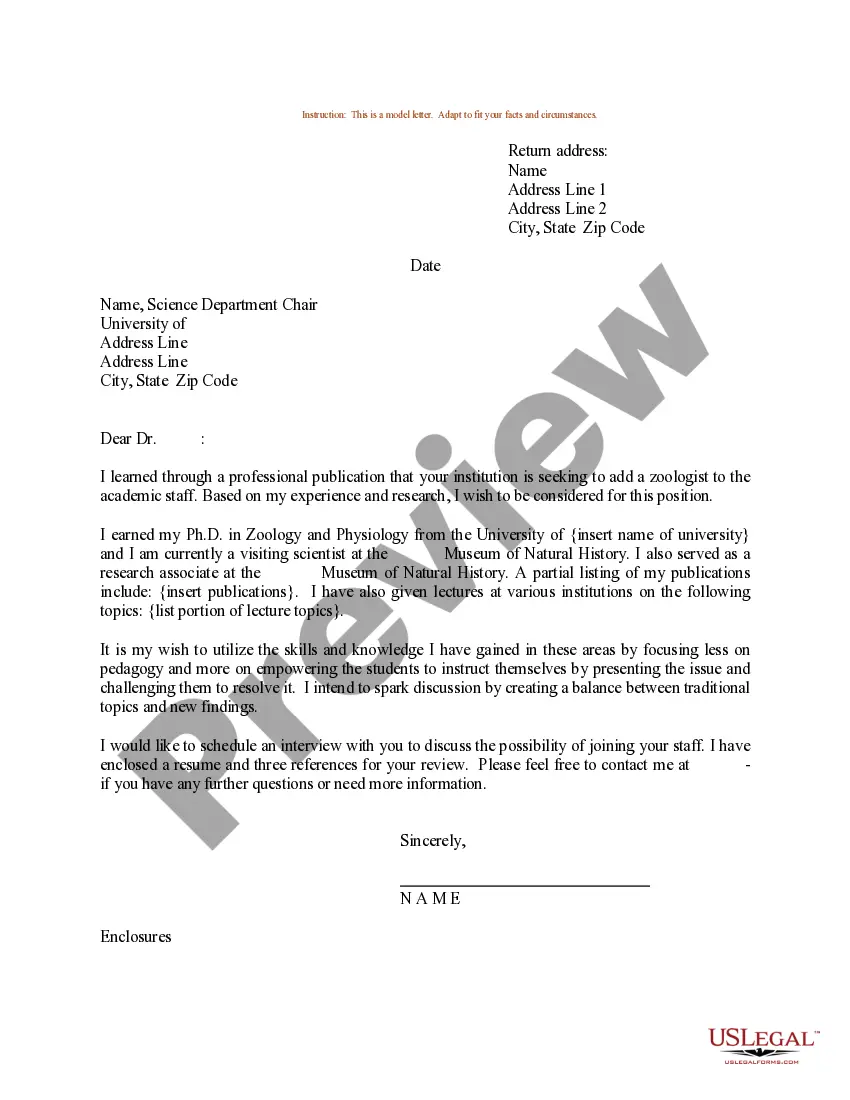
To stand out, tailor your resume for each job, emphasize your unique experiences, and showcase any special skills—like proficiency in data analysis or languages. A little creativity in design can also make a difference!
The job outlook for zoologists can vary, but there's often demand in places like Long Beach due to its unique ecosystems and conservation efforts. Staying updated on trends and networking can help you find opportunities.
Definitely! If you've worked on any research projects, be sure to include them. It demonstrates your practical knowledge and ability to contribute to scientific understanding.
Volunteer work can be a game changer! It shows your passion and commitment to wildlife and can set you apart from other candidates. Plus, it's a great way to gain hands-on experience.
Make sure to showcase your research abilities, fieldwork experience, and any knowledge you have about animal behavior and ecology. Don't forget to mention your ability to work well in a team and communicate findings clearly.
Absolutely! Long Beach is home to various wildlife organizations, aquariums, and marine research facilities that often look for zoologists. Places like the Aquarium of the Pacific can be a great start.
To become a zoologist, you'll usually need at least a bachelor's degree in zoology or a related field. Some folks go for a master's or even a PhD, especially if they want to dive deep into research or specialize in a certain animal group.