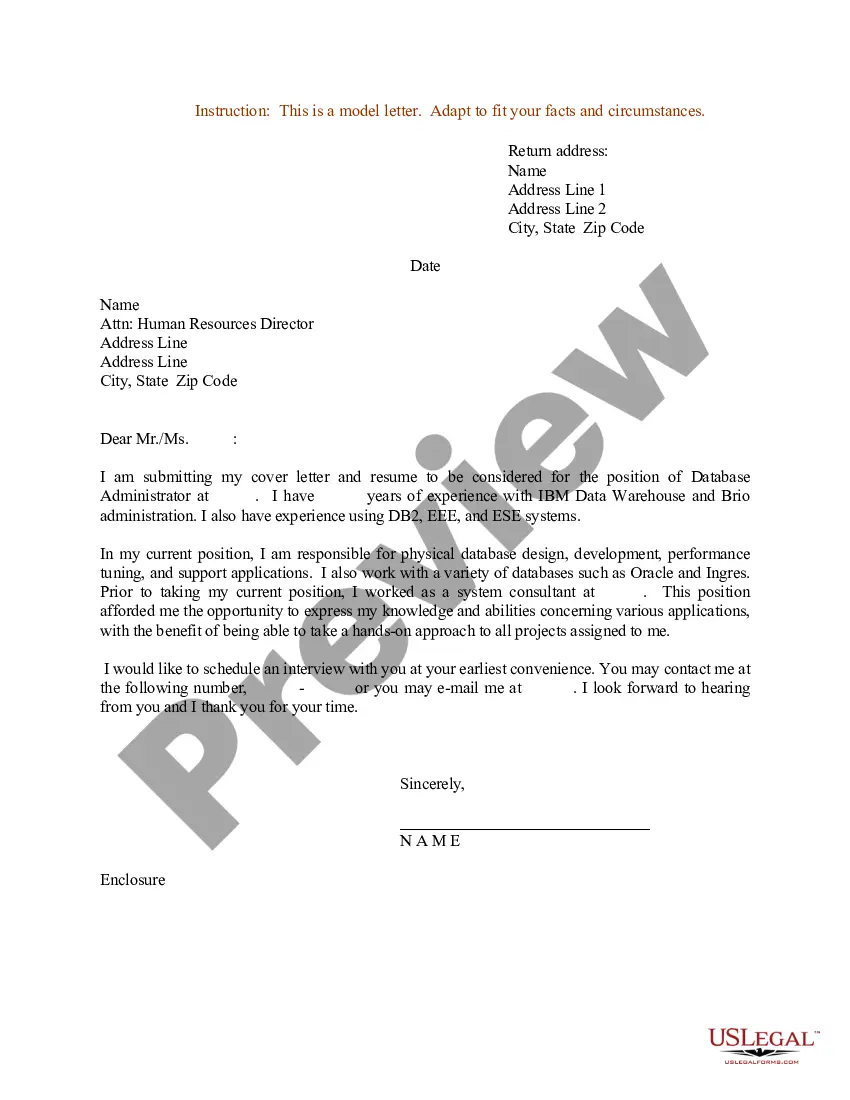
Do your homework! Research the company and its database needs, practice common interview questions, and think about scenarios from your past work to showcase your problem-solving skills. You'll want to be ready to hit the ground running.
You can add a summary statement at the top that speaks to your strengths, any volunteer work related to tech, and even relevant projects. It’s all about painting a complete picture of who you are!
Use action words and quantify your achievements where possible. For instance, instead of saying 'managed databases,' say 'successfully managed over 50 databases, improving data retrieval speed by 30%.' That’ll grab attention!
Yes, your education can be a vital piece of the pie, especially if you have a degree in computer science or a related field. Just make sure it doesn’t overshadow your relevant experience!
Absolutely! If you've got certifications like Microsoft SQL Server, Oracle, or AWS, you should flaunt them. They show you're serious about your career and have the know-how to back it up.
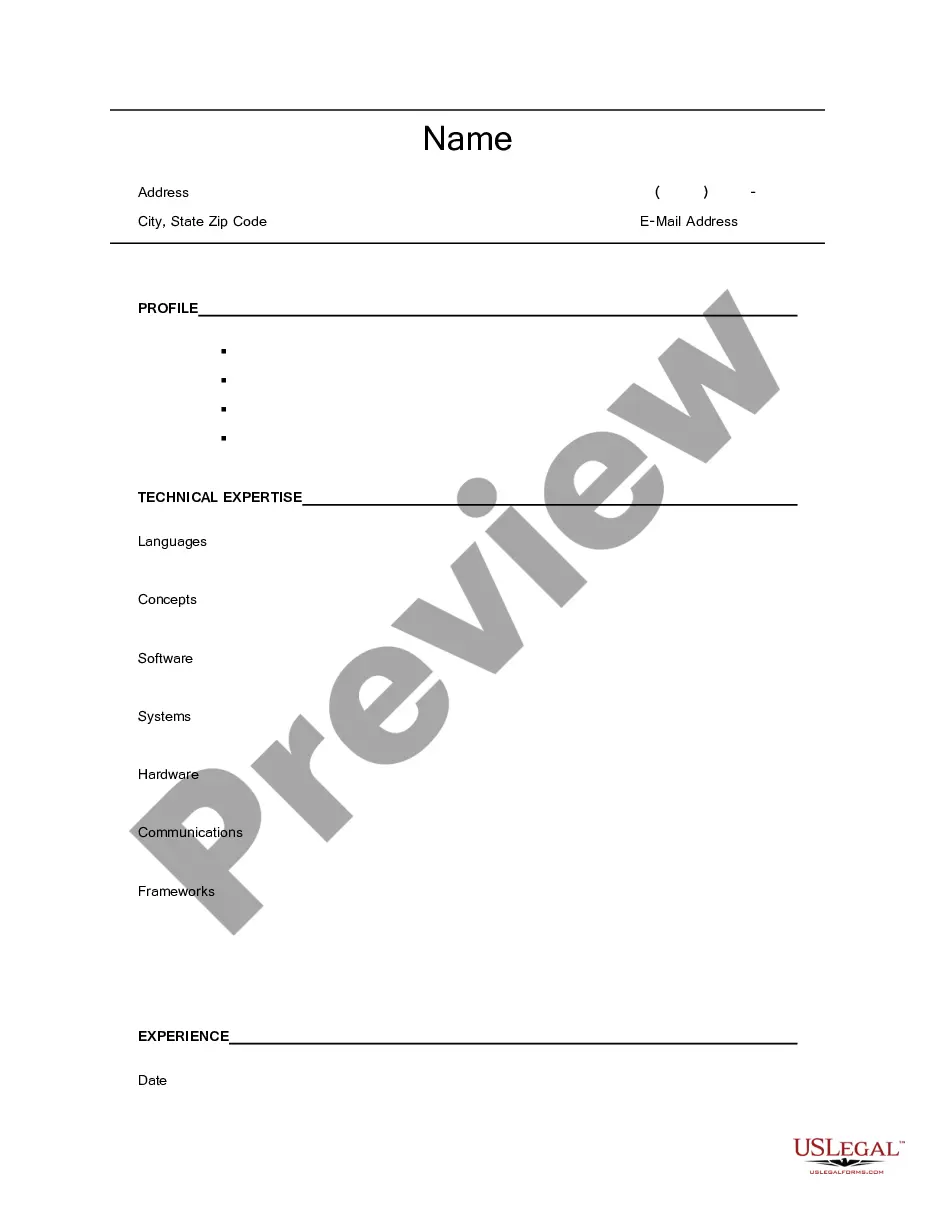
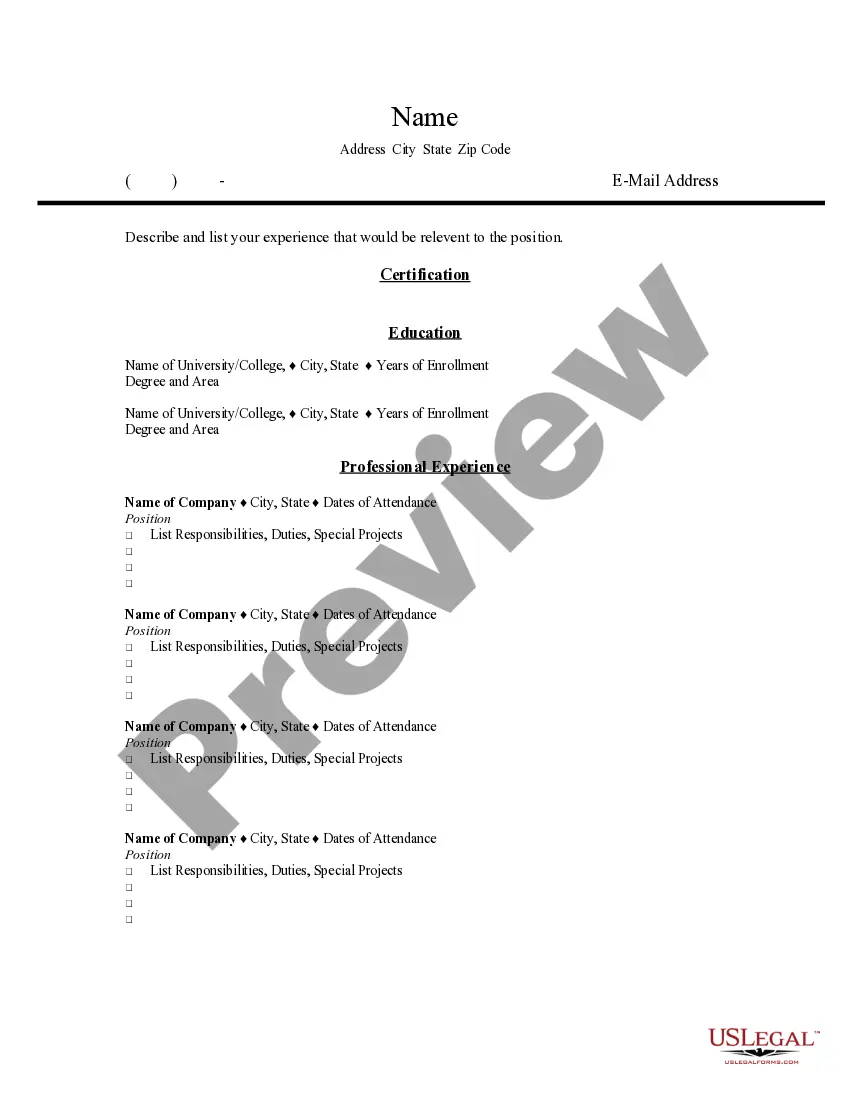
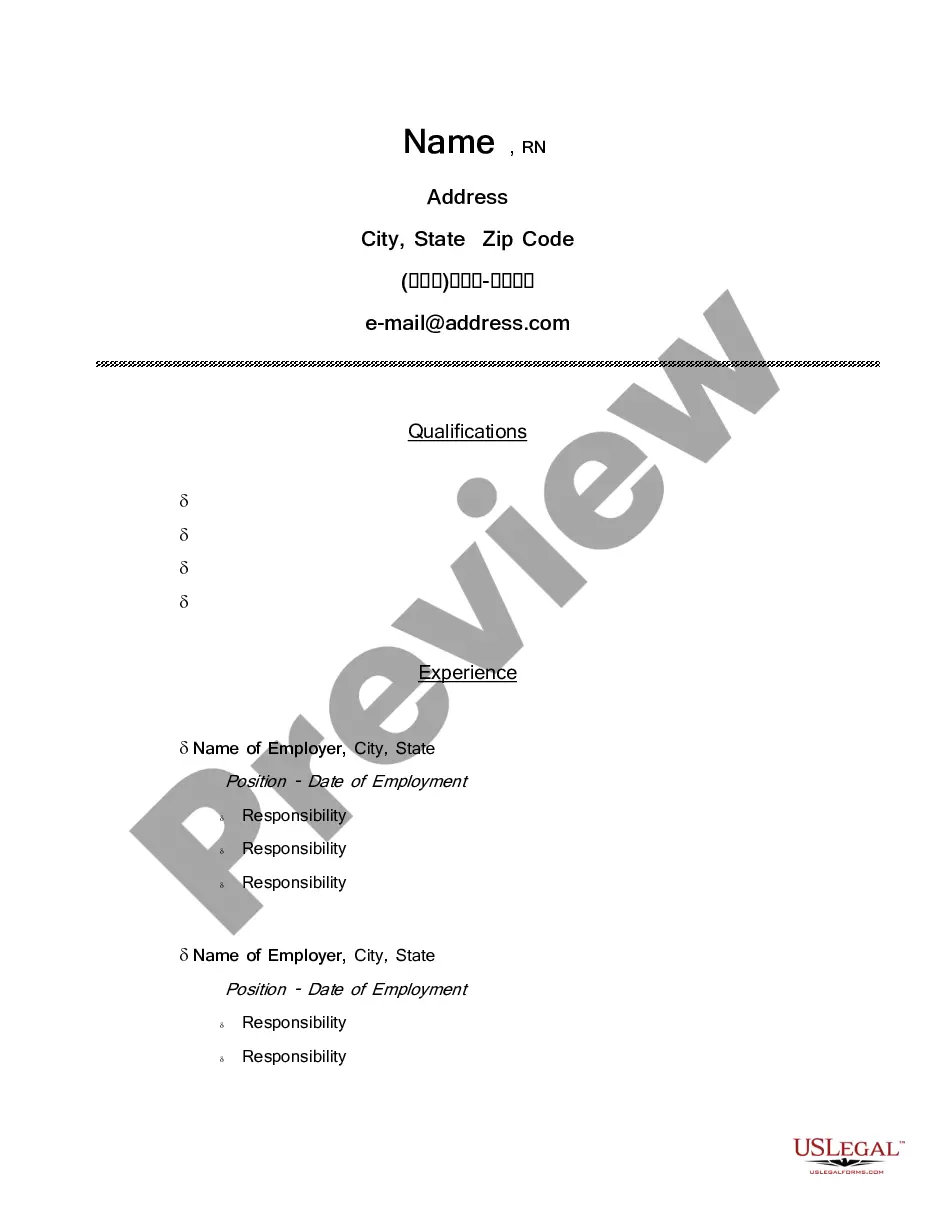
Stick to a clean, professional layout. Use bullet points for easy reading, and make sure to tailor your resume for each job application, focusing on relevant experiences and skills that fit the role like a glove.
You should spotlight your expertise in database management systems, SQL proficiency, and any experience with cloud services. Don't forget to mention skills in data security and backup strategies – these are golden in the industry!