Watch out for typos and grammatical errors—they can be a deal breaker! Additionally, avoid using overly complex language or making your resume too cluttered. Keeping it simple and professional is key.
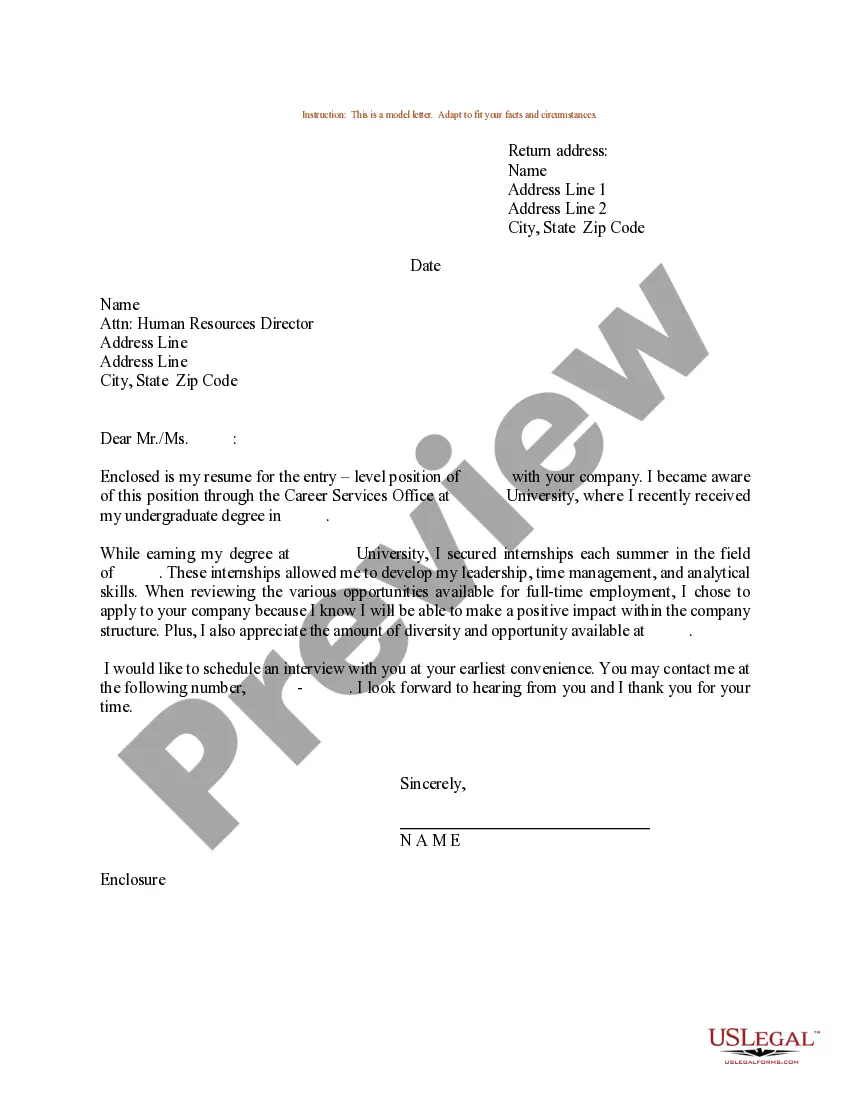
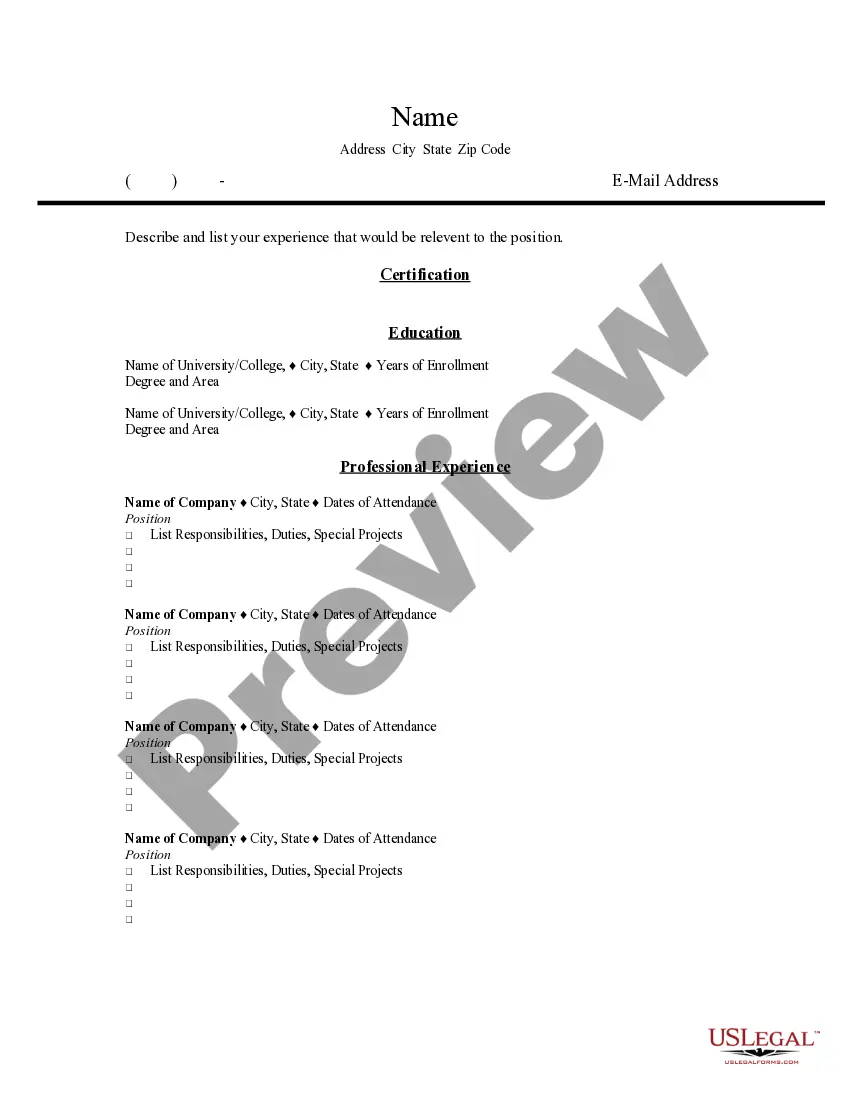
For entry level positions, one page is usually ideal. You want to present your information clearly and concisely without overwhelming the reader.
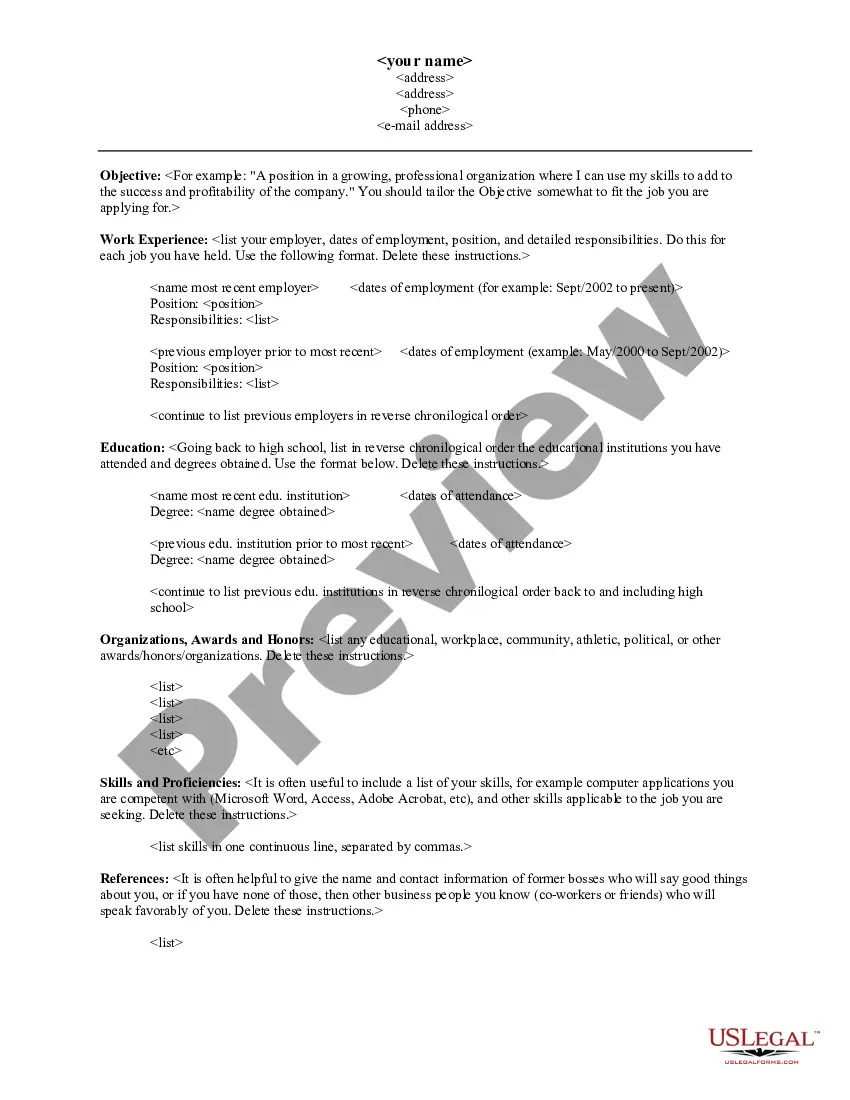
Generally, it's not necessary to list references on your resume unless the job specifically asks for them. Instead, prepare a separate list of references to provide when requested.
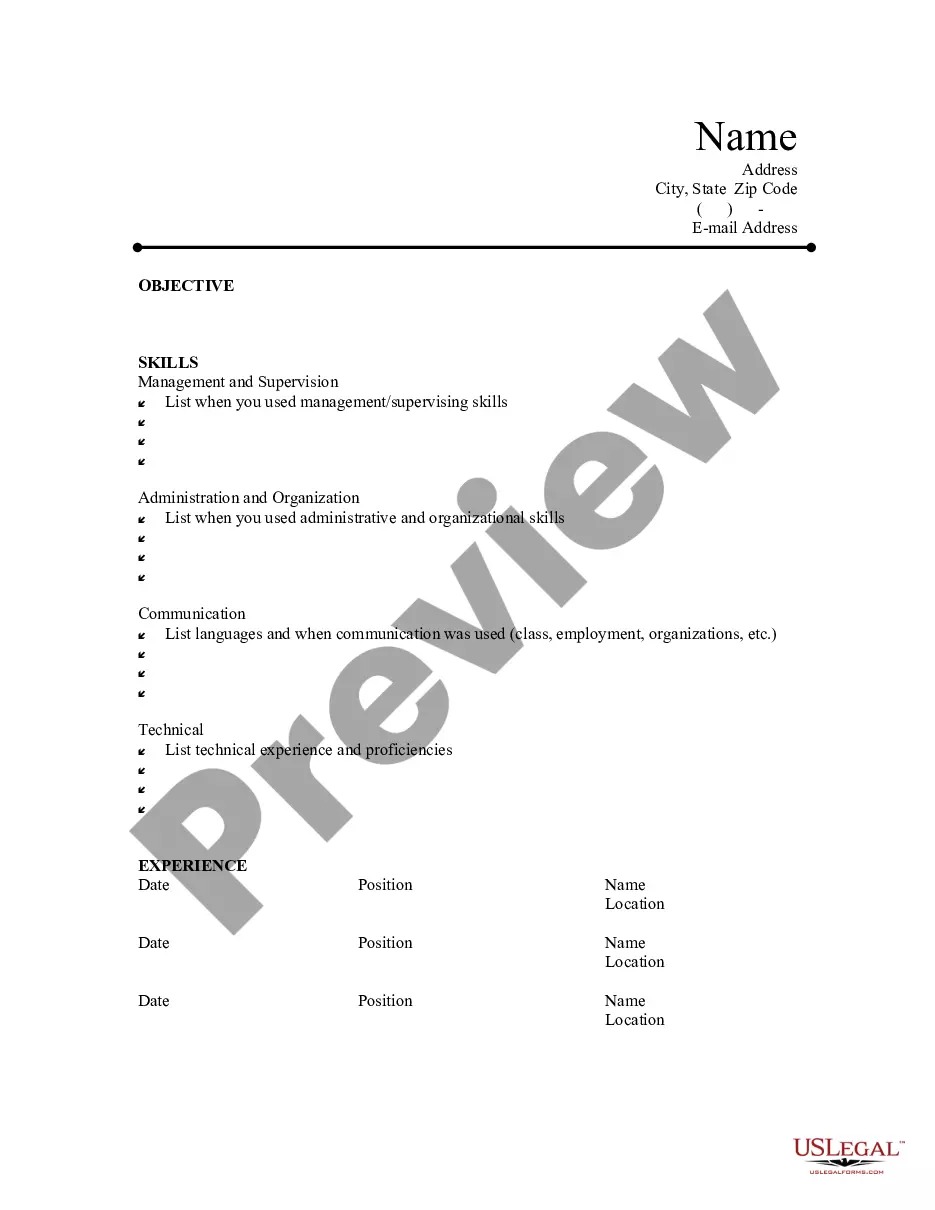
Employers typically seek strong leadership qualities, effective communication, problem-solving abilities, and a knack for teamwork. Showing that you’re adaptable and eager to learn can also give you a leg up!
An objective statement can be helpful, especially if it clearly defines your career aspirations and how they align with the company's goals. Keep it concise and to the point!
Try to tailor your resume for each job you apply for. Use action verbs to describe your experiences and consider adding a summary statement that reflects your career goals and strengths.
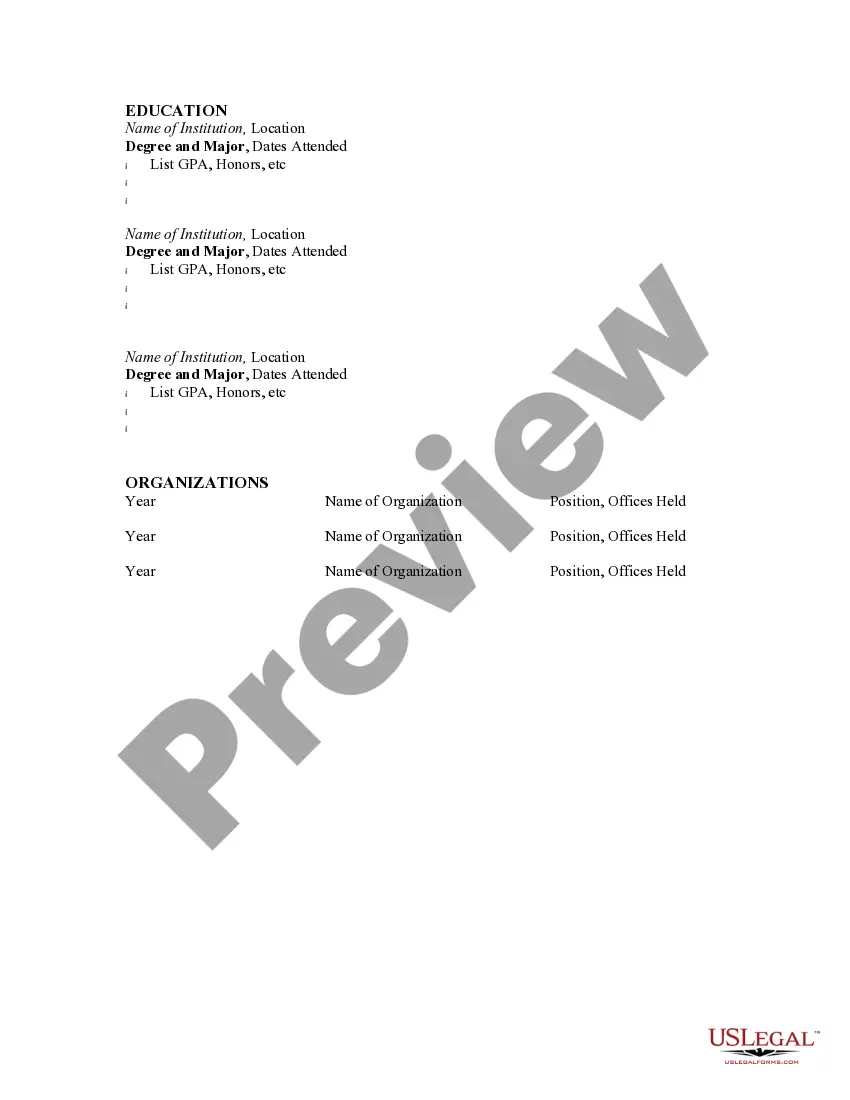
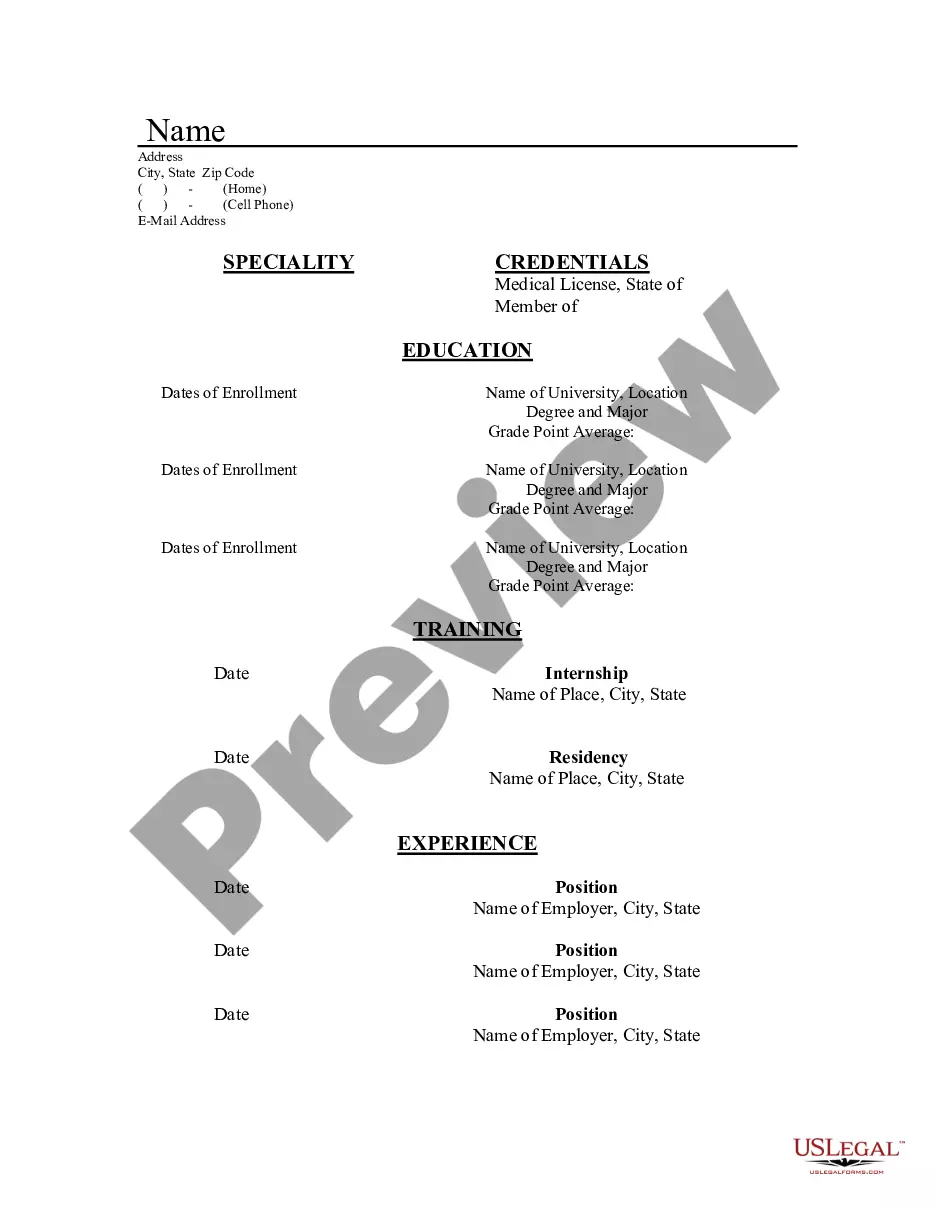
Make sure to showcase your relevant skills, like leadership and communication, along with any work experience or internships you've done. Highlighting your education and any volunteer work can also go a long way!