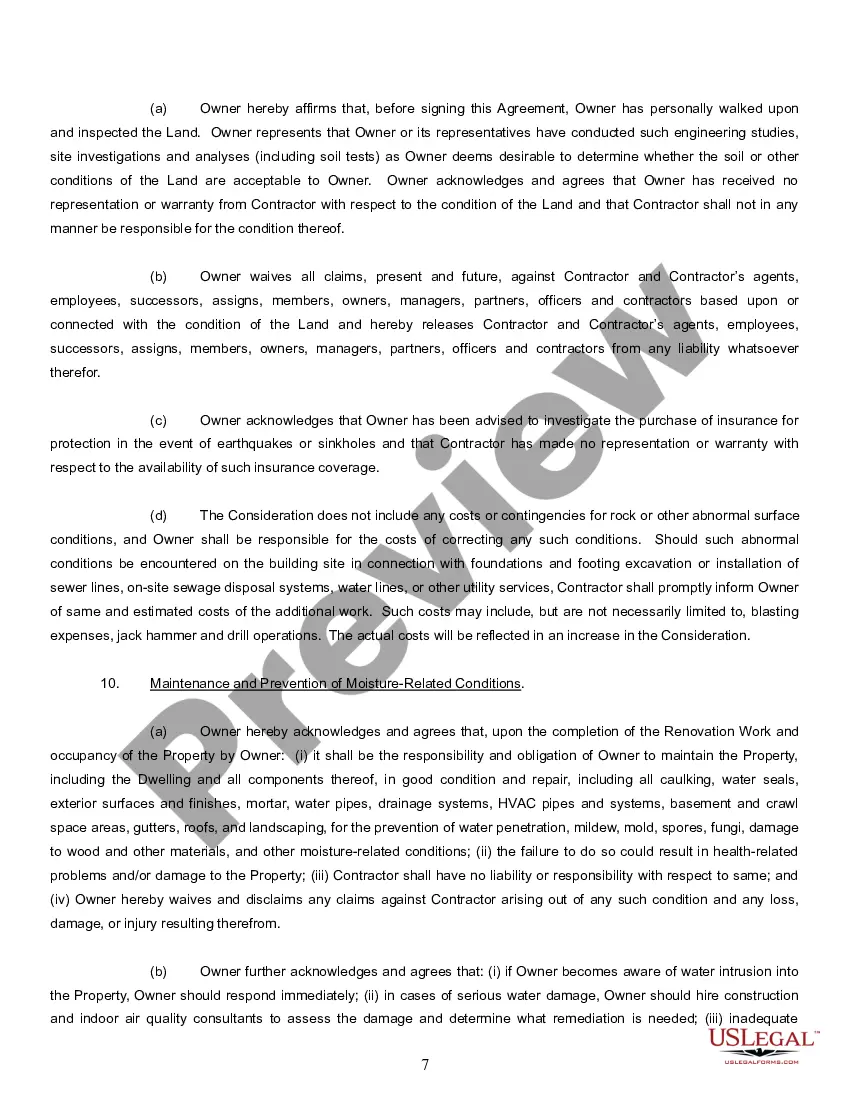
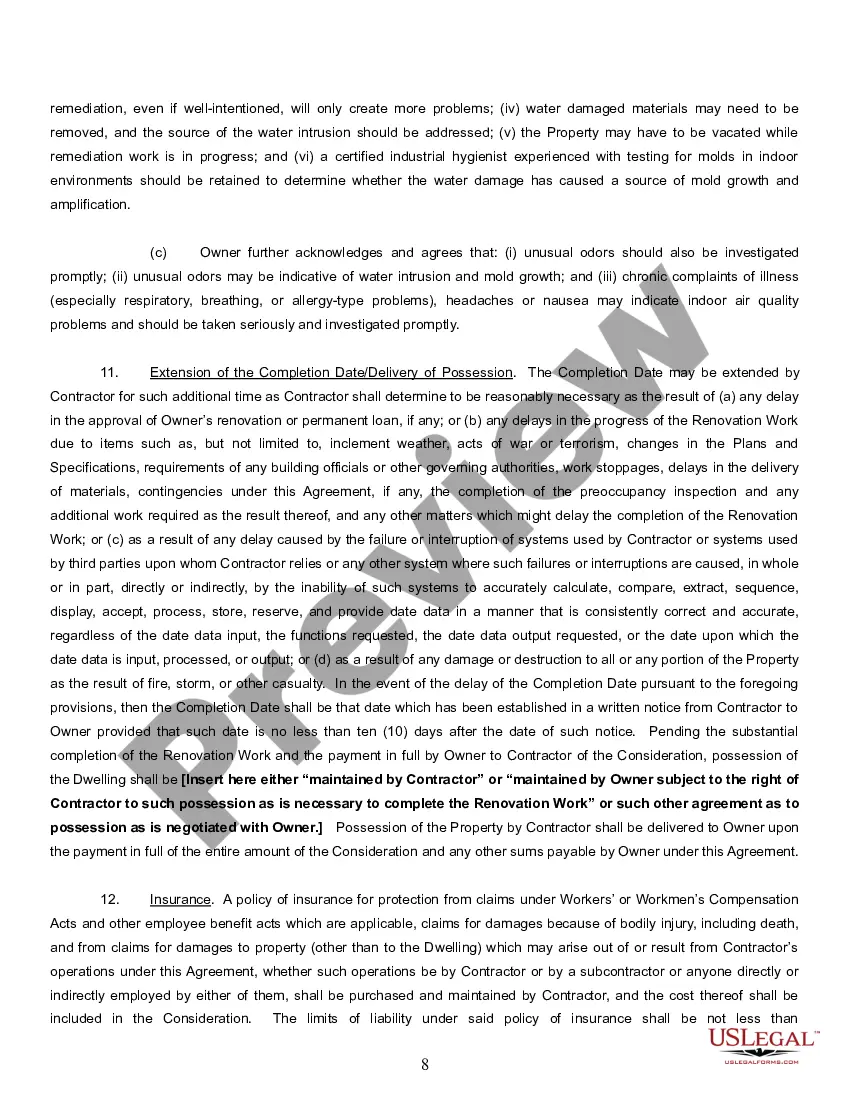
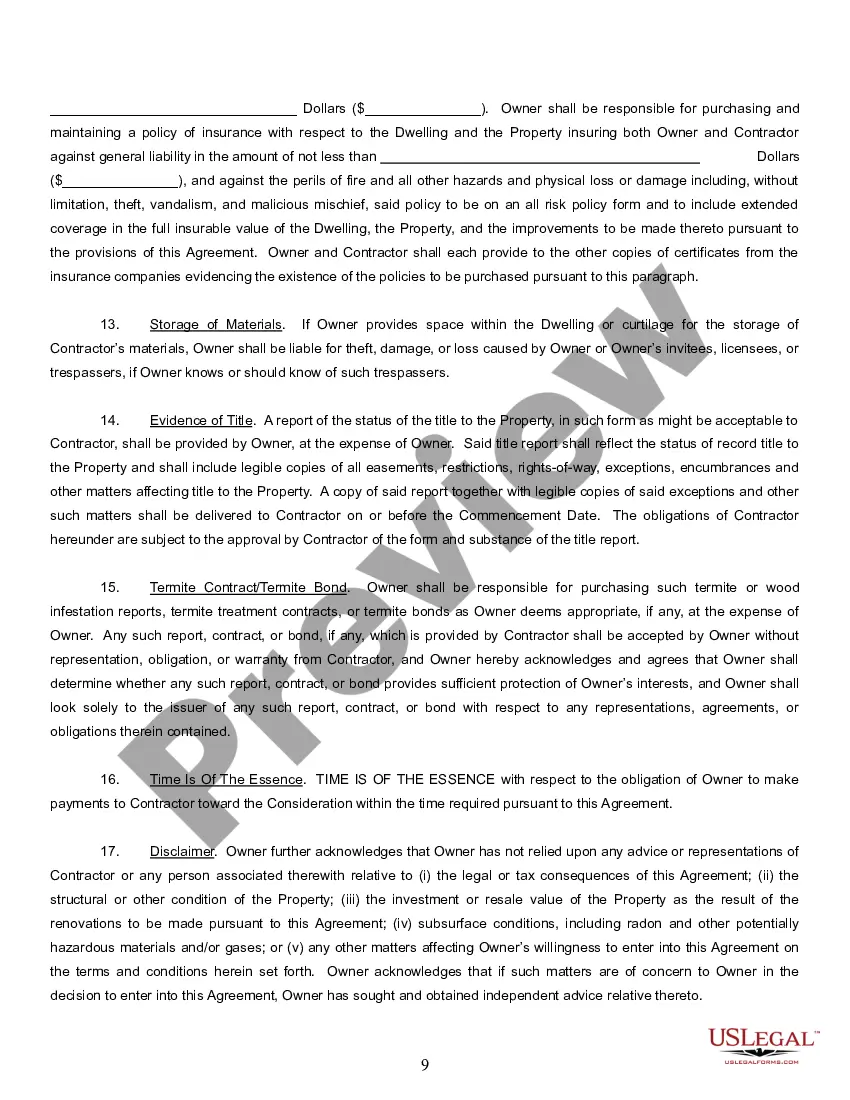
Make sure your contractor has liability insurance and workers' compensation. This coverage protects you in case of accidents or damages during the project. It'll give you peace of mind!
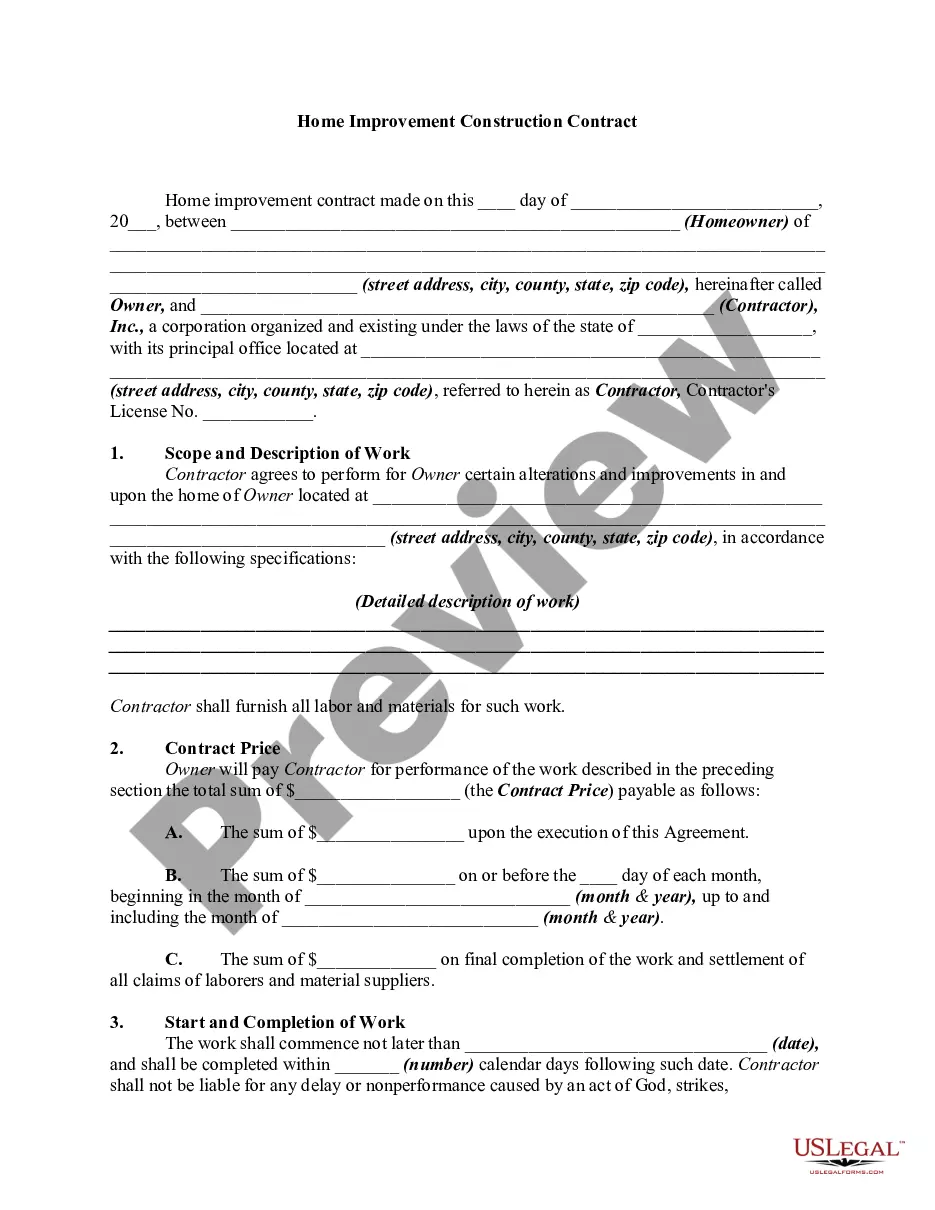
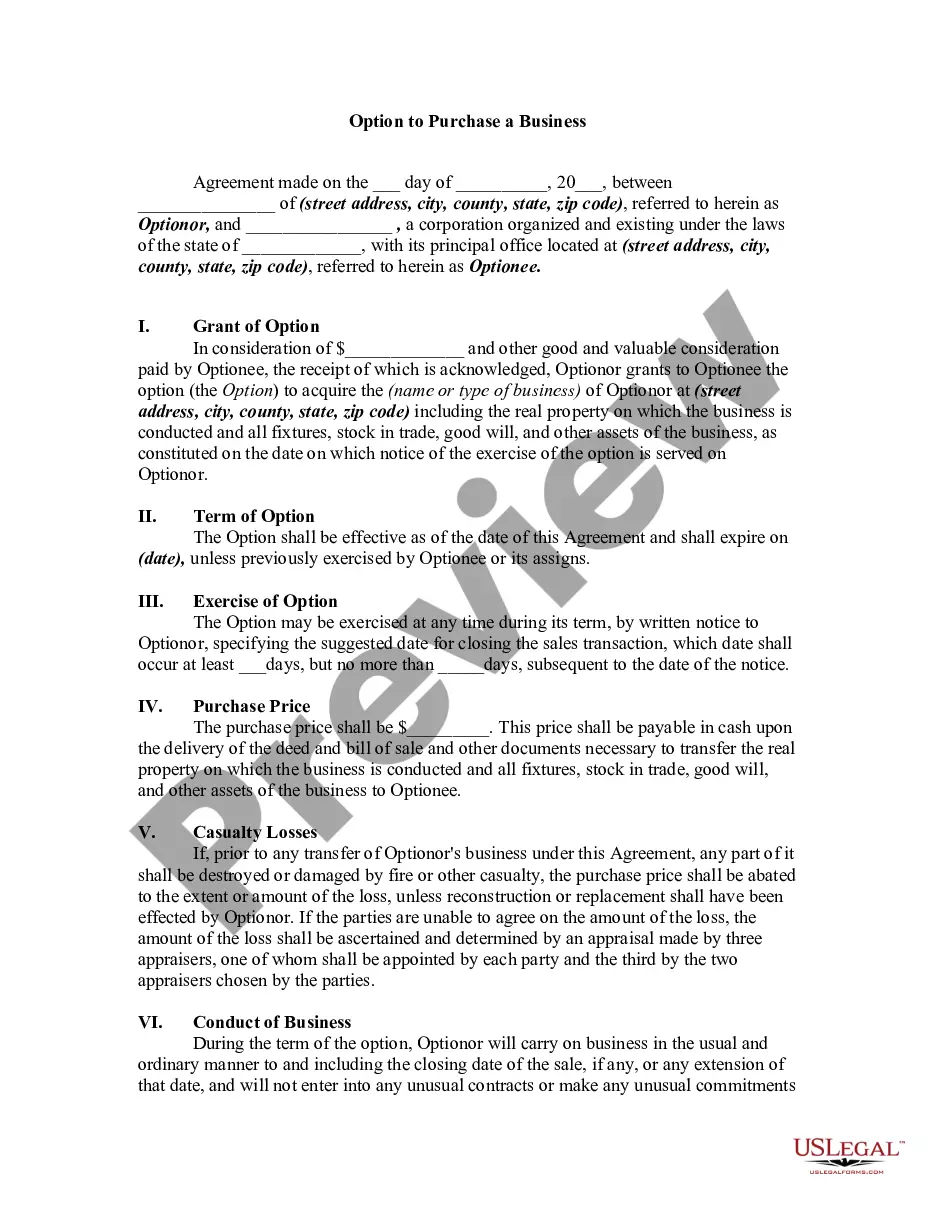
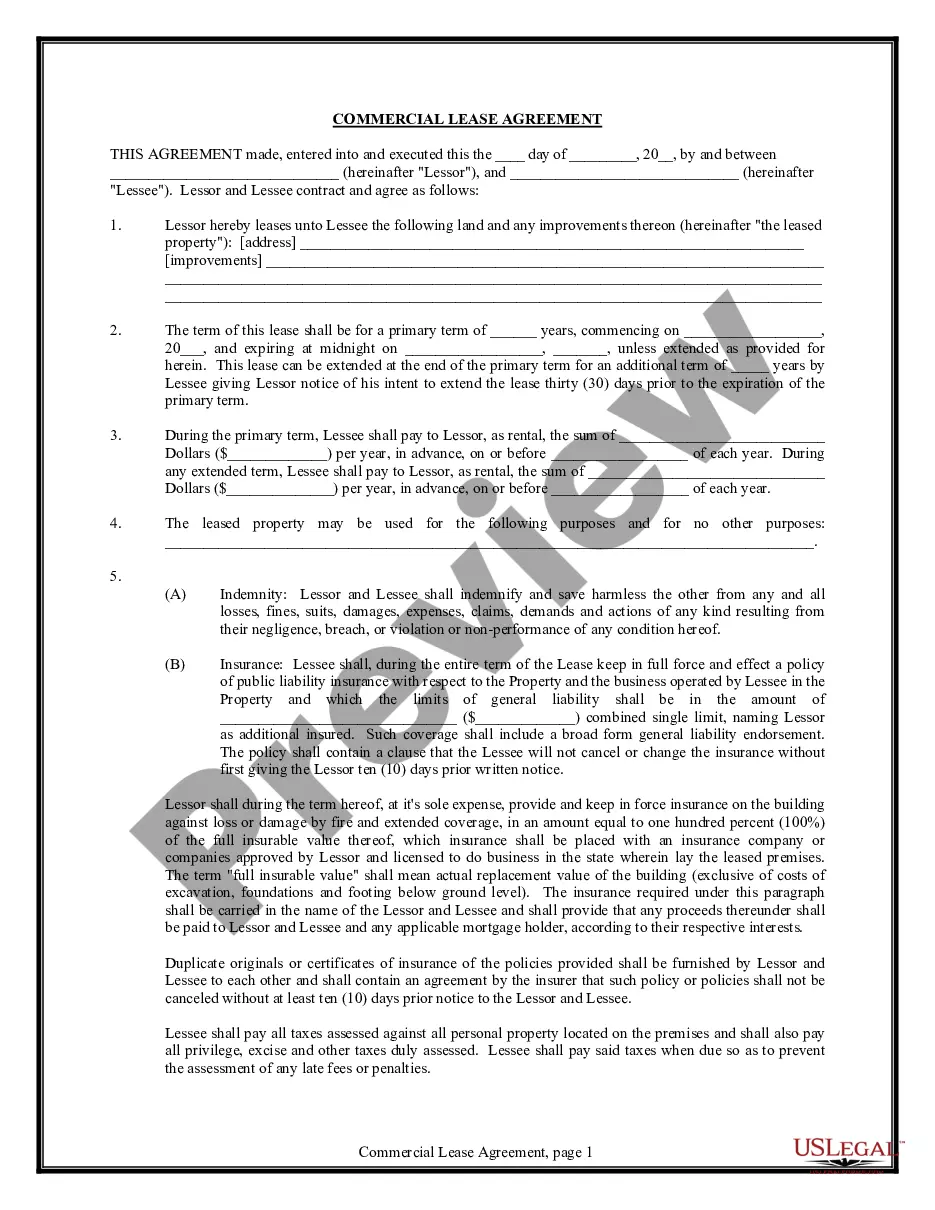
Absolutely! A written contract helps prevent misunderstandings and can be a lifesaver if disputes arise. It's better to have it in black and white.
Your contract should specify how to handle dissatisfaction. Typically, you should bring it to the contractor’s attention ASAP and see if they can make it right. Communication is key!
Having a lawyer take a look can be a wise move. They can spot any red flags and make sure everything's above board.
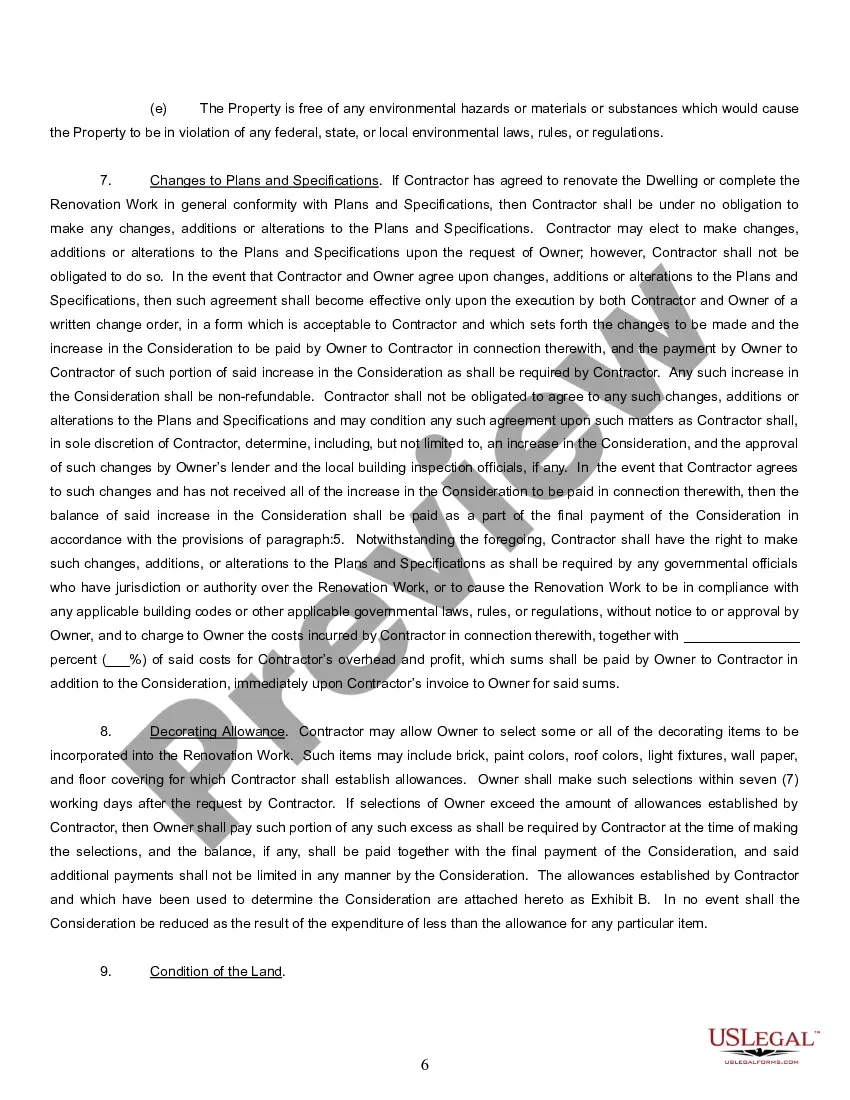
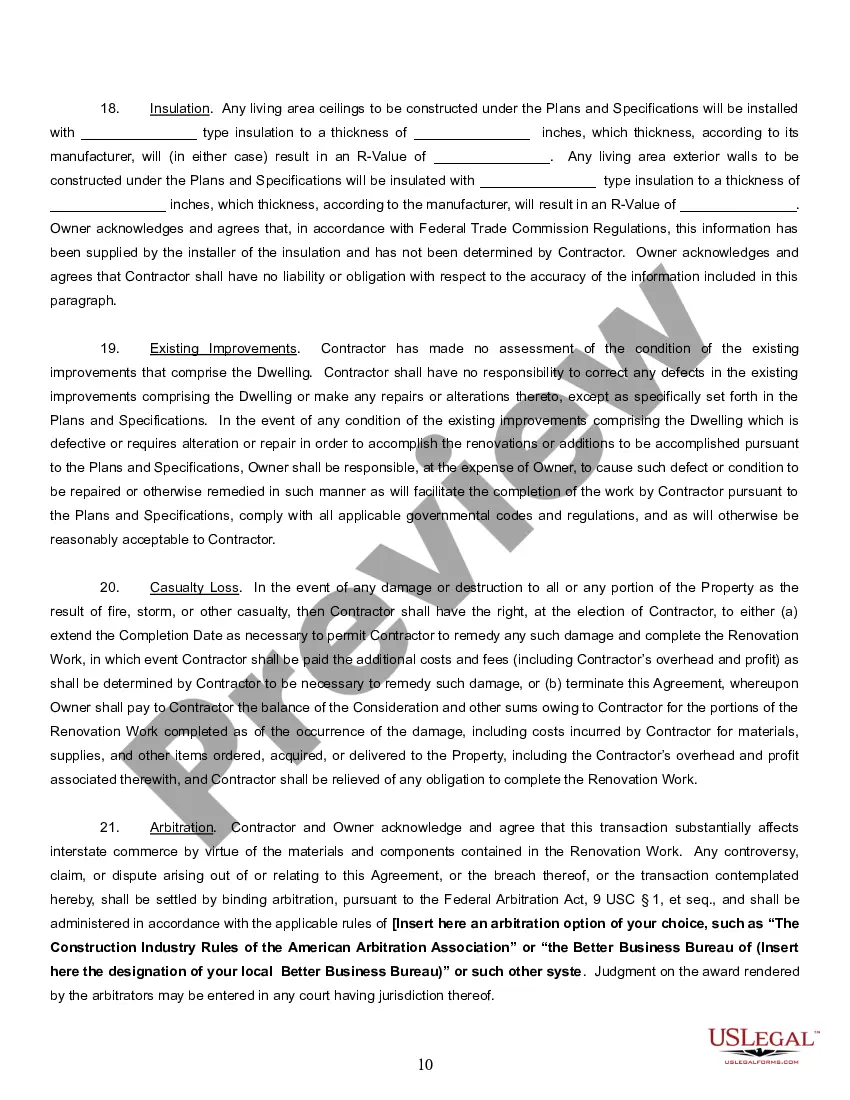
In the event of changes, your contract should outline how to handle them. Usually, you'll need to agree on adjustments before the work continues. It's better to read the fine print!
To keep things on the straight and narrow, set clear deadlines in your contract and have regular check-ins with your contractor to follow up on progress.
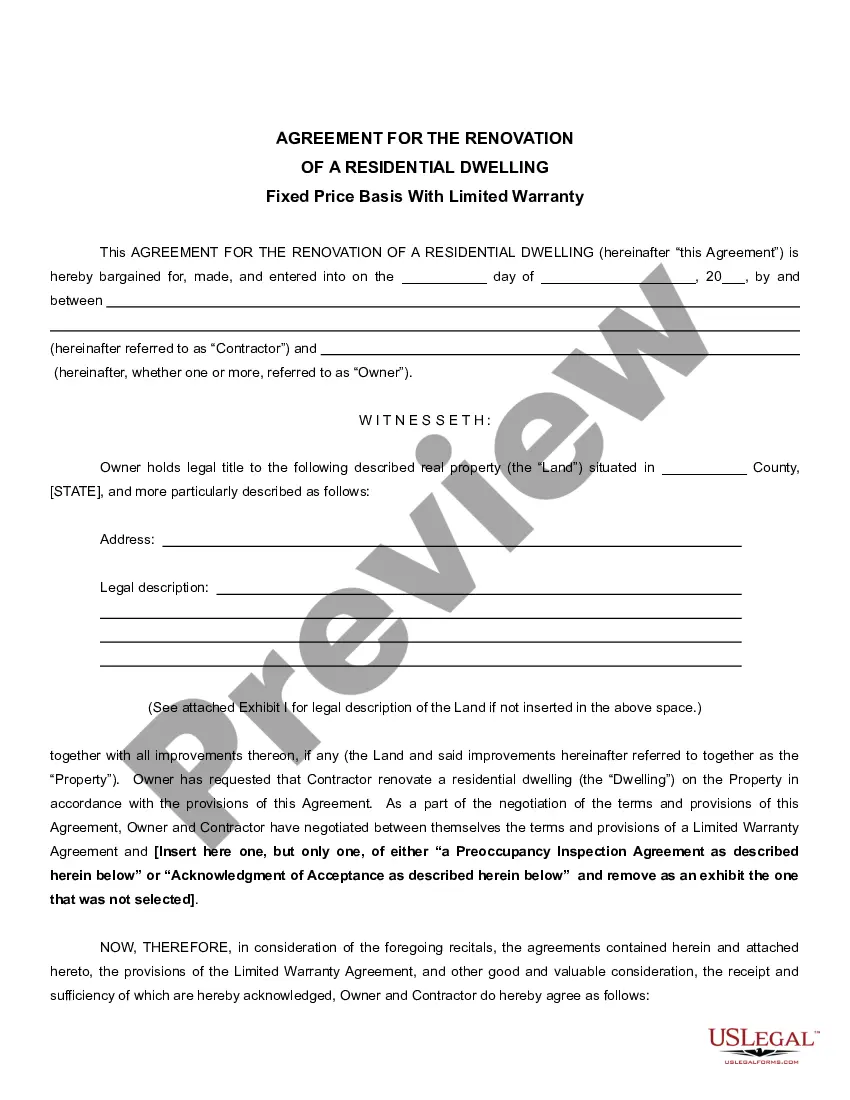
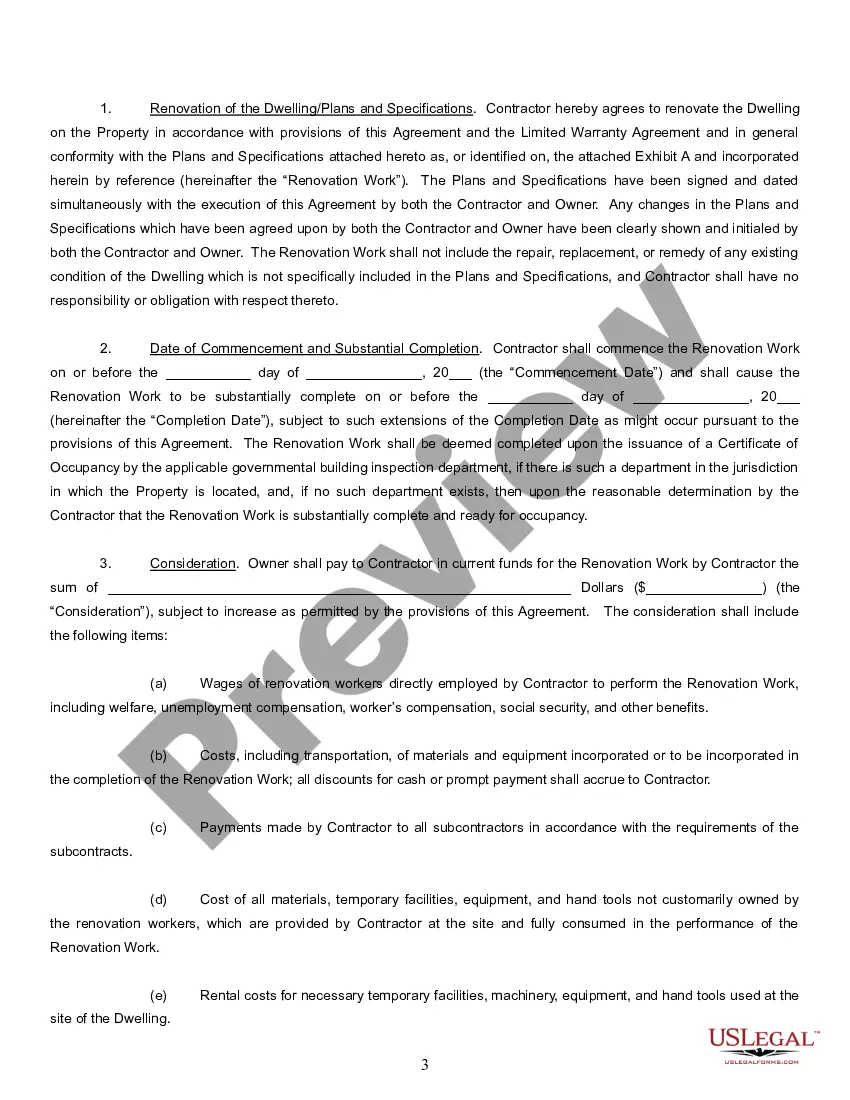
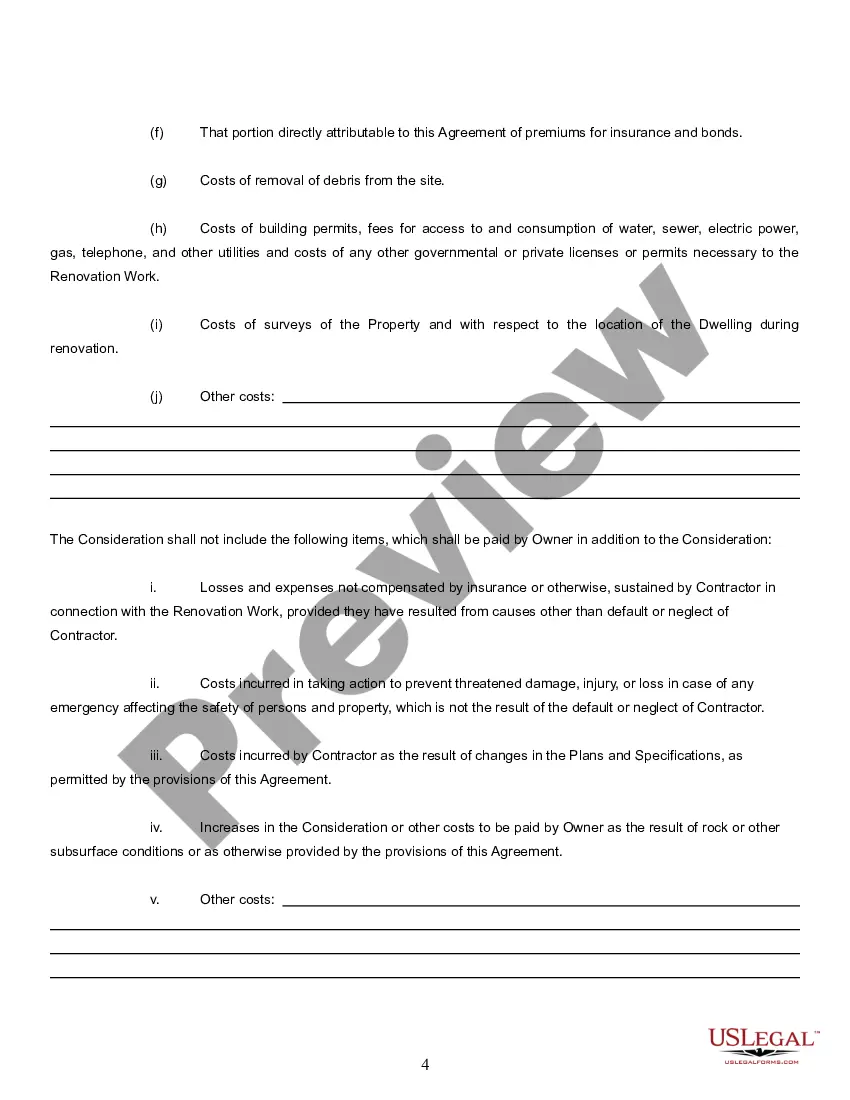
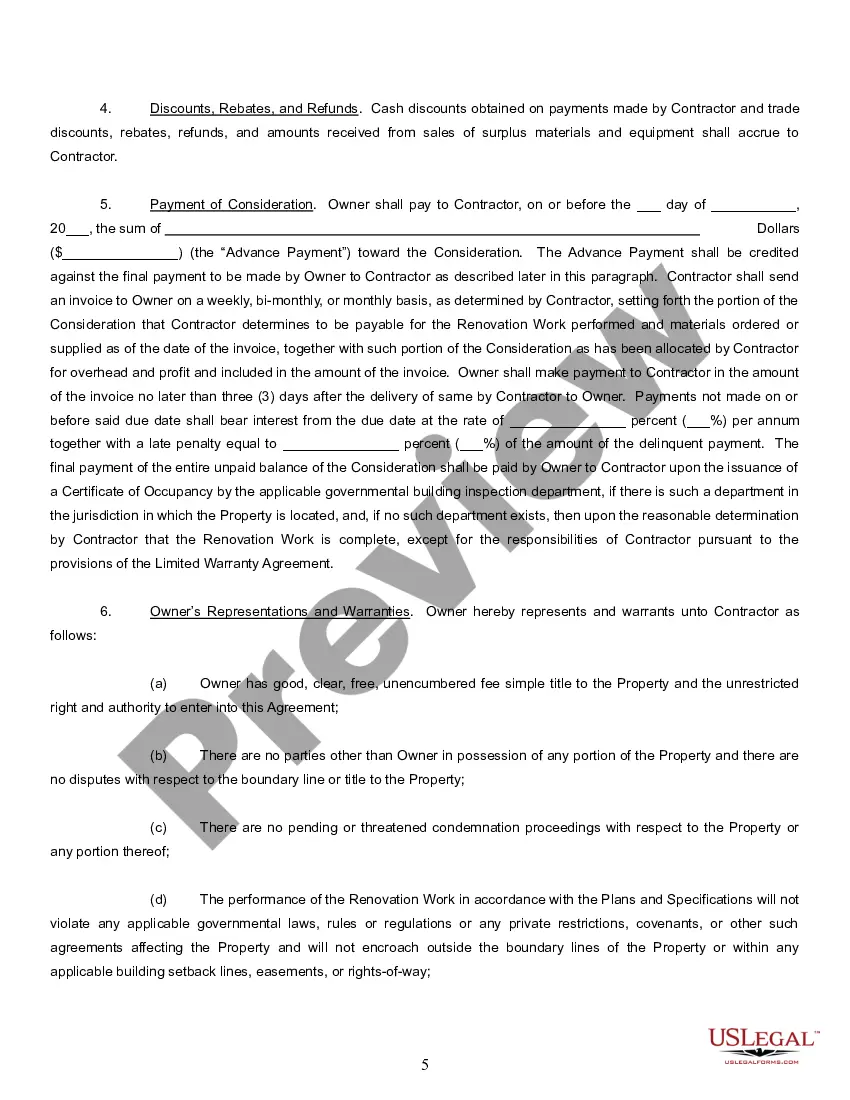
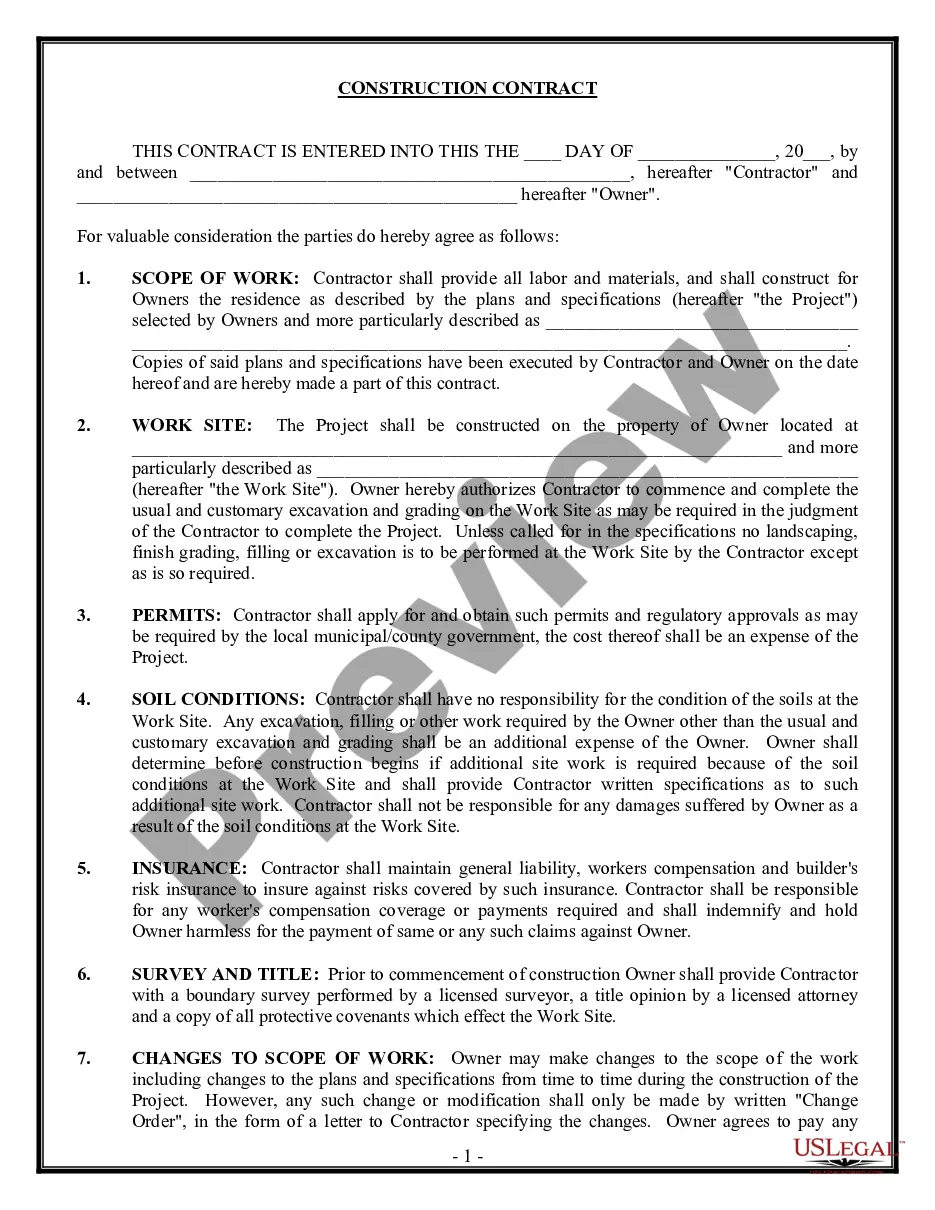
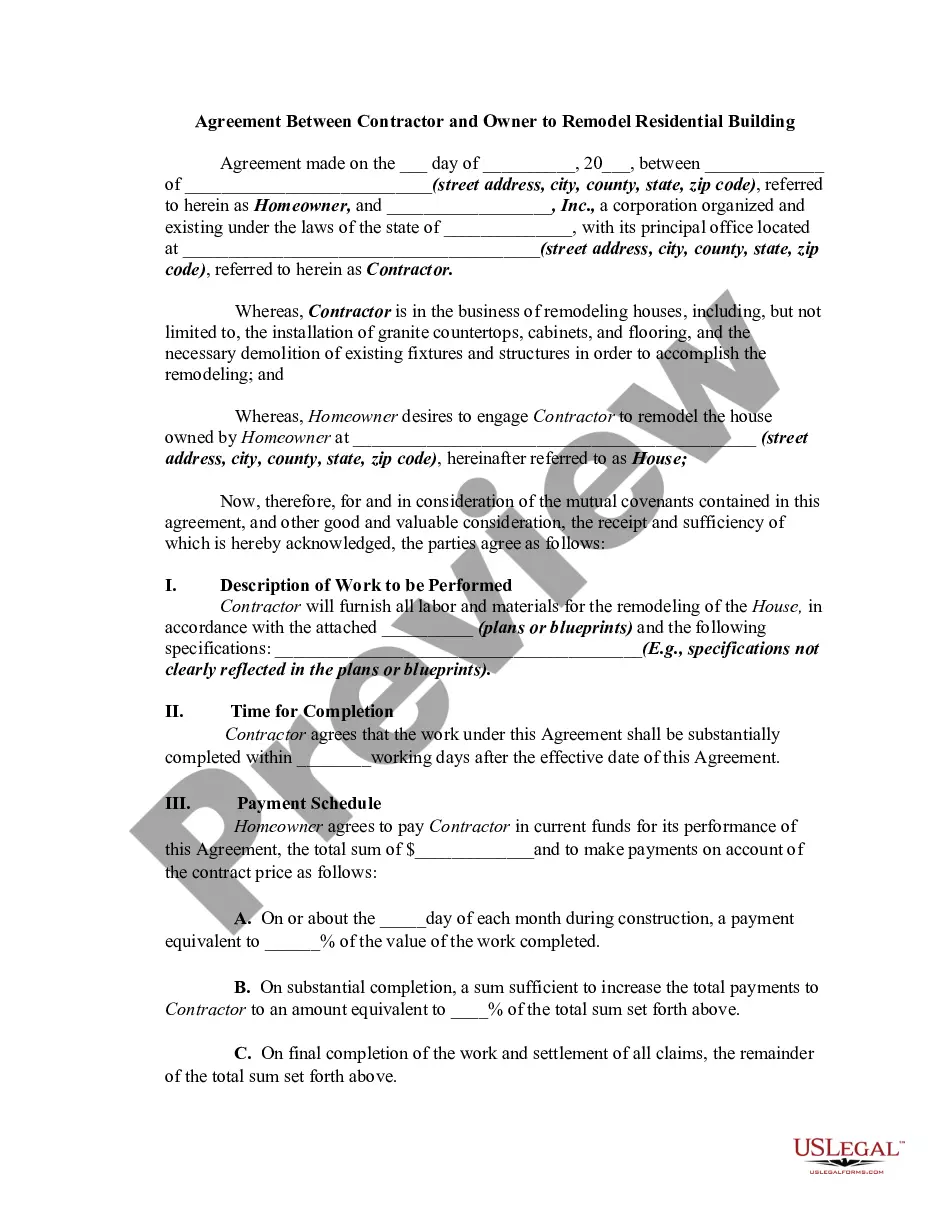
You should include details like project scope, timelines, materials to be used, payment terms, and any necessary permits. It's best to dot the i's and cross the t's!