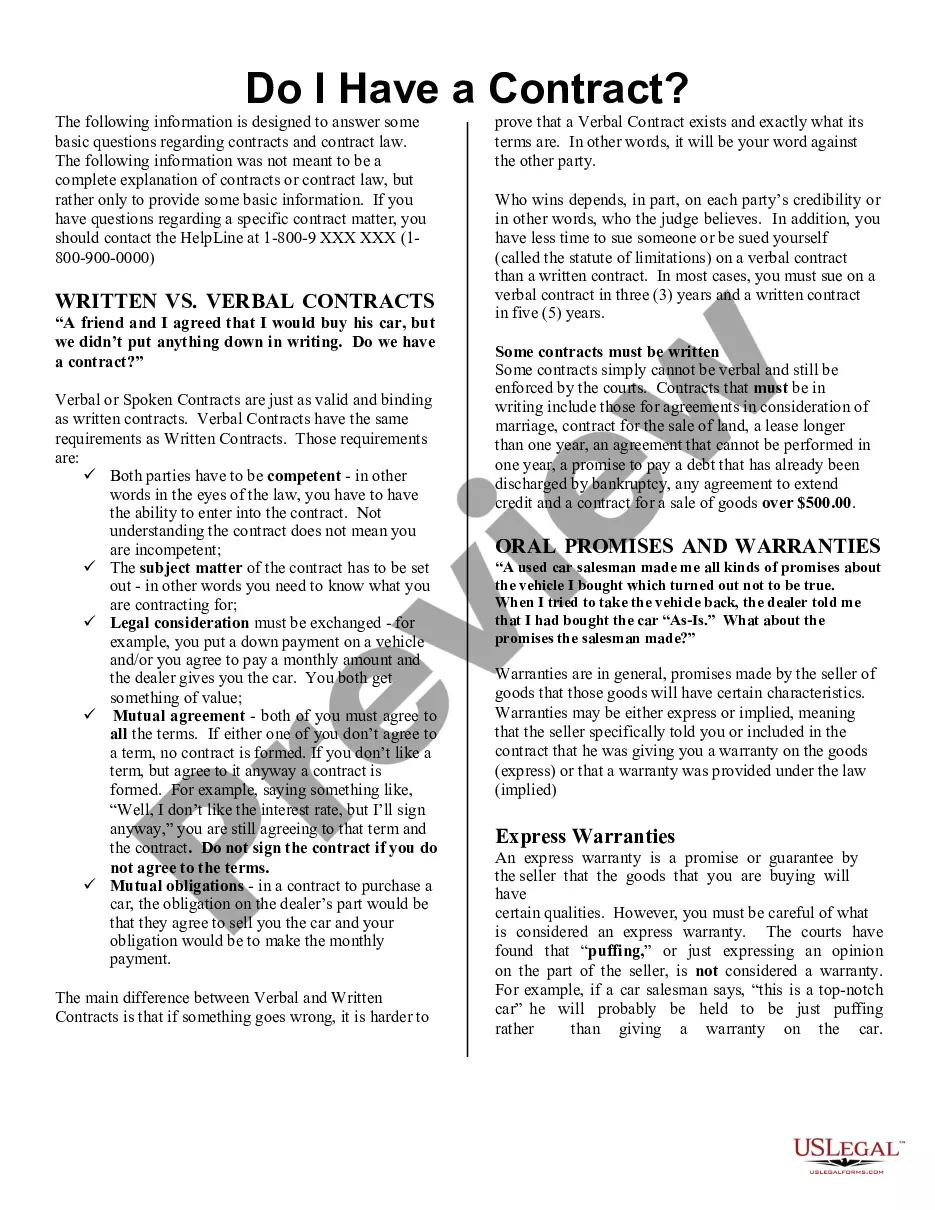
In some cases, verbal agreements can be considered contracts, but they’re often hard to prove. It’s always safer to get things in writing to avoid any misunderstandings down the road.
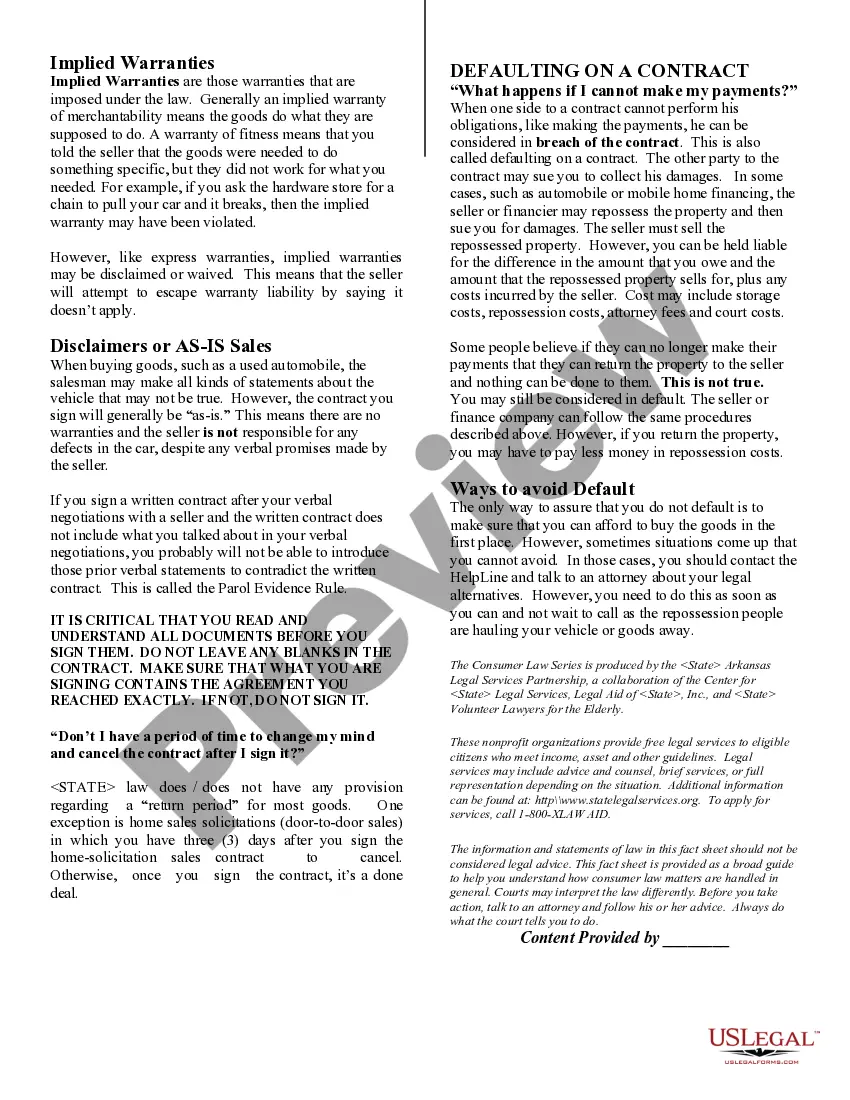
Yes, there are time limits, known as statutes of limitations, that dictate how long you have to enforce a contract. Typically, it’s a good idea to act as soon as you realize there’s a problem—like striking while the iron is hot.
If the other party isn’t holding up their end of the bargain, it’s best to first communicate with them. If that doesn’t work, you might need to consider legal options to resolve the issue.
Backing out of a contract depends on its terms, but usually, it can be tricky. It’s like trying to turn back once you’ve crossed the finish line; it may not be easy, and it might come with some consequences.
If you've misplaced your contract, don’t sweat it! Start by checking your email and any paperwork you might have overlooked. If all else fails, reach out to the other party to help you get a copy.
To check if you have a contract, you should look through any documents you received when you made your agreement. If you’re not sure, it might be worth asking the other party or consulting a legal expert.
Having a contract means you have a formal agreement that outlines the responsibilities and expectations for both parties, kind of like having a handshake but with a lot more details.