Once the responses are submitted, it’s tough to change them. But if there’s a mistake or new evidence pops up, they might be able to seek permission from the court to amend their responses.
Definitely! There’s usually a deadline set by the court, so the Defendant needs to get their responses in before that clock runs out.
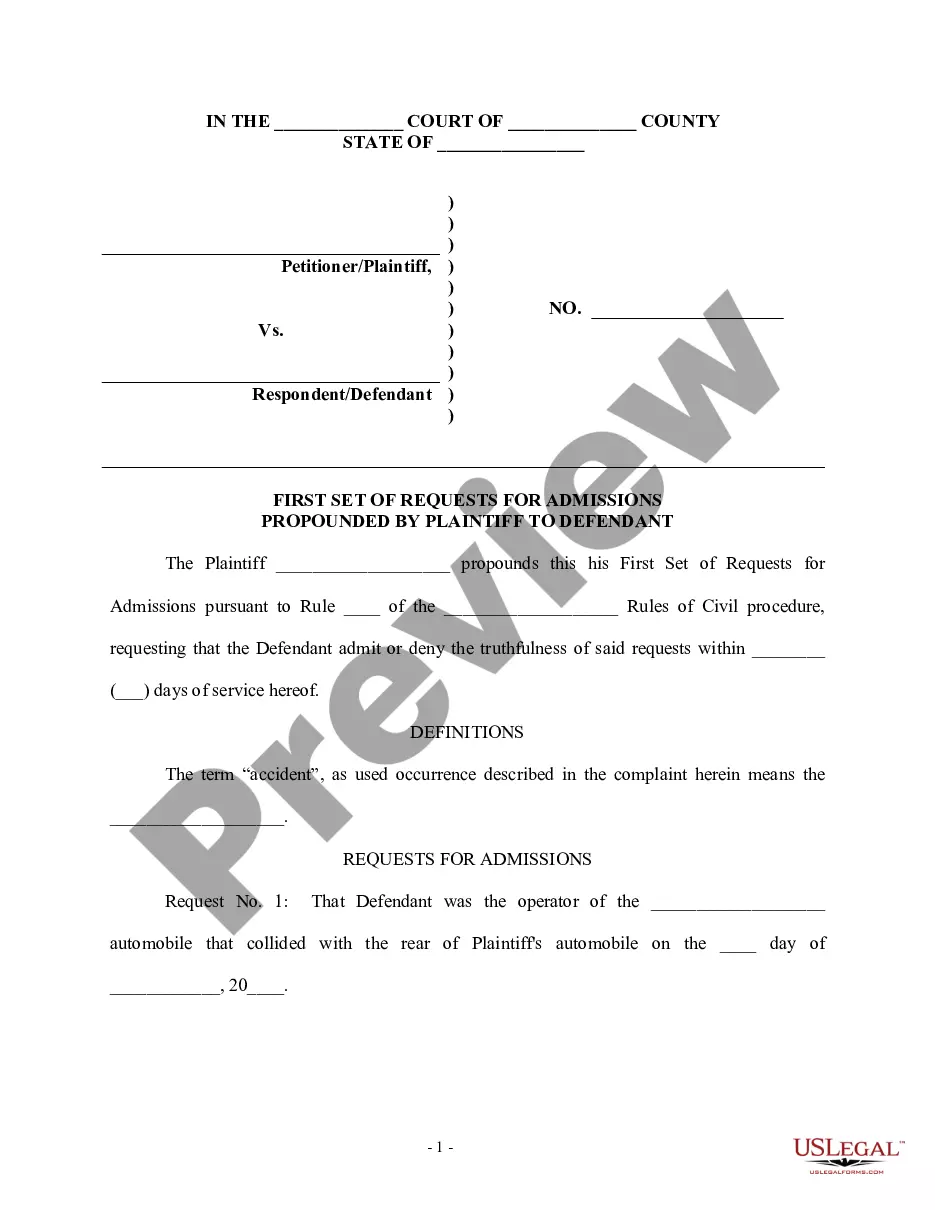
If the Defendant drops the ball and doesn't respond, the court may assume that they admitted the statements. That could be a big hurdle for their case!
Yes, if the Defendant isn't sure about the statement and doesn't have enough info, they can deny it. It's better to deny than to admit something that's uncertain.
If the Defendant admits it, that means they accept the statement as true. This can make the case a bit easier for the Plaintiff, since they don't have to prove that point anymore!
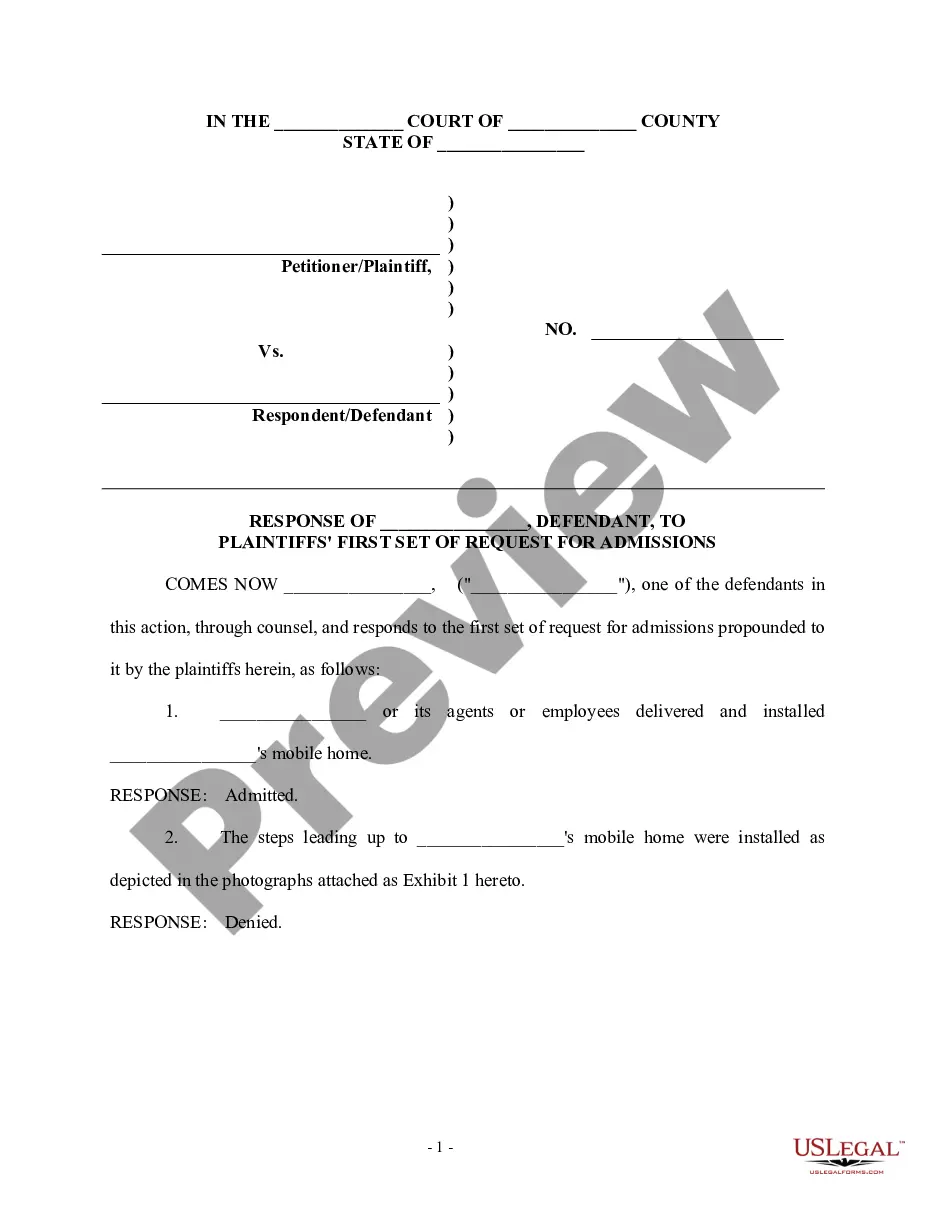
The Defendant needs to look at each statement carefully and provide a clear answer. It's important to either admit, deny, or explain why they can't admit or deny it.
It's basically the Defendant's way of saying 'yes' or 'no' to the statements made by the Plaintiff. It helps clarify what's being disputed in the case.