Taking your time is key. Consult with a lawyer who has your back, weigh your options, and don’t rush into anything. It's better to be safe than sorry, after all.
Yes, some exceptions might apply, like if new evidence comes to light or the agreement was made under duress. Common sense plays a role here, and it's best to discuss with a legal expert.
It's wise to consider the full picture: think about your feelings, the evidence, and whether the settlement truly covers your needs. Having a lawyer on your side to guide you through the fine print can be a real lifesaver.
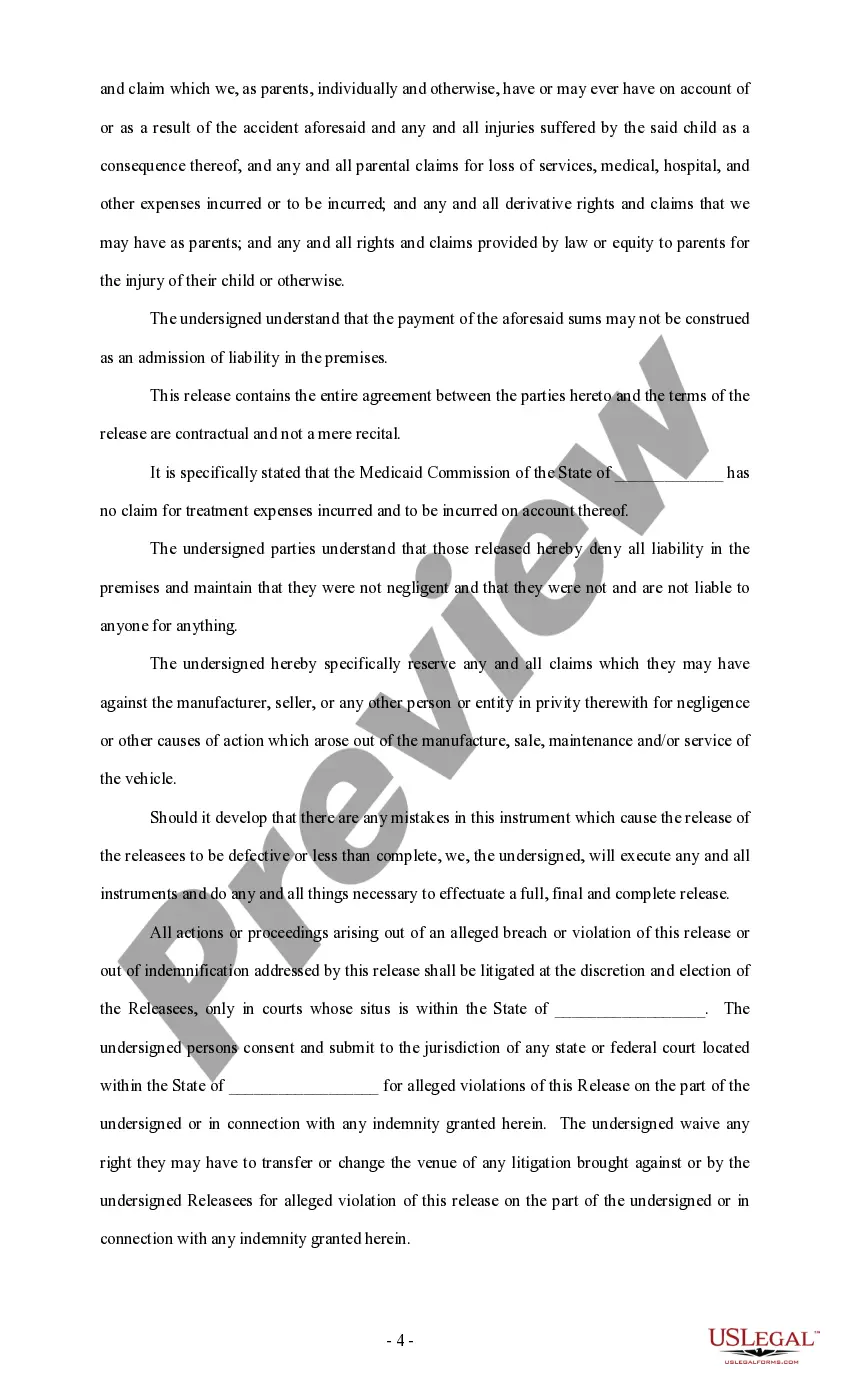
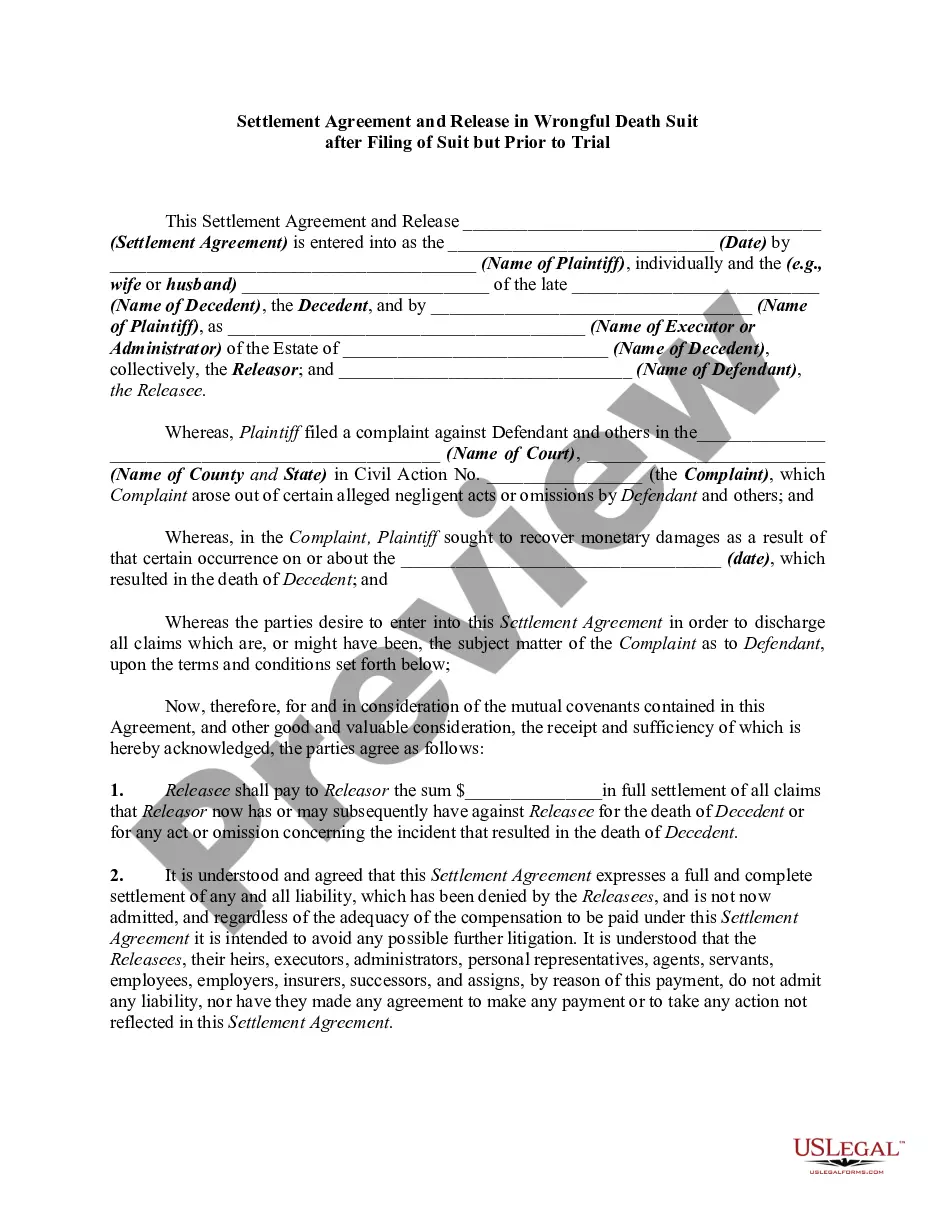
Generally speaking, once you sign that release, you're giving up your right to pursue any future claims about that wrongful death. It's a done deal, so think carefully before putting pen to paper.
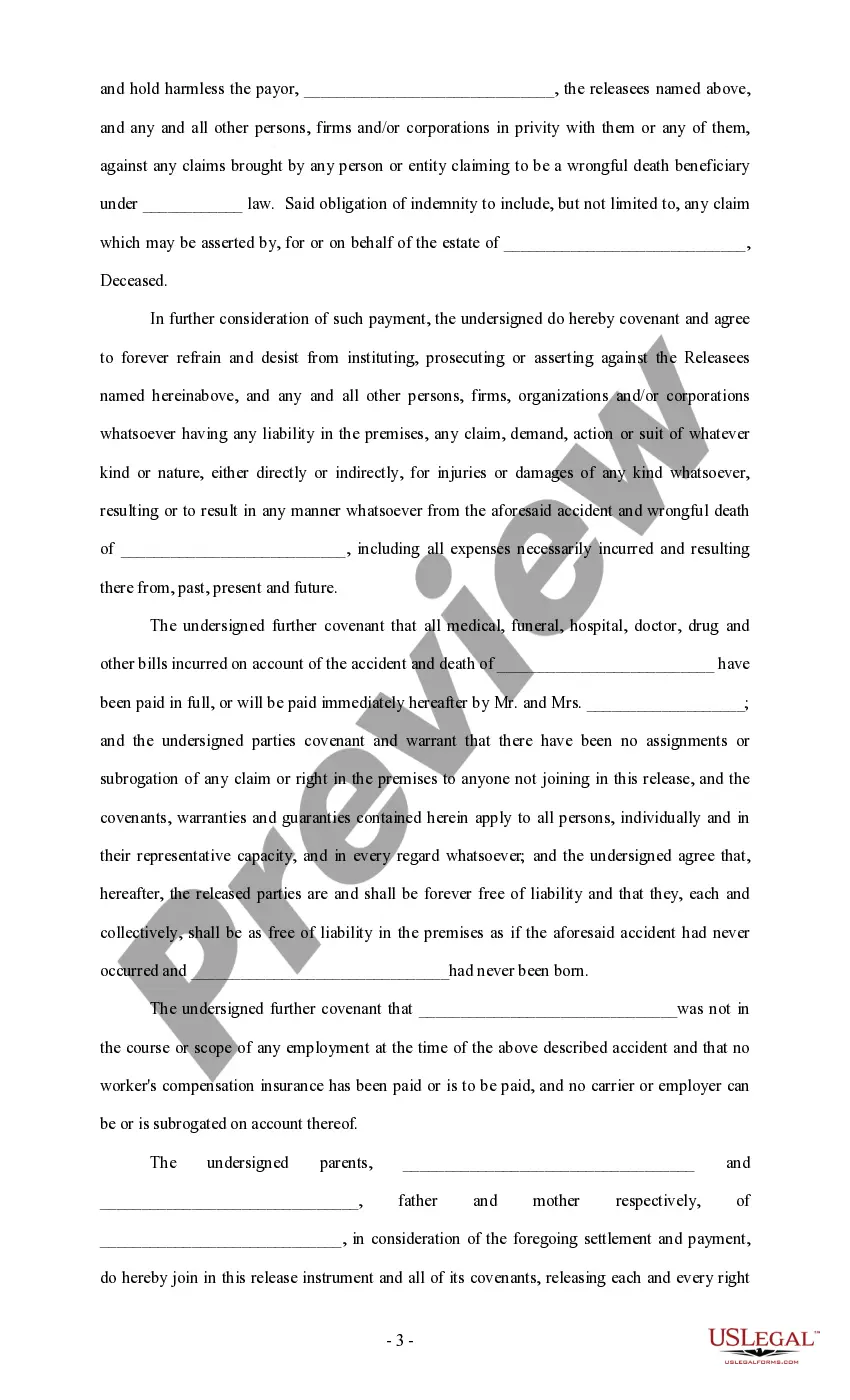
Covenants are like guarantees or promises made in the settlement. They ensure that everyone sticks to the agreement and preserves the peace, so you don't have to go back and forth again later.
Signing an absolute release can provide closure and help you settle things quickly, so you can focus on healing and moving forward instead of dragging things through a lengthy legal battle.
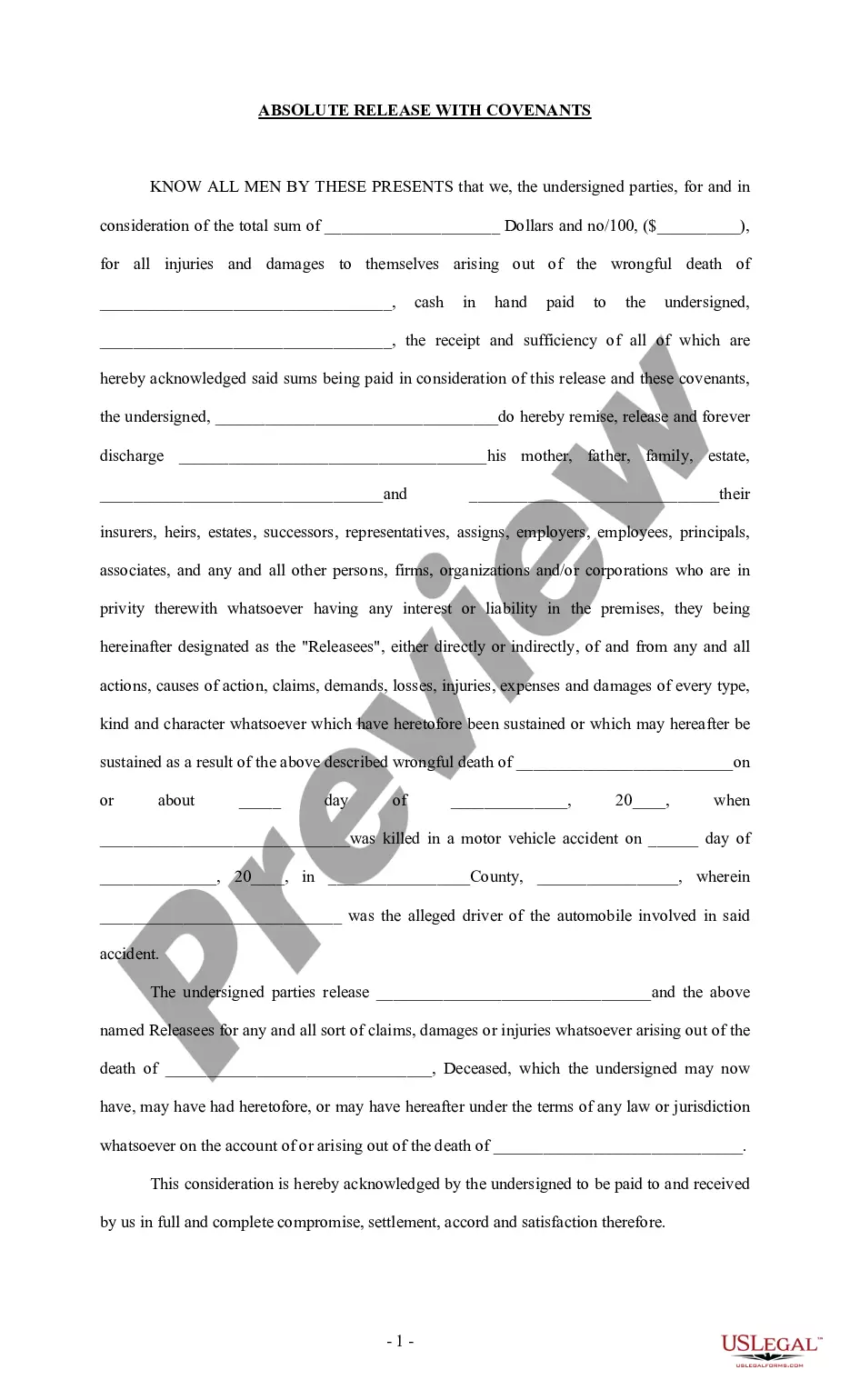
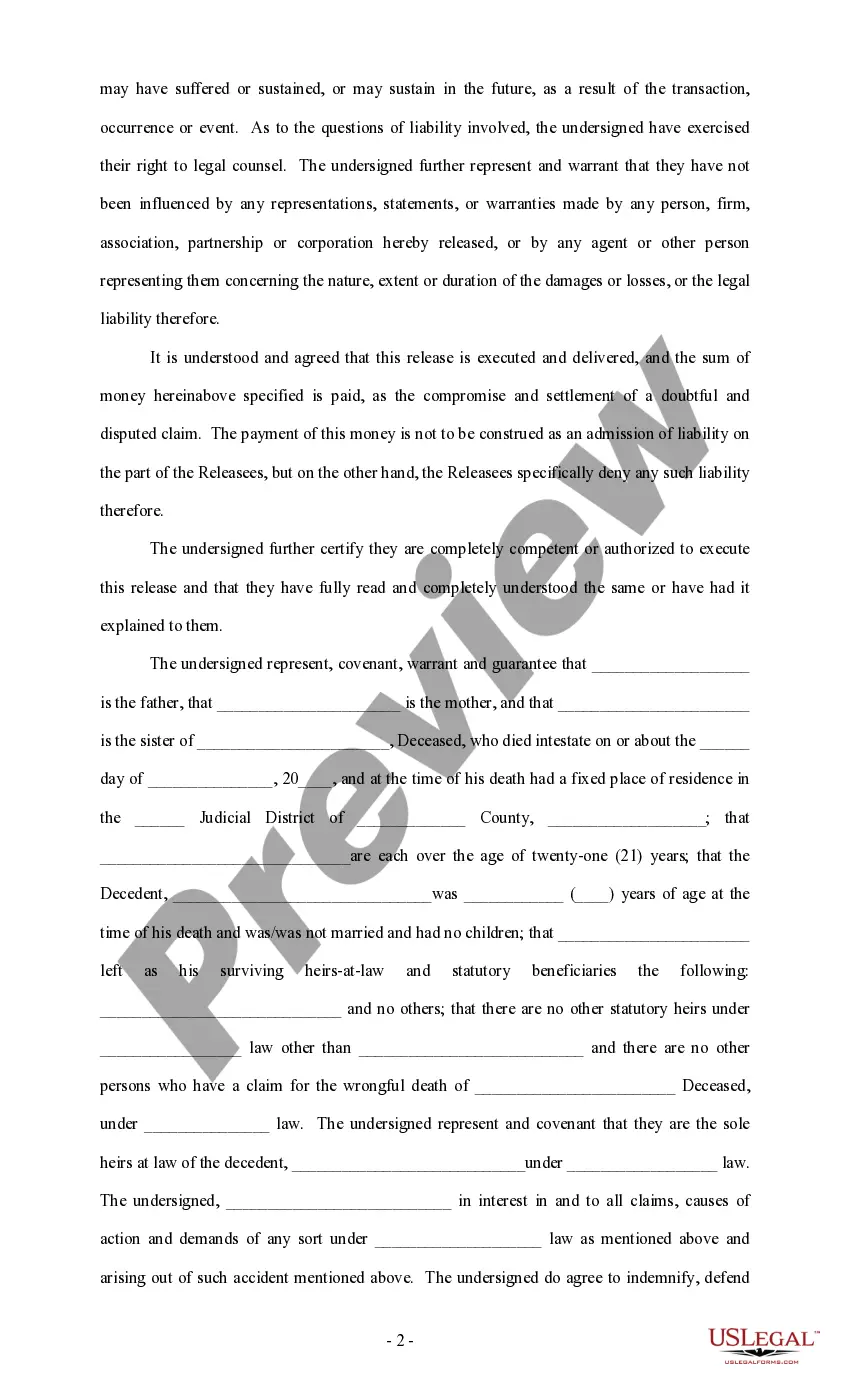
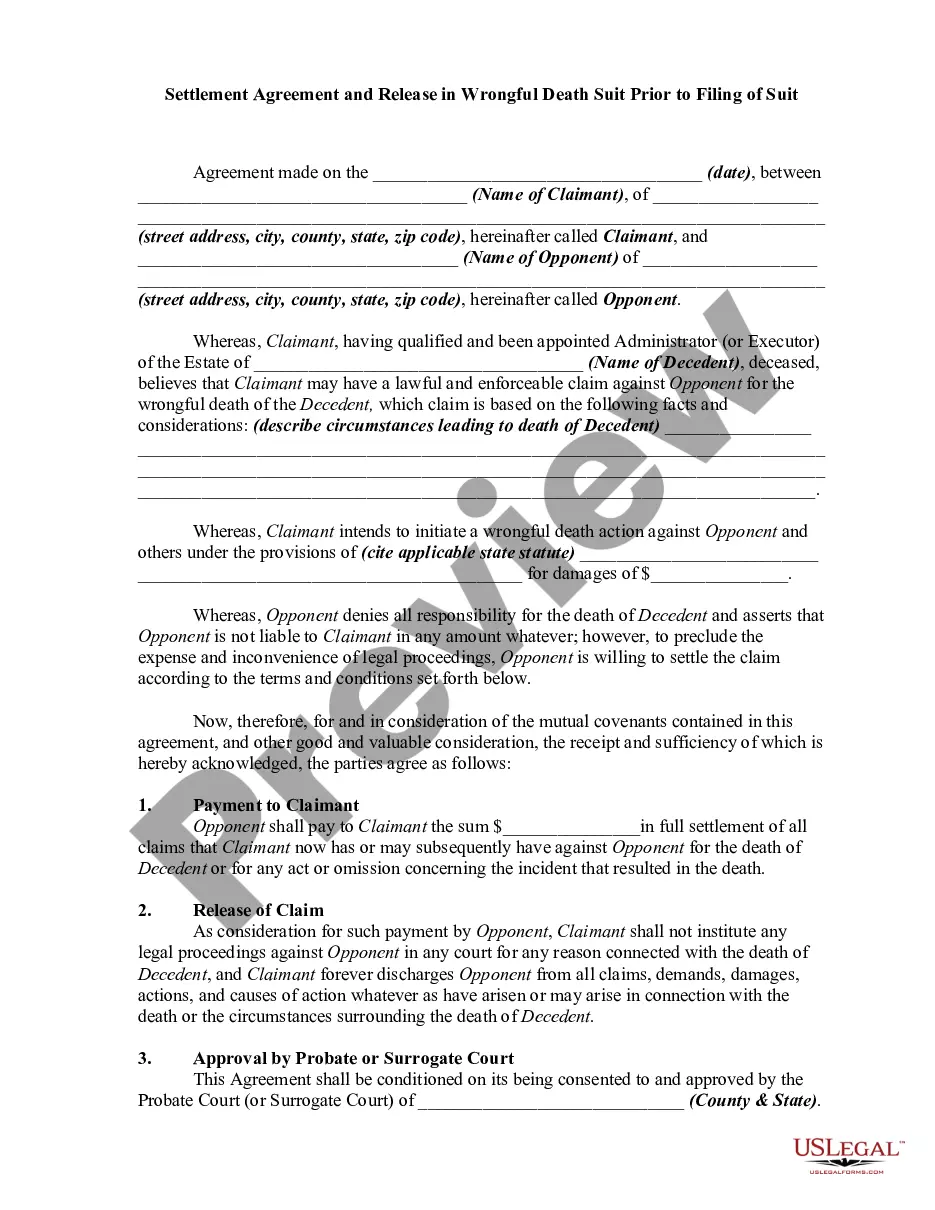
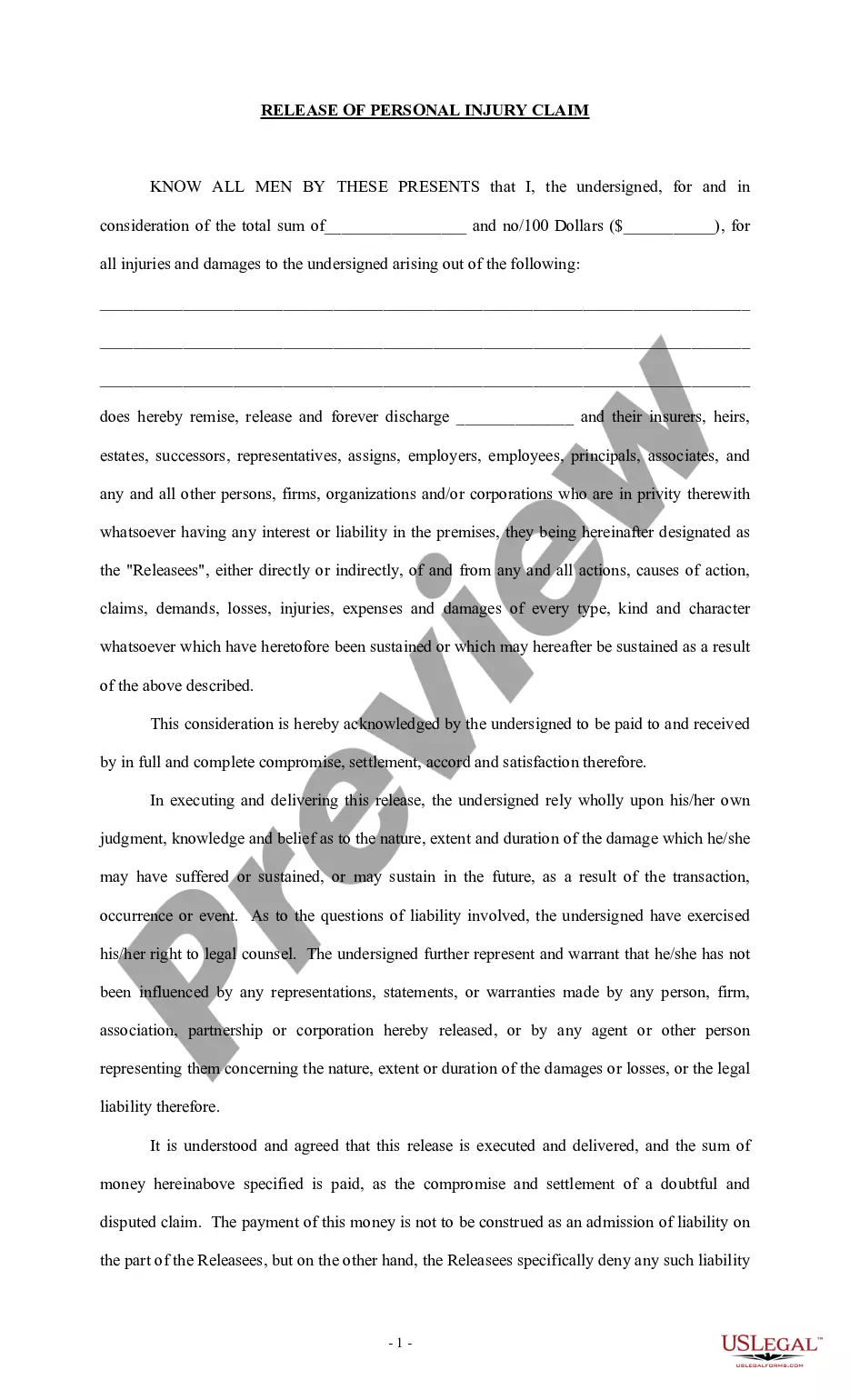
An absolute release with covenants is a legal agreement where a party agrees to give up any claims for wrongful death in exchange for certain promises or benefits. It essentially means you've tied up loose ends on that matter.