Look for a stud with a good reputation, solid health checks, and positive breeding history. Recommendations from fellow dog owners can go a long way.
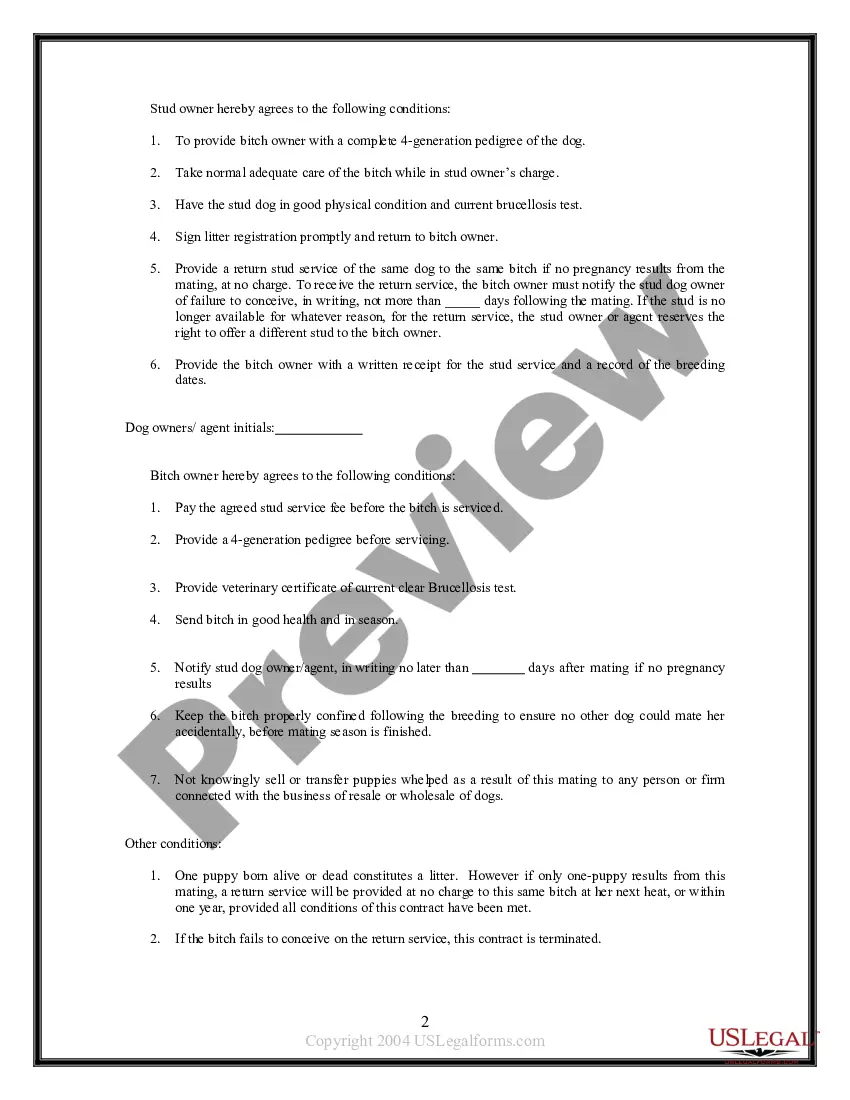
If the breeding doesn’t lead to pups, most contracts will state what happens next. It's important to discuss this upfront and understand each other’s expectations.
Make sure your dog has a solid pedigree, is in good health, and meets breed standards. A vet check is a great idea before diving into breeding.
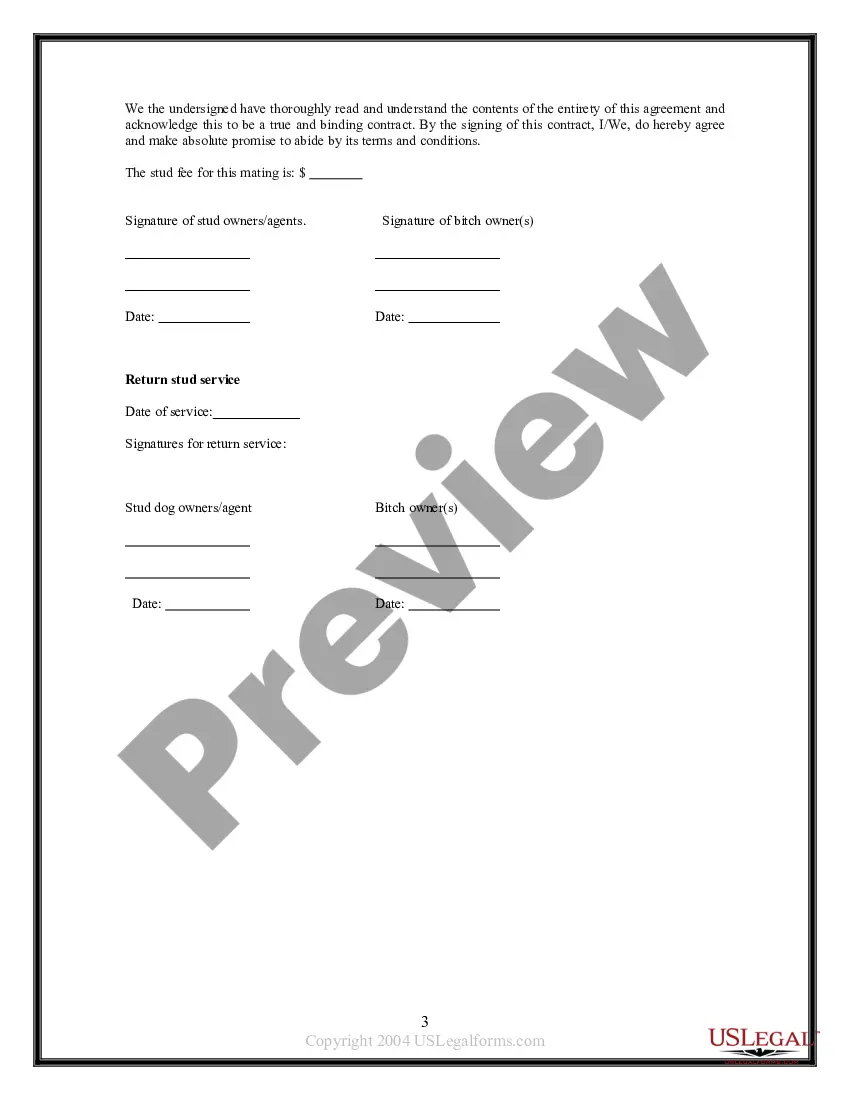
Generally, once both parties sign, the terms are set in stone—but if needed, you can agree to make changes together, just be sure to put any adjustments in writing.
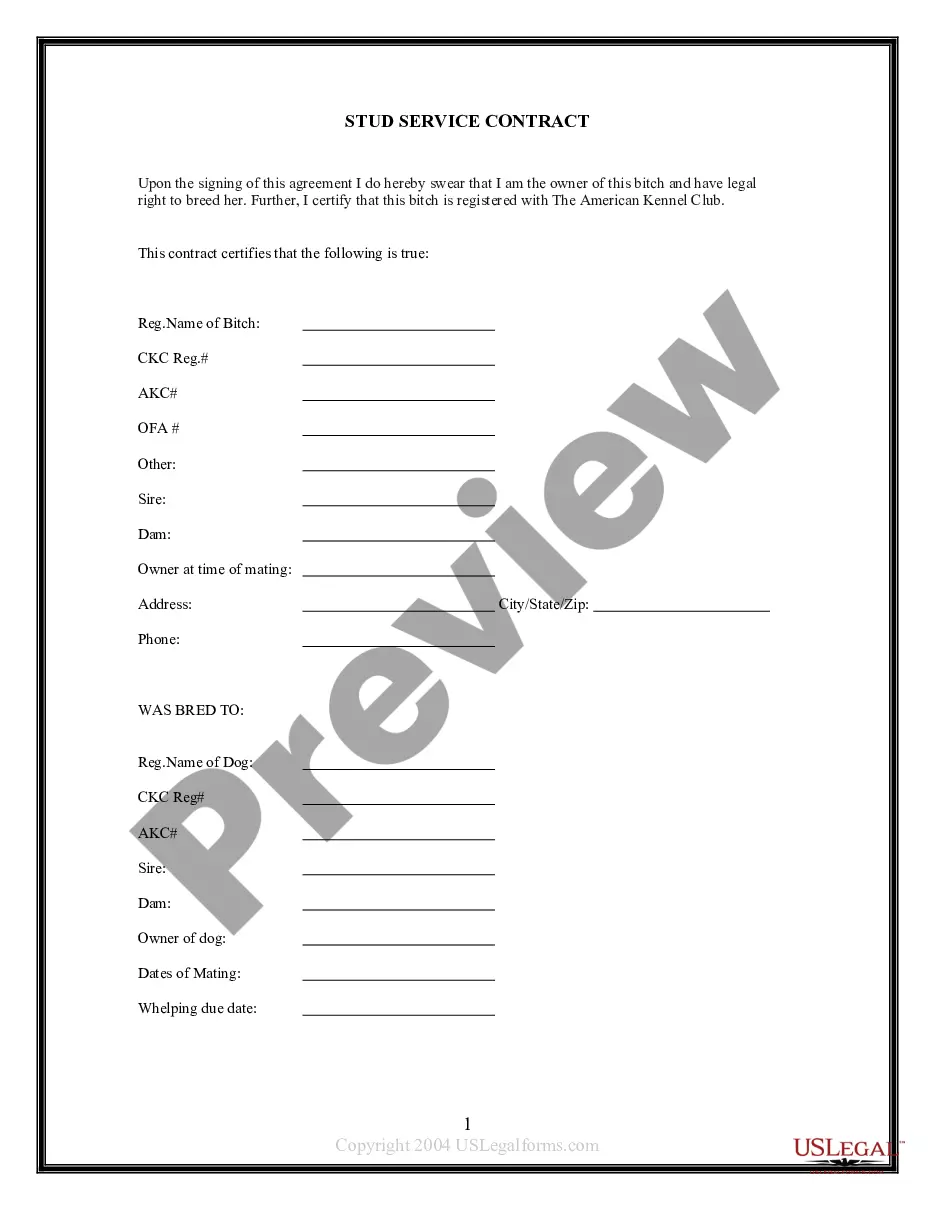
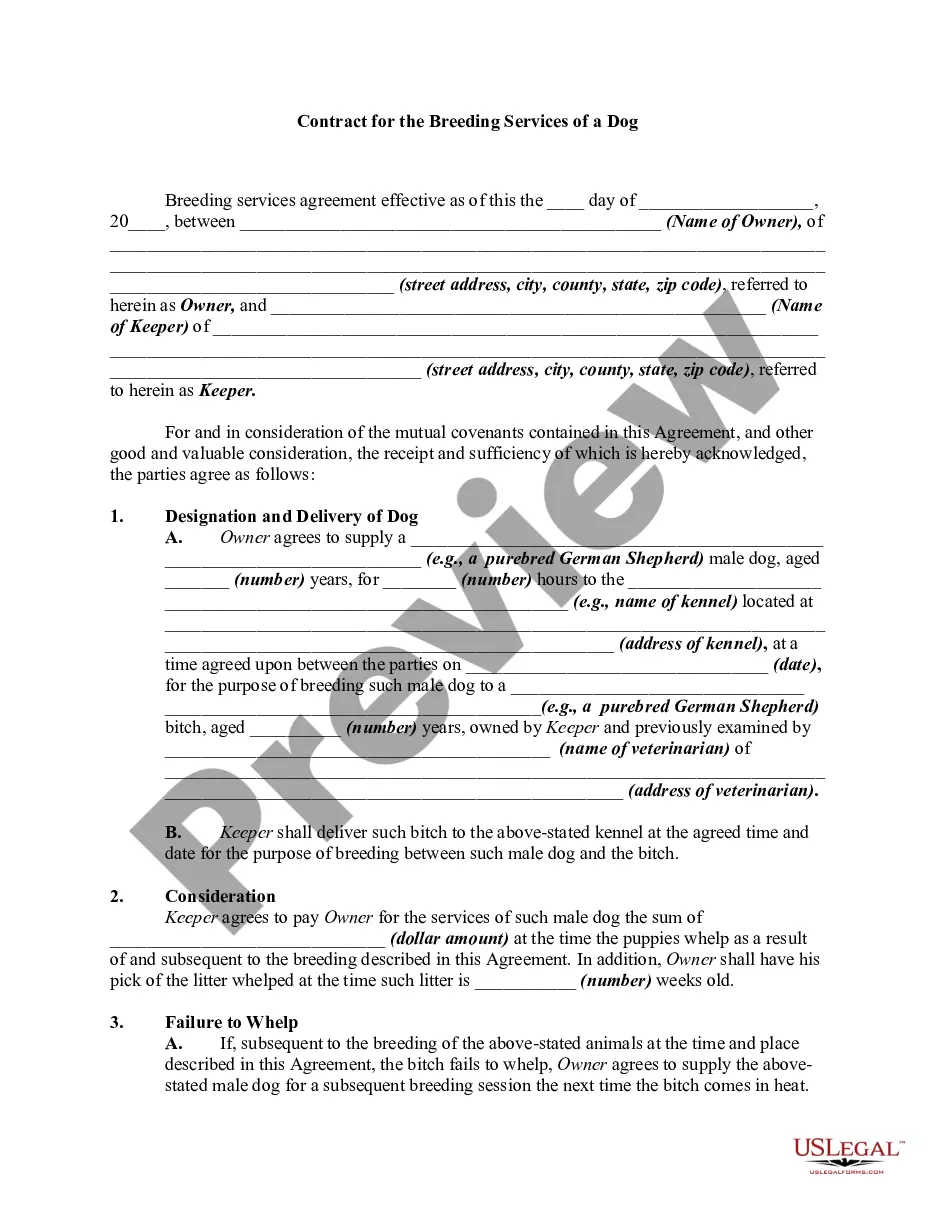
A good stud contract should include details like the dog's pedigree, health clearances, breeding rights, and what happens if things don't go as planned.
Using a stud contract is smart as it helps clear up any misunderstandings. It keeps everything above board, ensuring both parties know what's what.
A canine stud contract is like a written handshake that outlines the agreement between the dog owner and the breeder. It covers the terms for breeding a male dog.