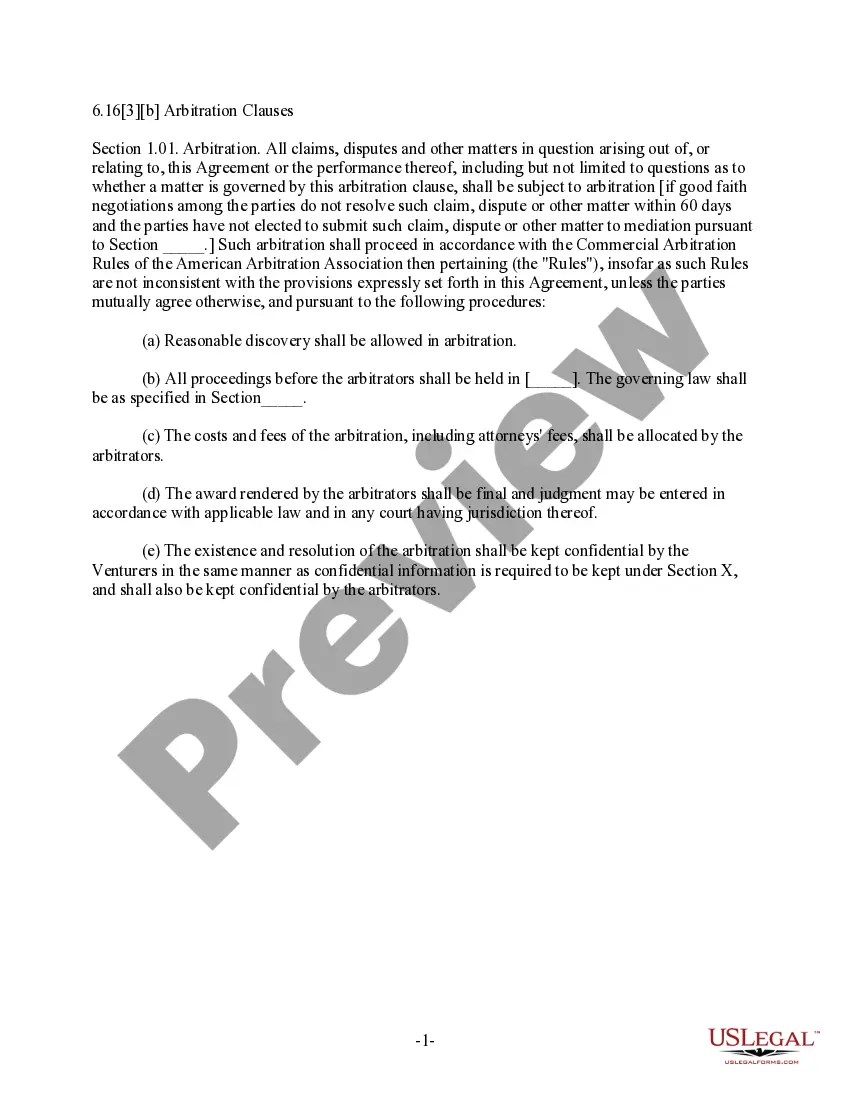
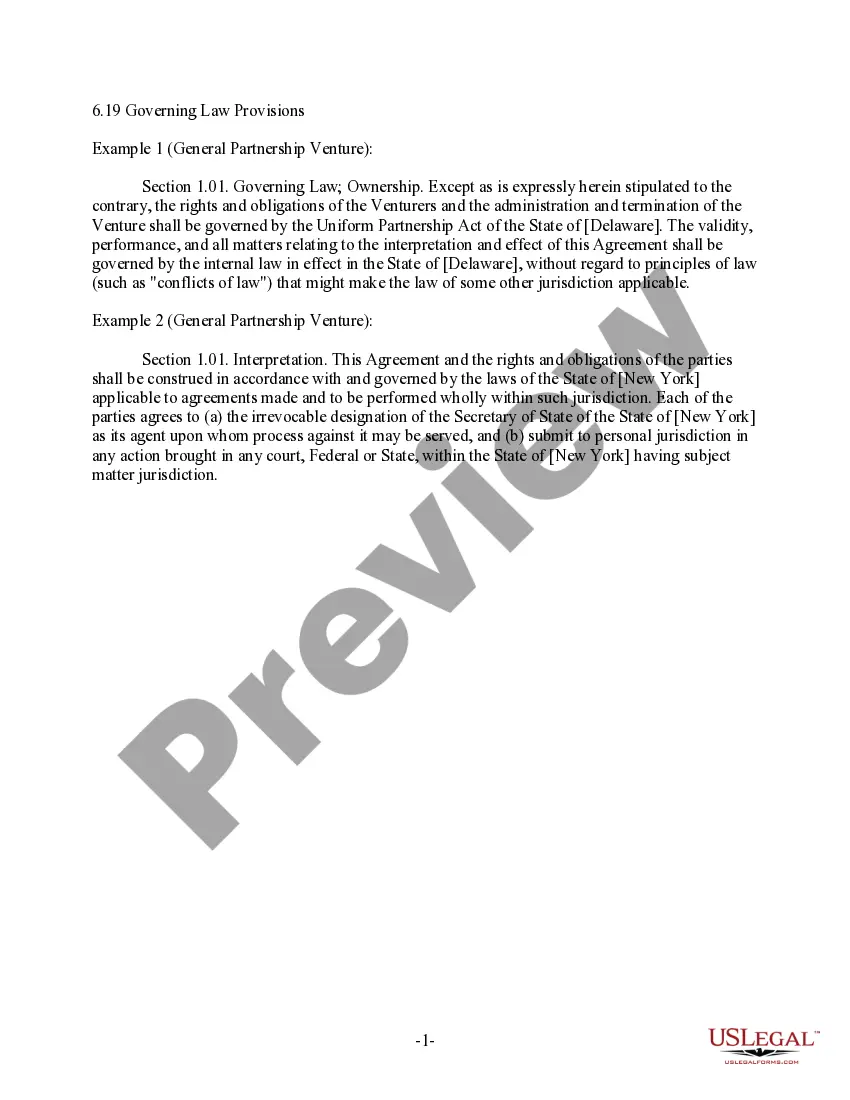
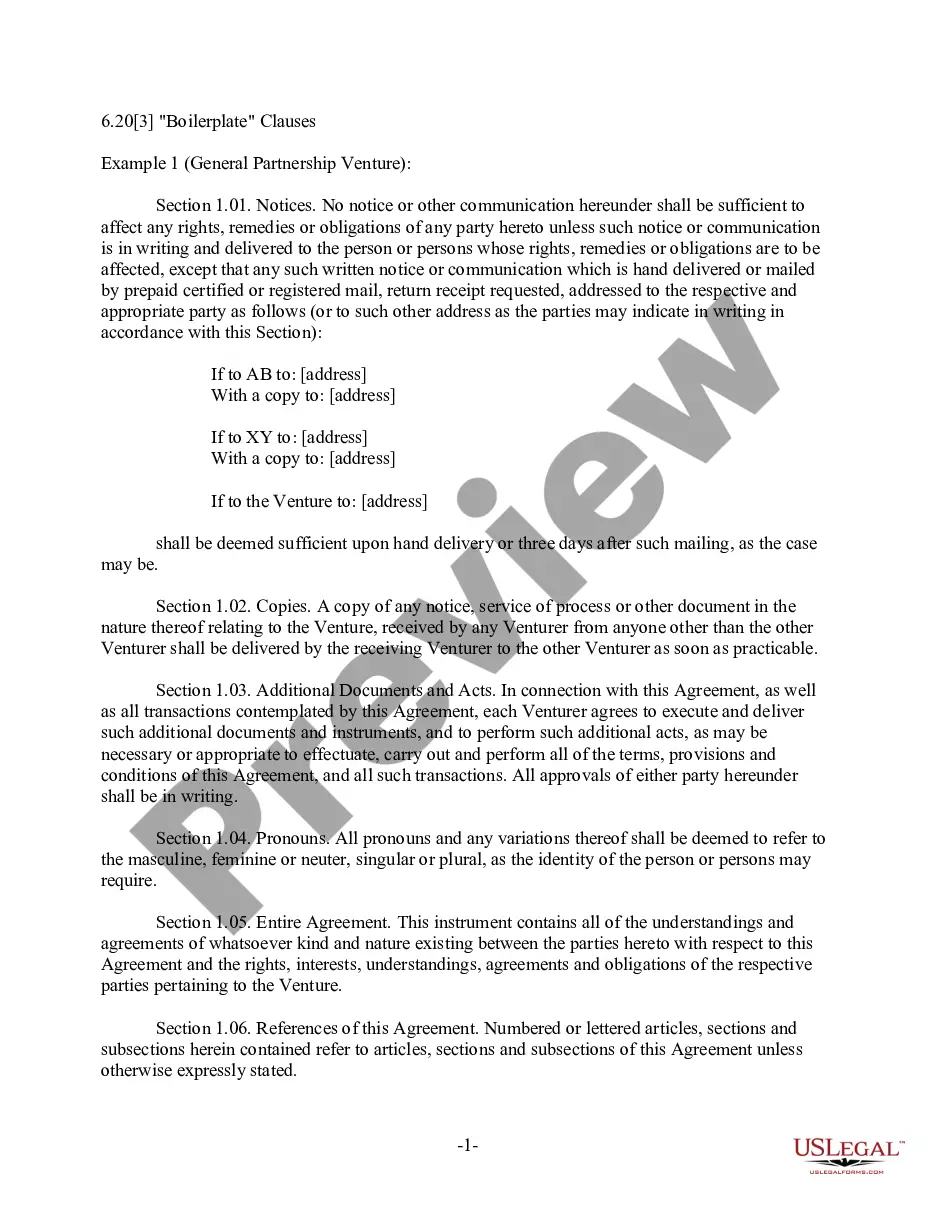
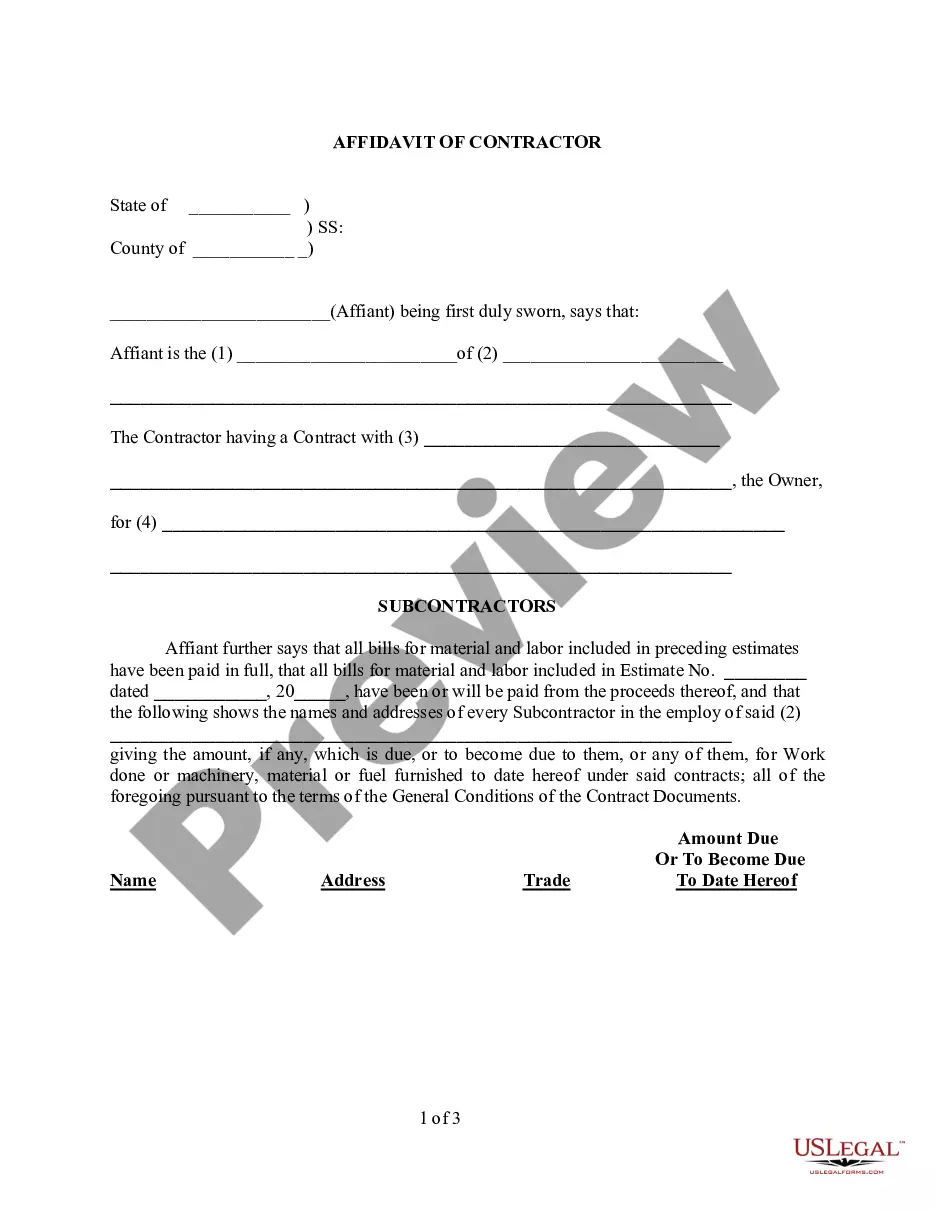
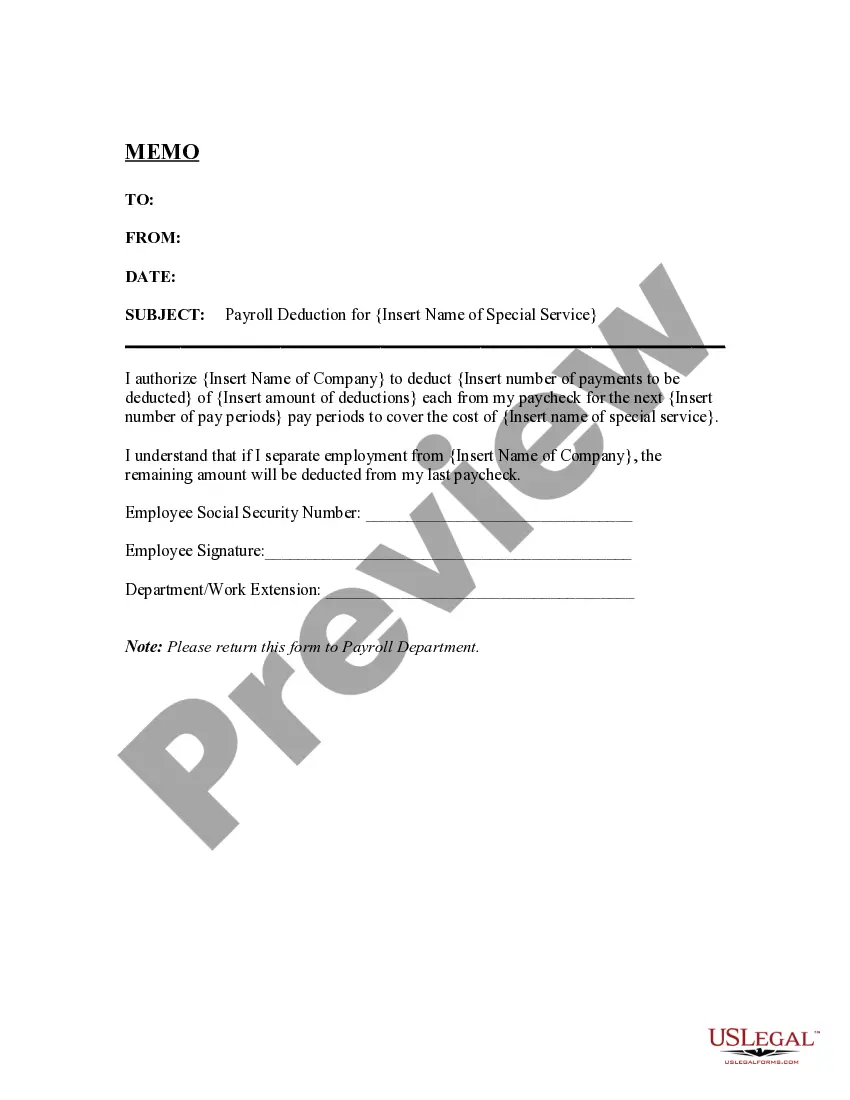
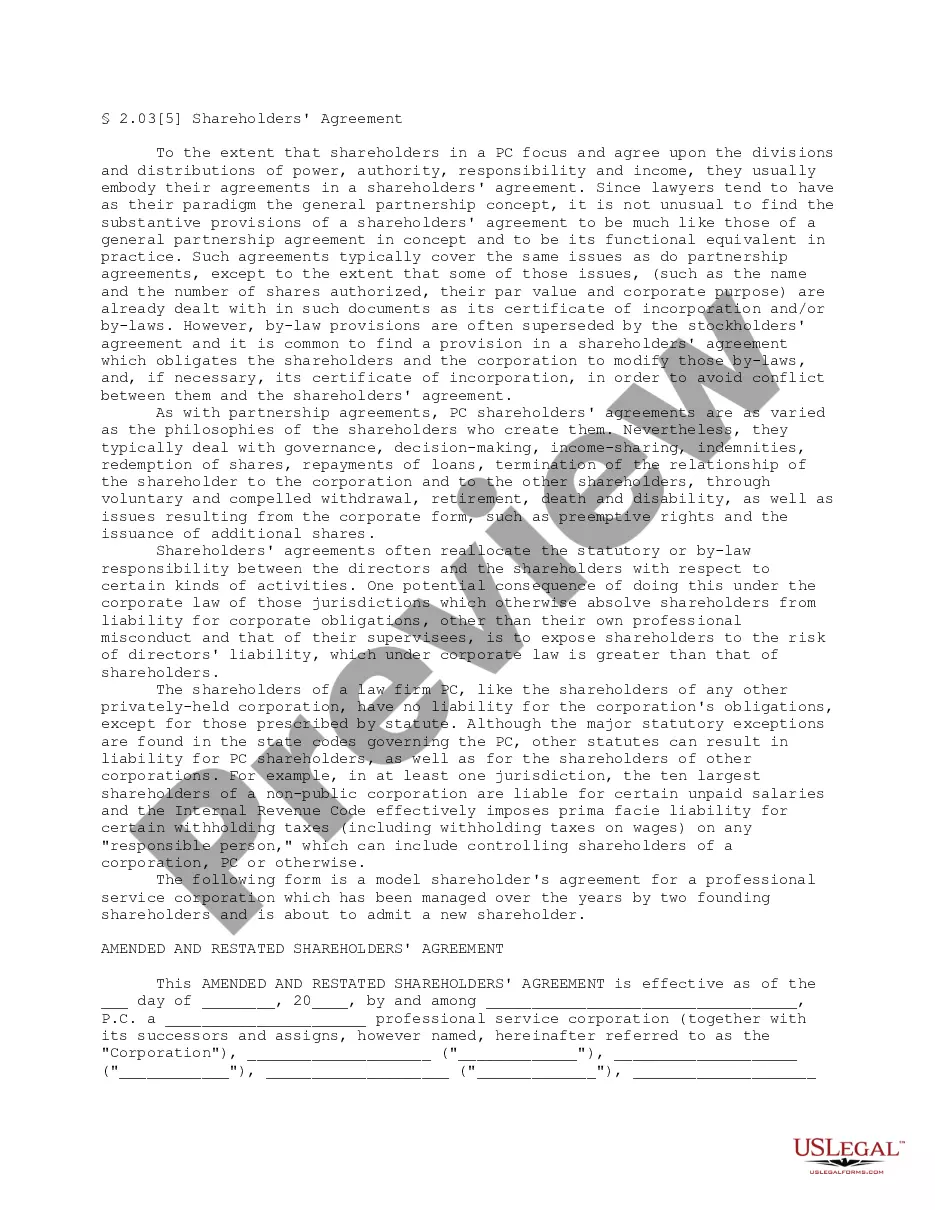
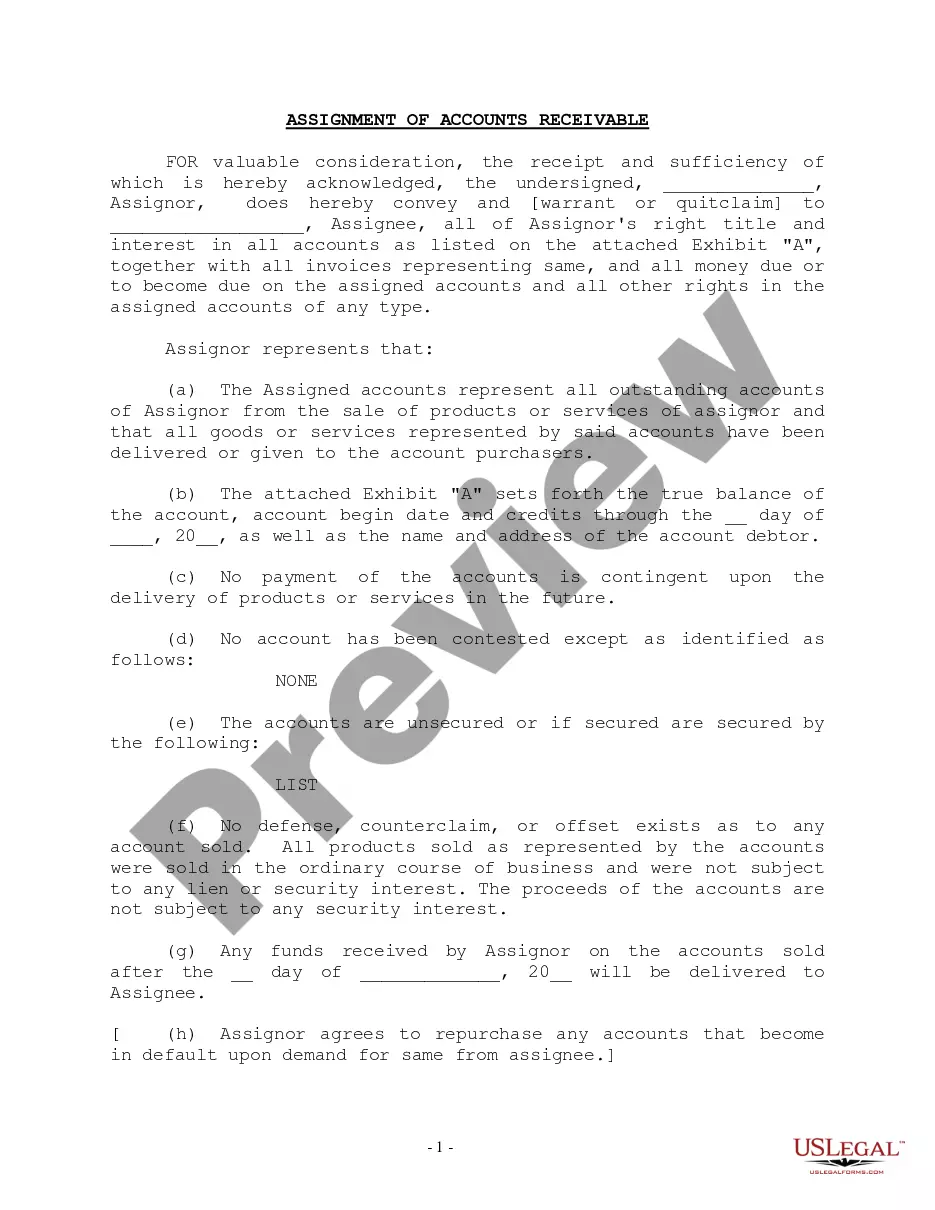
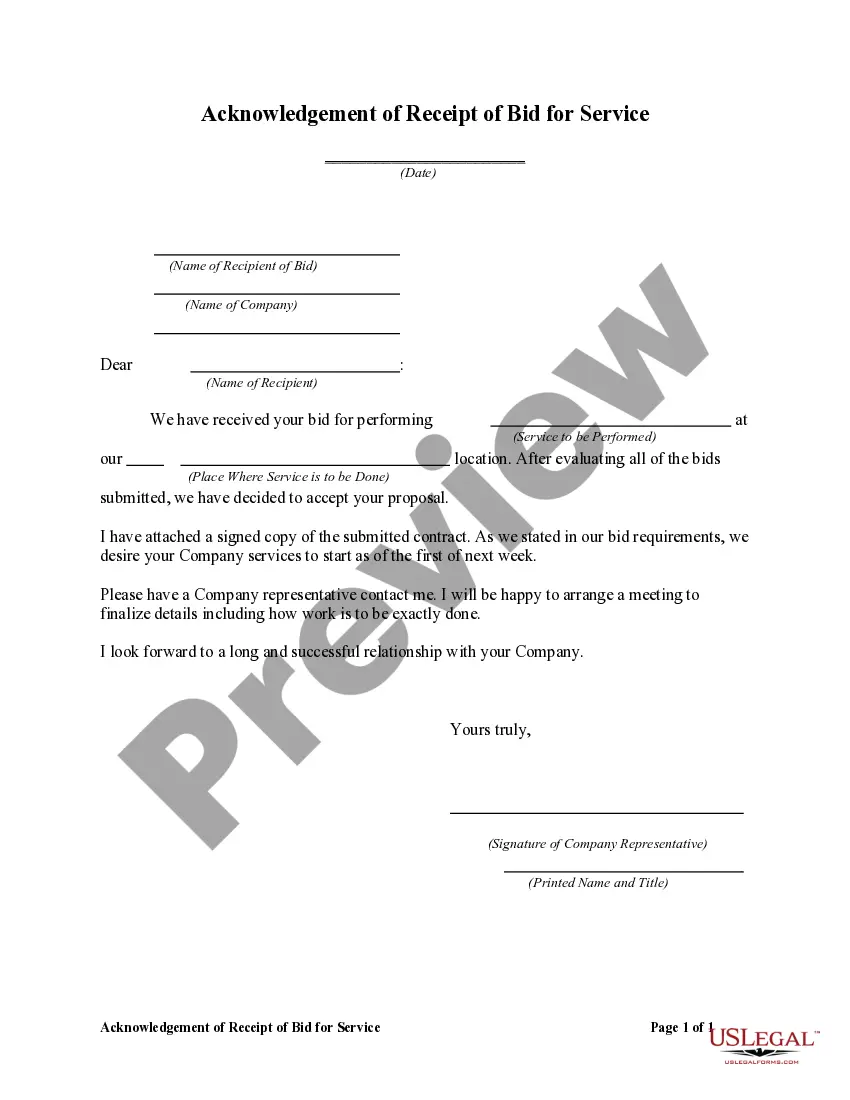
This form is a model adaptable for use in partnership matters. Adapt the form to your specific needs and fill in the information. Don't reinvent the wheel, save time and money.
While it's possible to draft them yourself, having a lawyer can help ensure that the provisions are solid and protect your interests properly. Better safe than sorry!
Make sure it clearly outlines the scope of indemnity, including what losses are covered and any exclusions. It should be as clear as day, so there's no room for confusion.
Absolutely. They can't cover every possible scenario. For instance, if someone acts recklessly or engages in illegal activities, those actions often fall outside of indemnity.
Yes, as long as they are clearly written and agreed upon by both parties. Courts in Seattle will generally uphold them unless they are deemed unfair or overly broad.
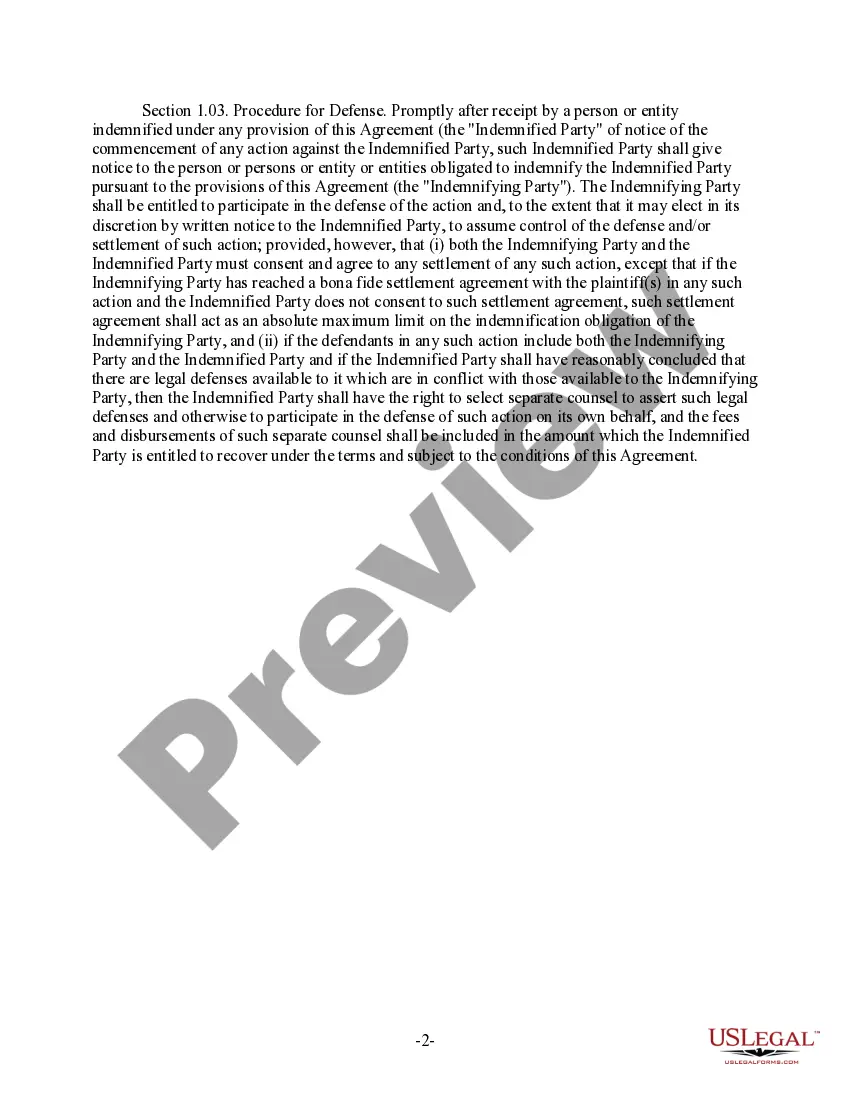
They work by stating that one party agrees to compensate the other for certain losses. It's like having a buddy who promises to cover you if something goes south.
They act as a safety net, ensuring that if something goes awry, one party won't be left holding the bag for damages or legal costs.
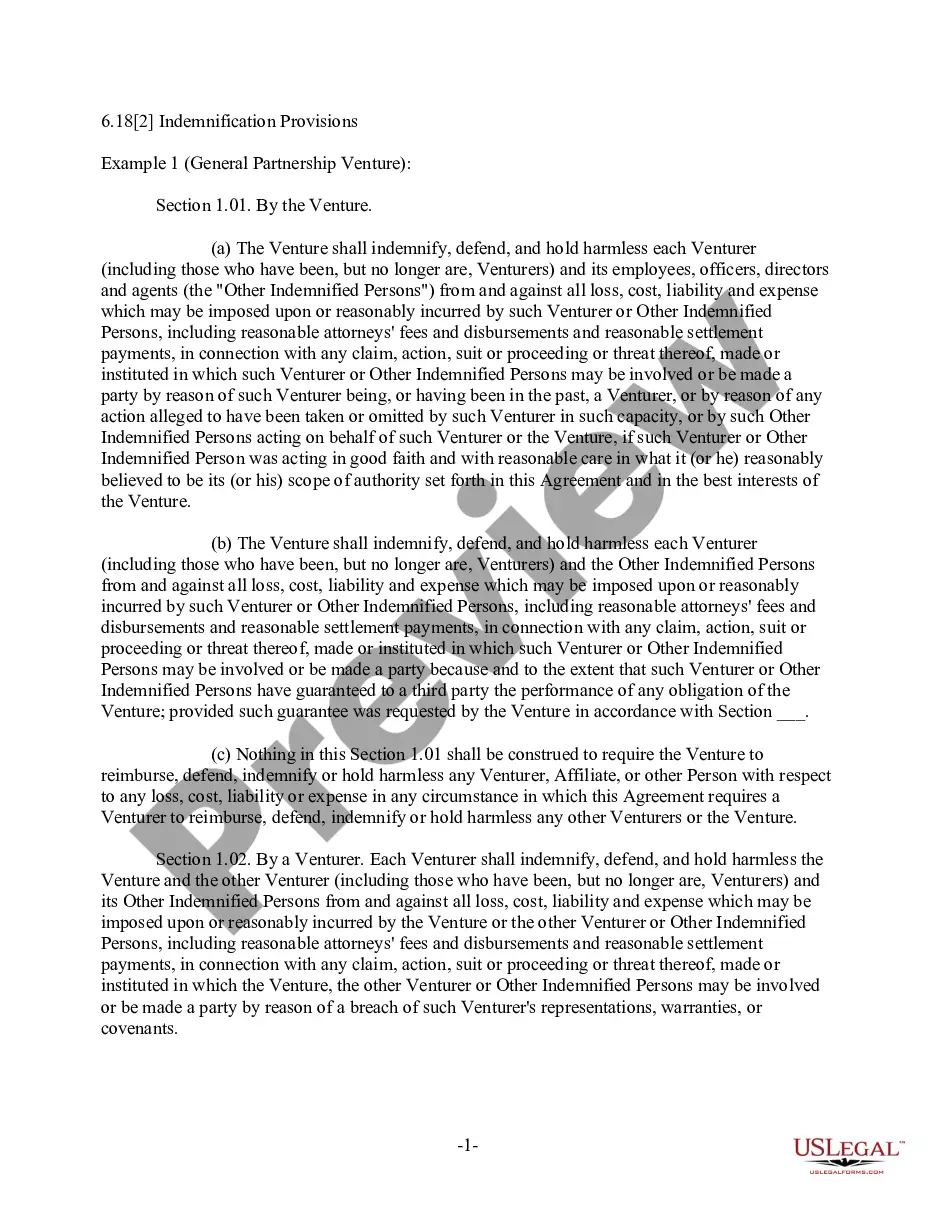
Indemnification provisions are legal terms that protect one party from the financial fallout of claims or losses caused by another party. In Seattle, these are often found in contracts and agreements.