Once you've submitted your resignation letter, it's typically a done deal. But depending on your relationship with your employer, you can try discussing it if you have second thoughts.
Your benefits might change after you quit, depending on your company's policies. It's wise to check with HR to understand what you'll keep.
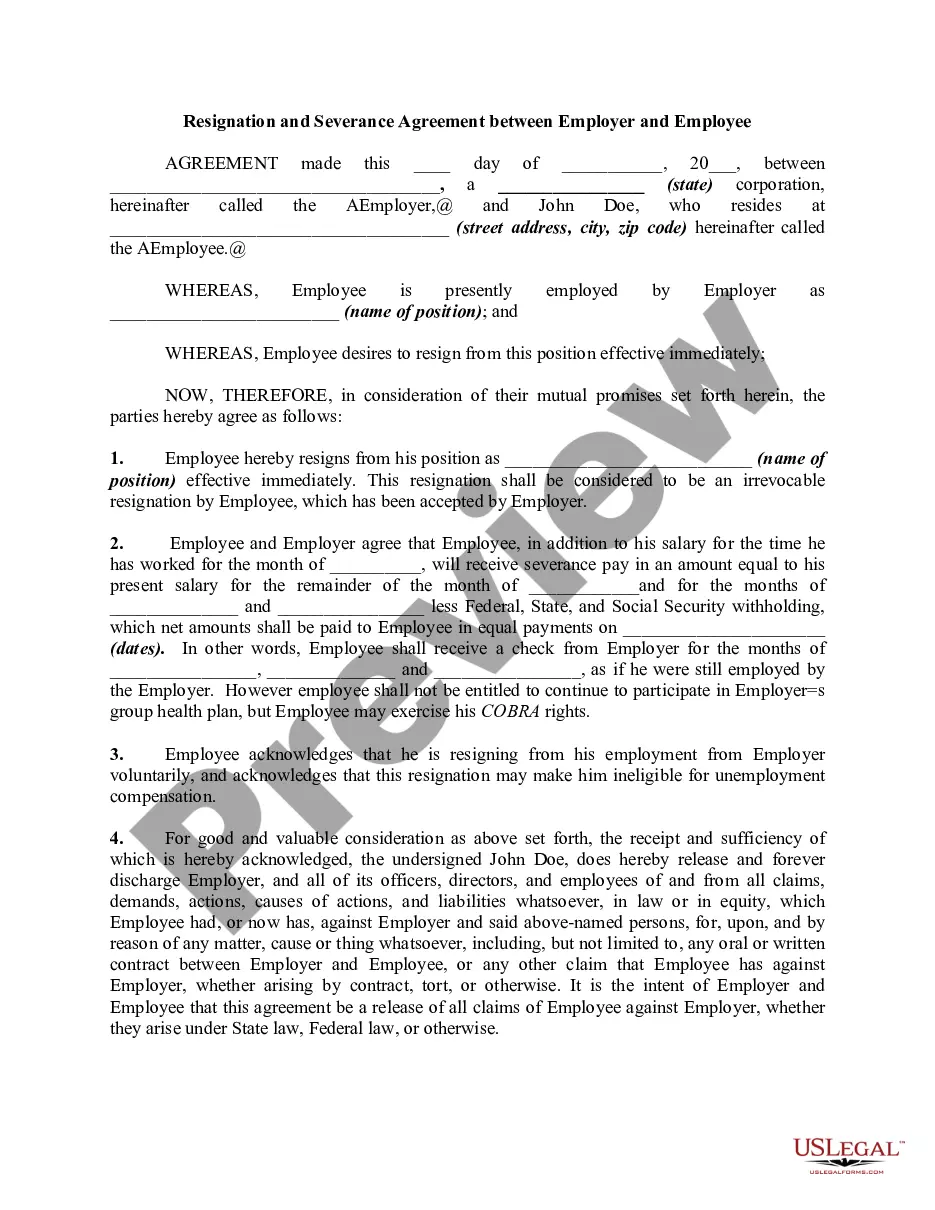
While you can resign verbally, it's a good practice to follow up with written documentation for your records. It’s like leaving a paper trail.
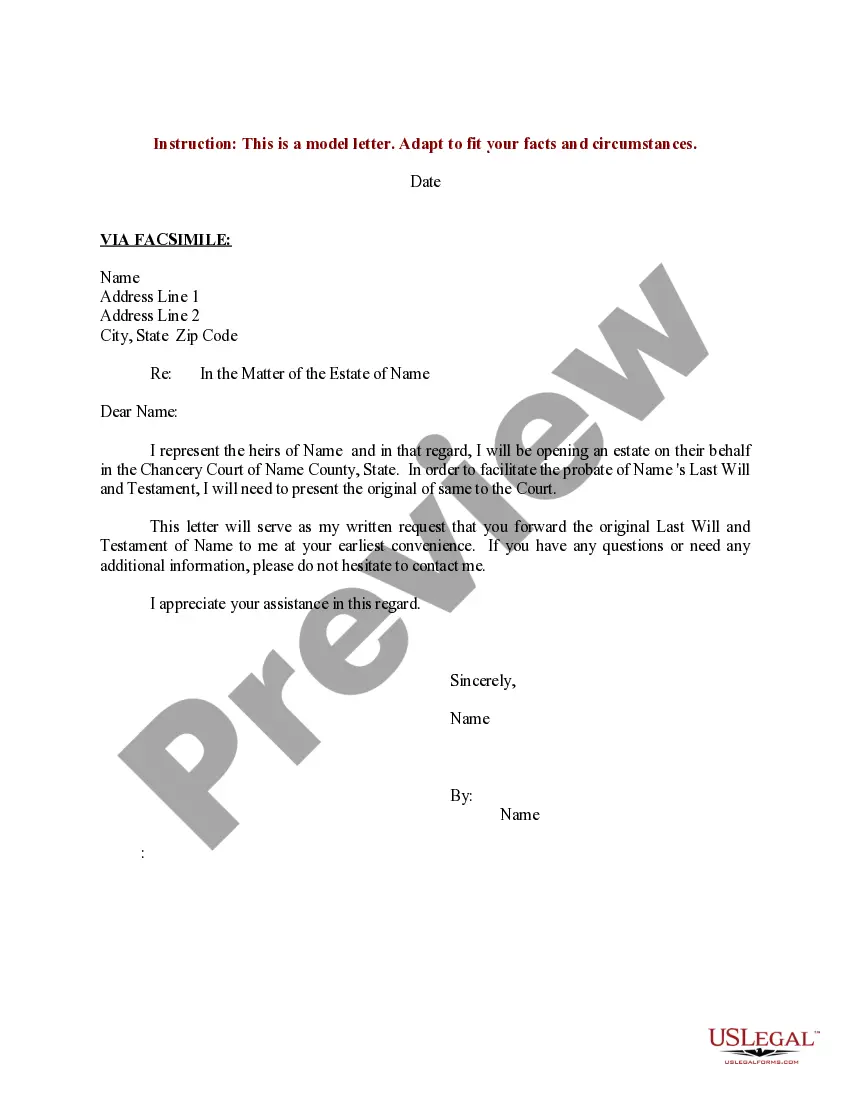
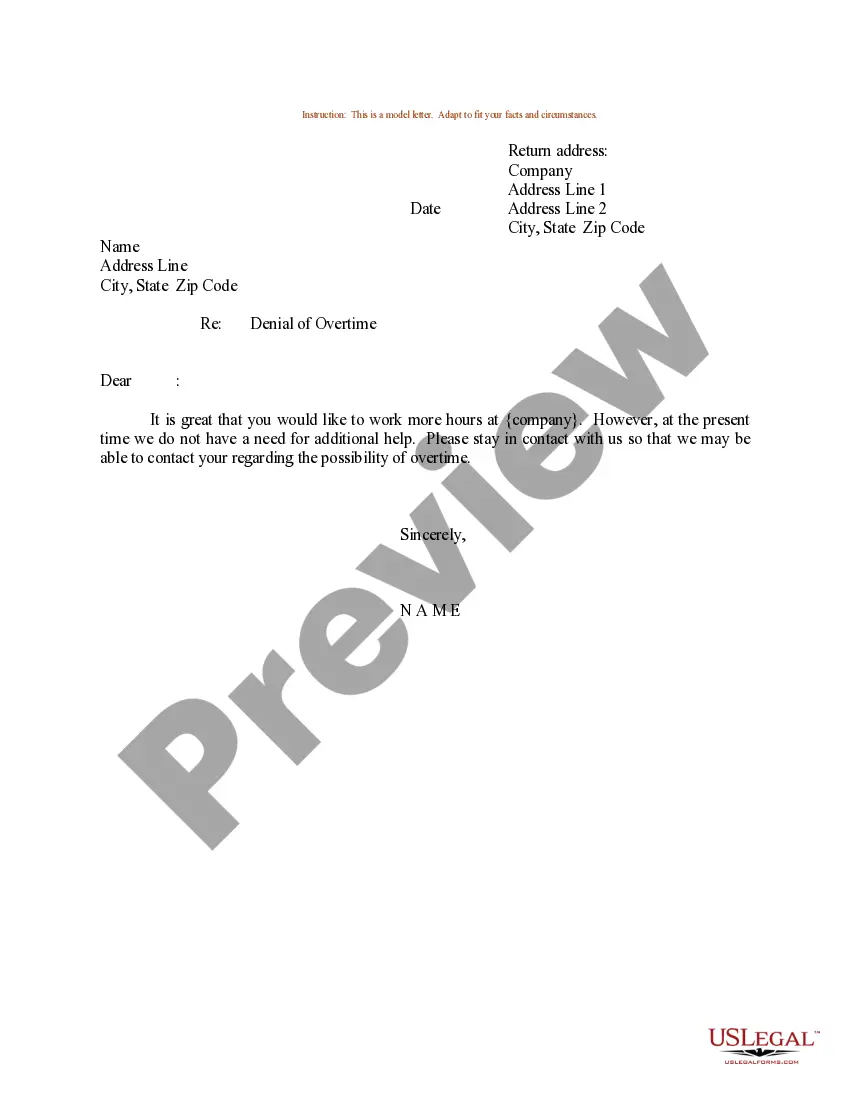
In your resignation letter, include your last working day, a thank you for the opportunity, and a brief reason for leaving, if you're comfortable sharing.
Typically, giving two weeks' notice is the norm. It gives your employer time to find a replacement and keeps things on good terms.
Yes, it's best to put your resignation in writing. It shows professionalism and helps avoid any confusion down the road.
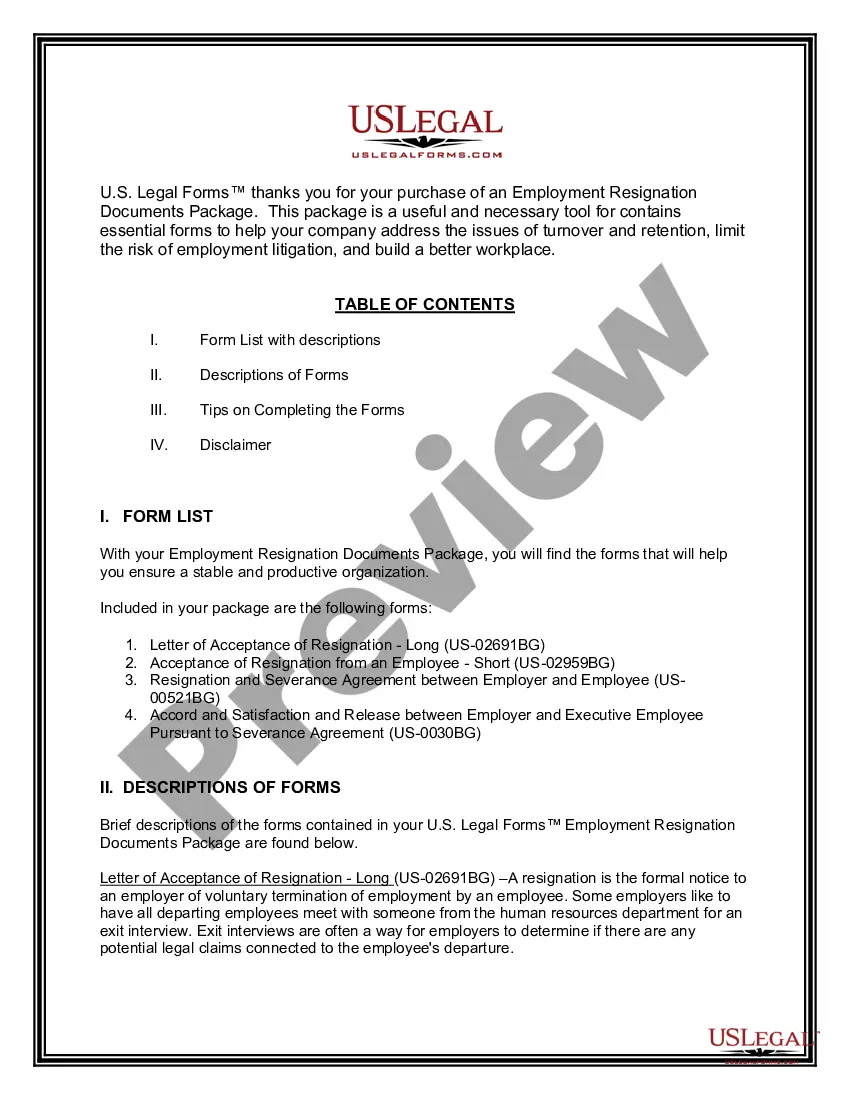
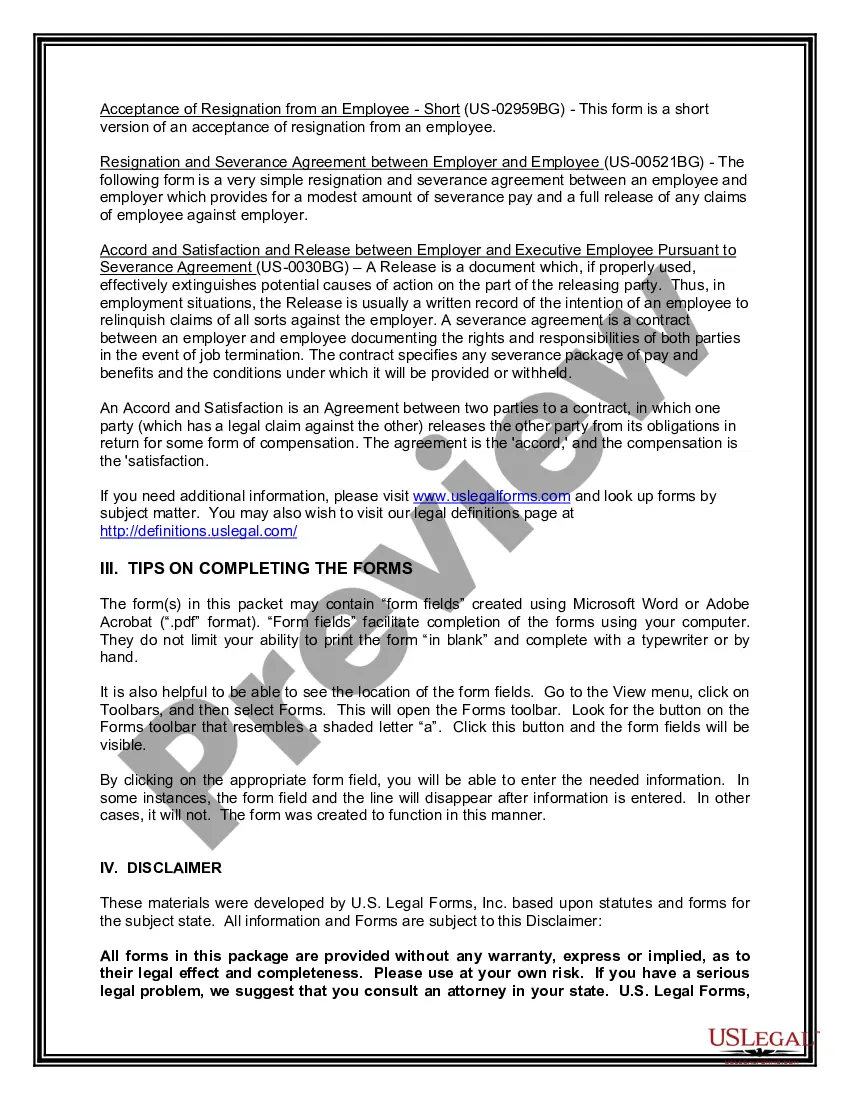
A resignation document package is a collection of papers you need to officially quit your job. It usually includes a resignation letter and other important documents.