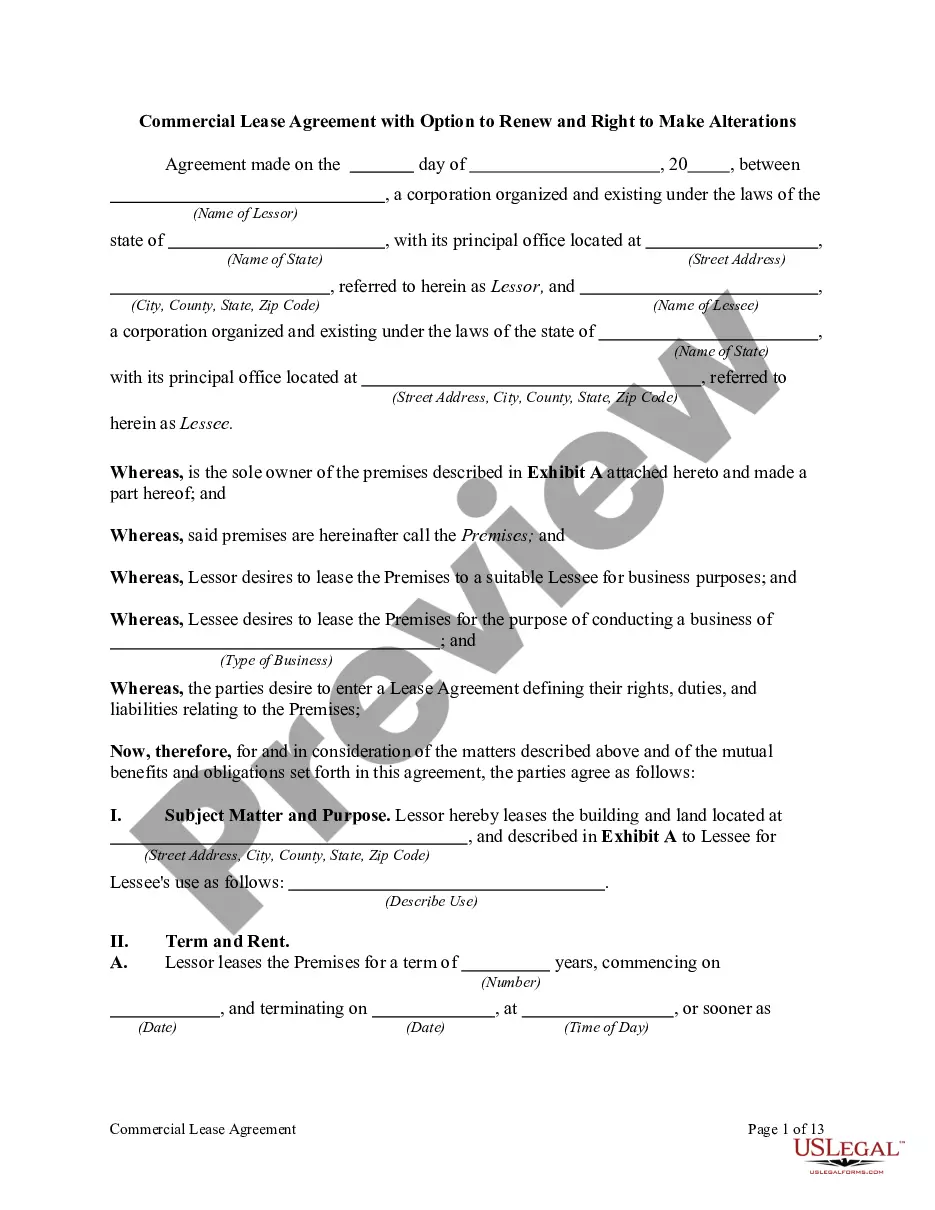
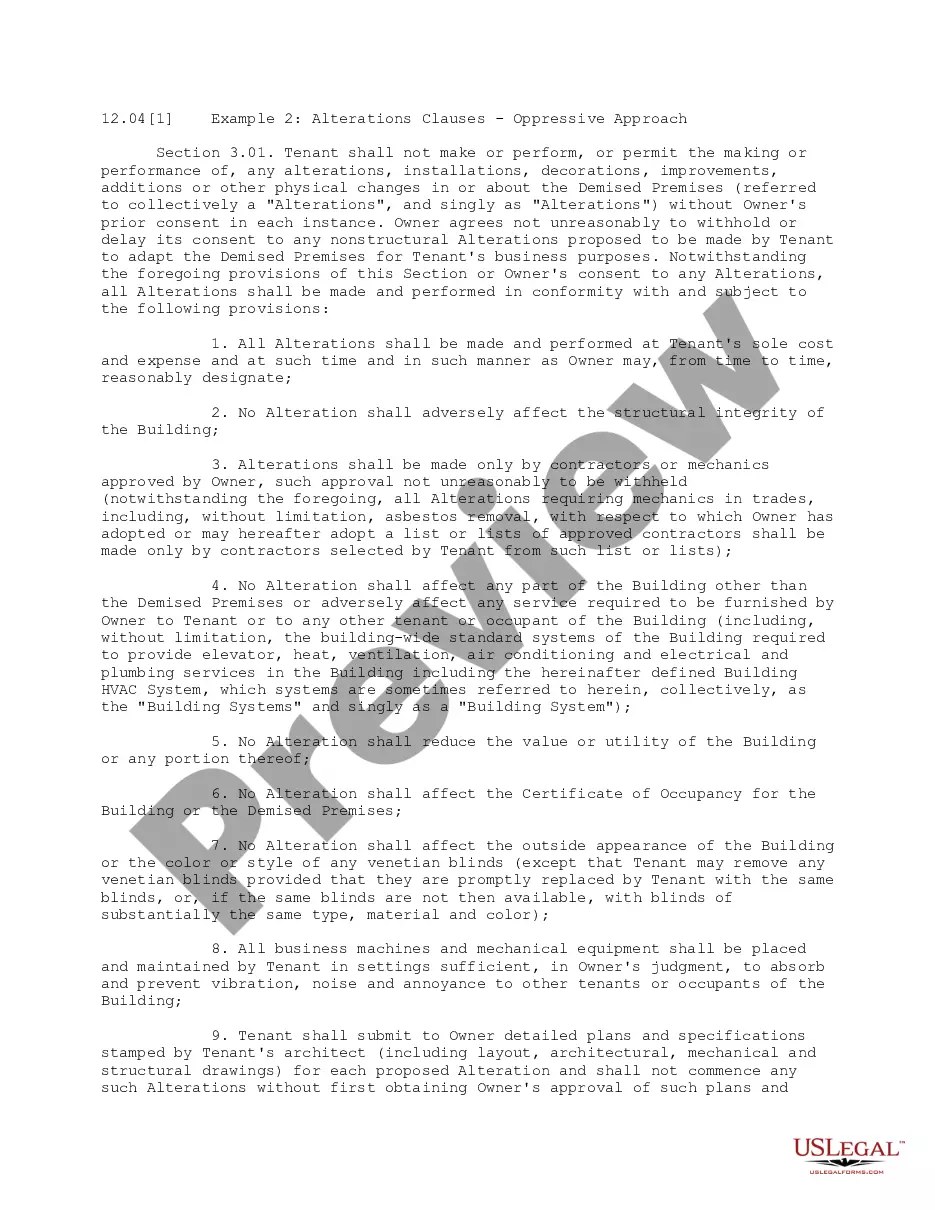
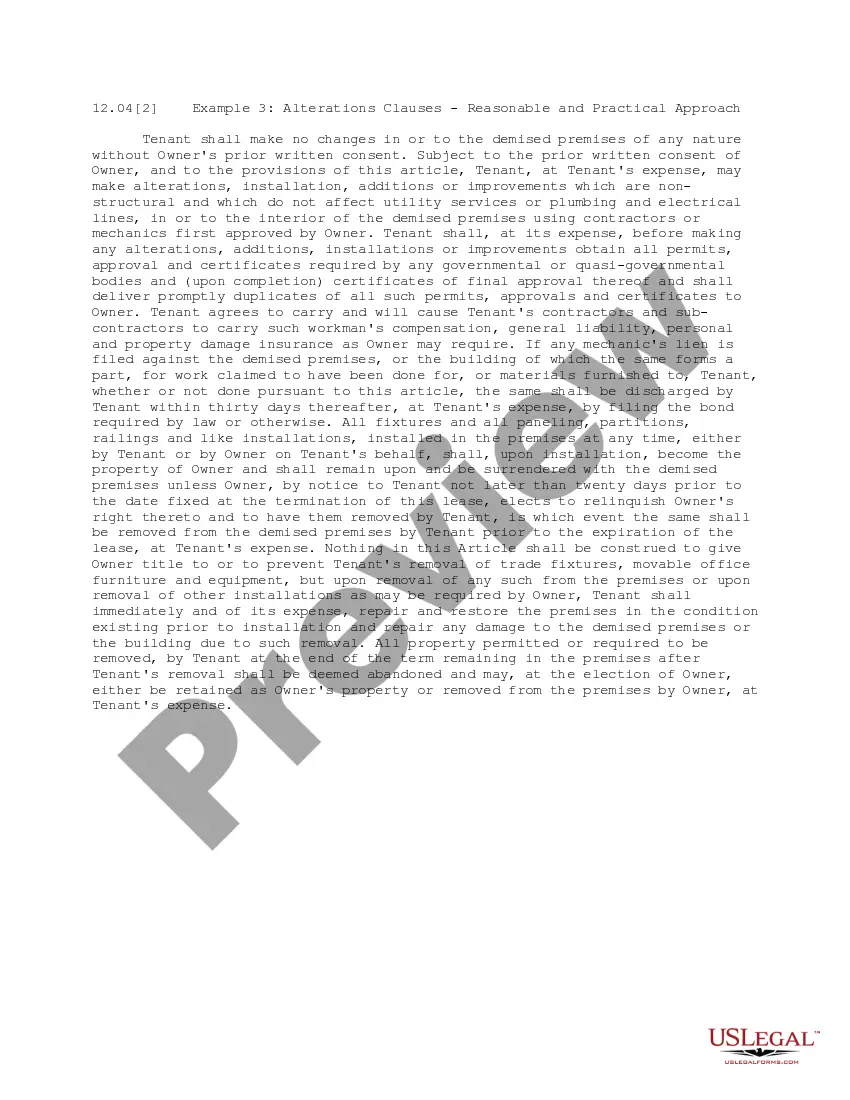
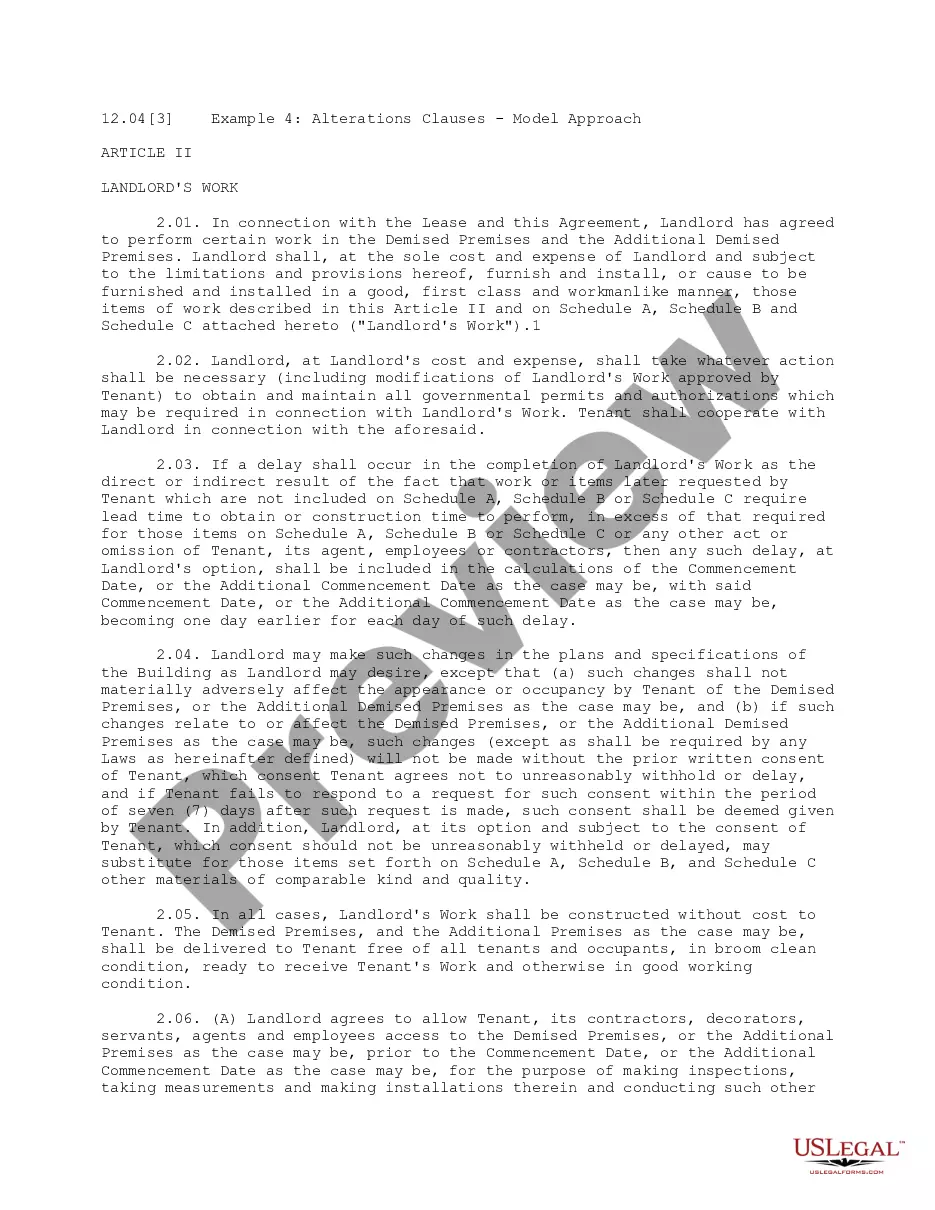
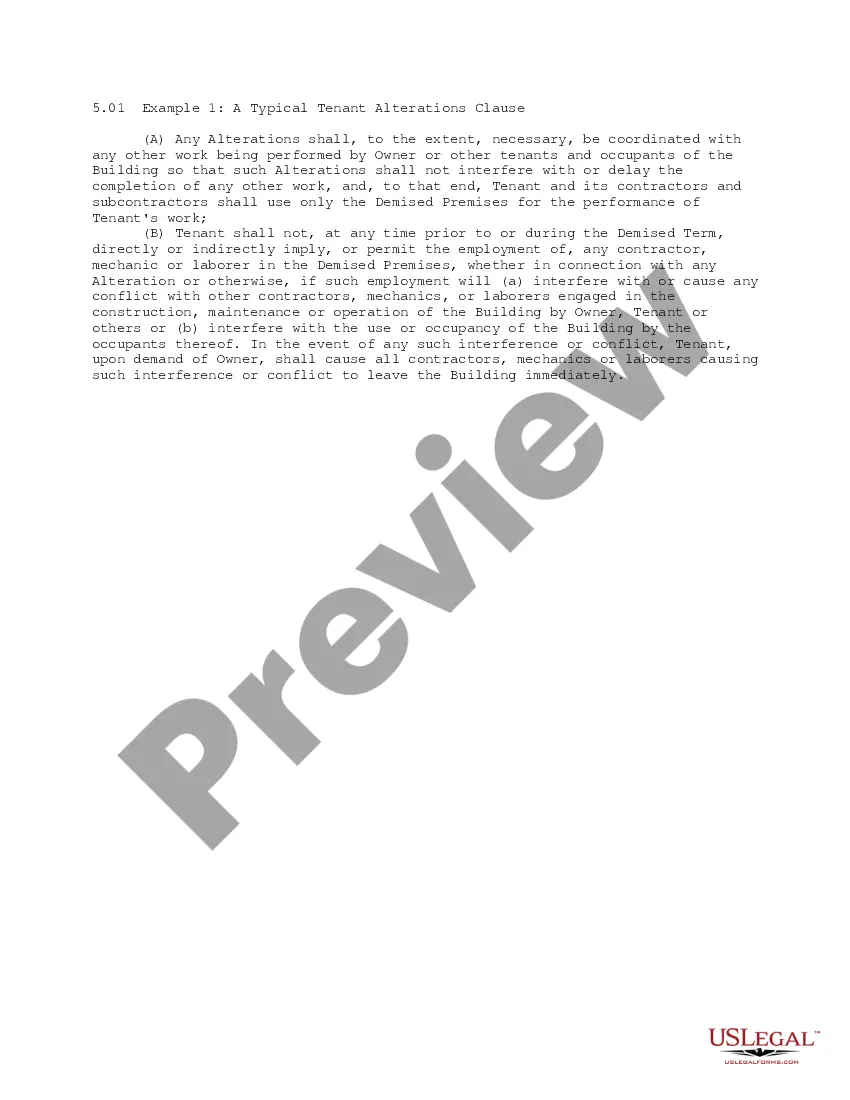
This office lease clause stipulates the conditions under which alterations may or may not be made to property by the tenant.
Chicago Commercial Lease Agreement with Option to Renew and Right to Make Alterations
Plano Alterations Clauses Oppressive Approach
Plano Alterations Clauses Reasonable and Practical Approach
Plano Alterations Clauses Model Approach
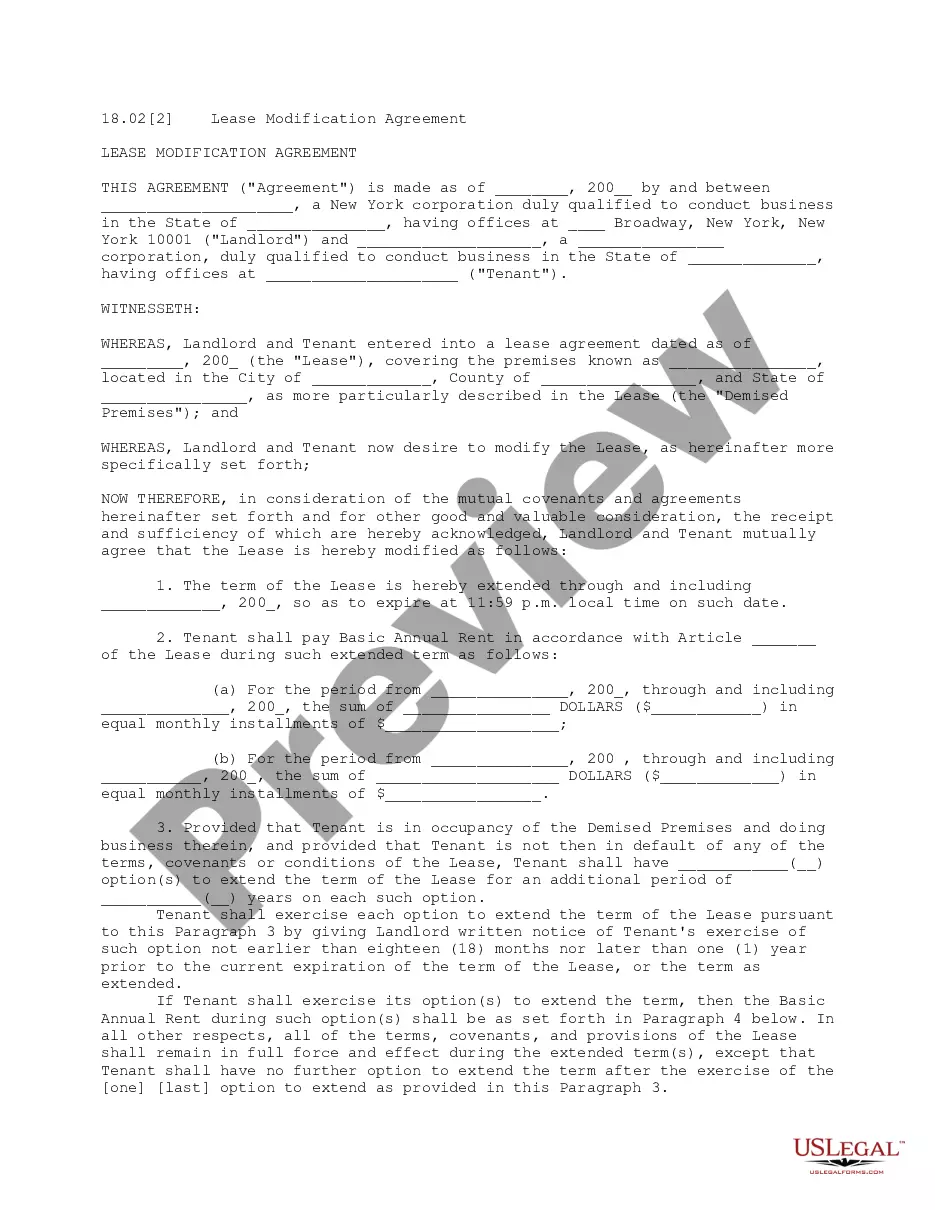
Plano Commercial Lease Modification Agreement
Justification for Selection or Non-Selection of Applicant
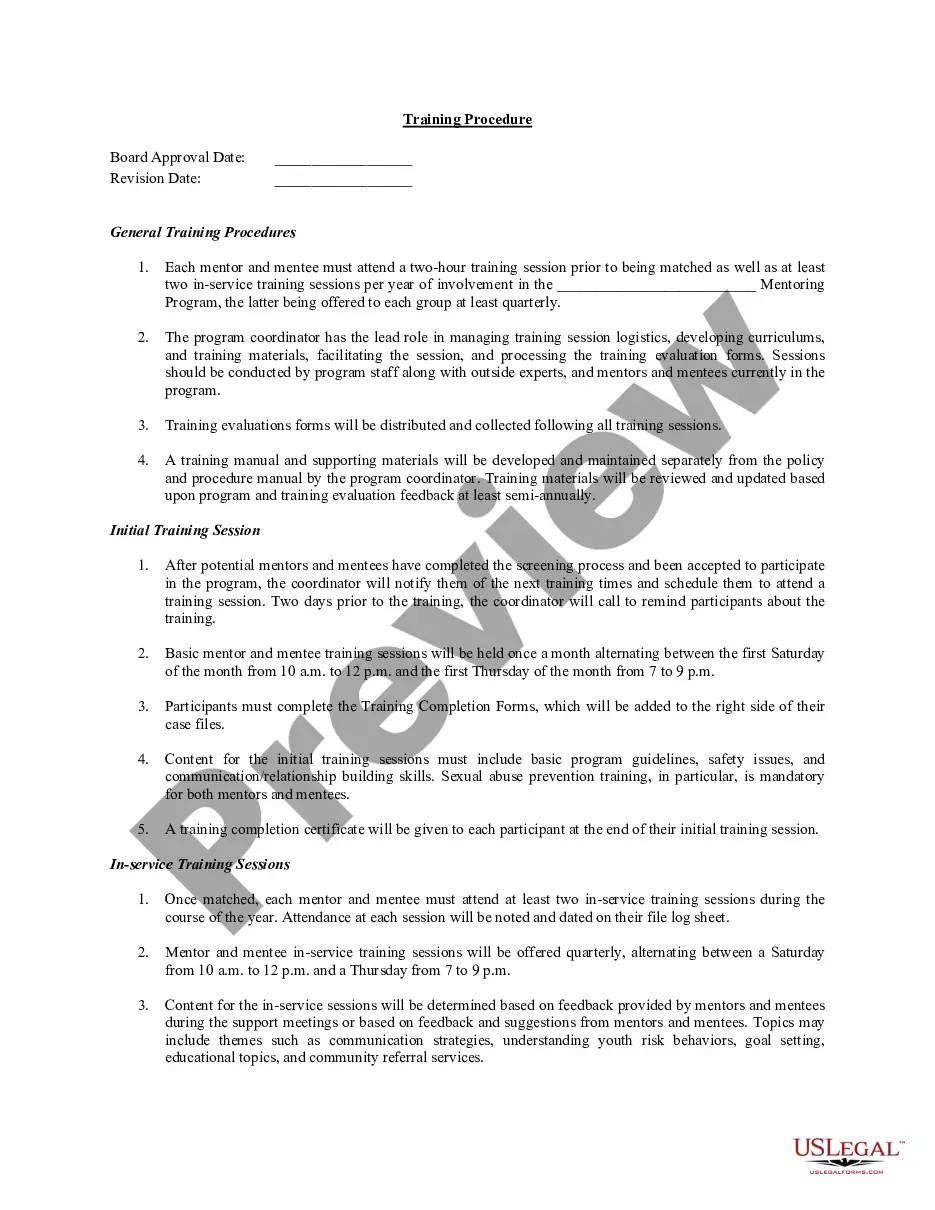
Mentee Training Procedure Information Form for Mentorship Program
Sample Letter Requesting Answers to Discovery Material
Complaint For Employment or Workplace Discrimination and Sexual Harassment - Title VII Civil Rights Act
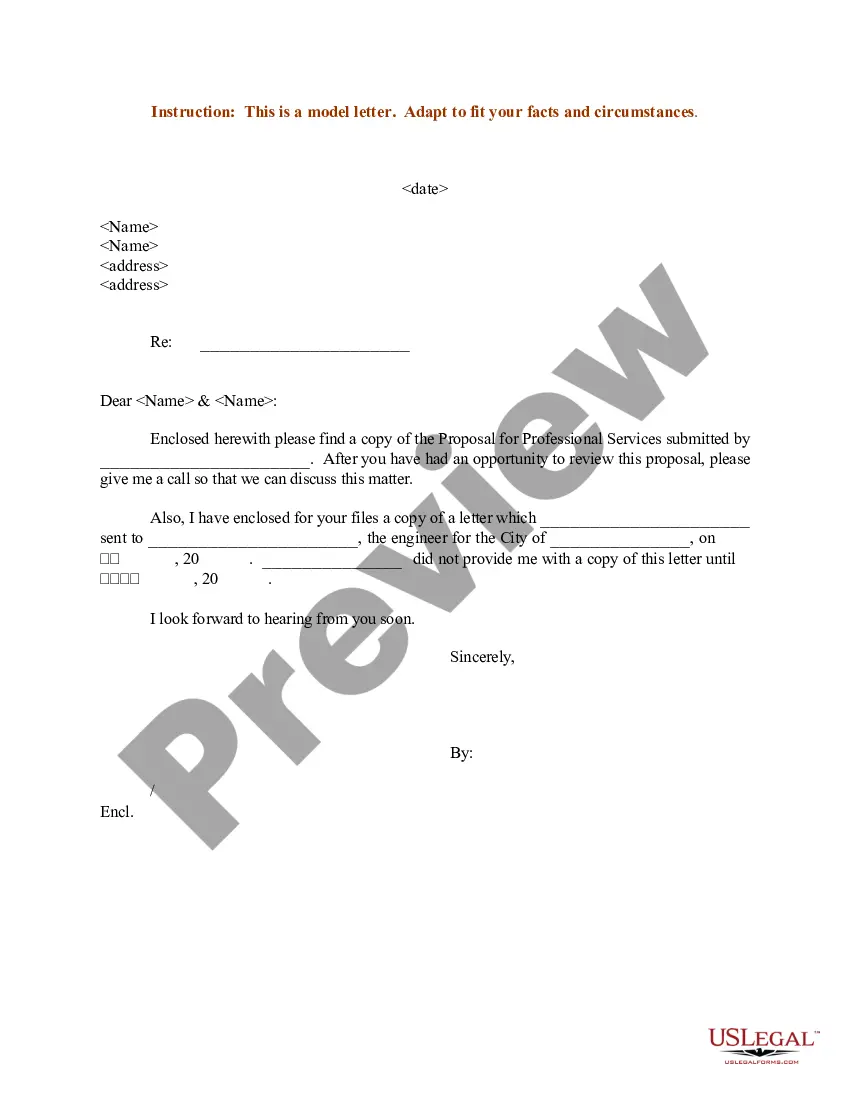
Sample Letter for Proposal for Professional Services
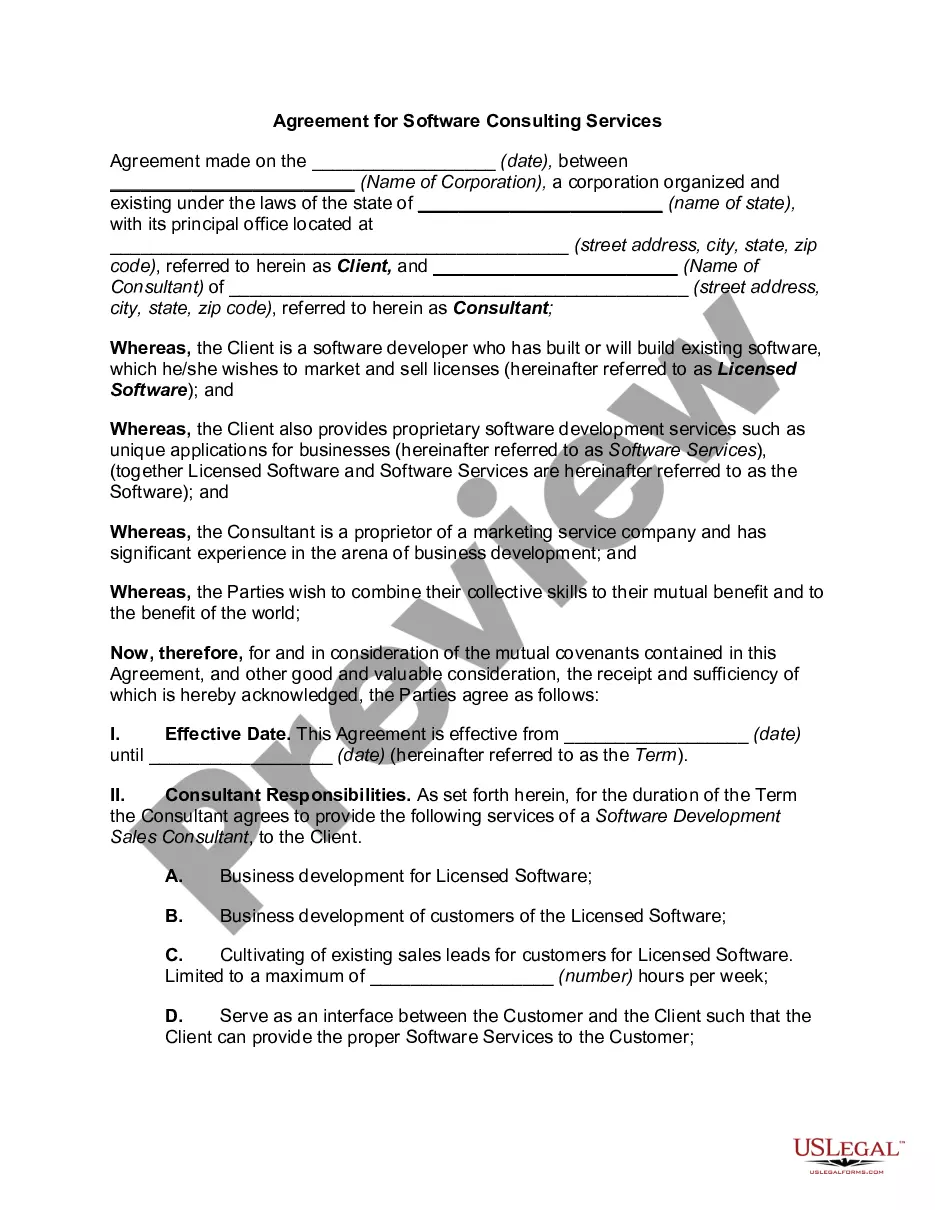
Agreement for Software Consulting Services
Complaint For Declaratory Judgment, Temporary Restraining Order, Preliminary and Permanent Injunction From Enforcement Of County Hog farming Ordinances
Sample Letter to Opposing Attorney Declining Settlement Offer
Corporate Right of First Refusal - Corporate Resolutions
Asset Purchase Agreement - Business Sale
Just reach out to your landlord with a clear plan of what you want to do, and they’ll guide you from there.
Absolutely, the landlord might say no to structural changes or anything that could damage the property.
Possibly! Many lease agreements say you need to return the place to how you found it, so keep that in mind.
If you make changes without a green light, you could be on the hook for repairs or even face eviction.
Not likely! Most leases require you to check with the landlord first before grabbing the paintbrush.
Yes, usually you need to get the landlord's thumbs-up before making any alterations, big or small.
It's a section in a lease that outlines what changes a tenant can make to the property, like painting walls or hanging shelves.
Atlanta Motion for State to Produce Discovery Document