Generally, the responsibility for maintaining drainage easements falls on the property owners who benefit from them. However, the city may also step in to ensure water flows smoothly.
If someone blocks a drainage easement, it can lead to water buildup and even flooding. It’s important to report such issues to local authorities for resolution.
Building a fence over a drainage easement can be tricky. While you might be able to build one, it’s important to ensure it won’t hinder water flow, so be sure to check local regulations.
If a drainage easement runs through your property, it’s important to respect it. You can still use your land, but you need to allow water to flow freely and avoid any construction that may block it.
You can check your property deed, which usually mentions any easements. Additionally, city planning offices have maps that show drainage easements in your area.
In Anchorage, with its unique weather and terrain, having drainage easements is crucial to keep water at bay. They help manage stormwater and protect properties from water damage.
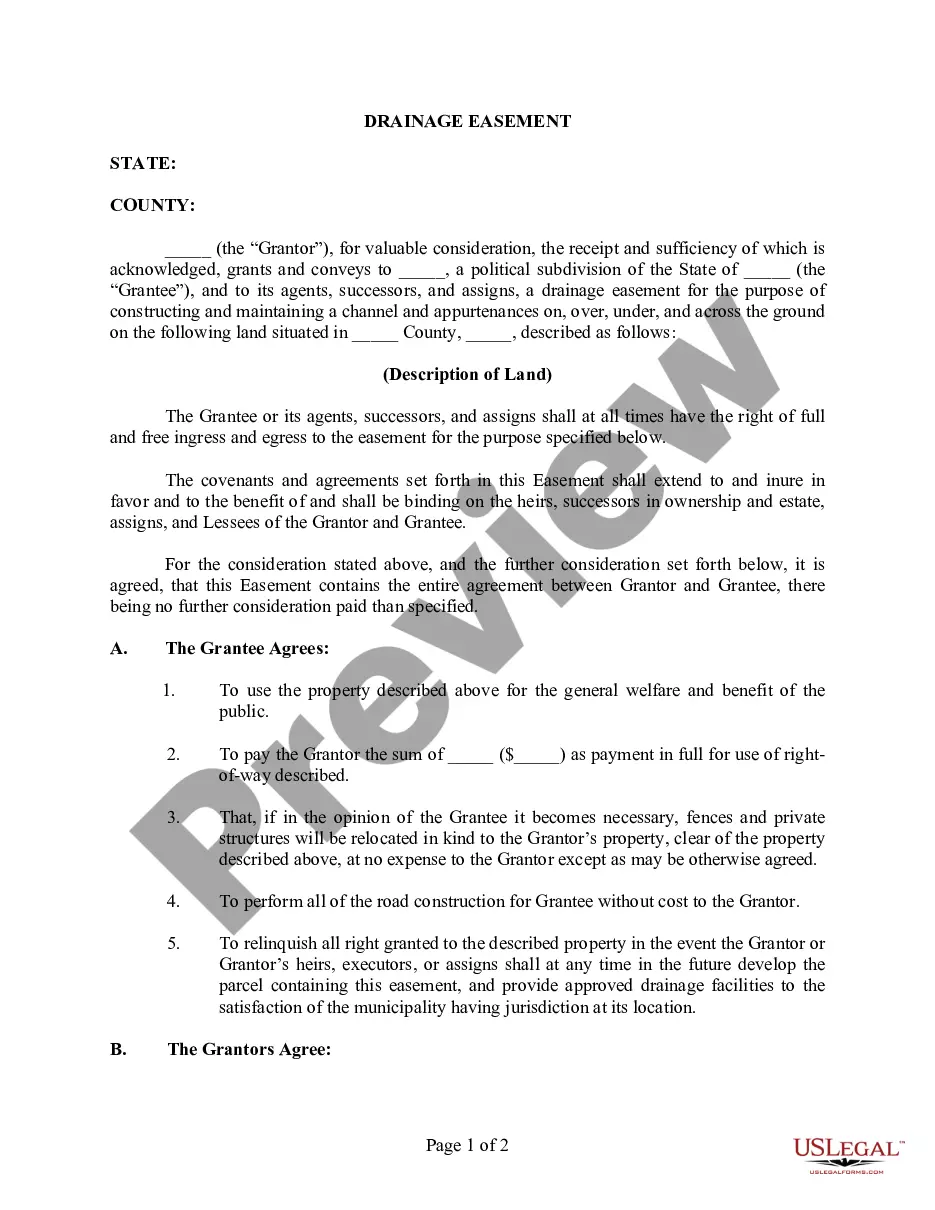
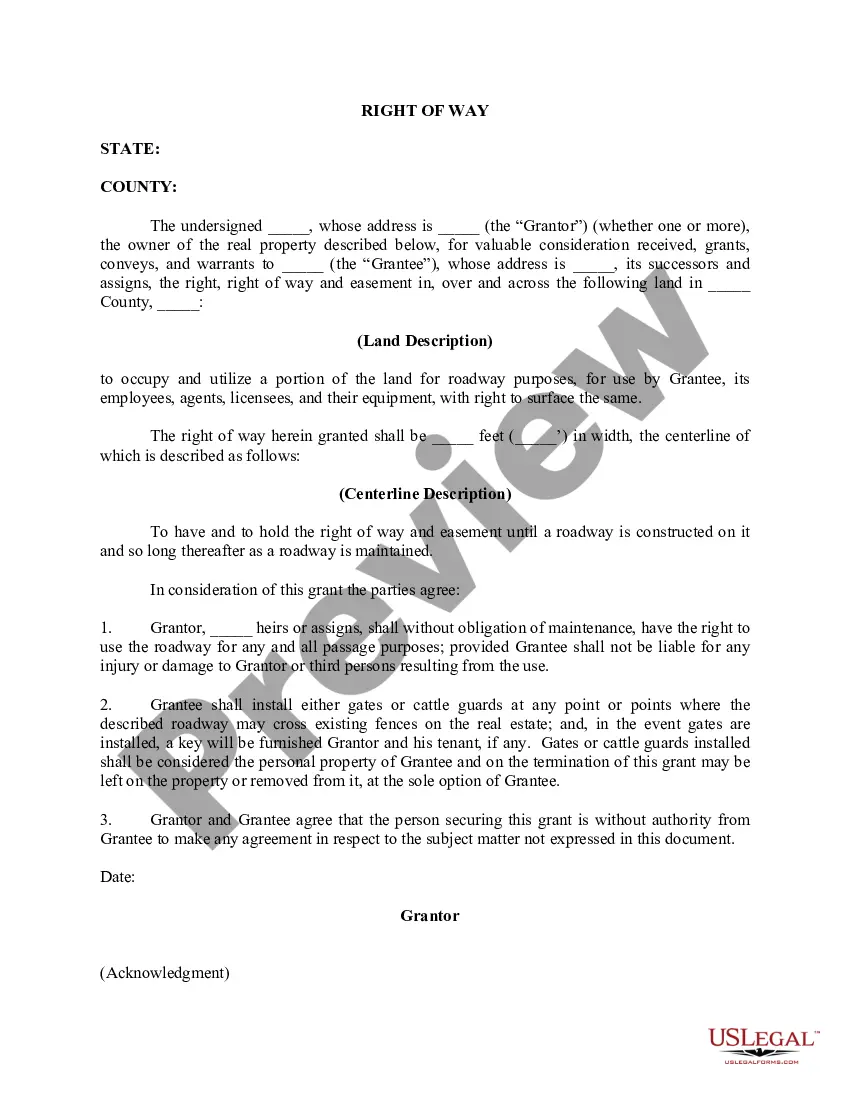
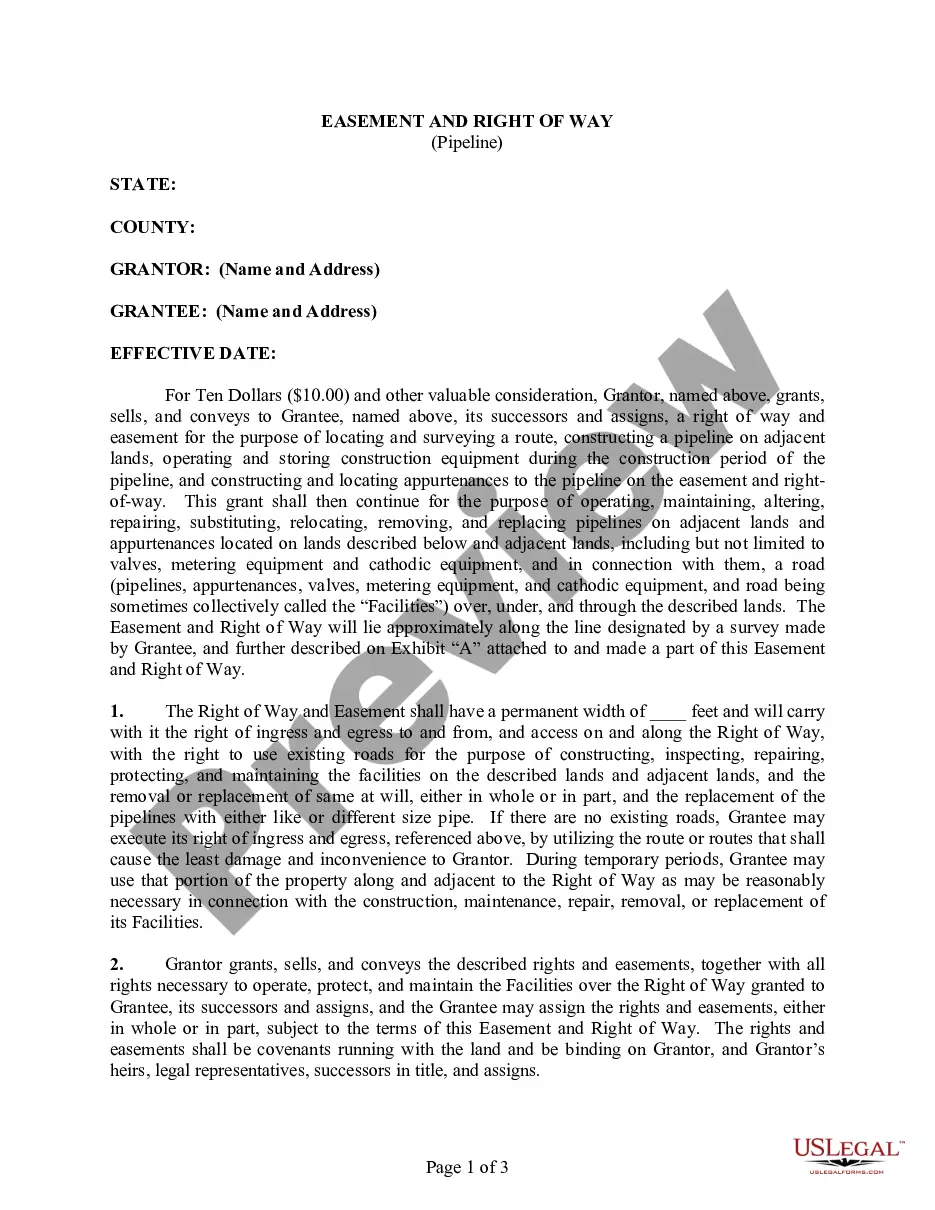
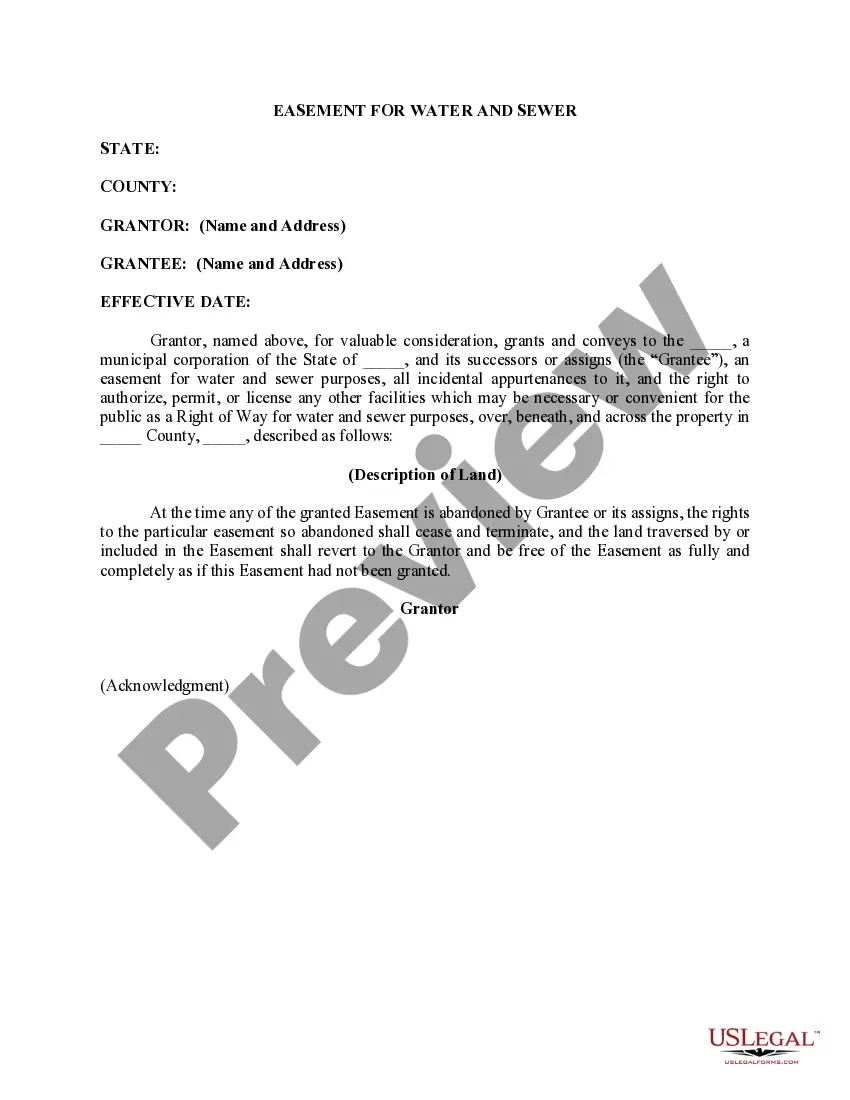
A drainage easement is like a right-of-way for water. It allows for proper water flow and helps prevent flooding by giving access to certain areas for drainage purposes.