Yes, warranty deeds should be recorded in the county's public records. Recording it protects your ownership rights and puts the world on notice that you’re the owner. It’s like putting up a big 'sold' sign!
If there are claims or liens, a warranty deed could be risky. It's essential to do your homework to make sure the seller has clear title, or you might end up cleaning up their mess!
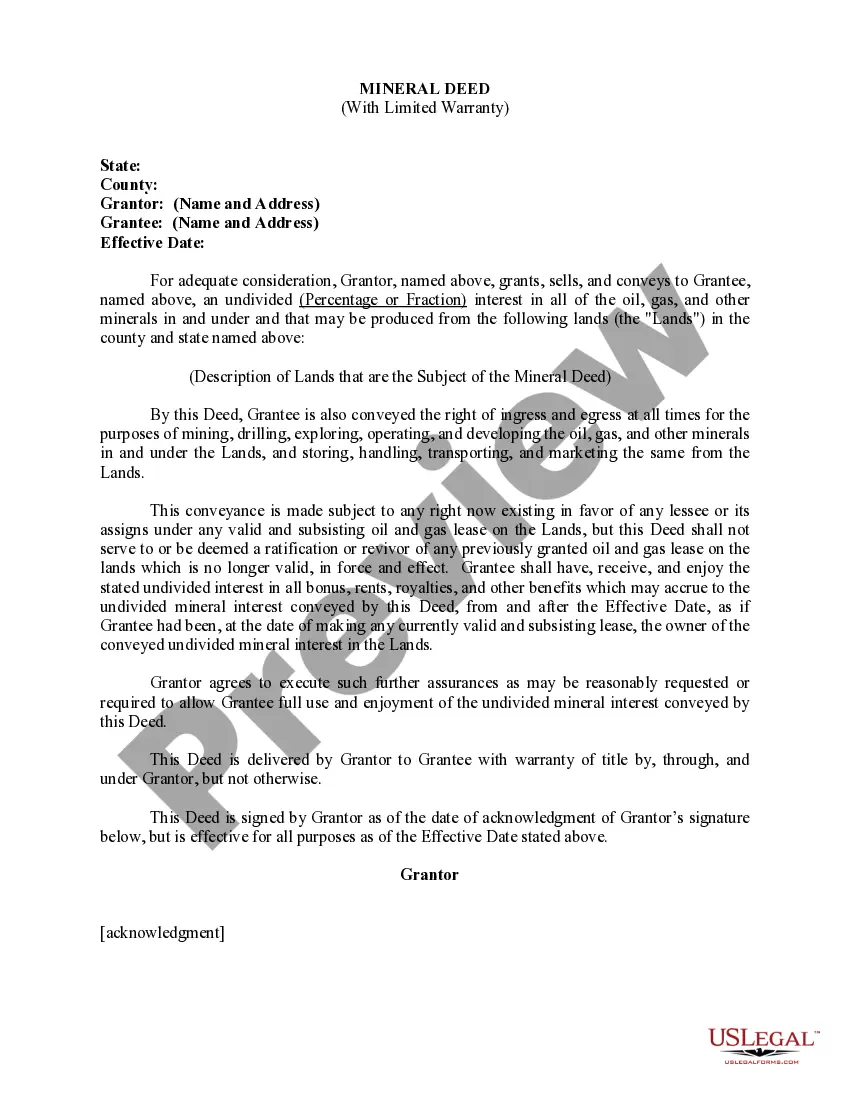
Yes, in Texas, it's perfectly fine to sell or transfer mineral rights without selling the surface land. Just be clear about what you're selling so there are no misunderstandings later on.
While it's not strictly required, having an attorney can help ensure everything is tied up neatly. After all, it's better to be safe than sorry!
A warranty deed provides a strong guarantee about ownership, while a quitclaim deed just transfers whatever interest the seller has without any guarantees. Think of a warranty deed as a solid handshake and a quitclaim deed as a 'best of luck!'
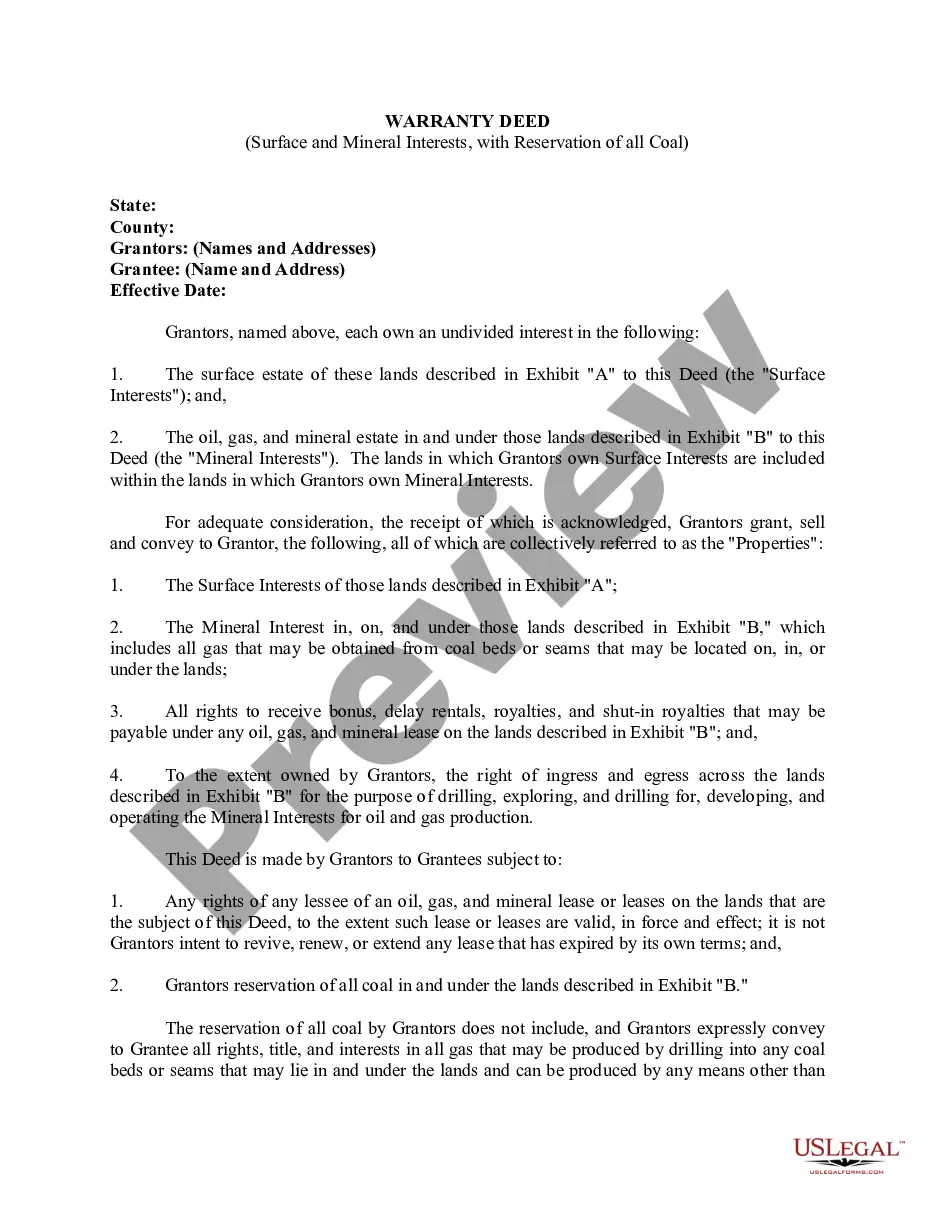
If you're buying a property with valuable minerals, a warranty deed ensures you also own the rights to those minerals. You don't want to be left holding the bag if someone else comes along claiming they own the minerals!
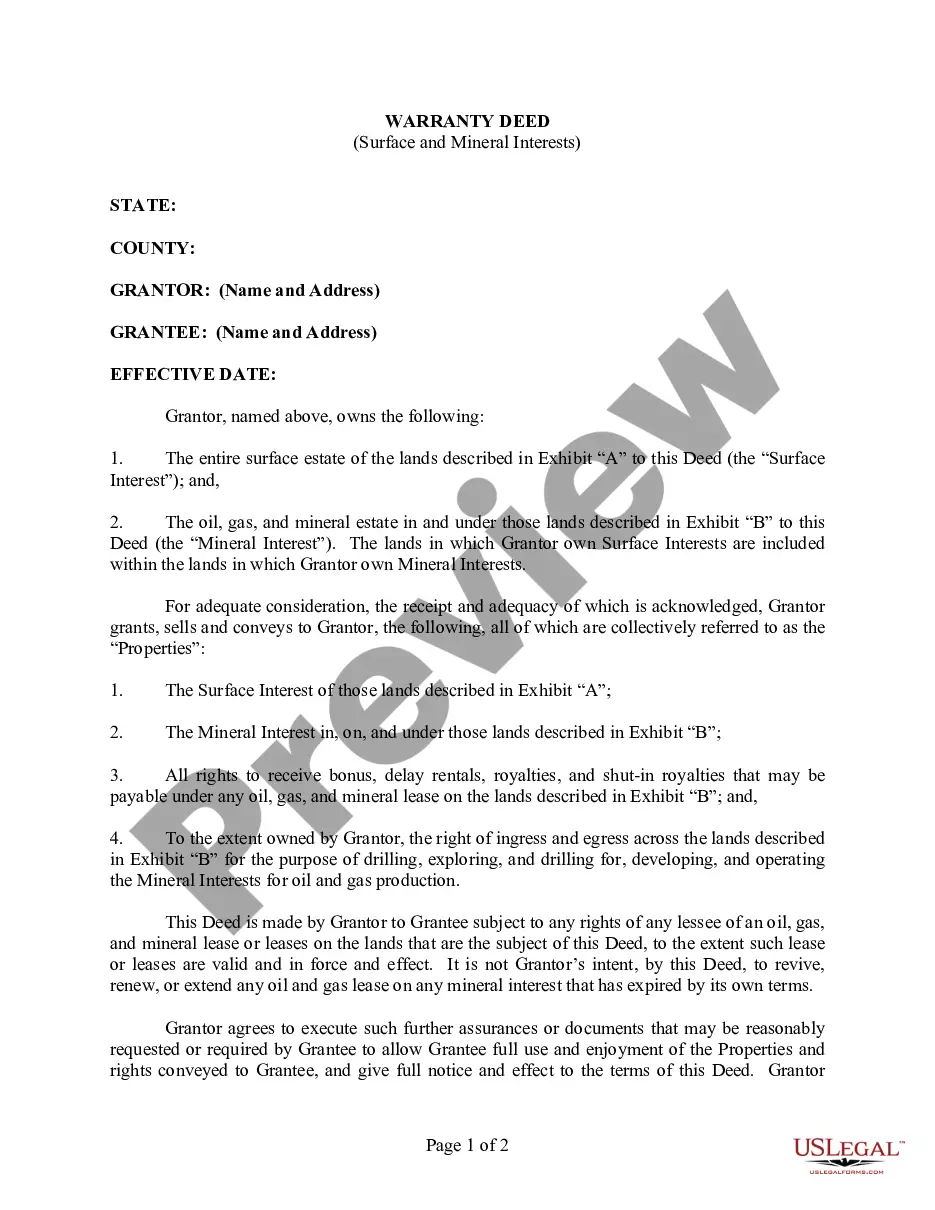
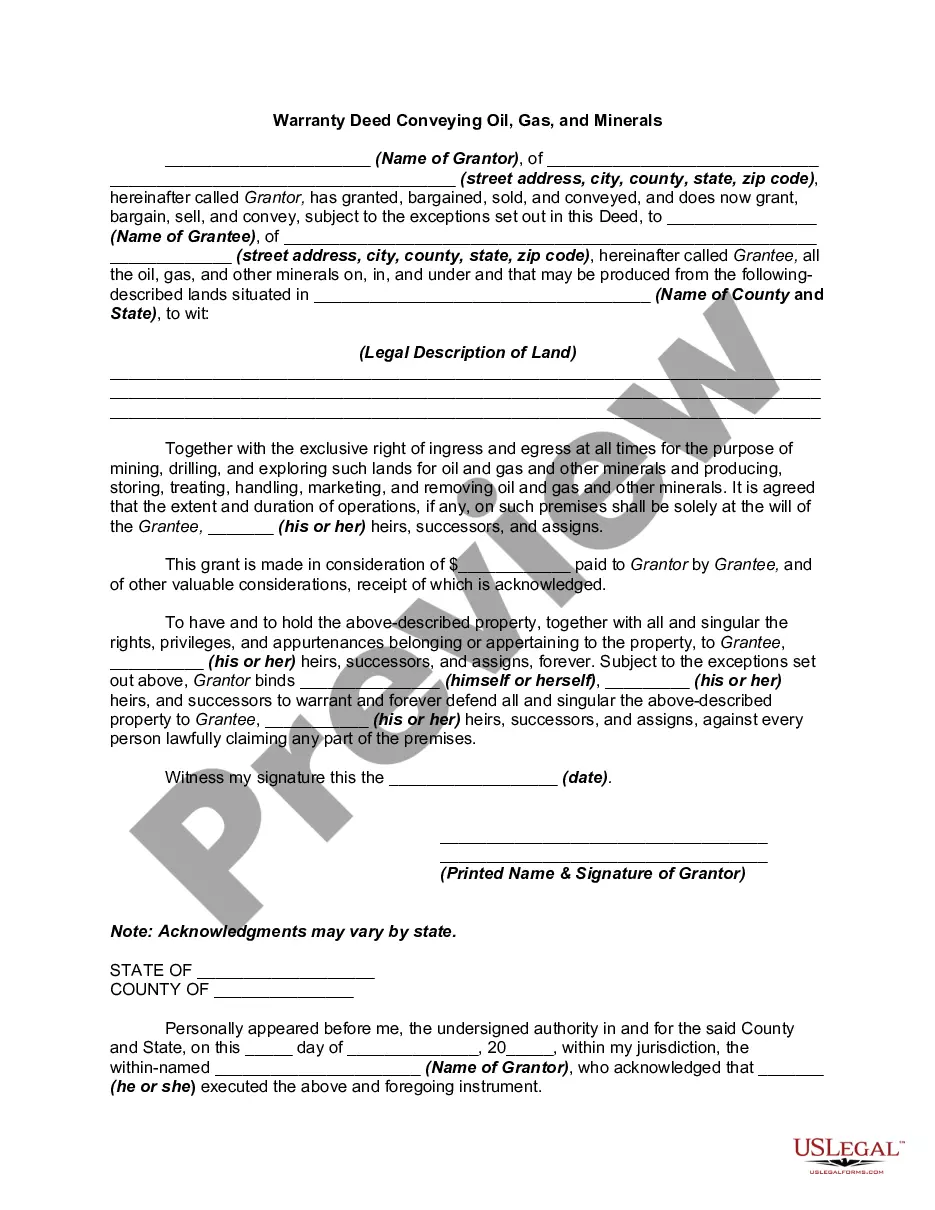
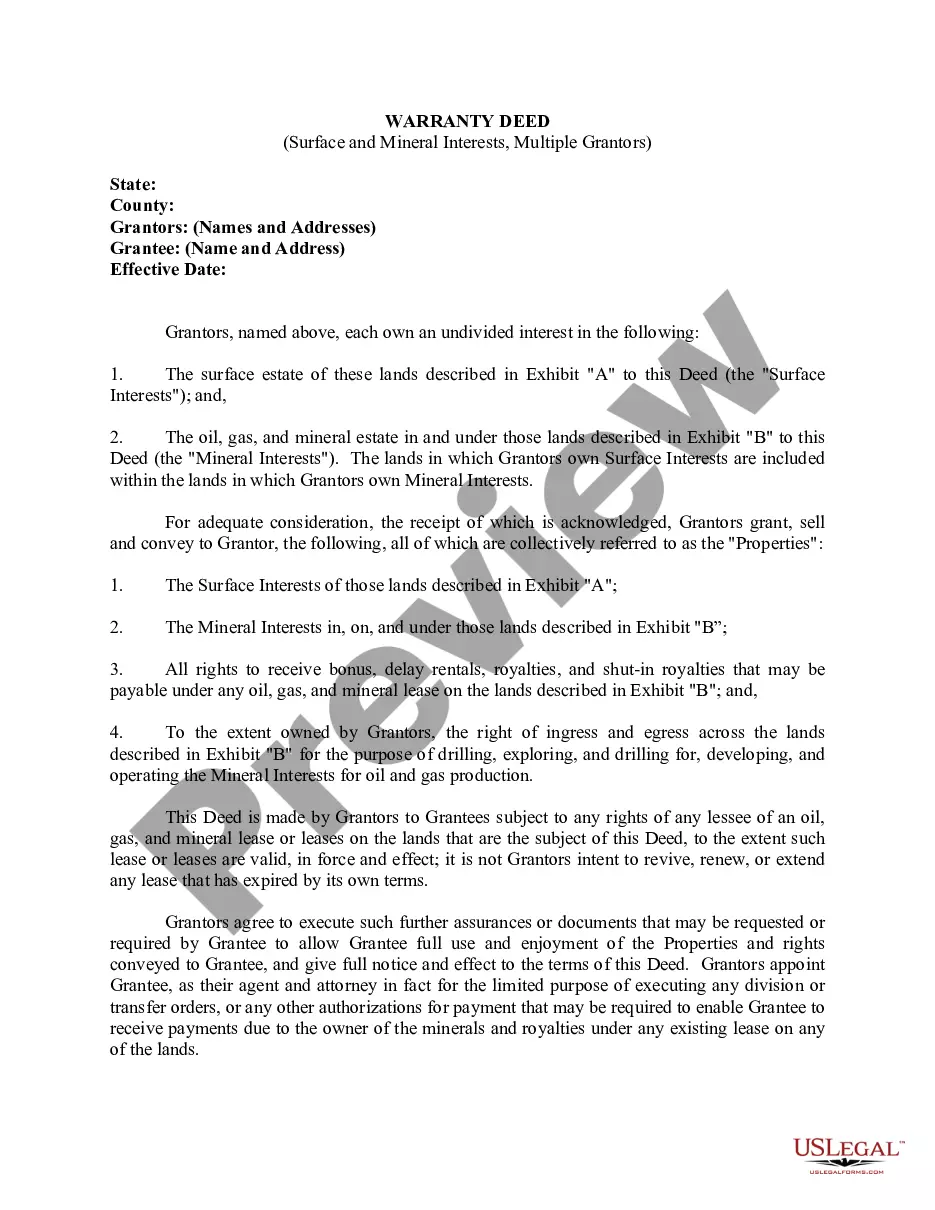
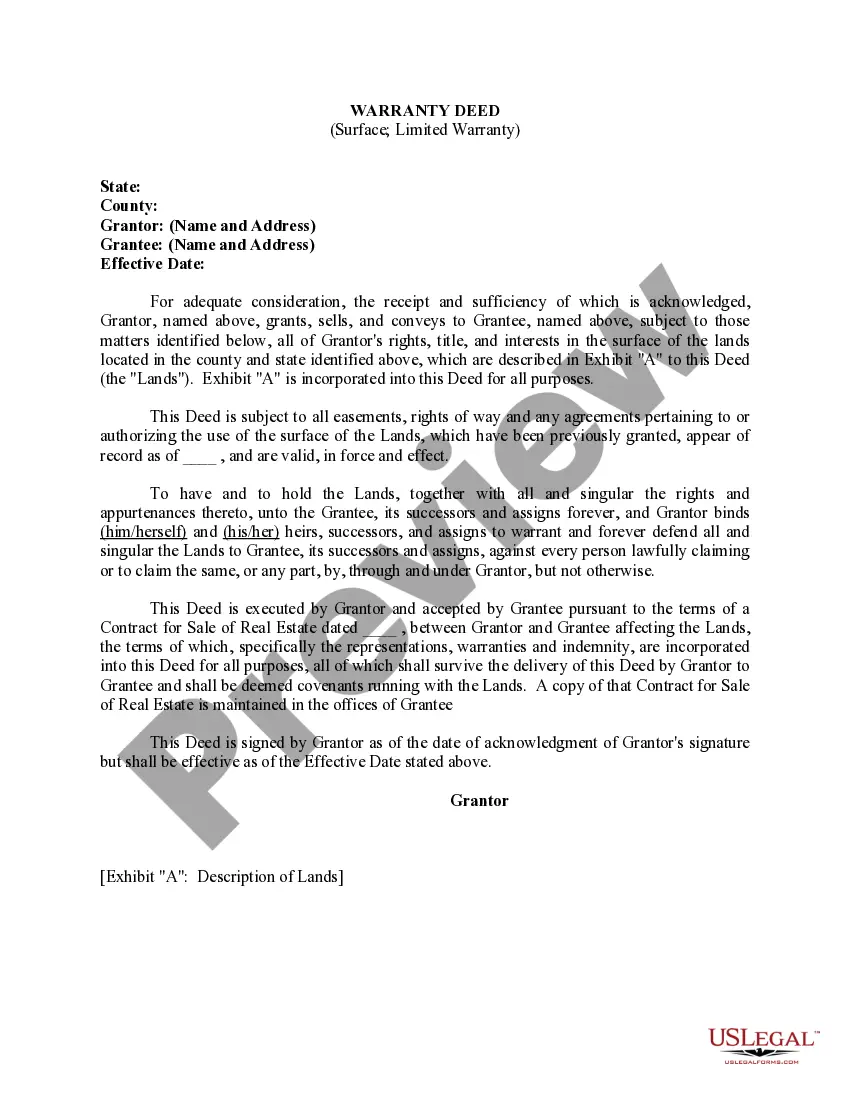
A warranty deed is a legal document that guarantees that the person selling the property owns it and has the right to sell it. In Austin, this can cover both the land's surface rights and any minerals below the surface, like oil or gas.