Negotiating easement terms involves talking with the pipeline company and possibly seeking legal advice. It’s all about finding middle ground so both sides can walk away happy, like shaking hands after a deal is struck.
Absolutely! There are local, state, and federal regulations to ensure pipelines are safe and fair to property owners. Think of it as rules of the road that keep everyone driving safely.
If an easement is affecting your property, consider consulting a lawyer or a land use expert. They can help you understand your options—like a guide on a tricky hiking trail.
Yes, you can refuse, but it may lead to negotiations or even legal action if it’s necessary for public use. Sometimes it’s a tough nut to crack!
You can check your property deed or title report. If there’s an easement, it should be noted there—like finding a hidden treasure map in your attic!
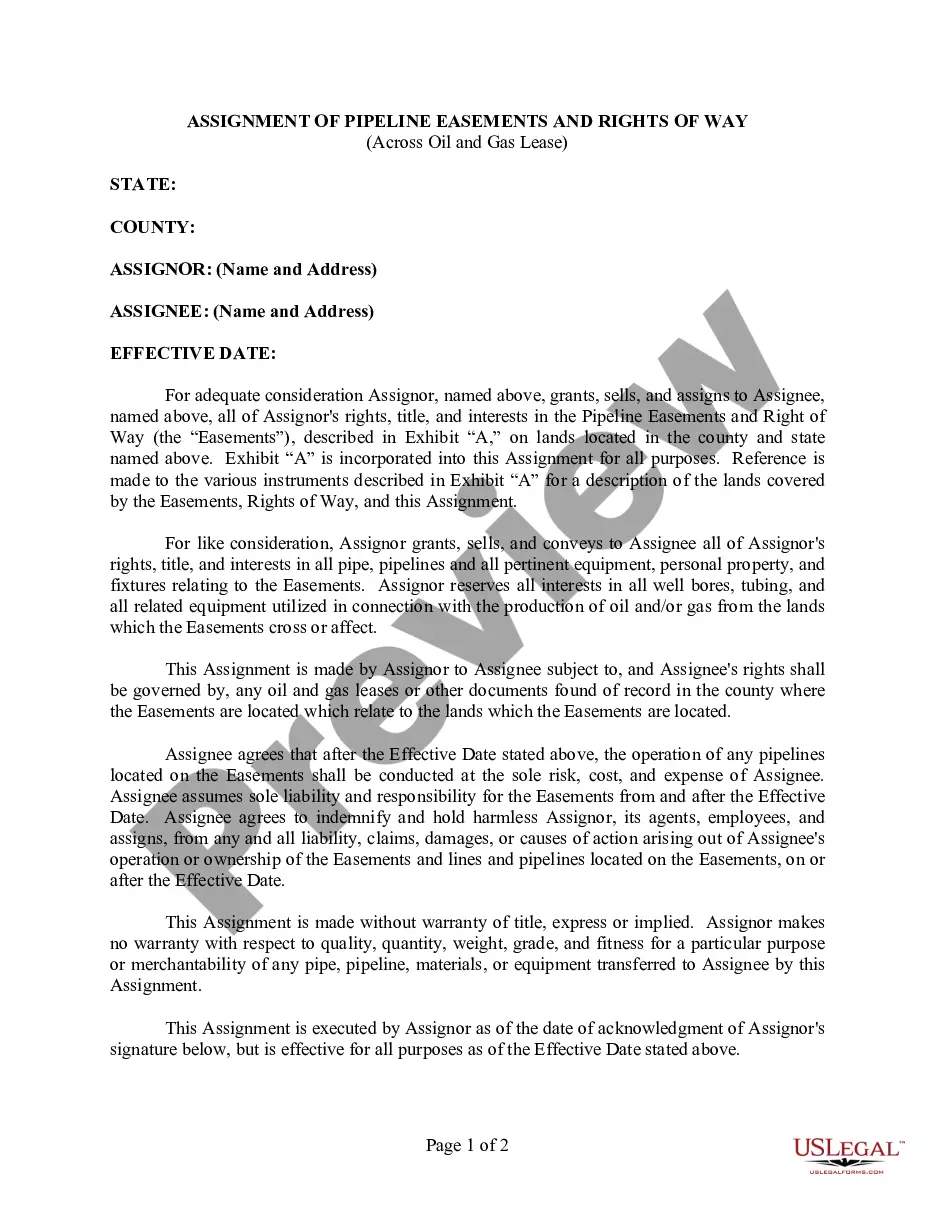
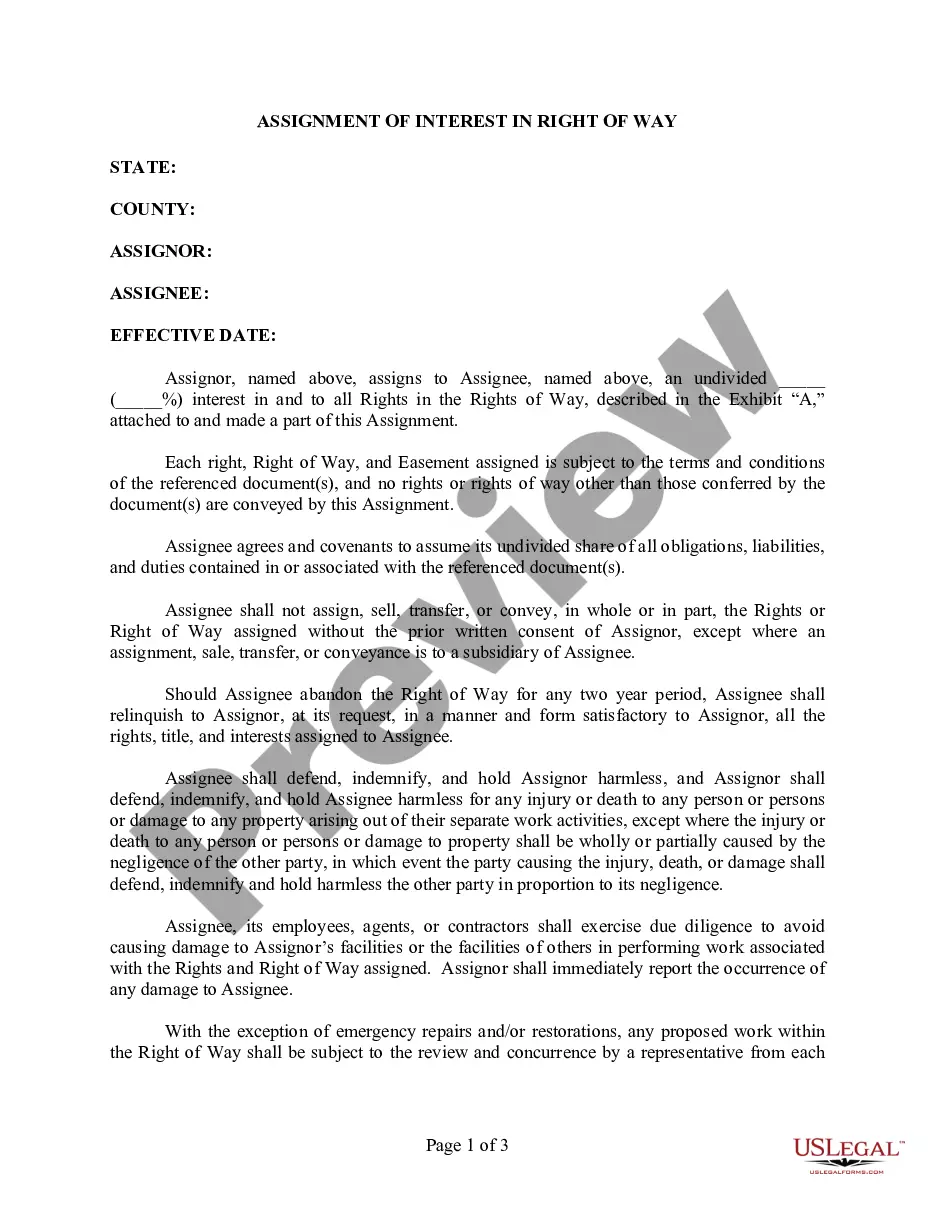
Rights of way are crucial because they allow companies to access their pipelines for maintenance and repairs. It’s kind of like keeping the roads open for emergency vehicles.
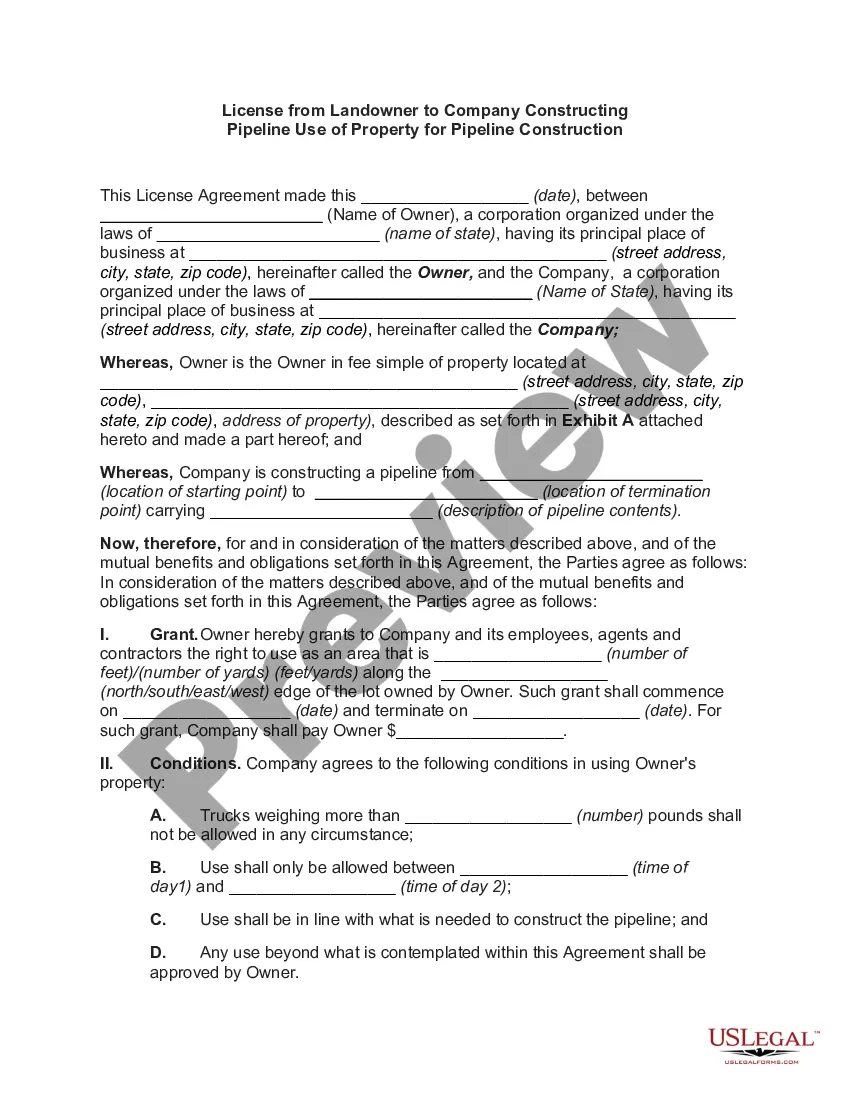
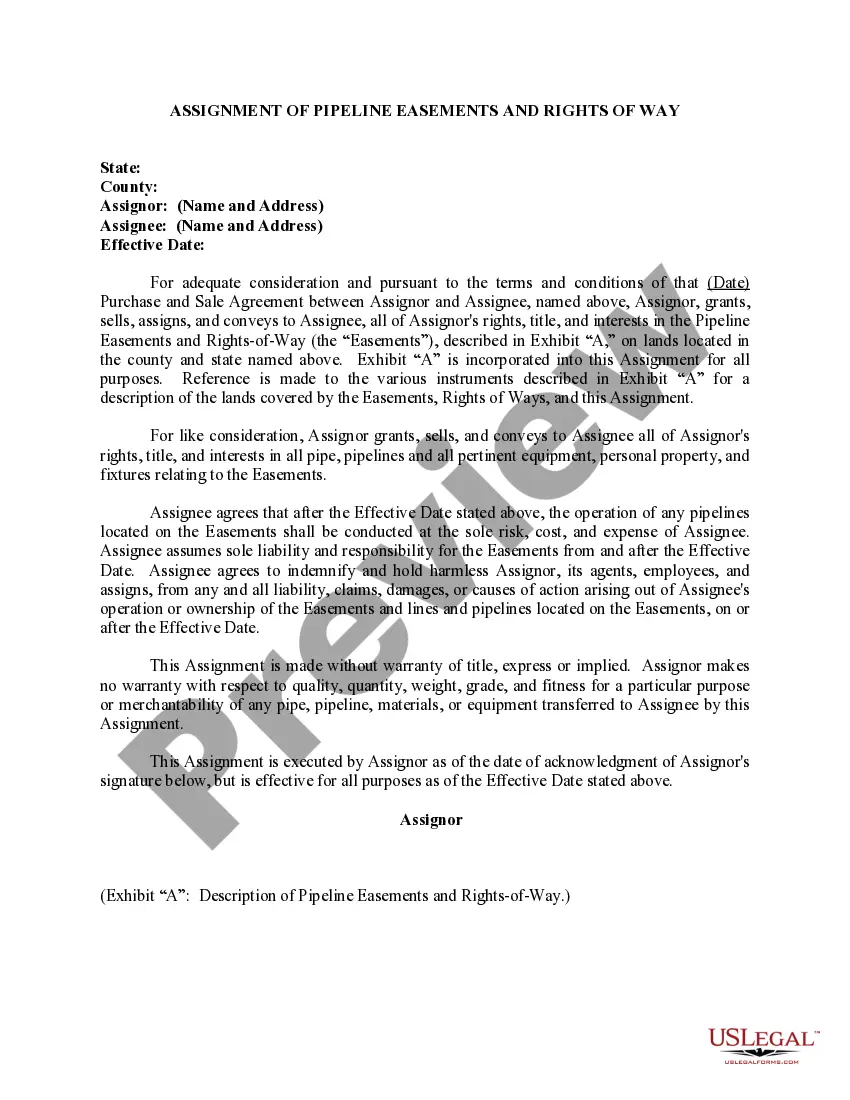
A pipeline easement is a legal right to use someone else's land for the installation and maintenance of pipelines. It’s like giving a neighbor permission to run a hose through your yard.