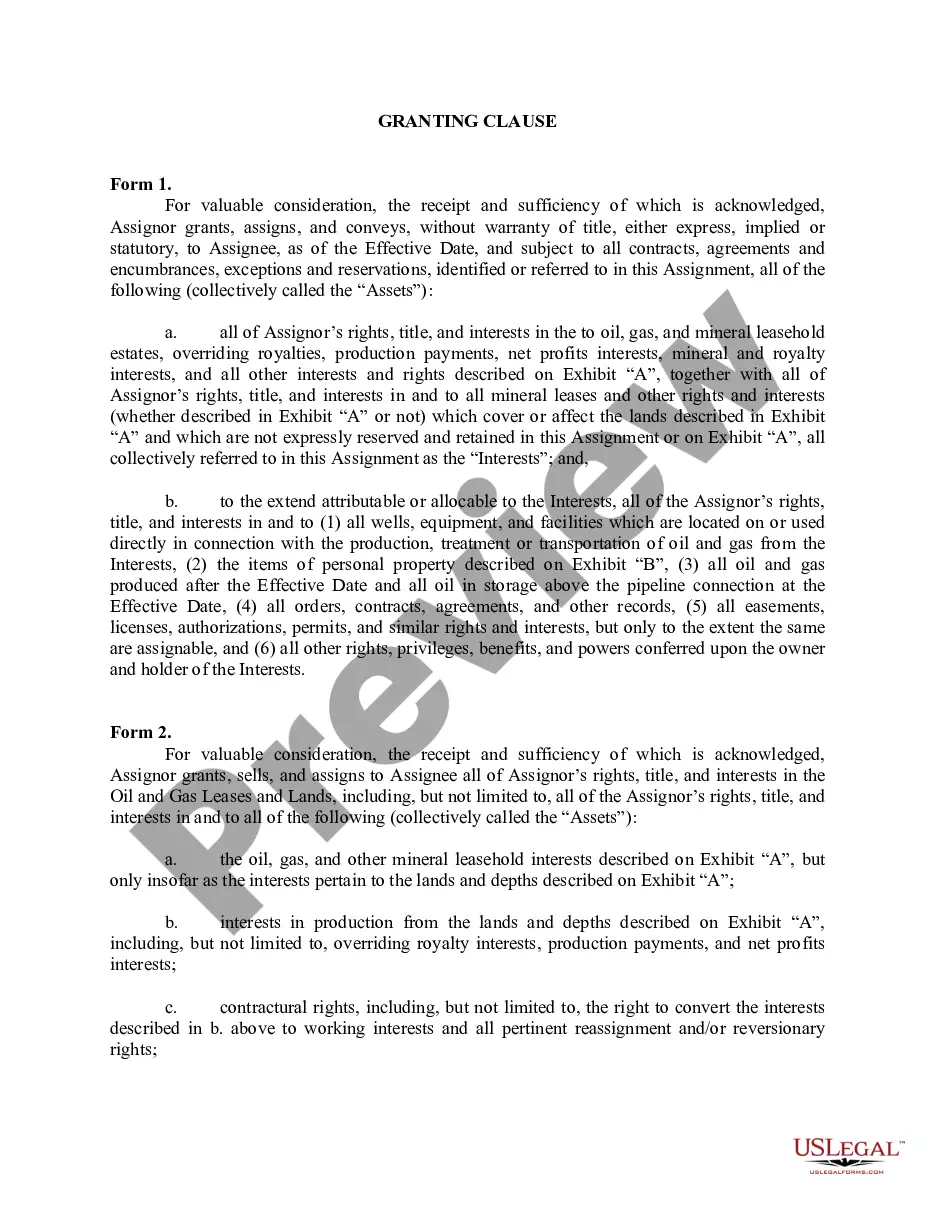
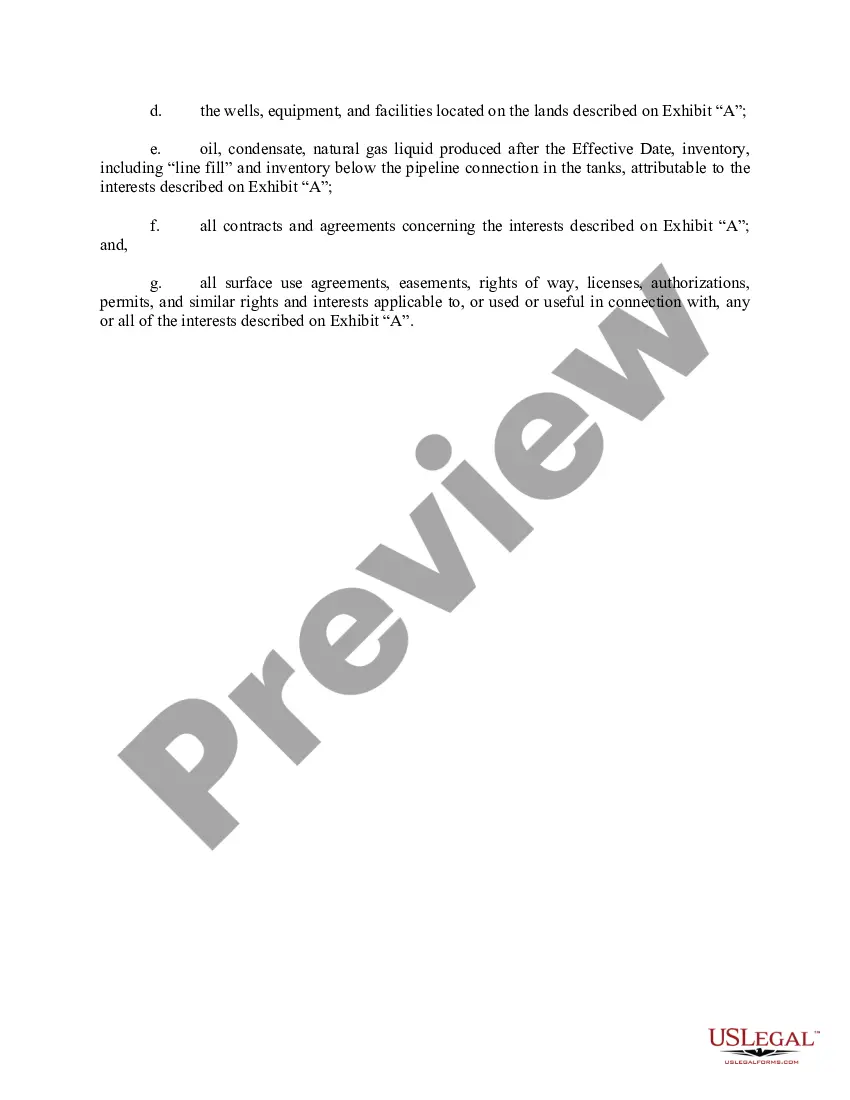
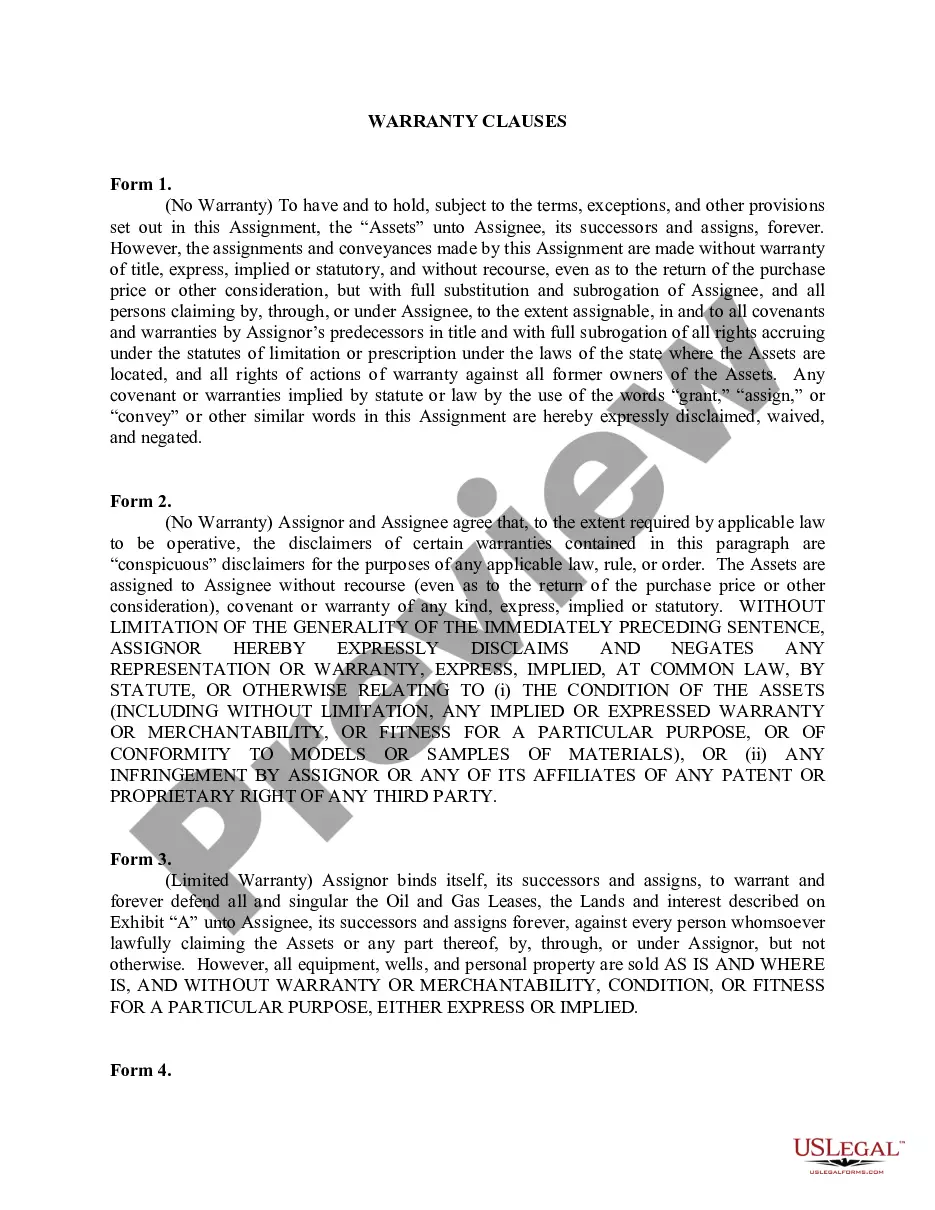
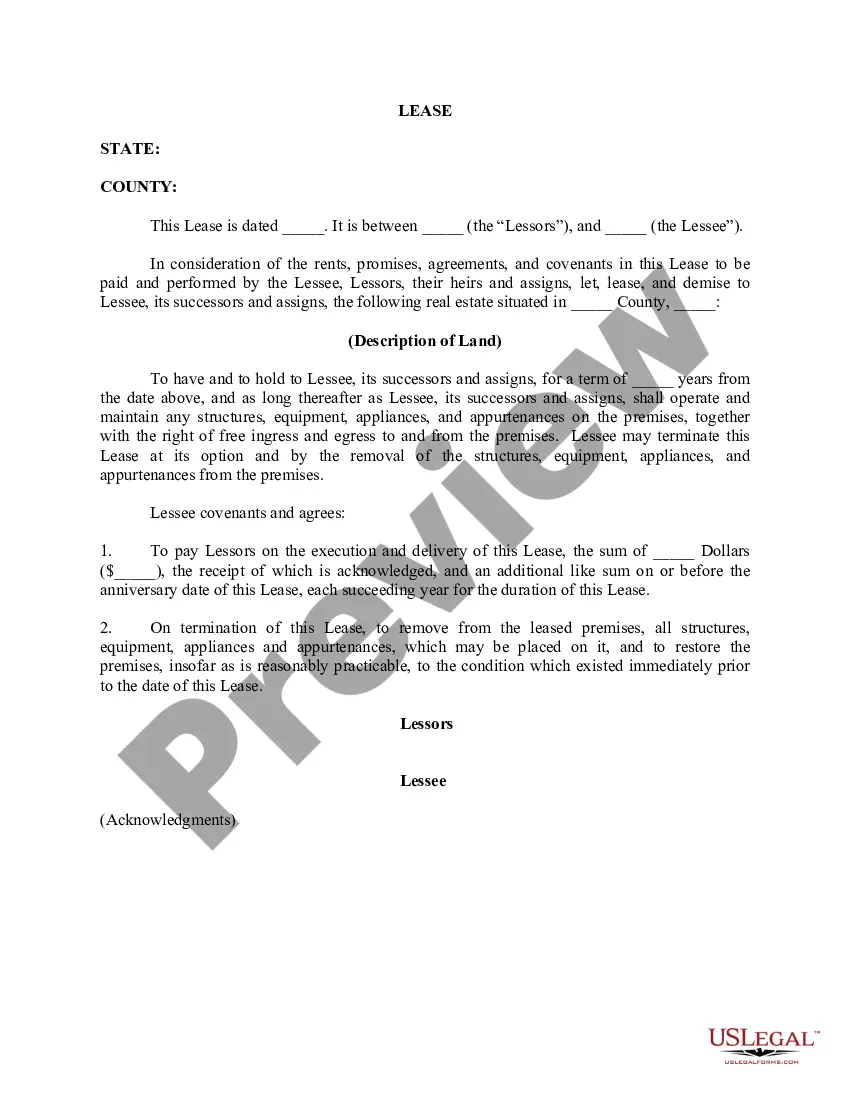
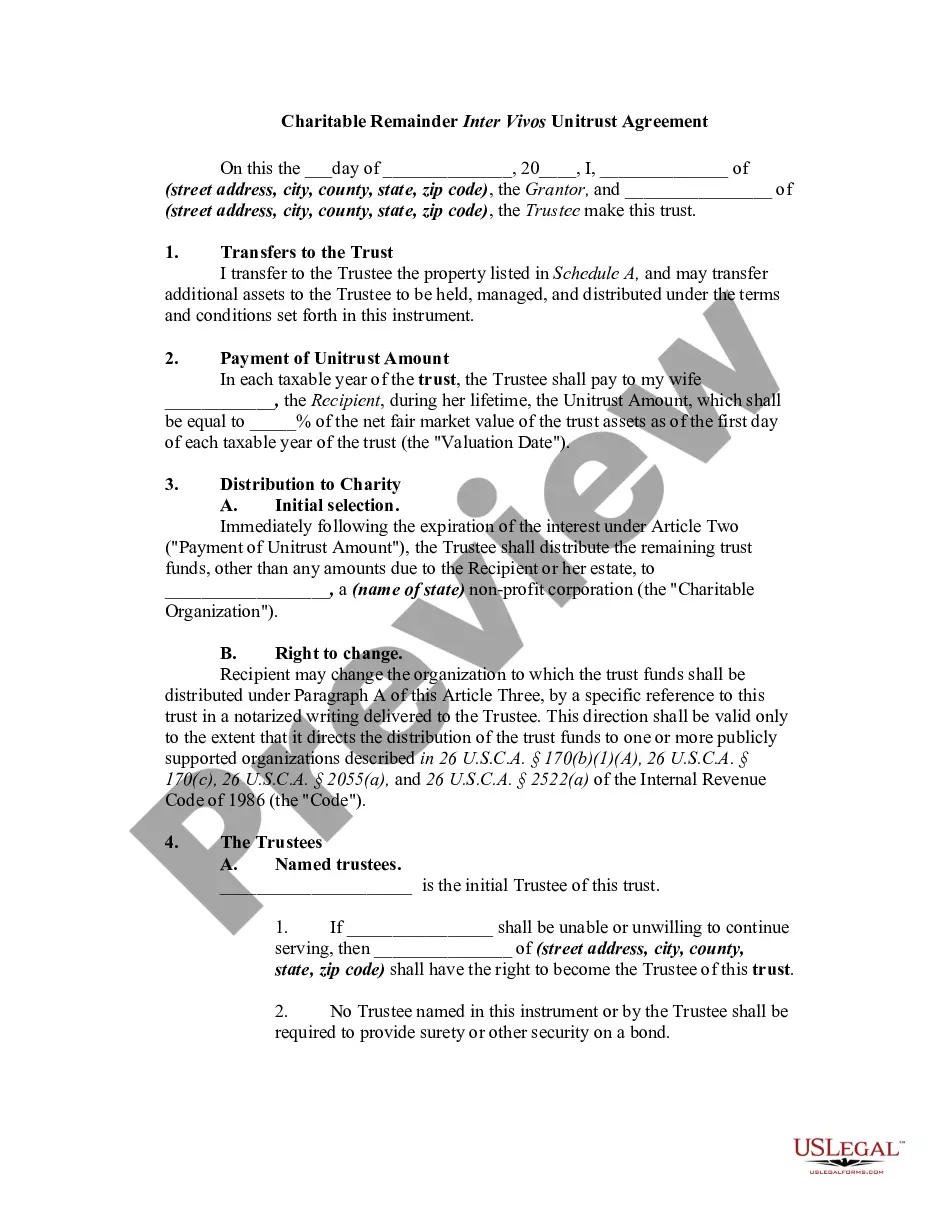
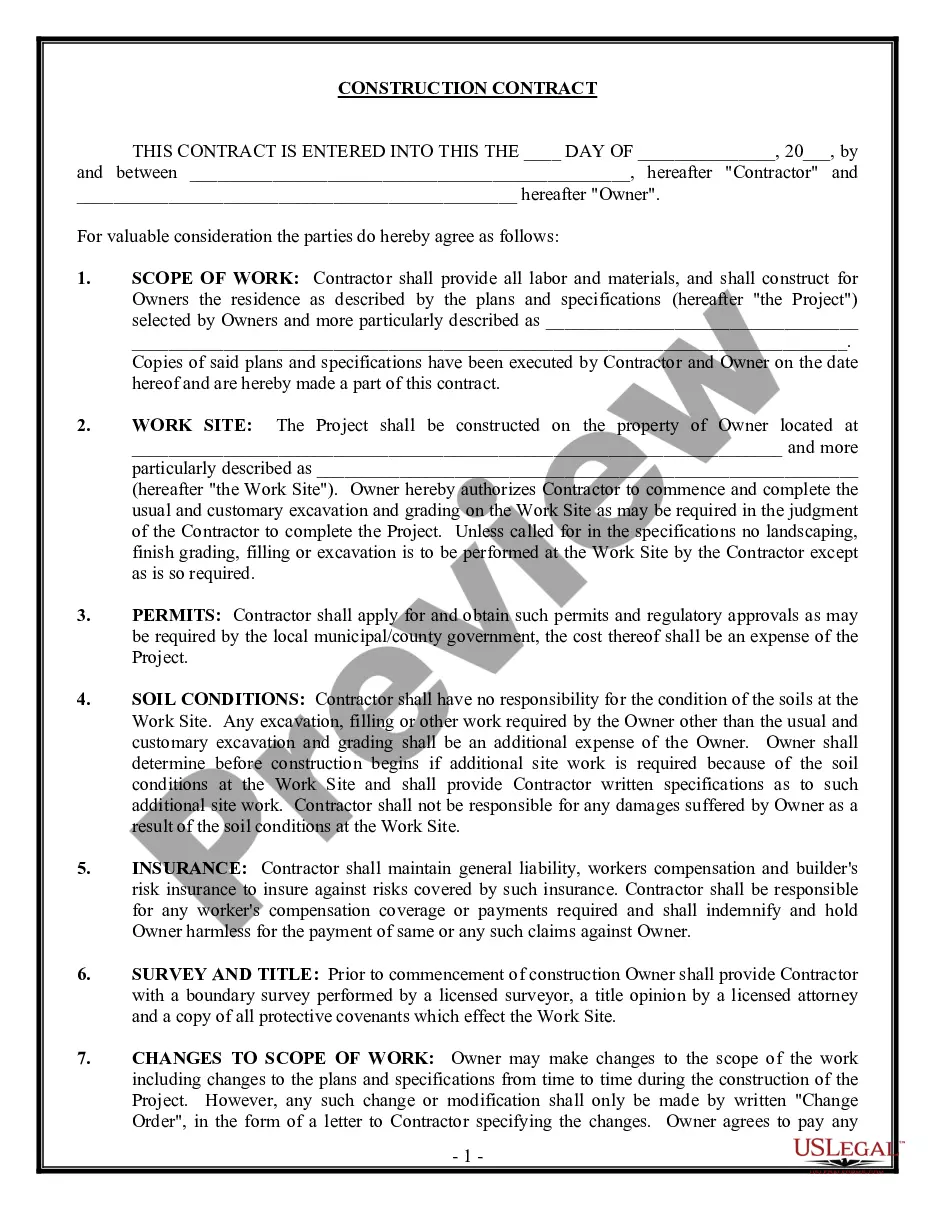
The Granting Clause form, the the receipt and sufficiency of which is acknowledged, assignor grants, assigns, and conveys, without warranty of title, either express, implied or statutory, to assignee.
While it’s possible to draft one yourself, having legal assistance is like having a trusty guide in unfamiliar territory. It can save you a lot of headaches later on.
The granting clause is key in establishing who has ownership rights. It lays down the law, so to speak, ensuring everyone knows who owns what!
If it’s missing, it may lead to legal issues down the line. It's a bit like trying to send a letter without an address; it just might not get where it needs to go!
Changes to a granting clause can be tricky. It usually requires another legal document to amend, so it's best not to go down that road unless absolutely necessary.
Yes, the granting clause should be precise and clearly define the property involved, including any legal descriptions. Think of it like making sure you have all the right ingredients for a recipe.
It’s crucial because it helps prevent any misunderstandings. It’s like drawing a clear road map so everyone knows where they stand!
A granting clause is a part of a legal document that clearly states who is giving the property and who is receiving it. In simple words, it spells out the 'what' and 'who' of a property transfer.