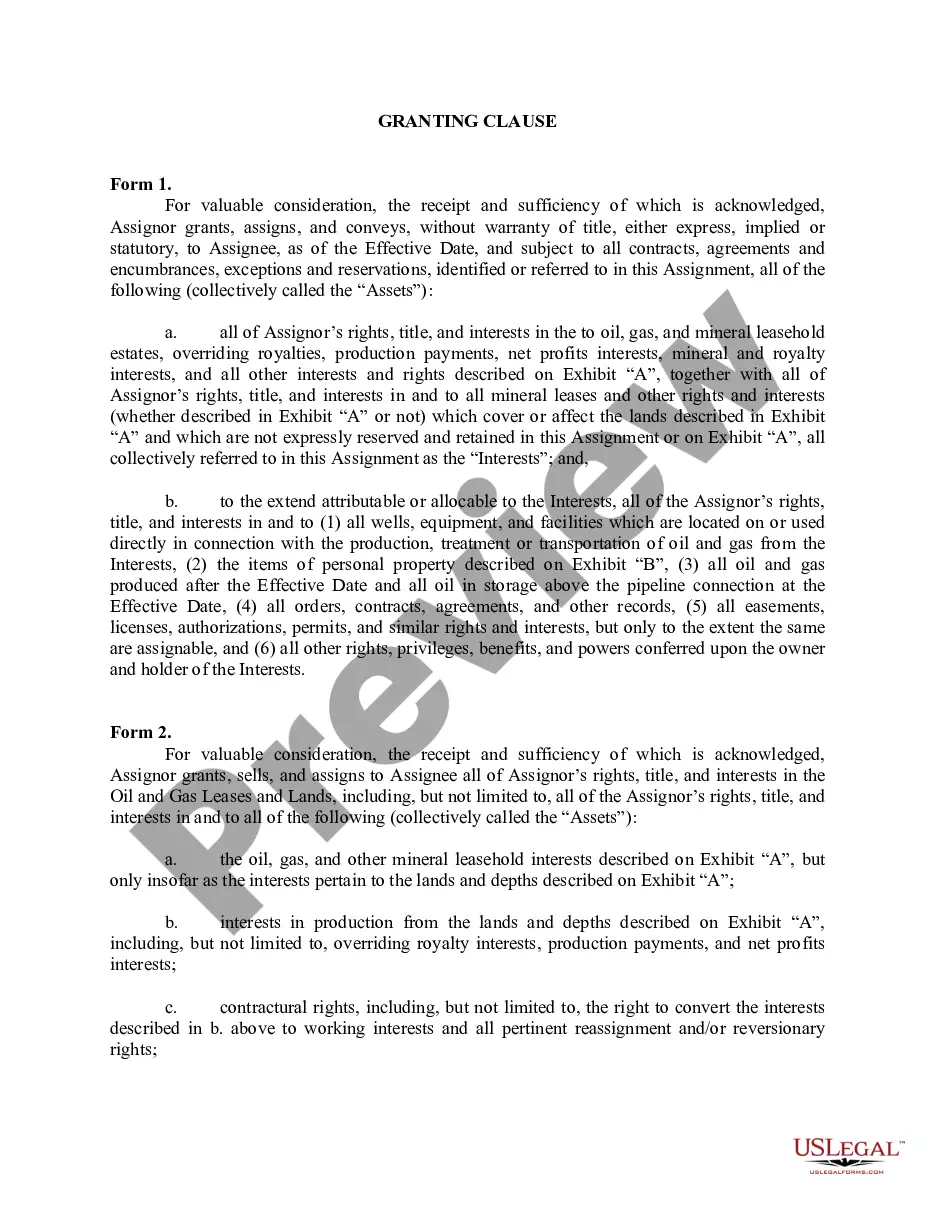
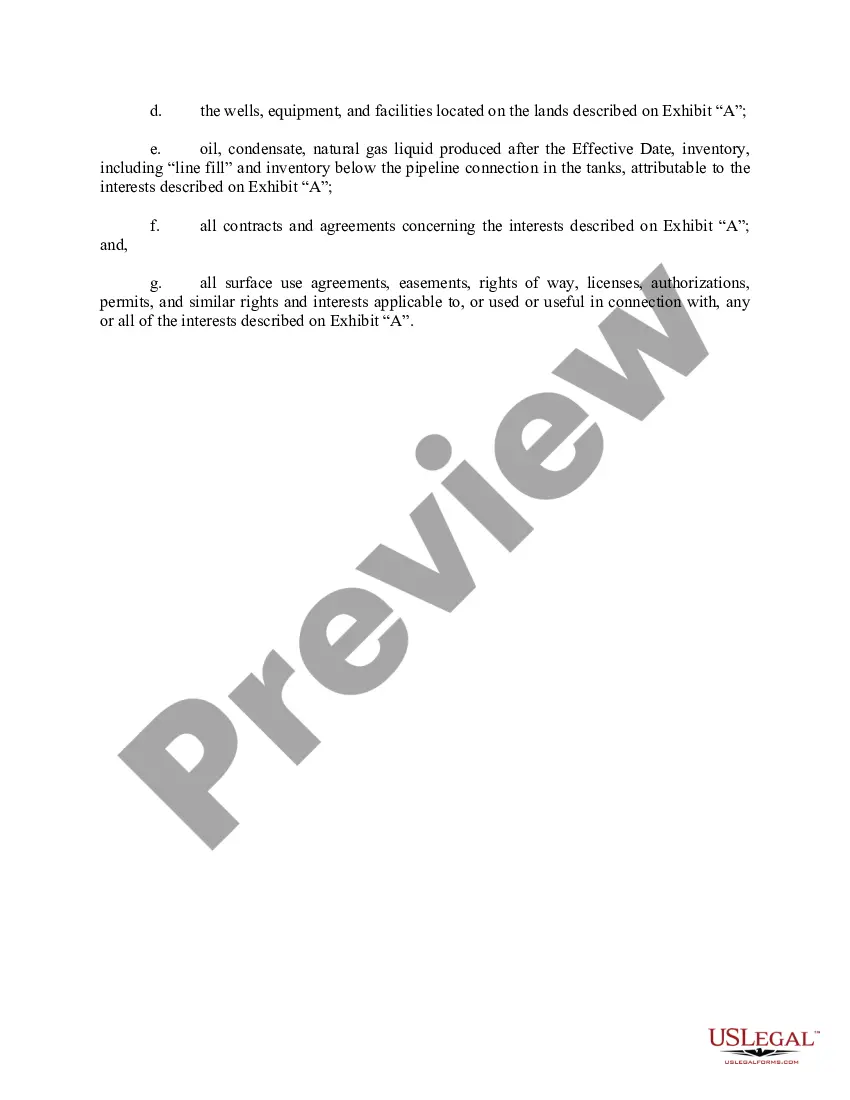
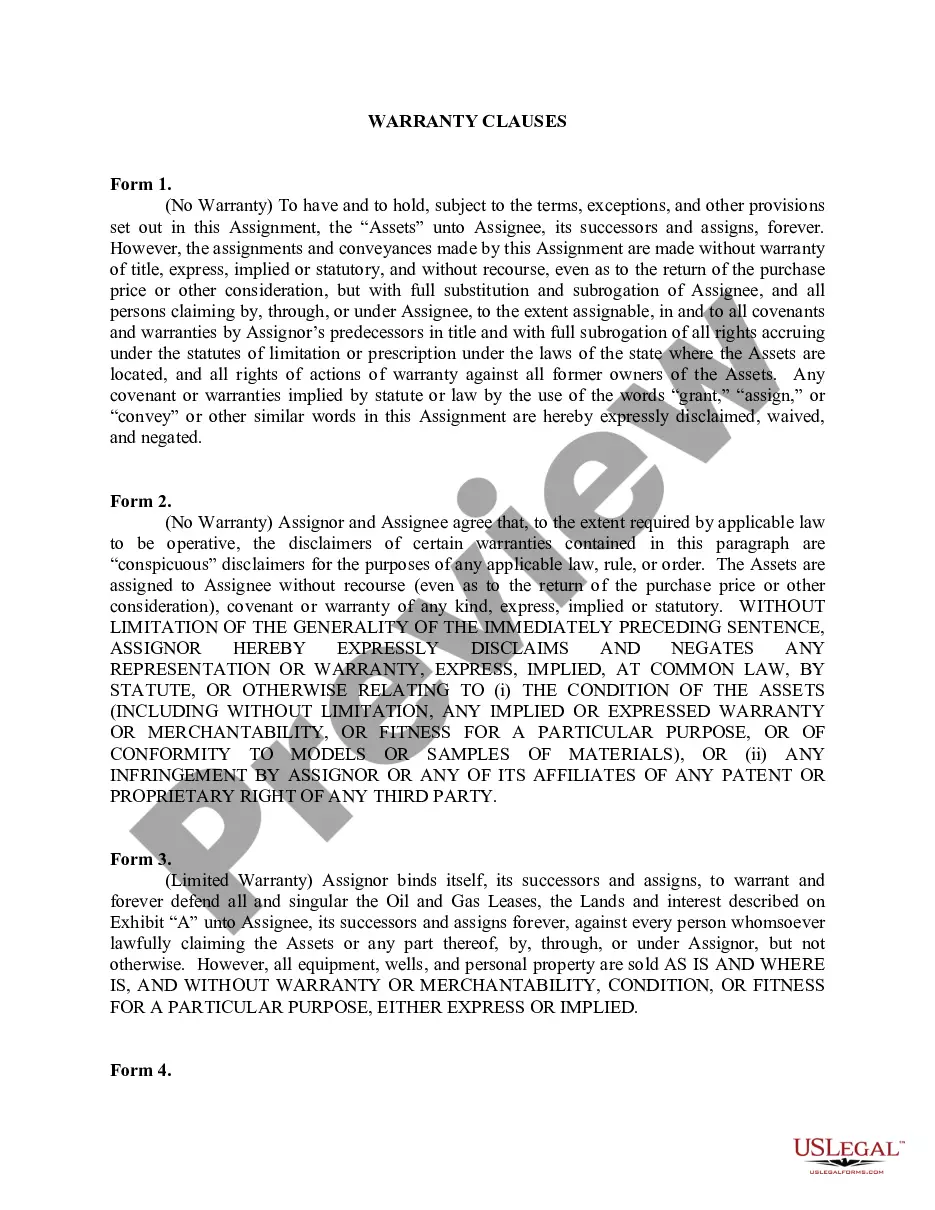
The Granting Clause form, the the receipt and sufficiency of which is acknowledged, assignor grants, assigns, and conveys, without warranty of title, either express, implied or statutory, to assignee.
You can typically find the granting clause in the property deed or other legal documents filed with the county. If you’re unsure, a local real estate lawyer can lend a hand!
Not quite! Granting clauses can vary from one property to another, depending on the specific legal agreements and circumstances involved.
If there’s no granting clause, it can lead to a lot of headaches! It might create uncertainty about ownership and rights, which can complicate things down the line.
Yes, a granting clause can be amended, but it usually requires agreement from all parties involved and must be documented properly.
Unlike other clauses that might detail conditions or obligations, the granting clause focuses specifically on the transfer of rights or property itself.
The granting clause is important because it lays down the rules of ownership. It helps prevent any confusion about who has the rights to the property.
A granting clause is a part of a legal document that specifies what rights are being given to someone. In Arlington, it tells you who can use or own a piece of property.