We use cookies to improve security, personalize the user experience, enhance our marketing activities (including cooperating with our marketing partners) and for other business use.
Click "here" to read our Cookie Policy. By clicking "Accept" you agree to the use of cookies. Read less
First, try to communicate openly with your landlord to iron things out. If that doesn't work, you may want to seek legal advice or mediation. Think of it as working through a misunderstanding with a buddy!
If you need to break the lease, it’s best to review the terms first. There might be penalties, or you may need to give notice. It's like trying to return a borrowed book; it's best to ask nicely!
It’s best to visit the land and check its condition. Soil quality, water availability, and access to feed all play a role. Think of it as kicking the tires before buying a car!
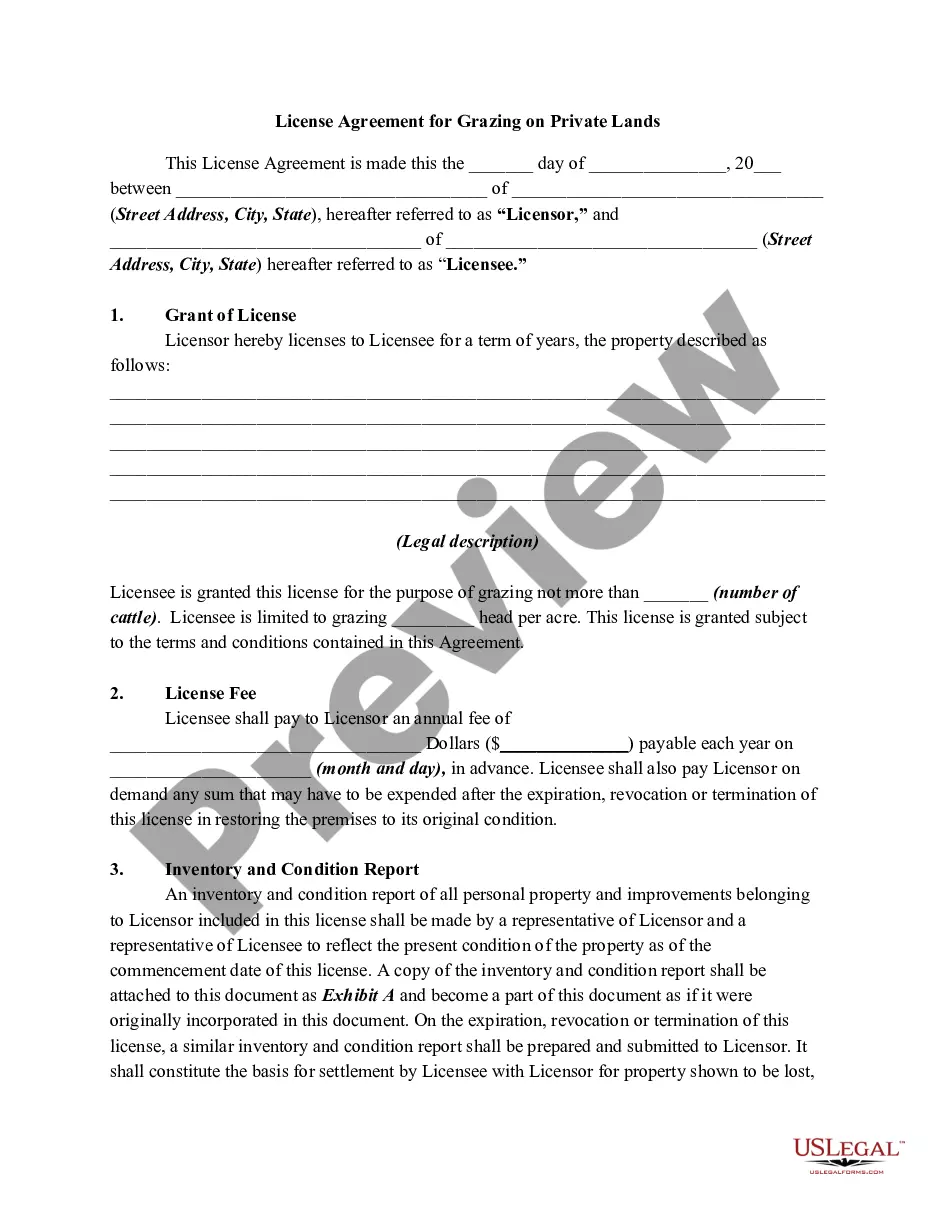
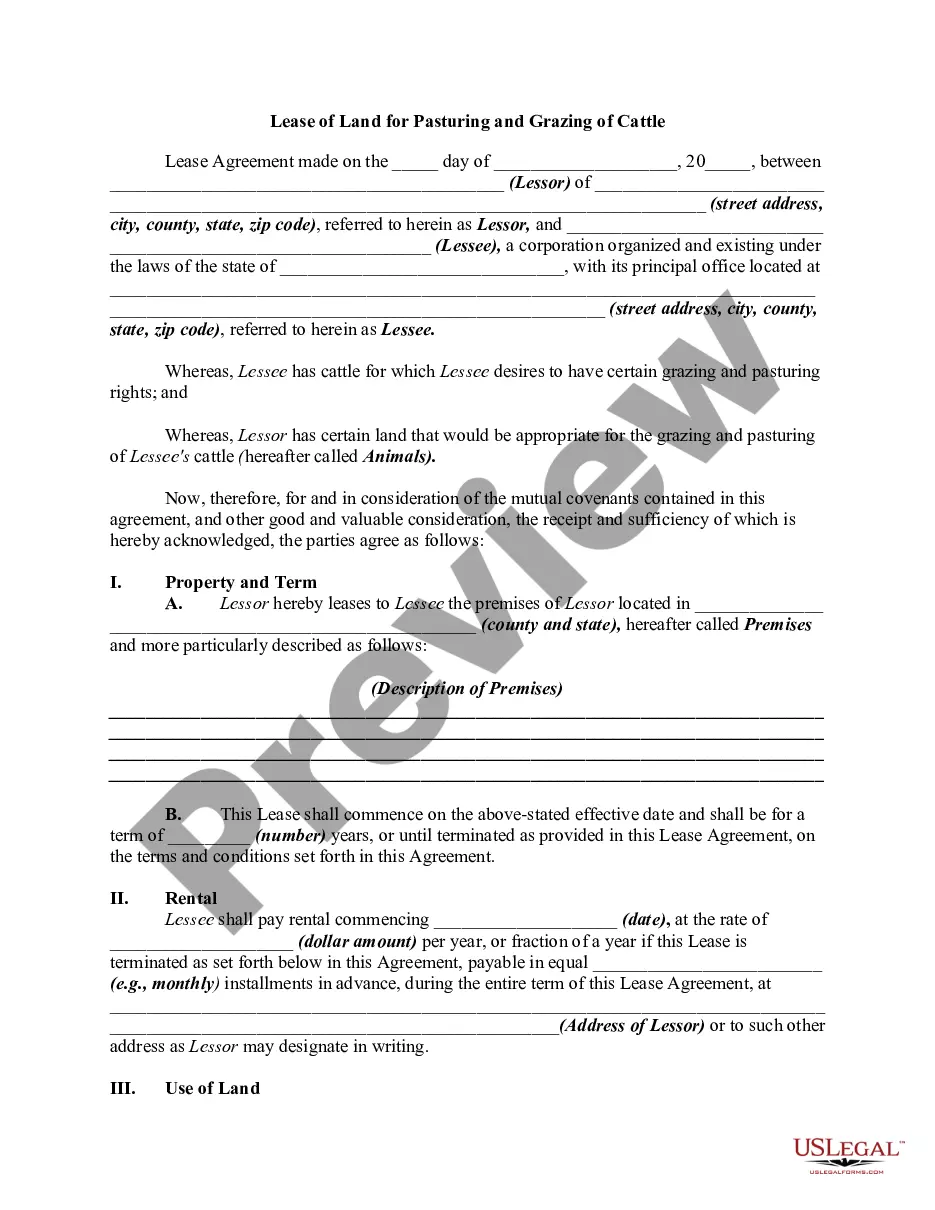
Yup! If the lease allows for it, you can raise livestock. Just be sure to check local laws, so you don’t end up in hot water down the line!
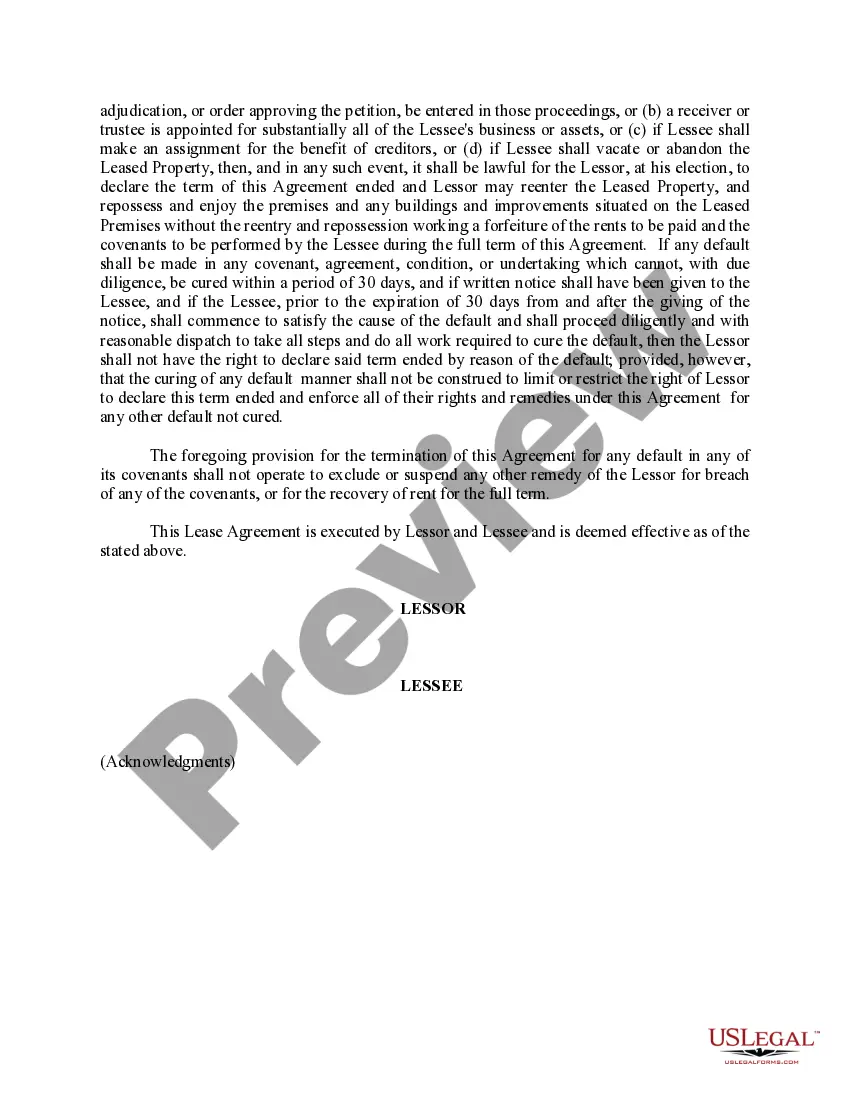
Include important details such as the length of the lease, what you can do on the land, and any responsibilities for upkeep. Think of it as a recipe—each ingredient needs to be just right!
Not necessarily! You can lease land even if you're from out of town, but it's good to know the local rules and make friends with the community before diving in!
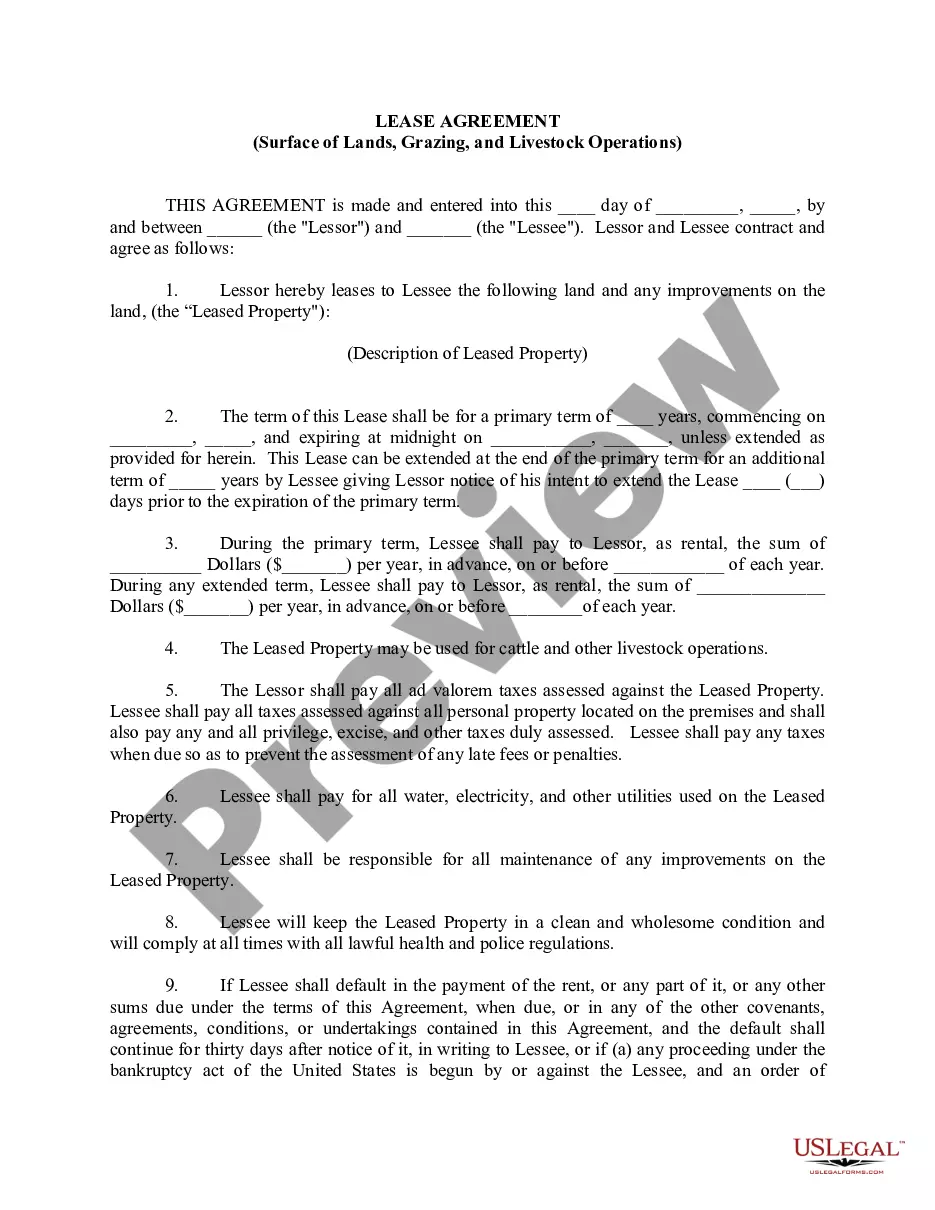
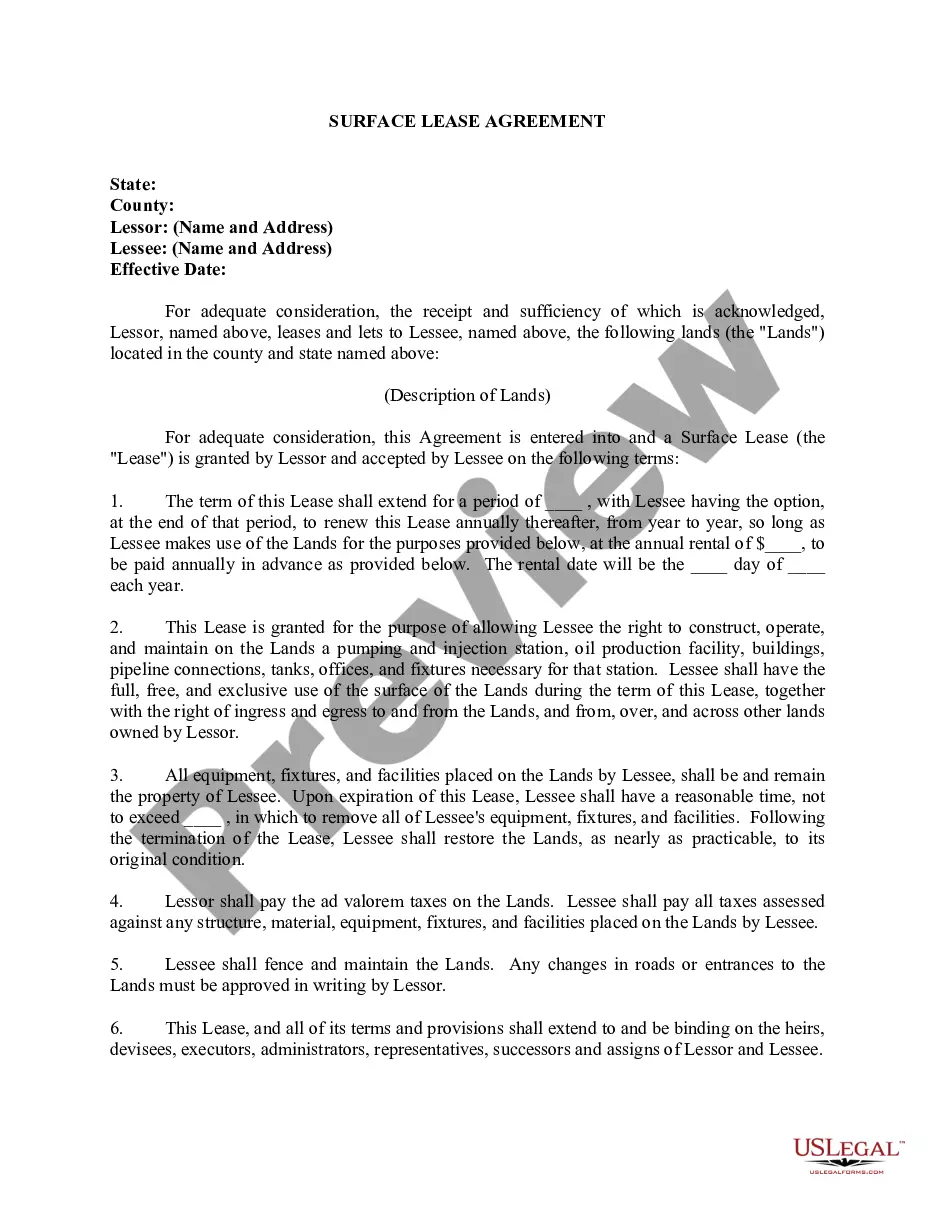
A lease agreement for surface lands is a legal document that allows a person or business to use land for activities like grazing or farming. It's like borrowing a neighbor's lawn to run your sheep around!