After dissolution, the resources are usually distributed based on ownership stakes or agreements made beforehand. It’s like dividing up a pizza – everyone gets their slice based on how much they had.
Absolutely, challenges can come from differing opinions among owners or legal hurdles. It can be like running into roadblocks on a smooth highway – you’ll need to navigate them carefully.
Yes, it’s best if all owners are on board with the decision to dissolve the unit. Otherwise, you might end up in a situation where some want to part ways and others don’t, sort of like a band trying to break up but there are holdouts.
To kick things off, you usually need to gather your documentation, consider having a legal expert by your side, and submit your request to the relevant authorities. It’s like getting your ducks in a row before taking action.
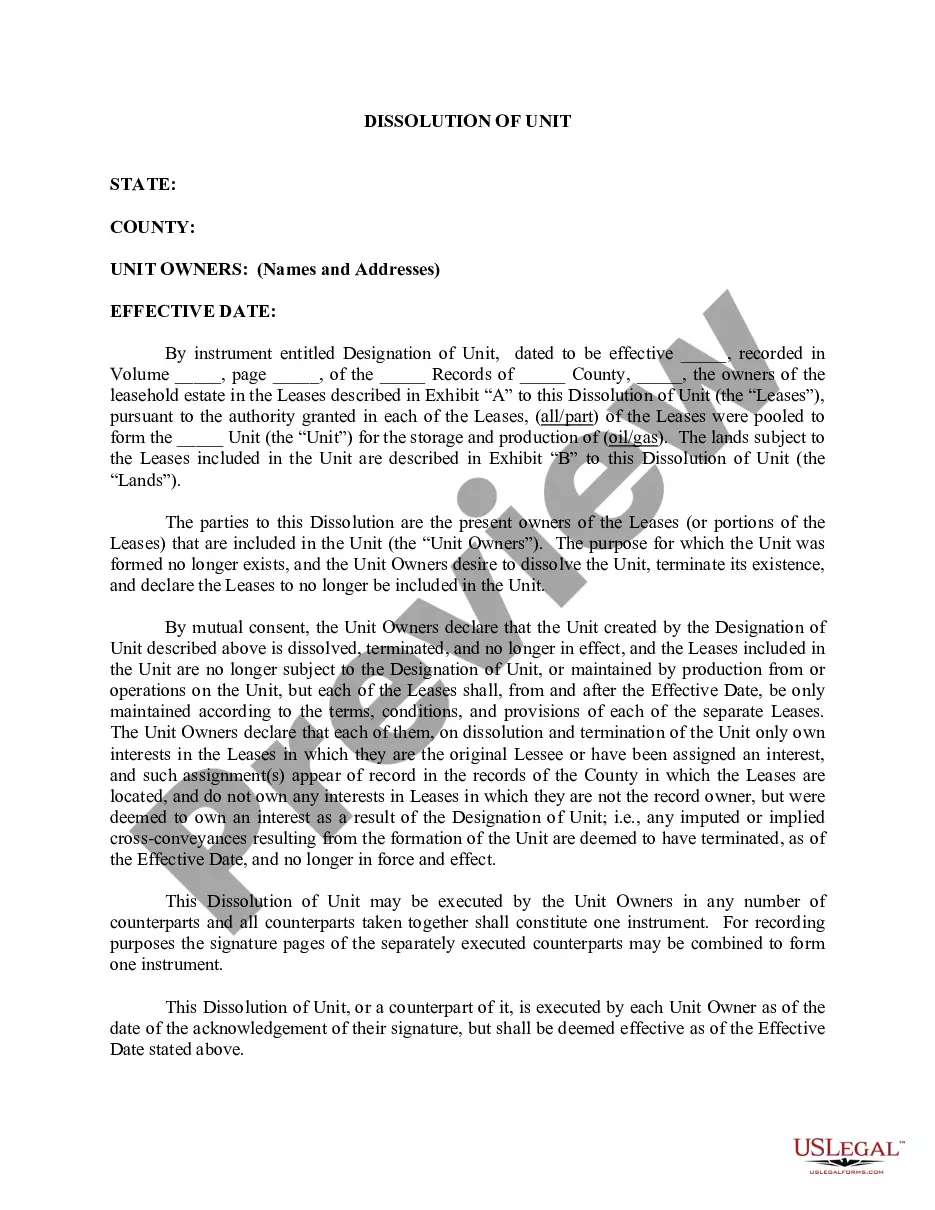
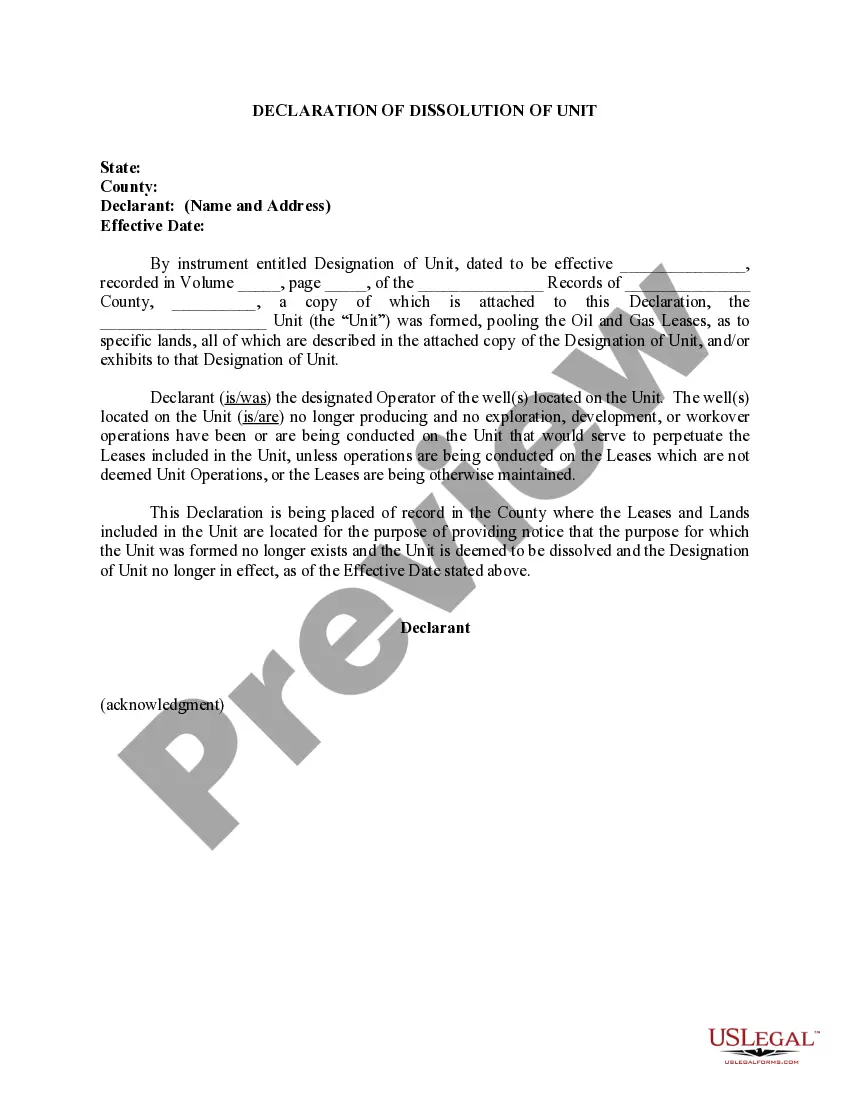
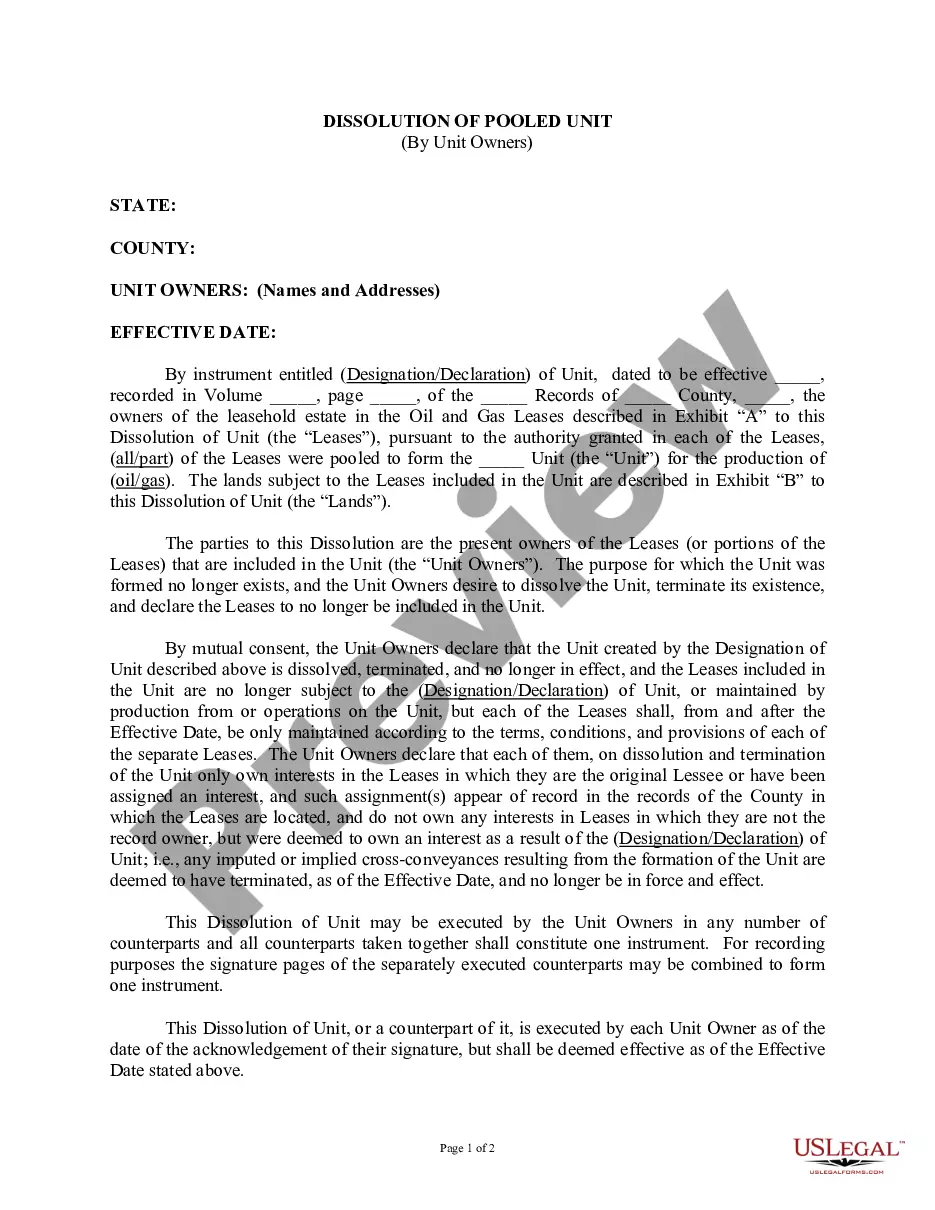
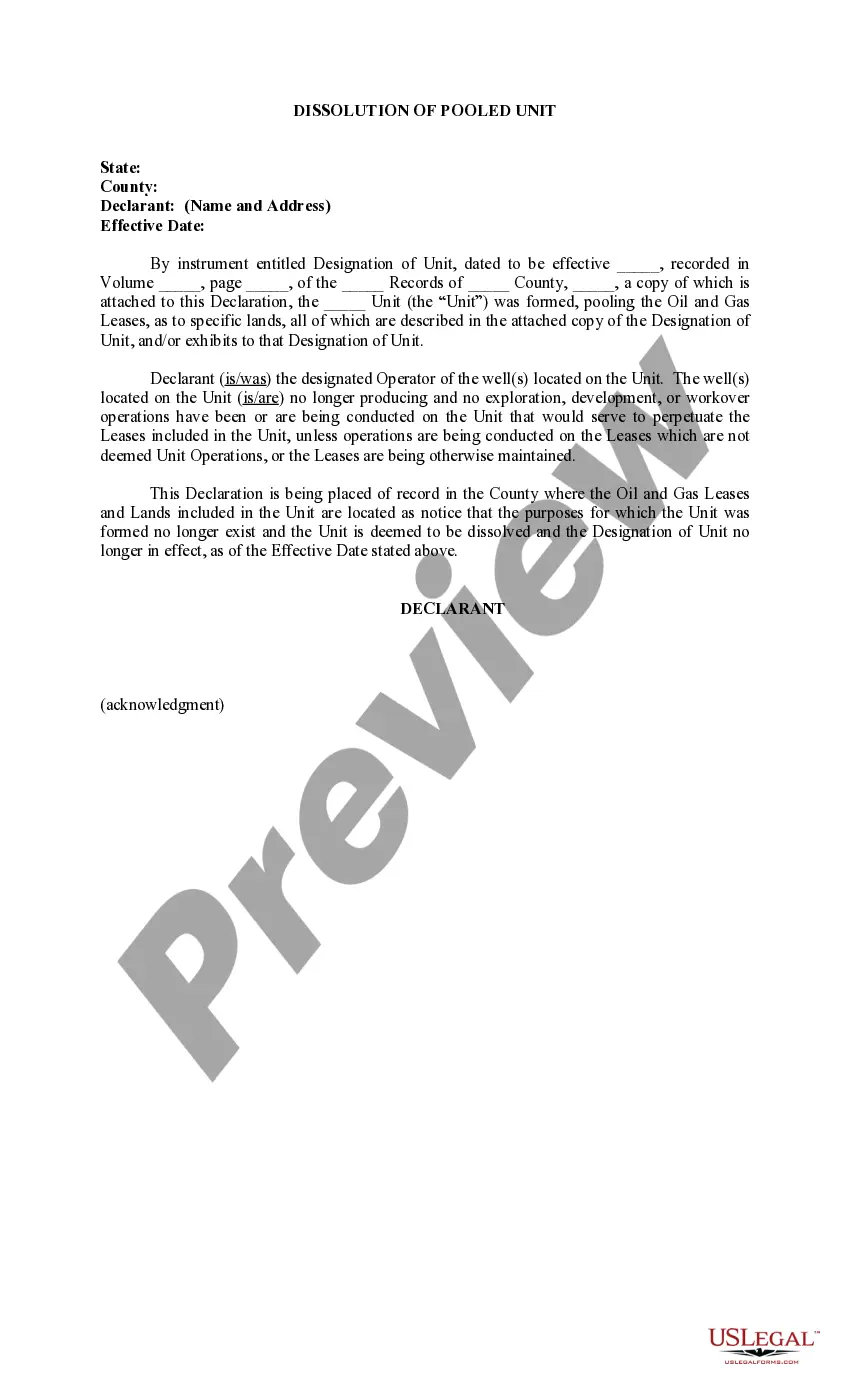
The dissolution process typically requires a legal petition to the Texas Railroad Commission, along with other paperwork. It’s like filing for a divorce, where you formally ask to split up the partnership.
Dissolving a pooled unit can happen for various reasons, like wanting to manage resources individually or disputes among property owners. It’s like deciding to go solo after being part of a group.
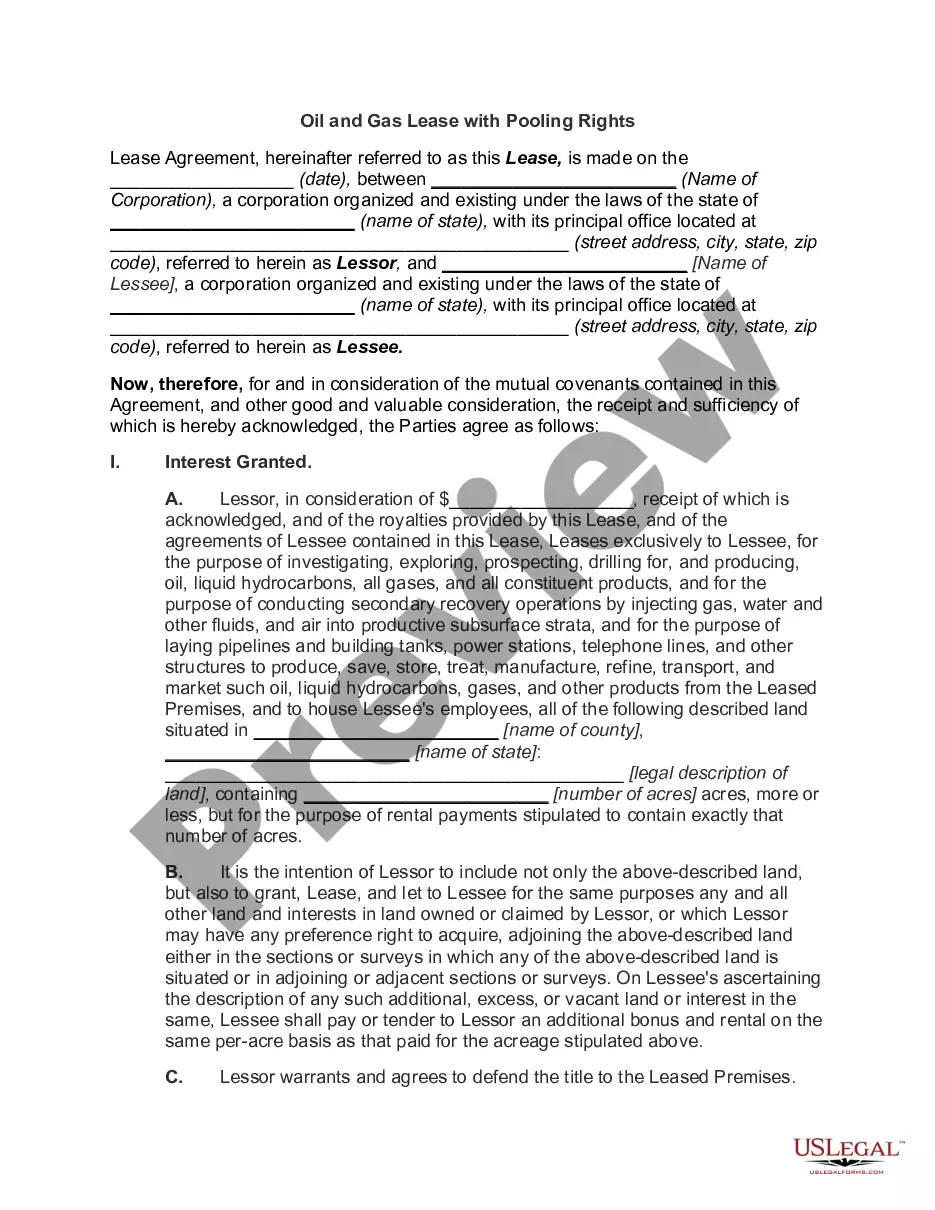
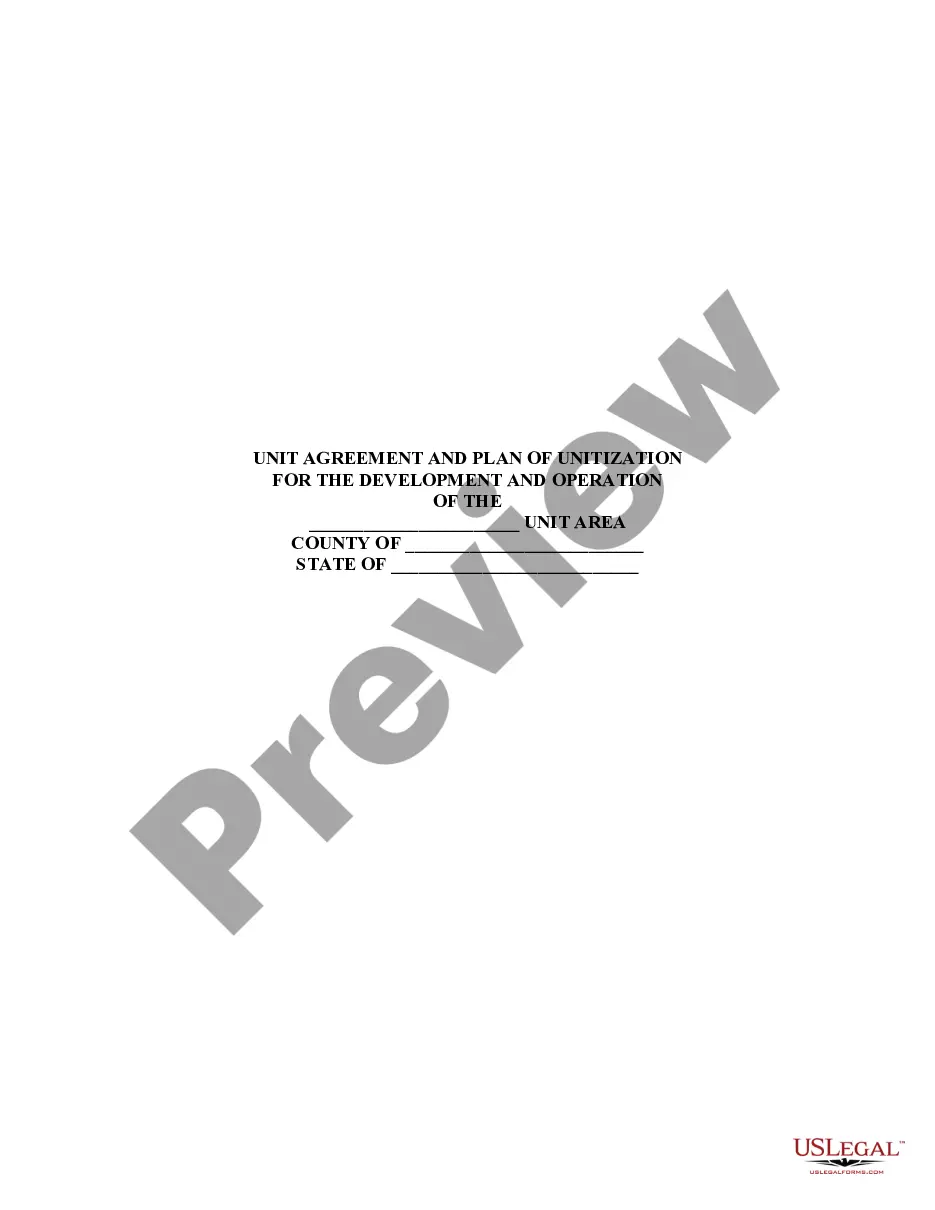
A pooled unit is a group of properties or mineral rights that are combined for exploration and production of oil and gas. Think of it like a team effort to tap into the resources beneath the ground.