Sometimes things can get a little sticky, but it's not the end of the world! If you keep good records and communicate with the oil company, most issues can be sorted out.
If you don’t sign, you might not get your royalties until you do. The oil company usually holds off on payments until all the paperwork is in order.
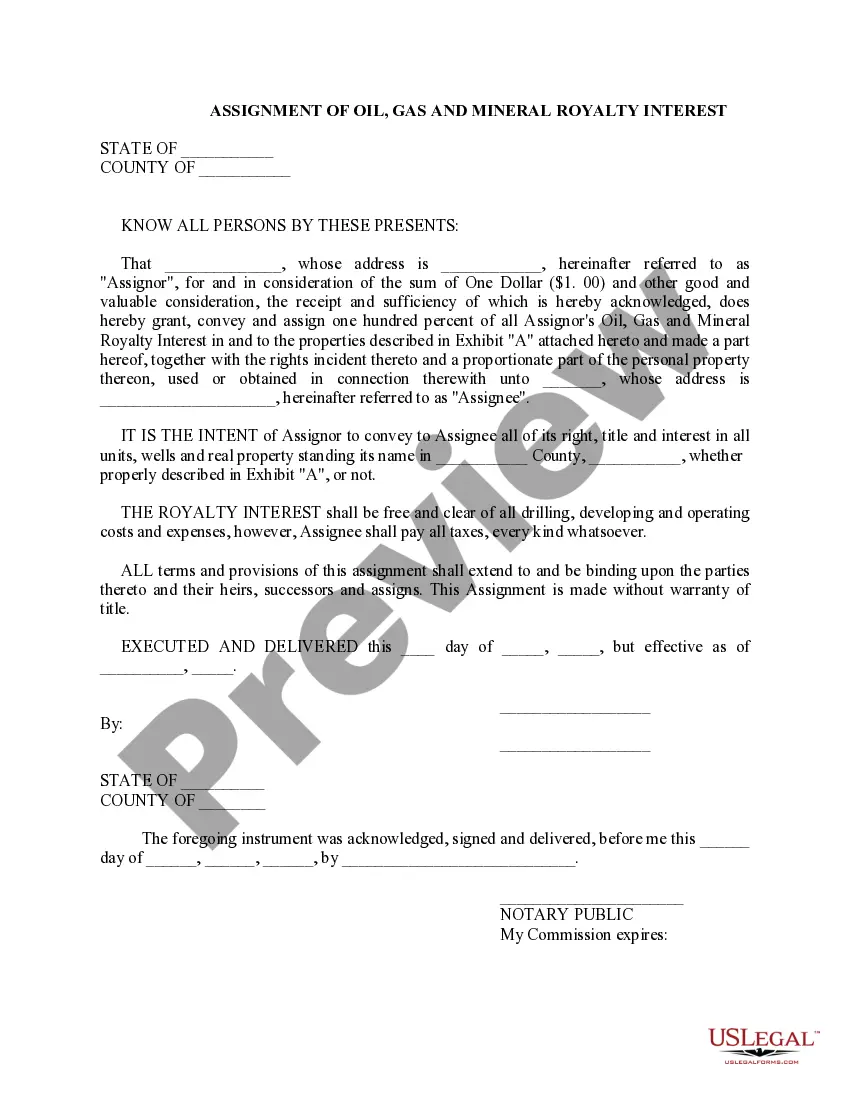
Yes, you can request changes if your circumstances change, like if you sell your rights or if there's a change in ownership. It's best to take it up with the oil company to get the ball rolling.
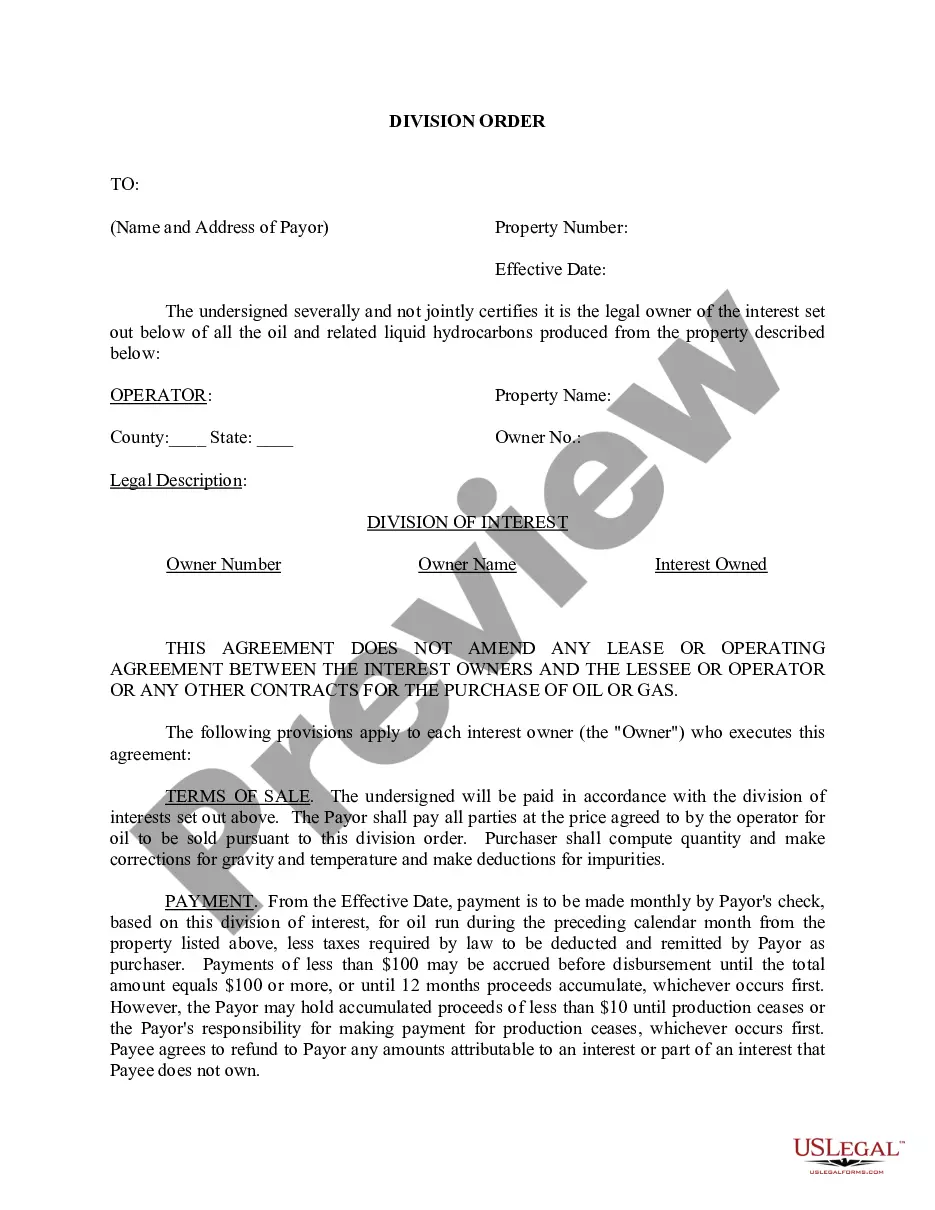
Nope! A lease is an agreement that allows oil and gas companies to extract resources, while a Division Order is about how the profits are split once those resources are sold.
Take a good look at it and read the fine print. If everything looks right and you understand your rights, you can sign it. If you're in doubt, consult a lawyer for some peace of mind.
If you own mineral rights or receive royalties from oil or gas production, you might need to sign a Division Order. It's usually a good idea to check with your oil company if you're unsure.
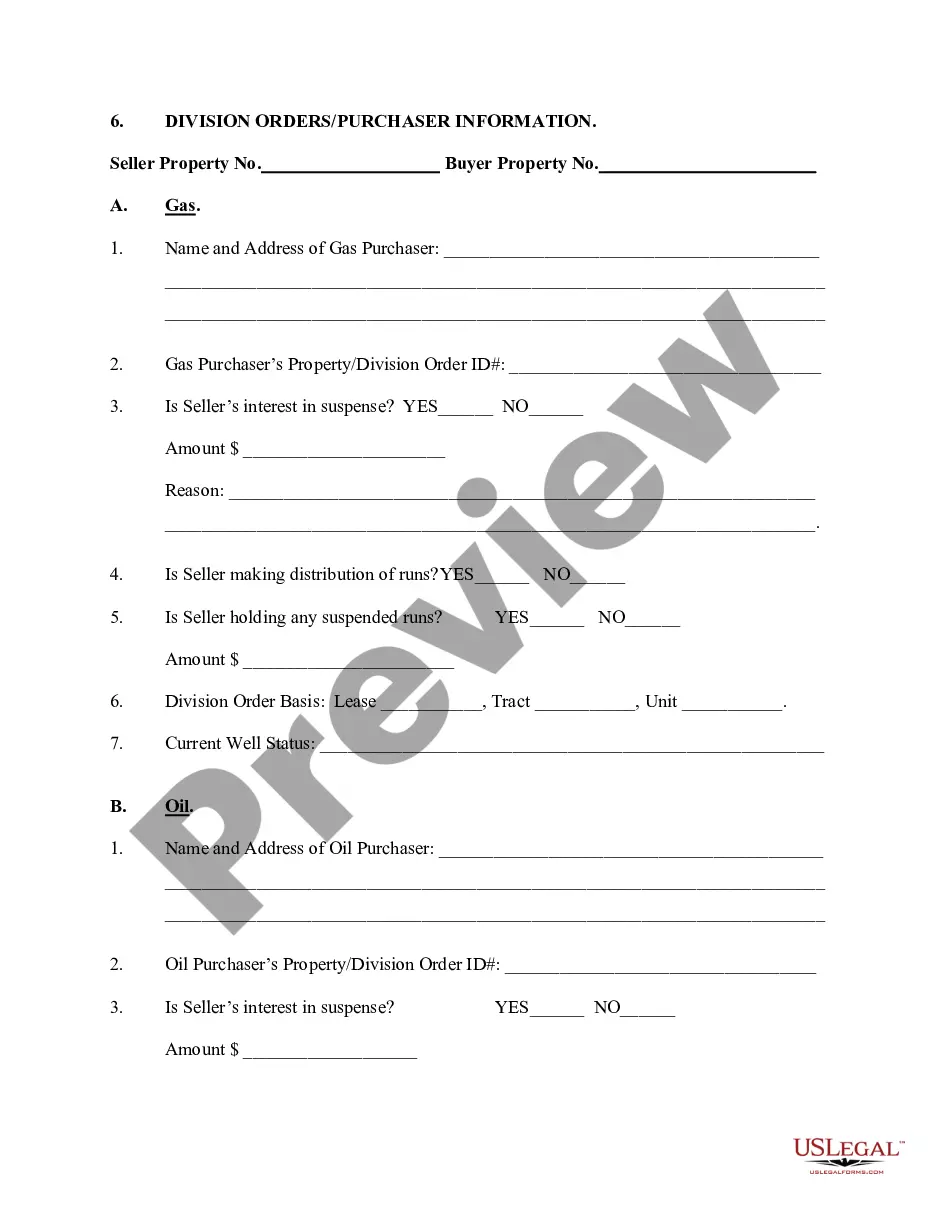
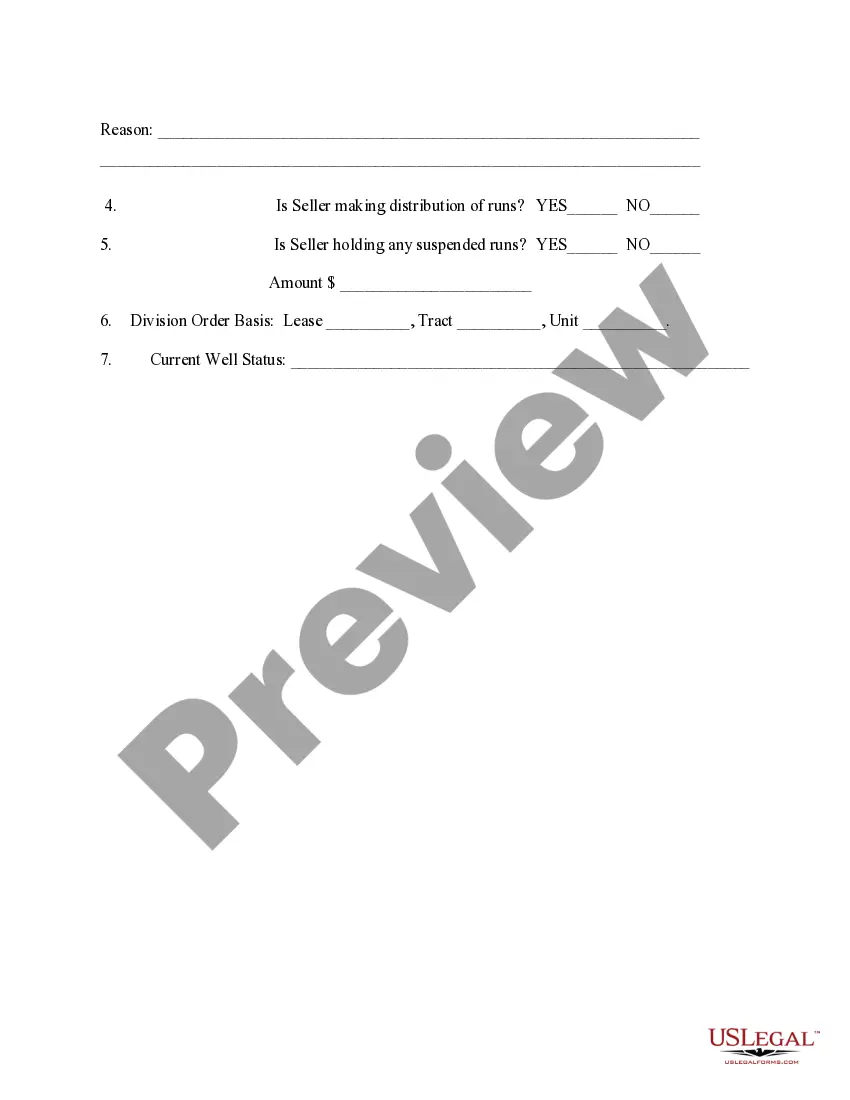
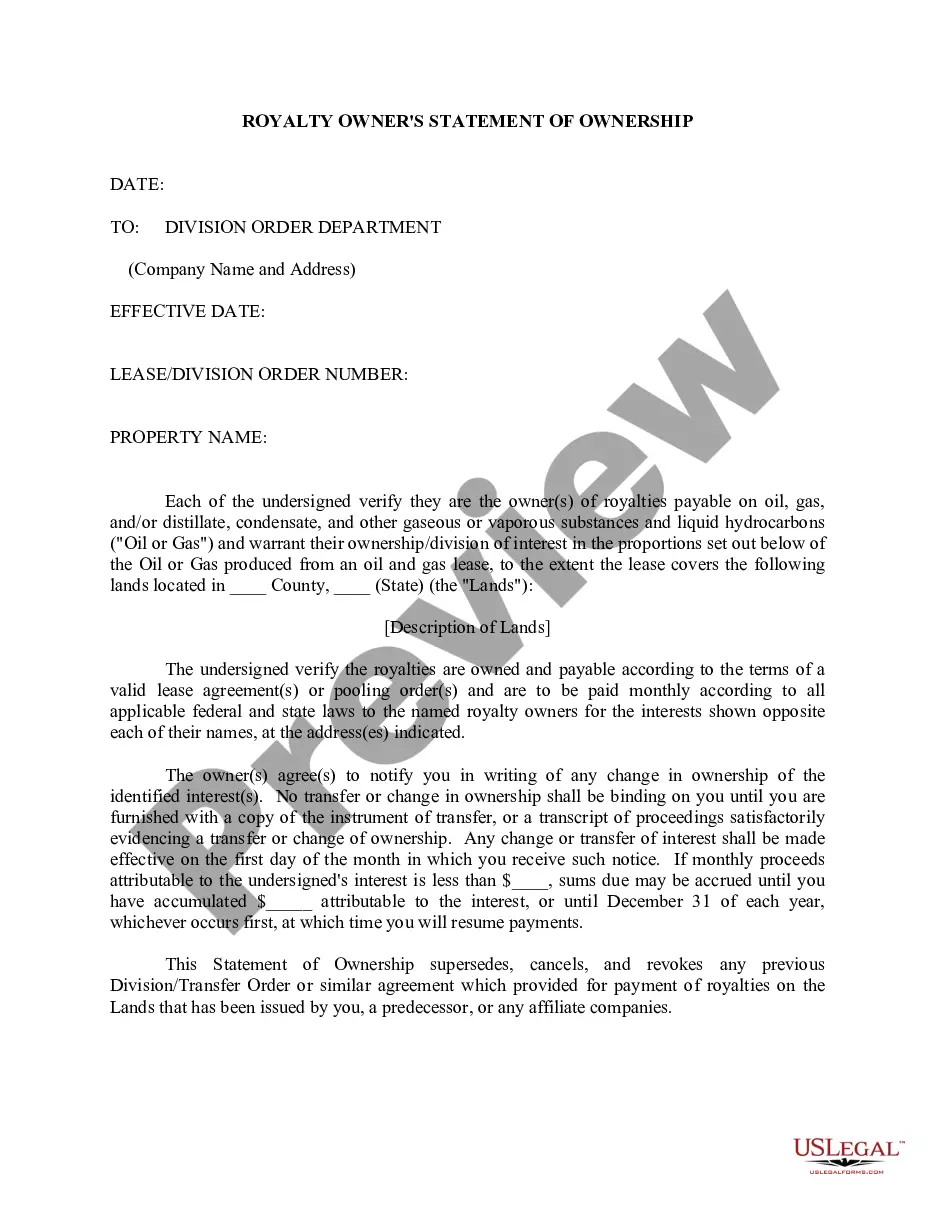
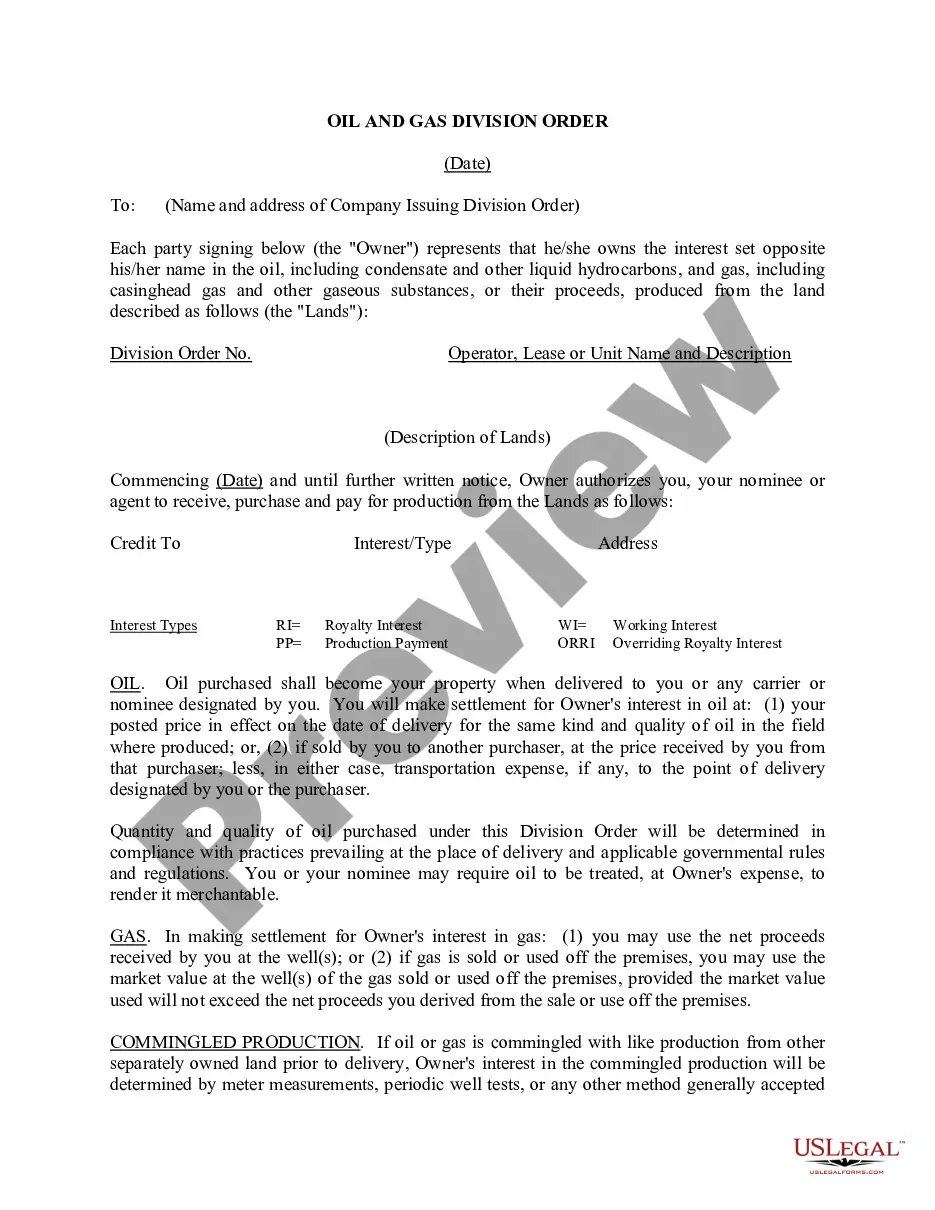
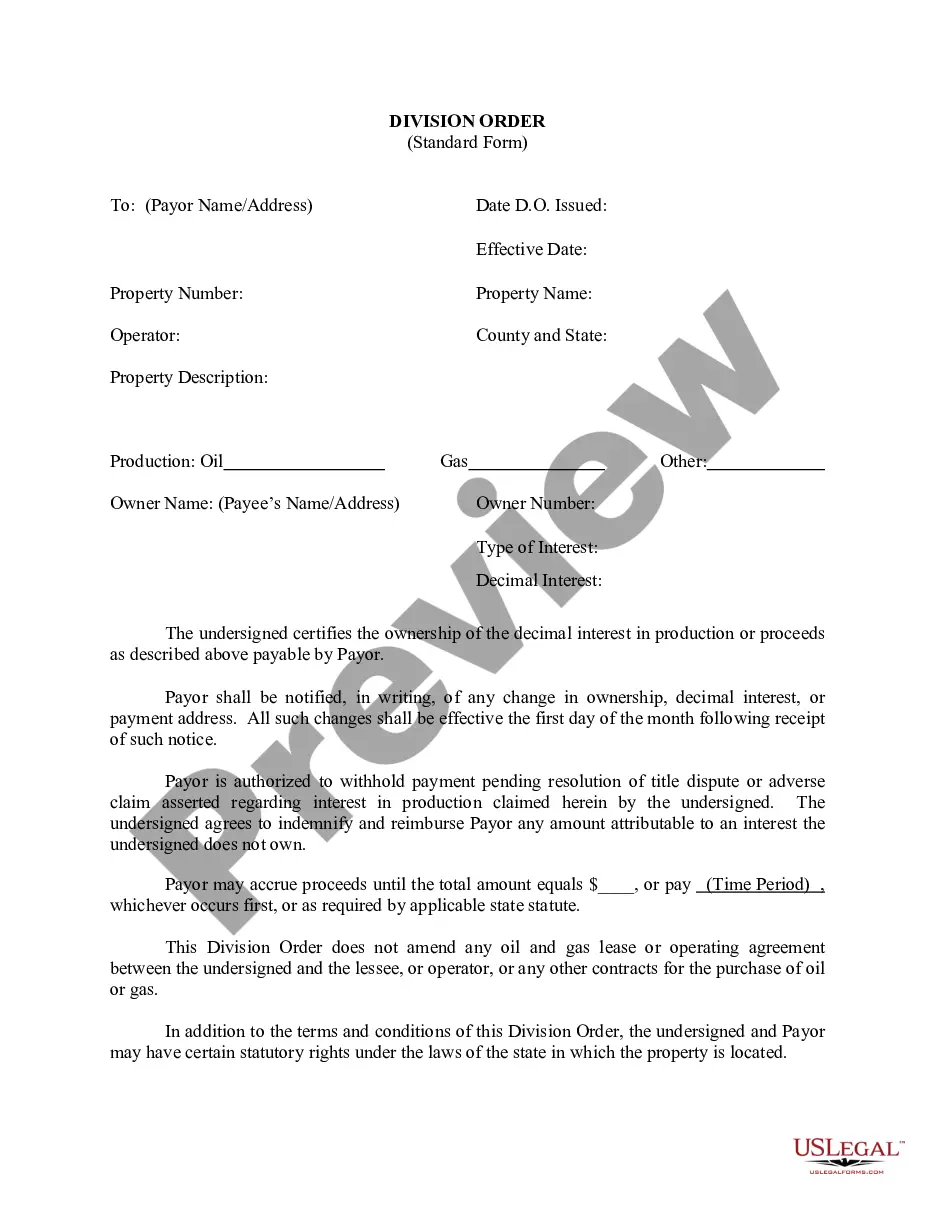
Division Orders are legal documents that outline how the profits from oil, gas, or mineral interests are shared among the owners. They're used to make sure everyone gets their fair share.