In some cases, you might be able to negotiate compensation with the utility company for the easement. It's not always the case, but worth exploring, like trying to get something back when you lend a friend a few bucks.
If you have concerns, it's wise to reach out to the utility company or consult a property attorney. They can help clarify things, just like asking a friend for advice when you're in a pickle.
It's generally best to keep a safe distance from electric lines when building. You wouldn’t want to accidentally catch the wires in your roof; it's all about safety first!
Utility companies regularly inspect and maintain the electric lines to ensure they're safe and functioning well. They may trim trees or fix issues, similar to how you would tidy up your garden now and then.
You can check your property deed or survey documents. They often mention any existing easements. If you're unsure, ask a local real estate professional for a hand.
If an electric line easement is in place, then yes, you usually have to allow it. It's like having a neighbor who has permission to walk through your yard; you can't stop them if everything’s above board.
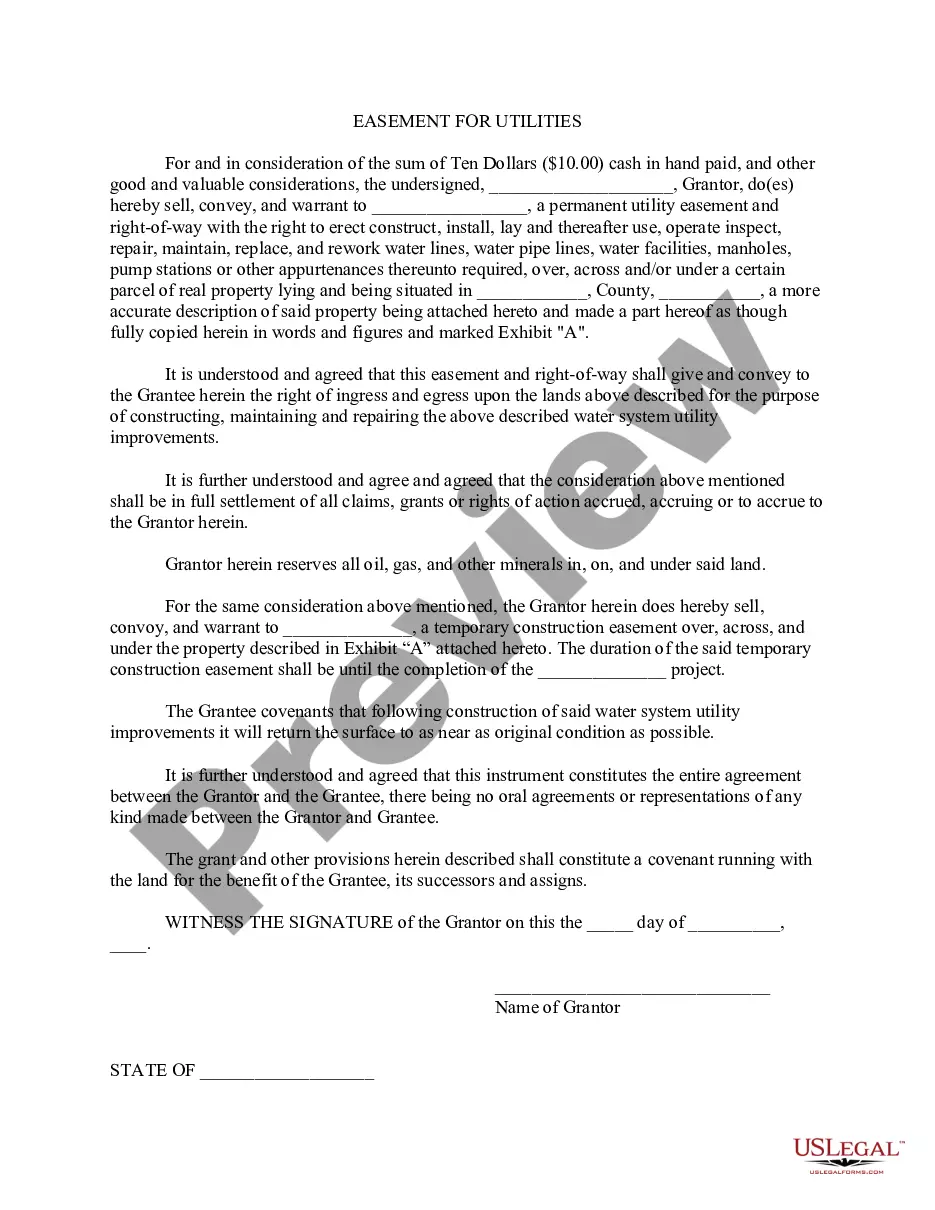
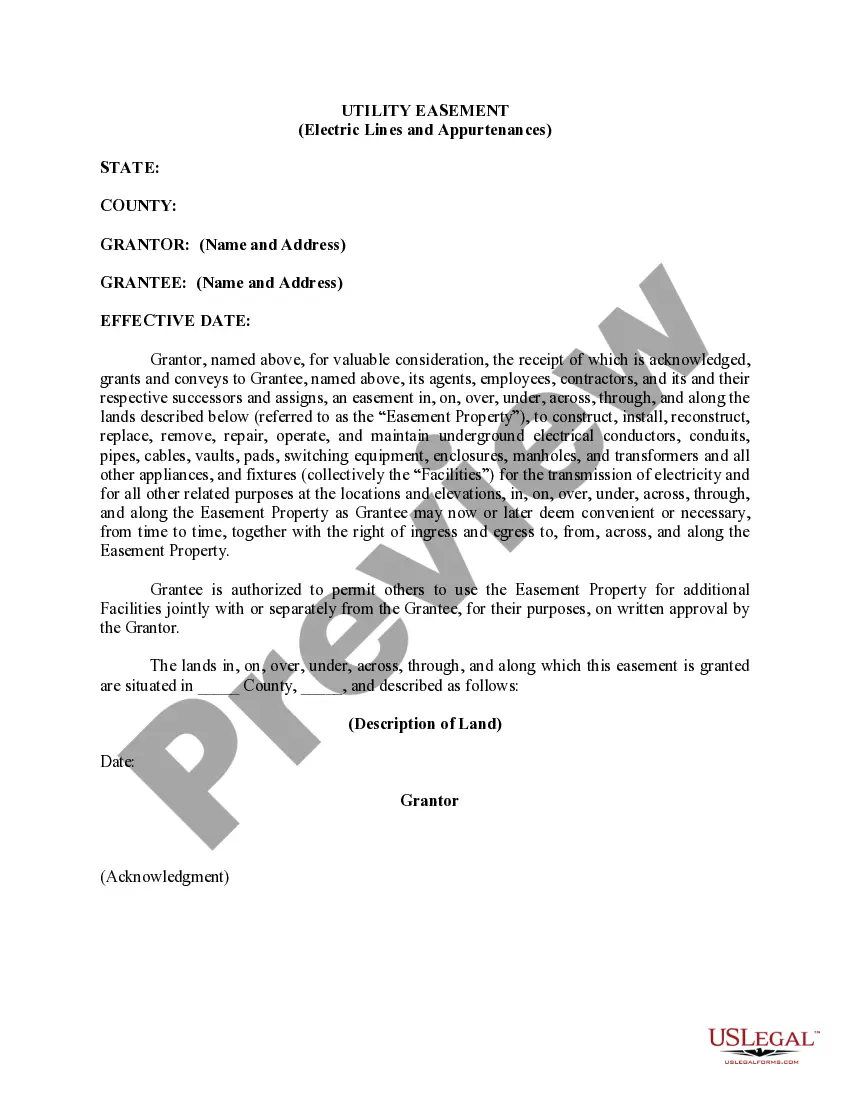
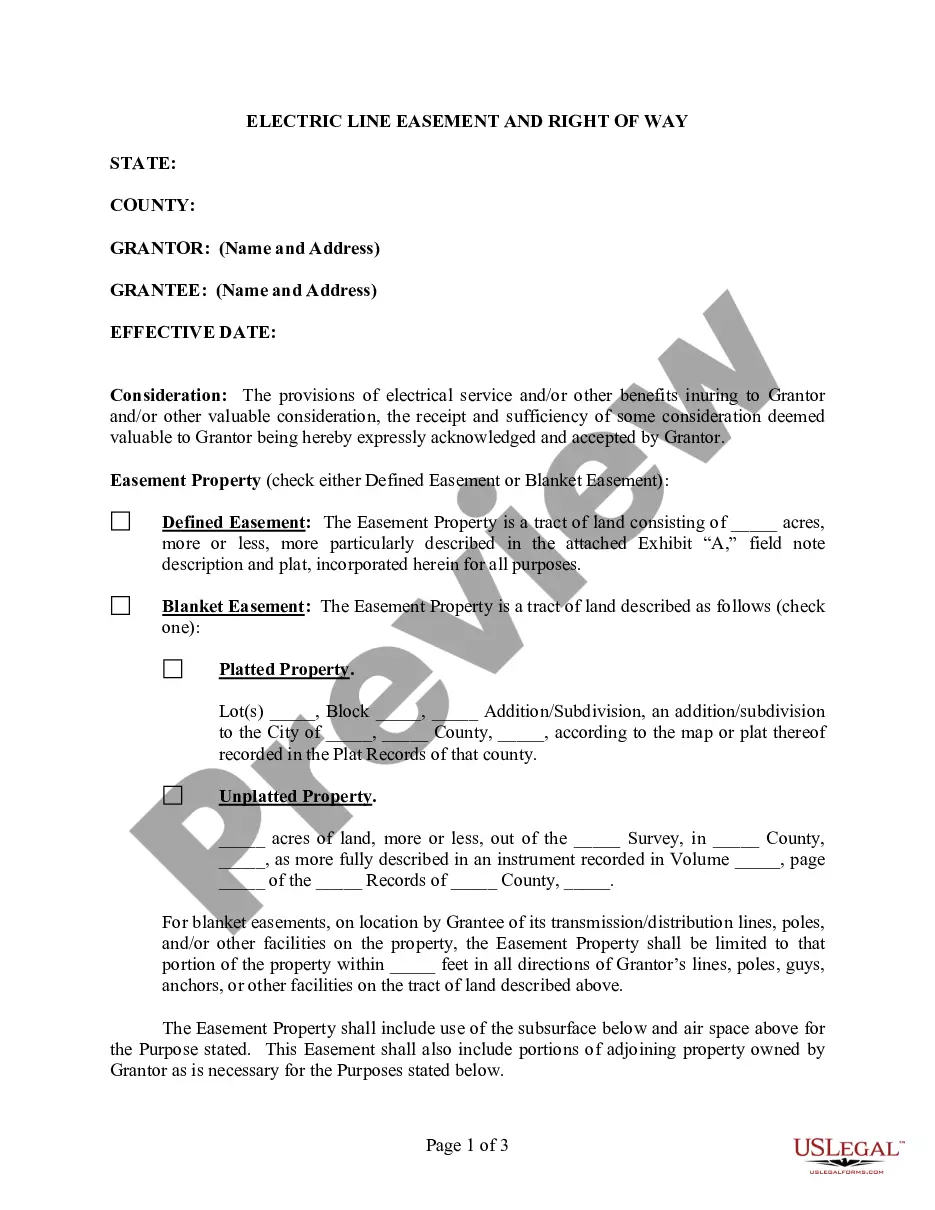
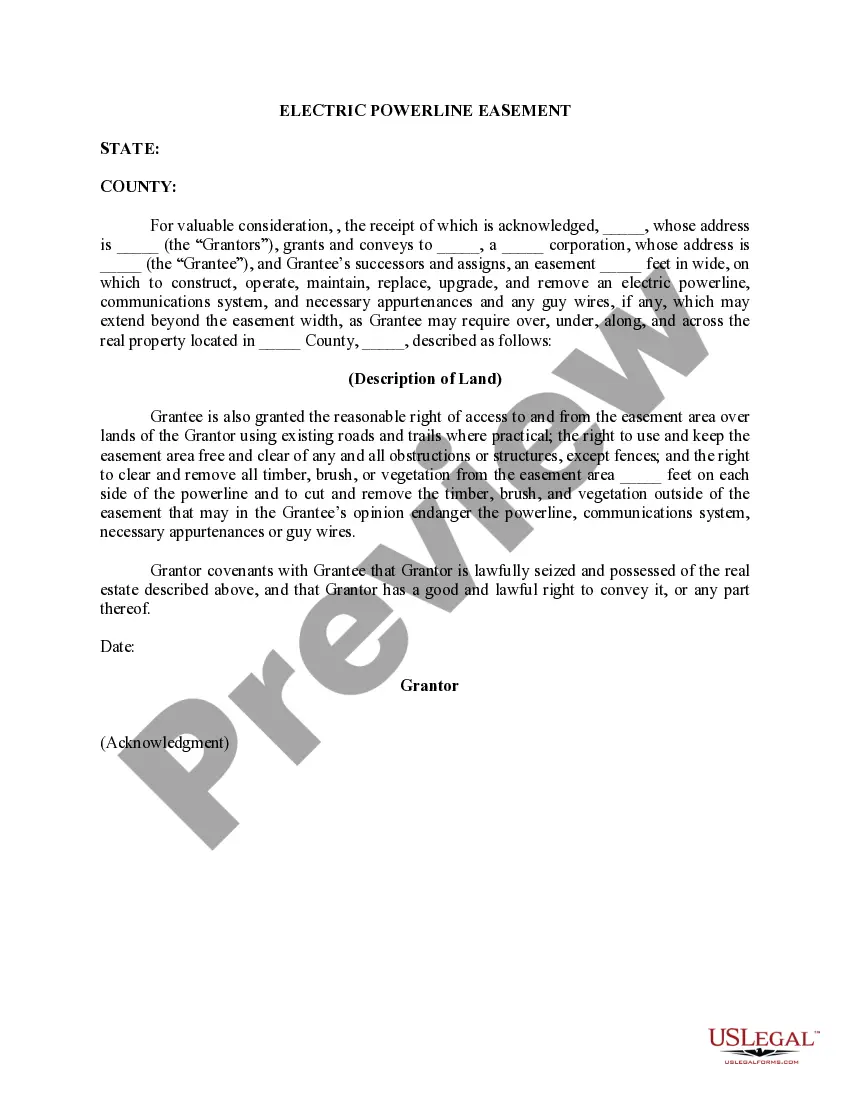
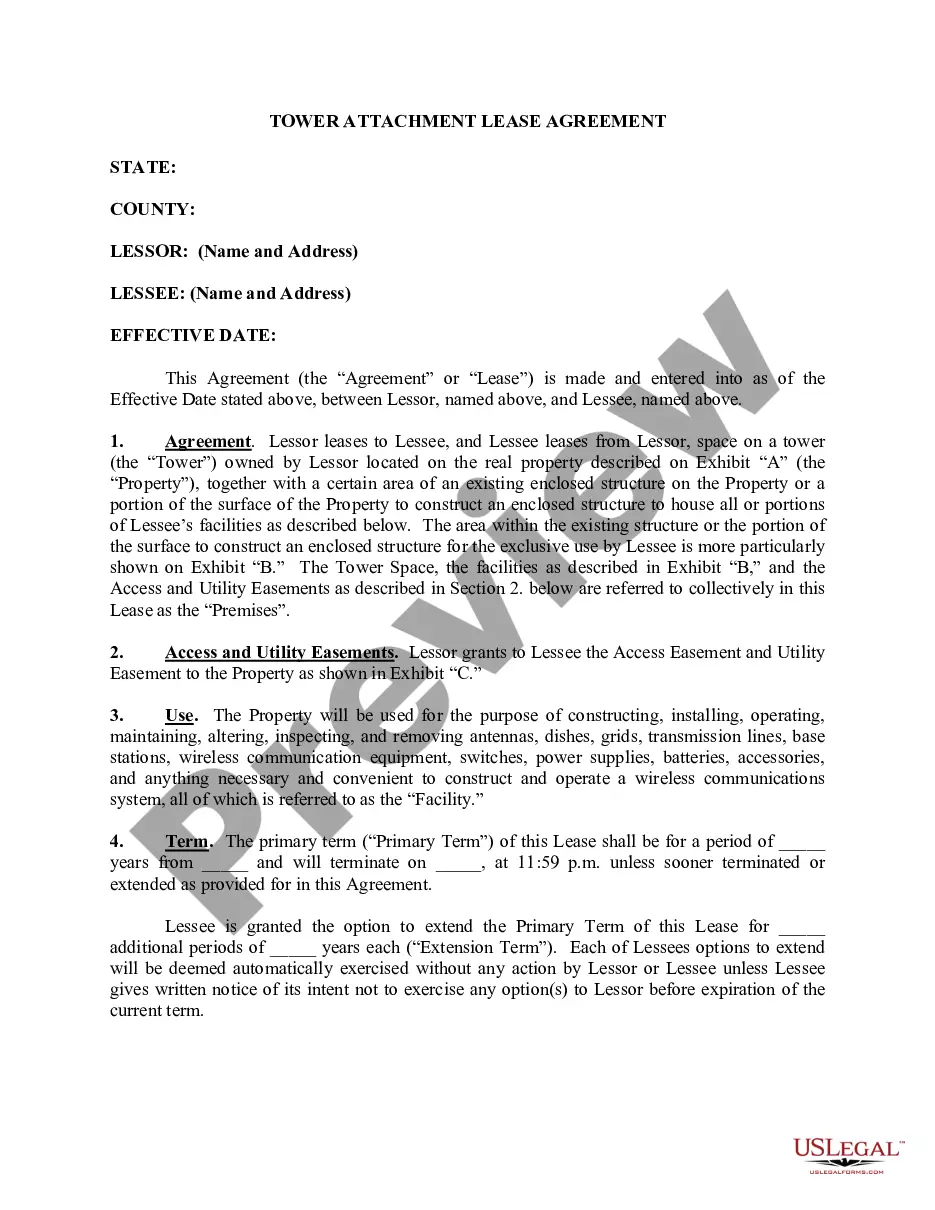
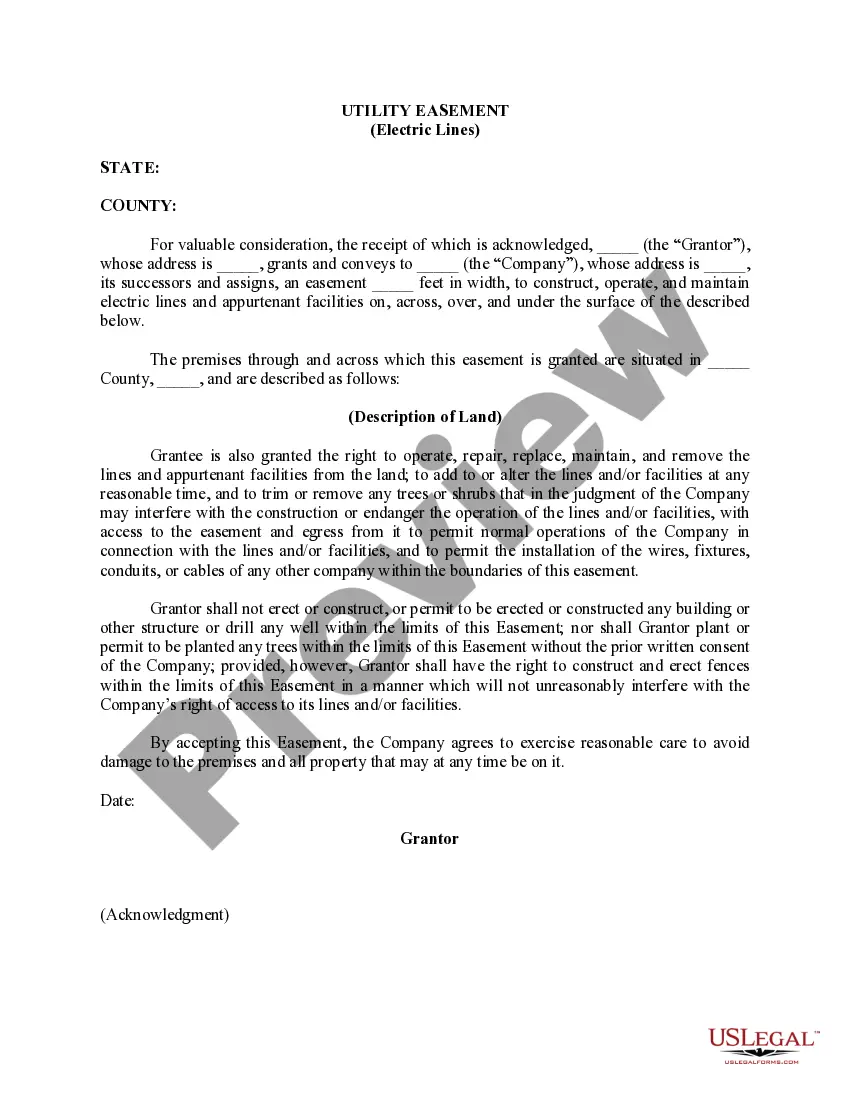
A utility easement for electric lines in Columbus, Ohio, is a legal agreement that gives utility companies the right to use specific land for installing and maintaining electric lines. It's like giving them a little path on your property to keep the lights on.