If you have more questions, it's best to reach out to the local utility company or a real estate professional. They can give you the inside scoop and help you navigate any confusion — think of them as your personal guides!
The duration of a surface easement can vary. Some may last indefinitely, while others have a specific time limit set out in the agreement. It’s like putting a timer on a light — once it’s done, the light goes out!
If you sell your property, the surface easement typically stays with it, just like any other legal agreement. Future buyers will need to be aware that they've got a utility company as a neighbor of sorts!
You can build on land with a surface easement, but it's wise to check with the utility company first. They might have restrictions on what you can build, just to keep access to their equipment easy and safe.
Having a surface easement means that while you still own the property, the utility company has some rights to use part of it. It’s like being a landlord — you can still live there, but your tenant has some say over how they operate on the premises.
You might need a surface easement if there's utility infrastructure on or near your property. It helps ensure that the utility company can access and maintain their equipment without any hassle, keeping everything running smoothly.
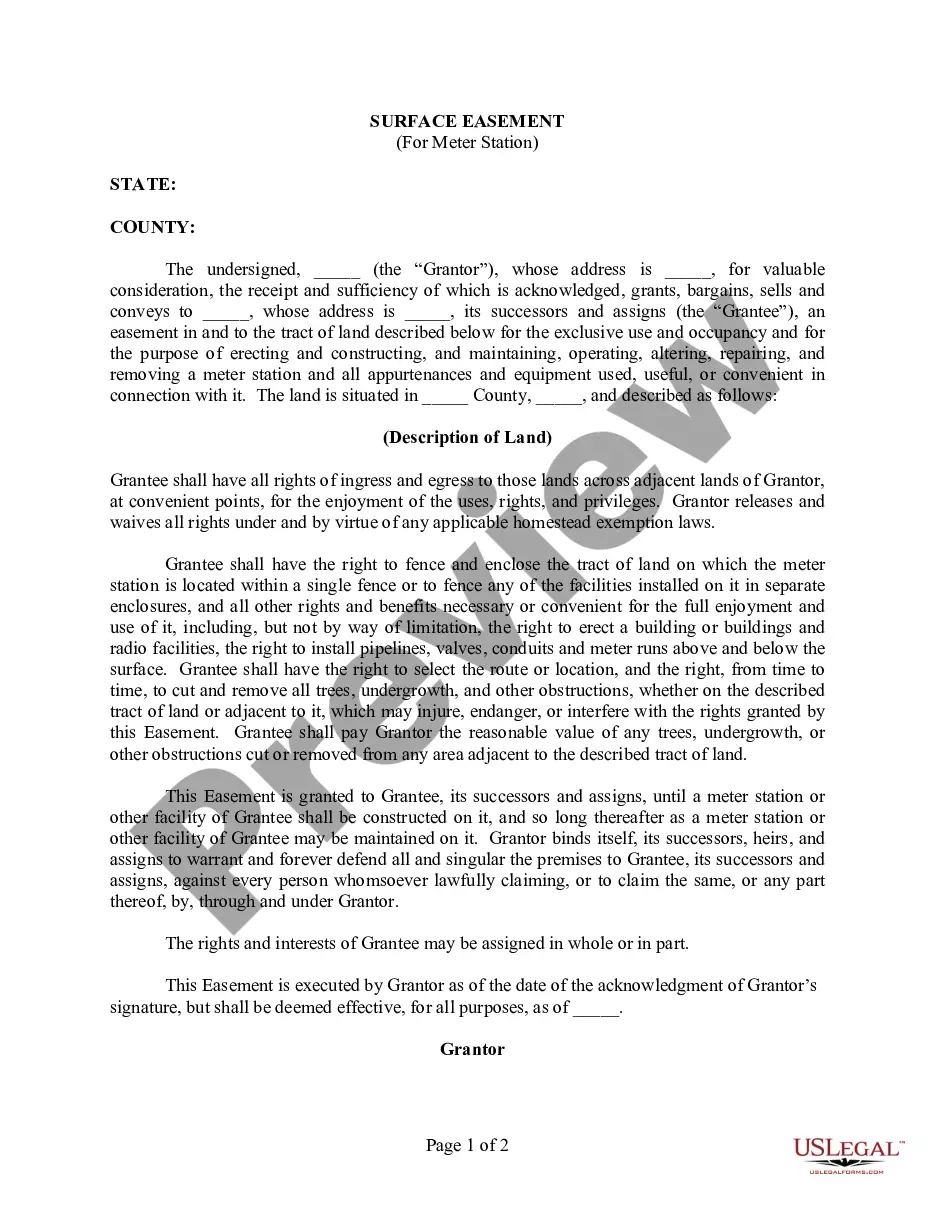
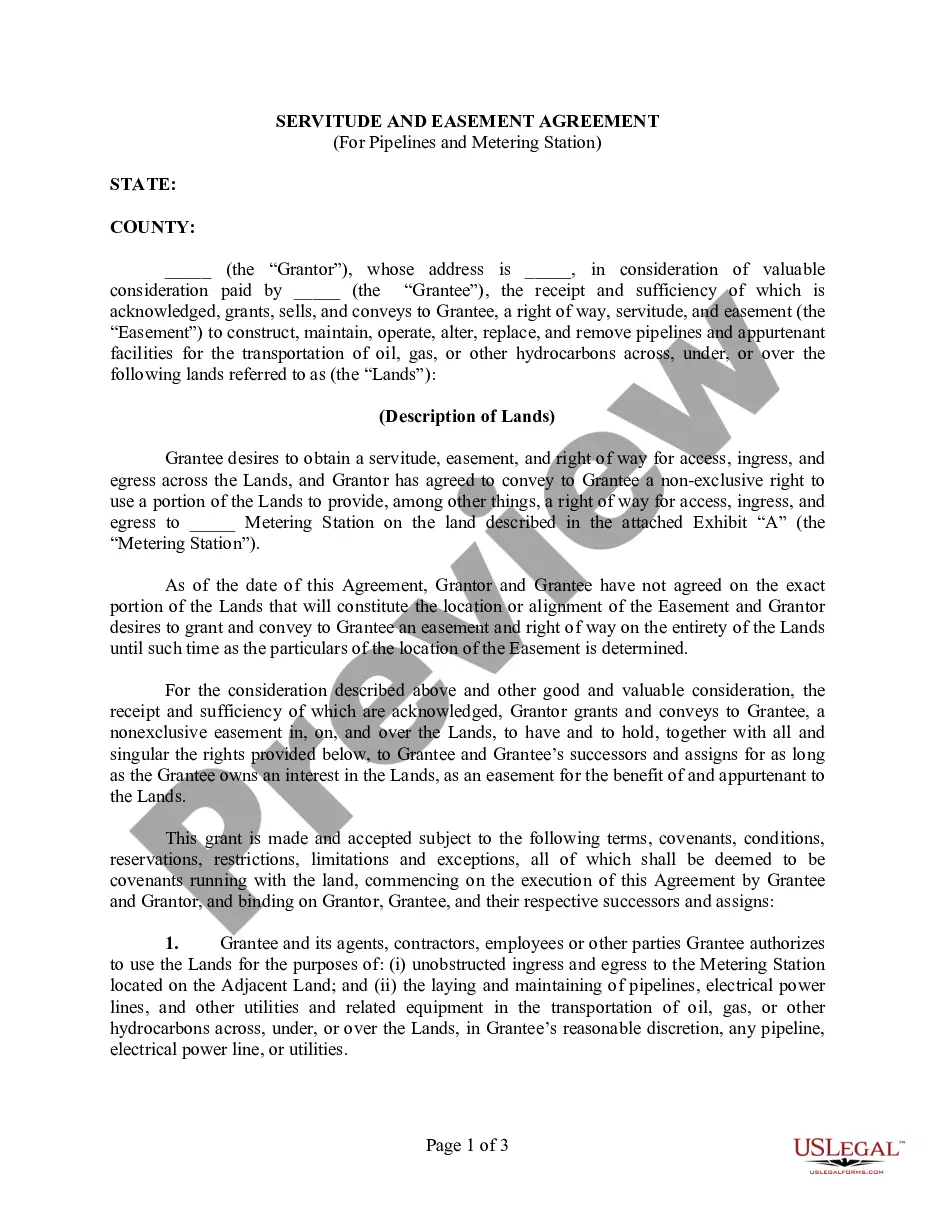
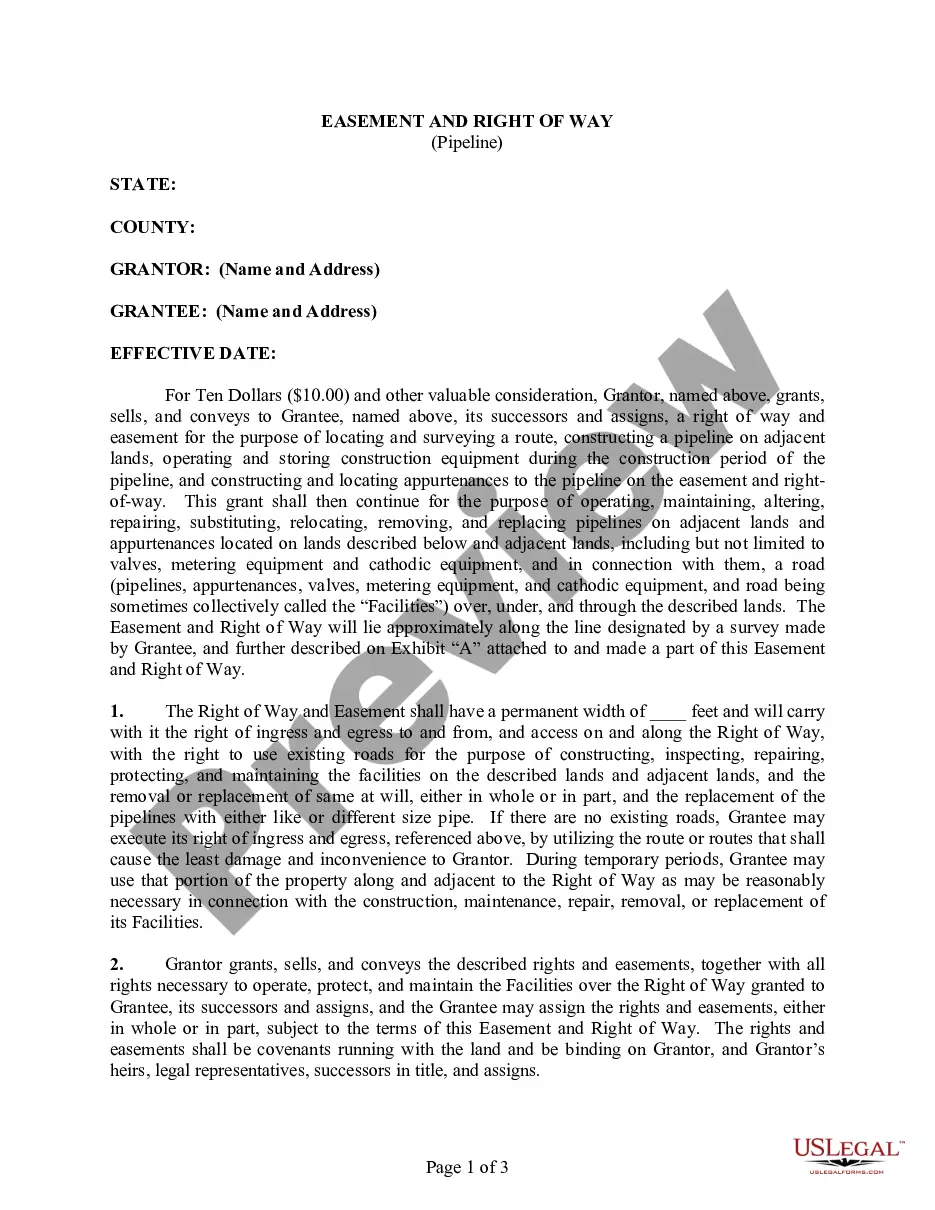
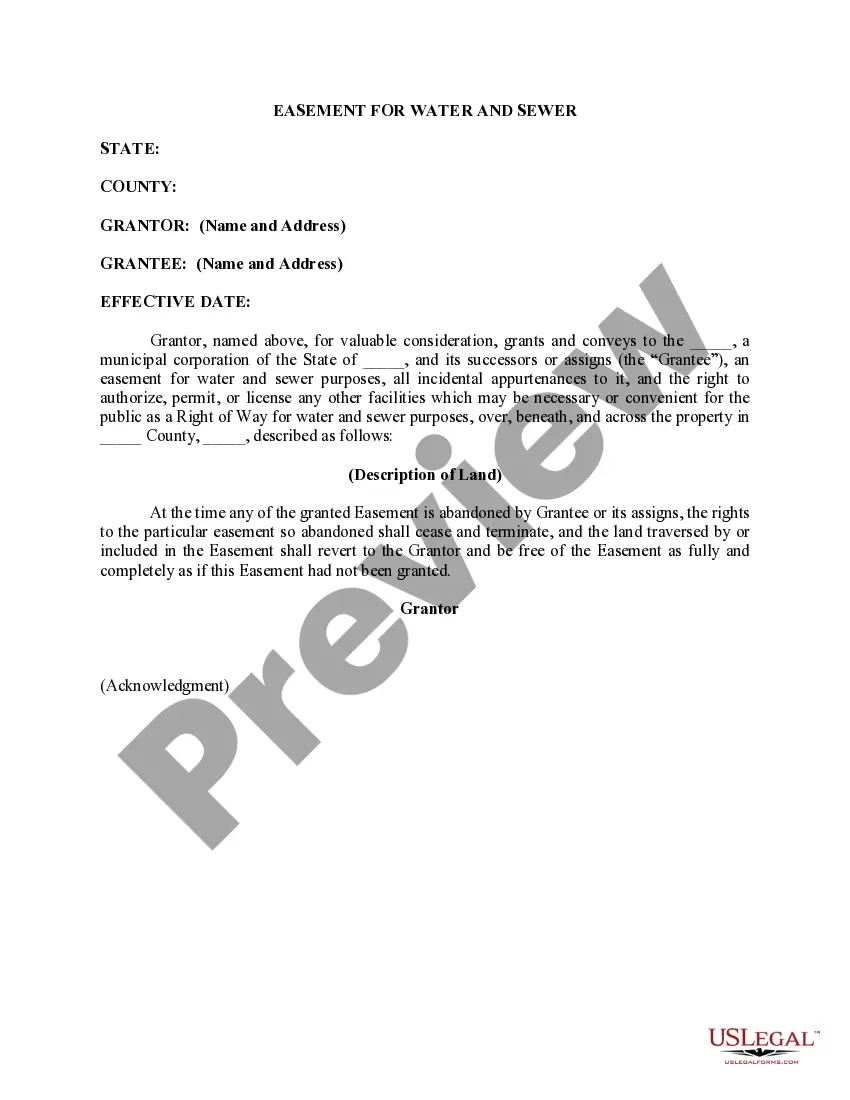
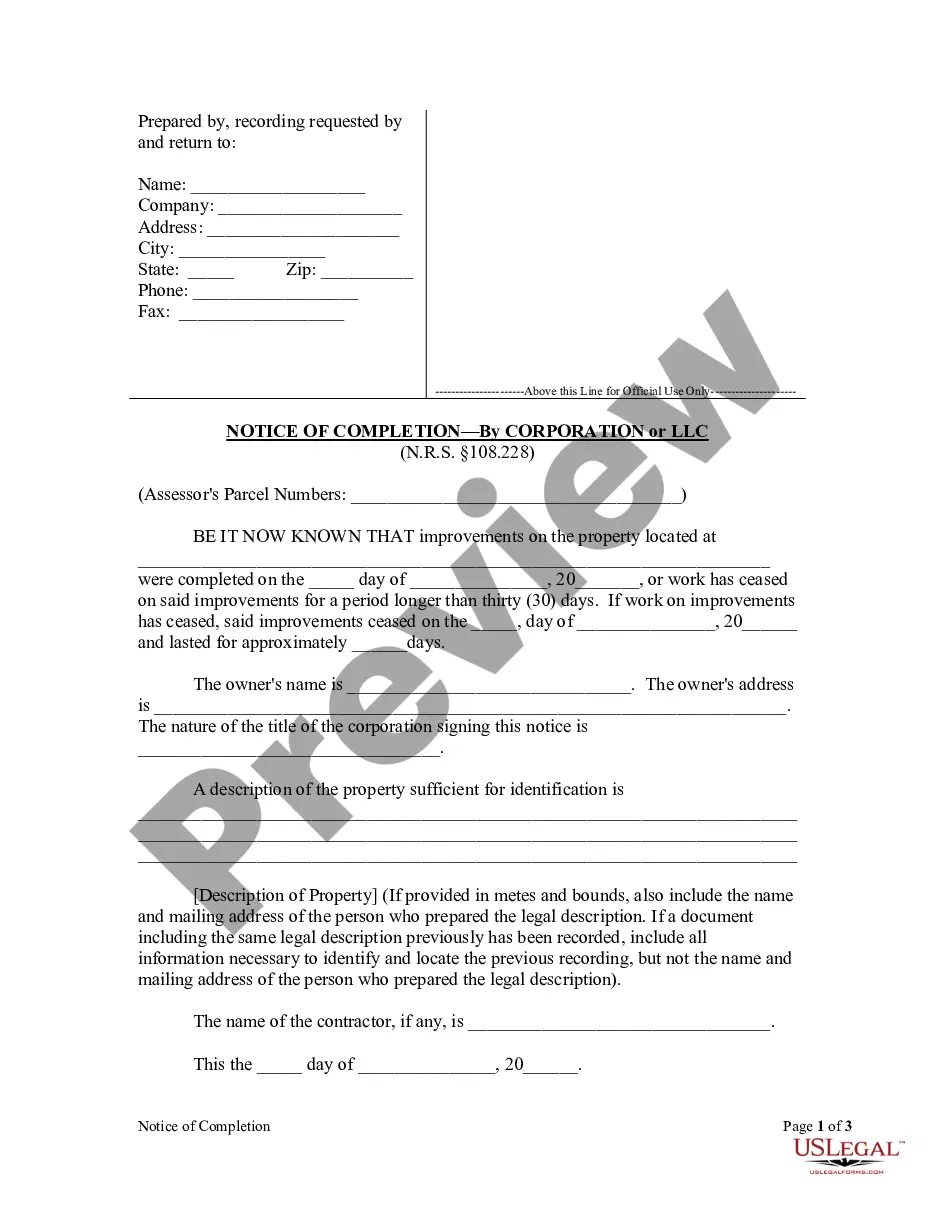
A surface easement for a meter station is a legal agreement that allows a utility company to use a specific piece of land for placing and maintaining equipment, like gas or water meters. Think of it as giving permission for them to park their tools on your backyard.