If you're scratching your head about flowage easements, don’t hesitate to reach out to the city’s planning or public works department. They’re there to help clear the fog and answer any burning questions you have.
You can check your property’s legal documents or contact the city planning department. They'll have the scoop on whether your land has a flowage easement and what it entails.
If a blockage occurs, it can lead to flooding and property damage. It’s a good idea to report any issues to the city so they can take care of it before water makes a mess.
Building on a property with a flowage easement can be a bit tricky. You'll need to check with local authorities to see what restrictions apply, as you don’t want to end up with a soggy situation down the road.
Flowage easements are crucial because they help manage stormwater and prevent flooding. By letting water have its way, we keep neighborhoods safe and dry during wet weather.
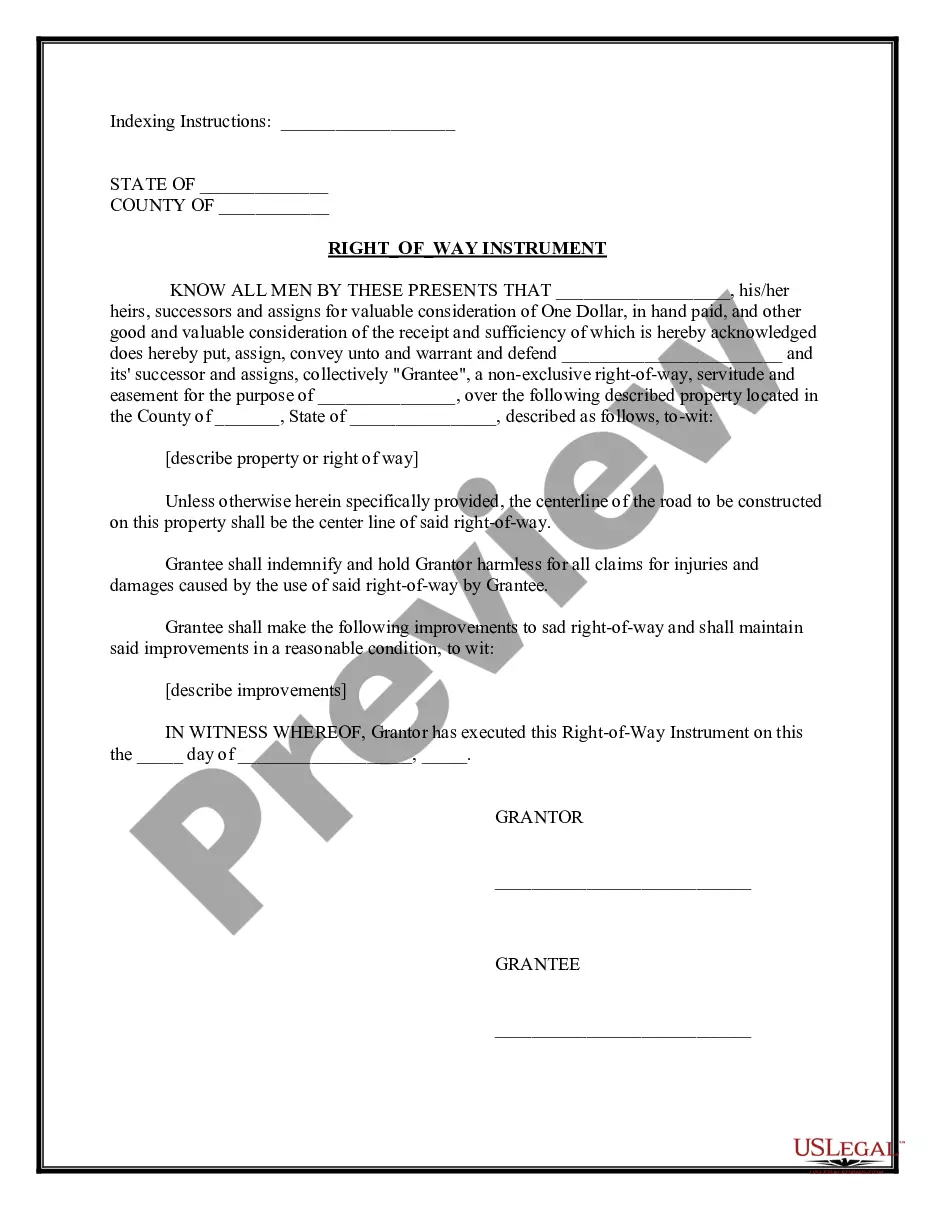
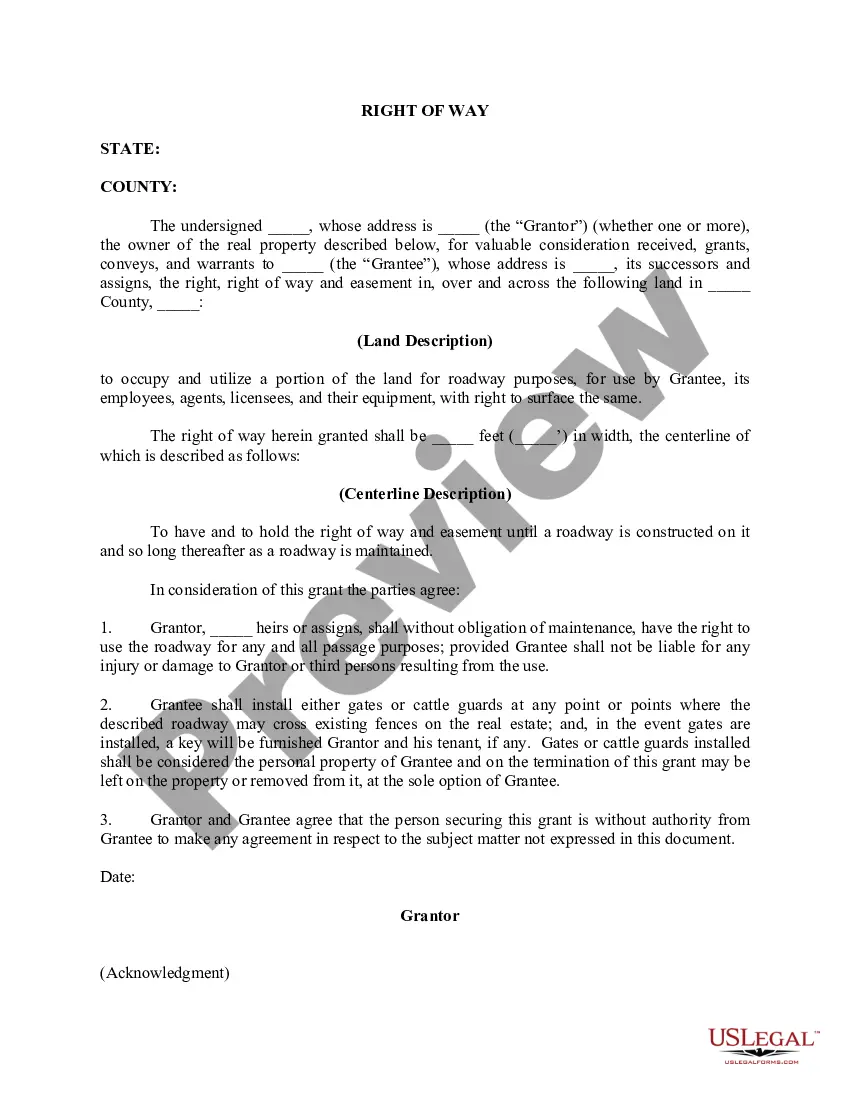
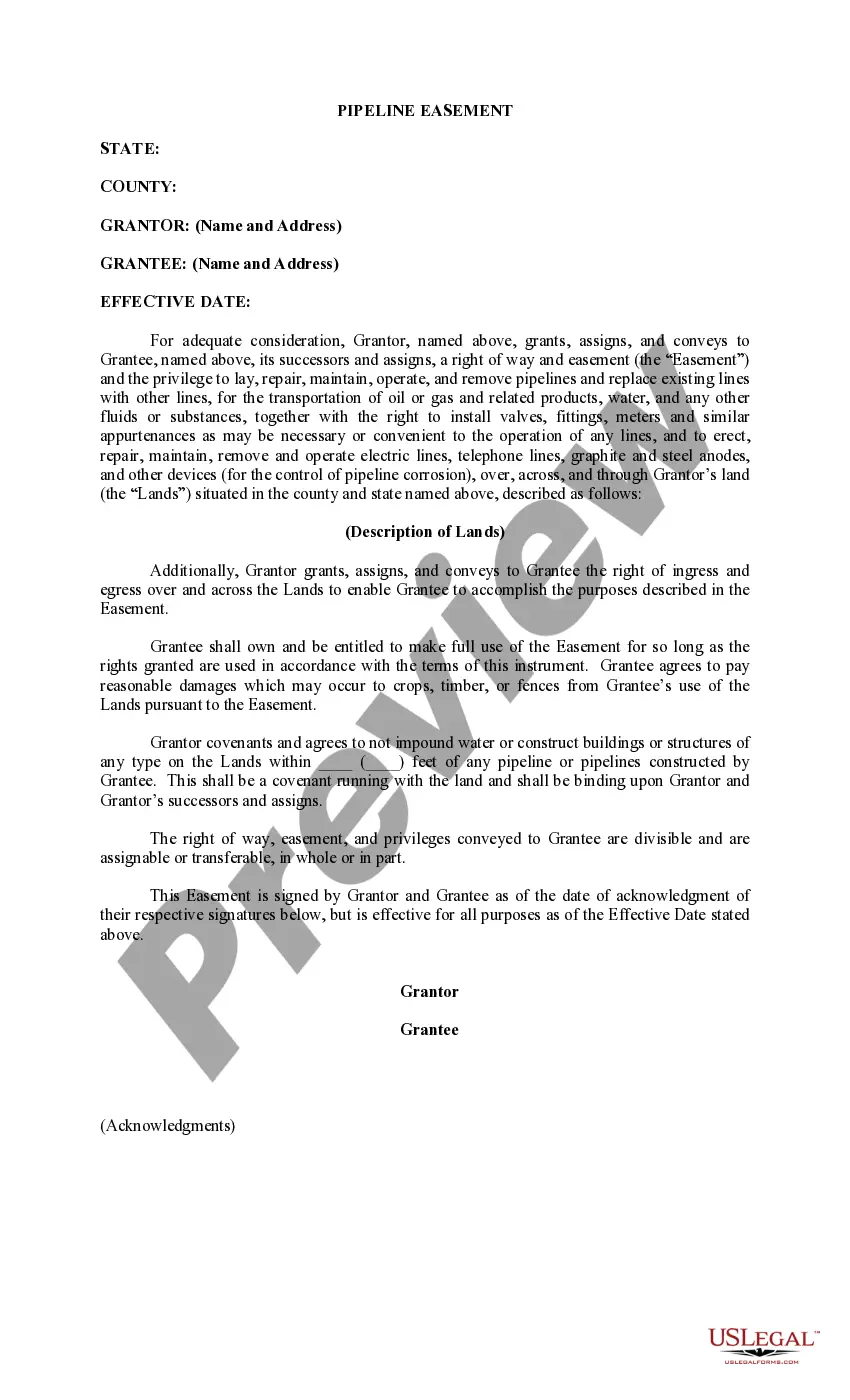
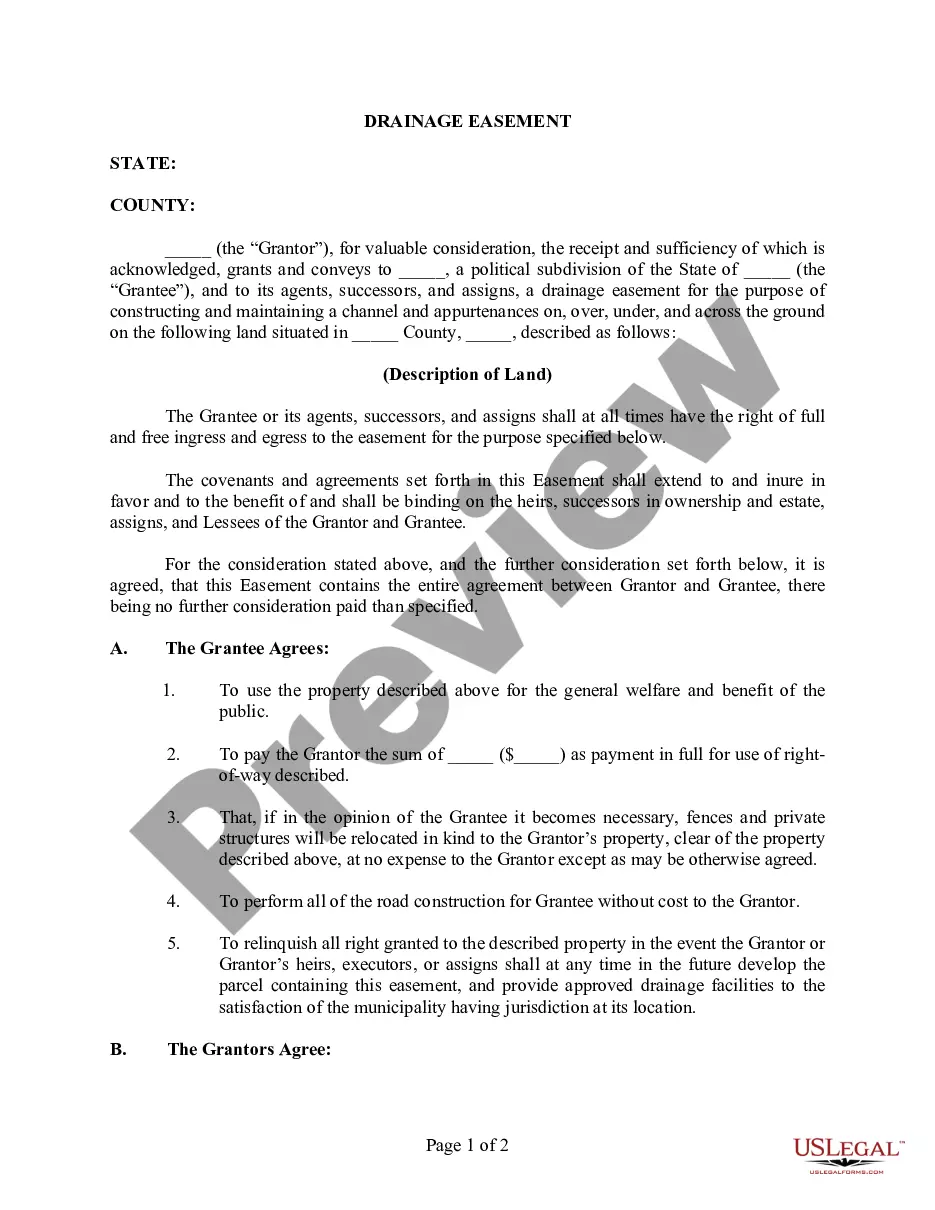
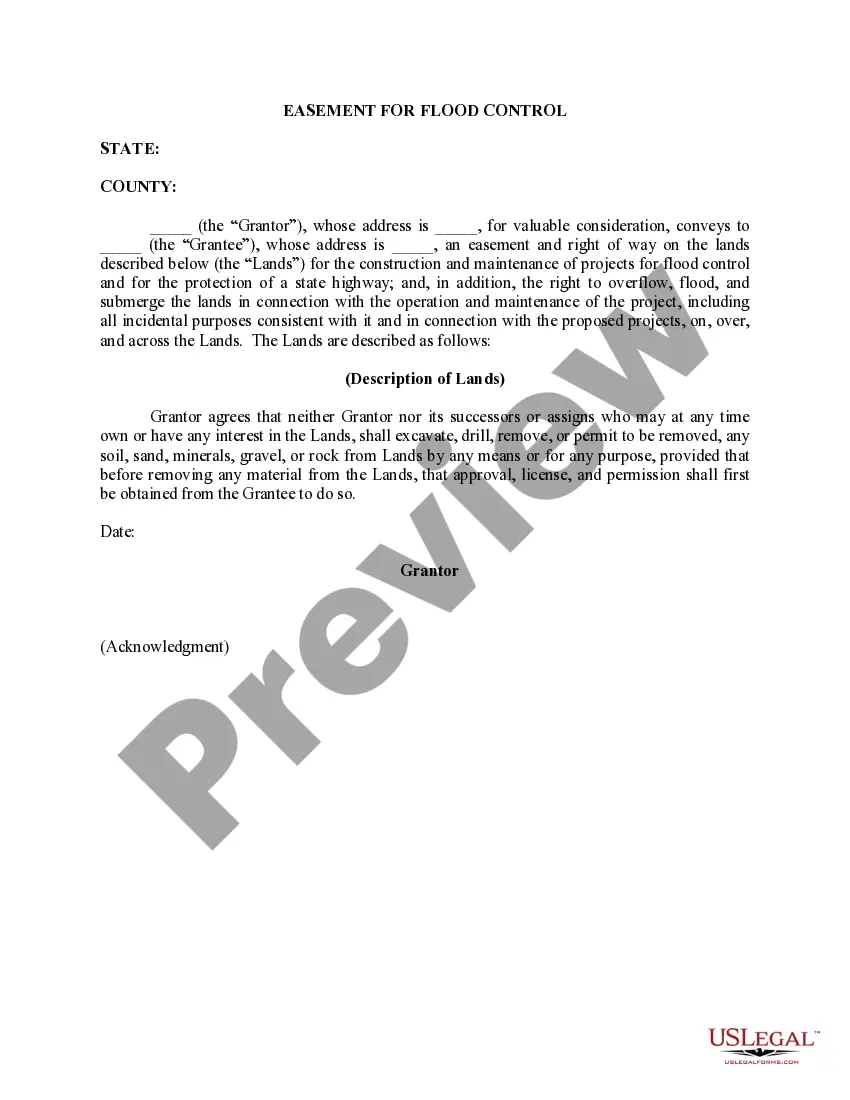
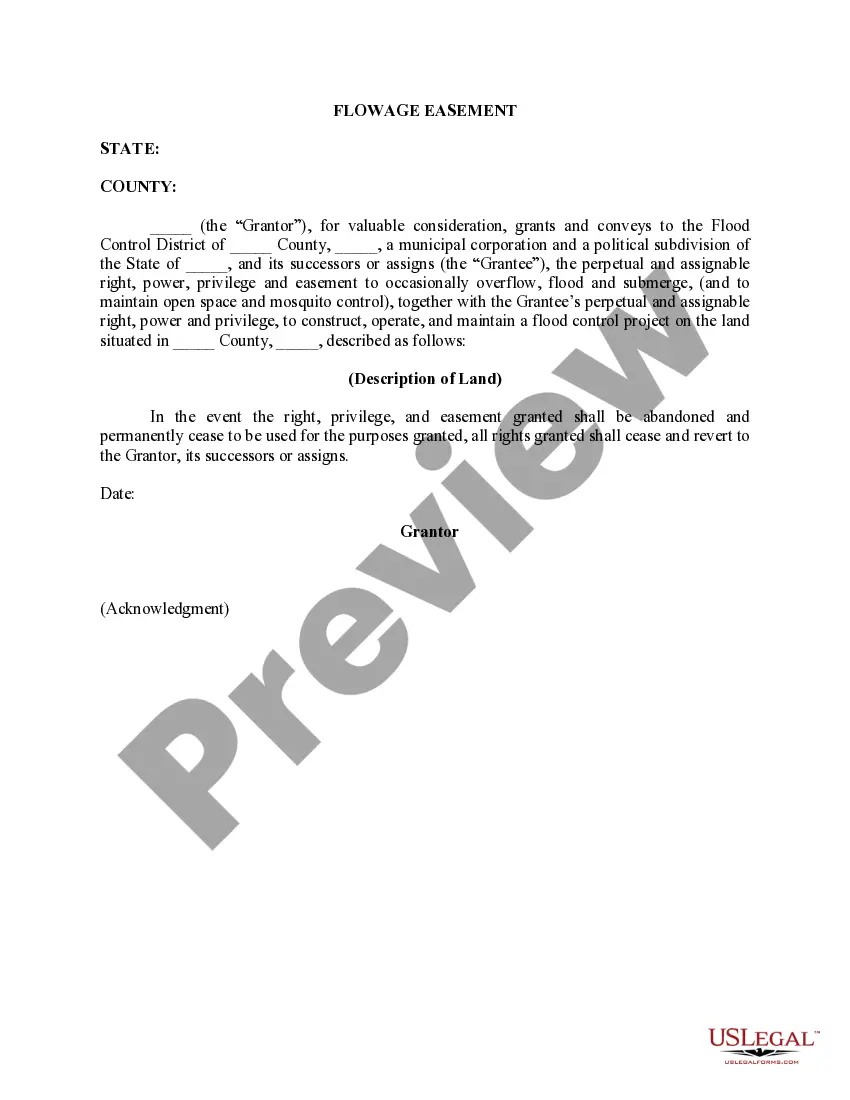
A flowage easement is a legal agreement that allows water to flow over certain properties without causing trouble for the landowners. It's like giving water a freeway to move through in case of heavy rains or floods.