If a property owner doesn’t comply with the flowage easement, they might face legal consequences. It’s sort of like ignoring a house rule; there could be some consequences down the line.
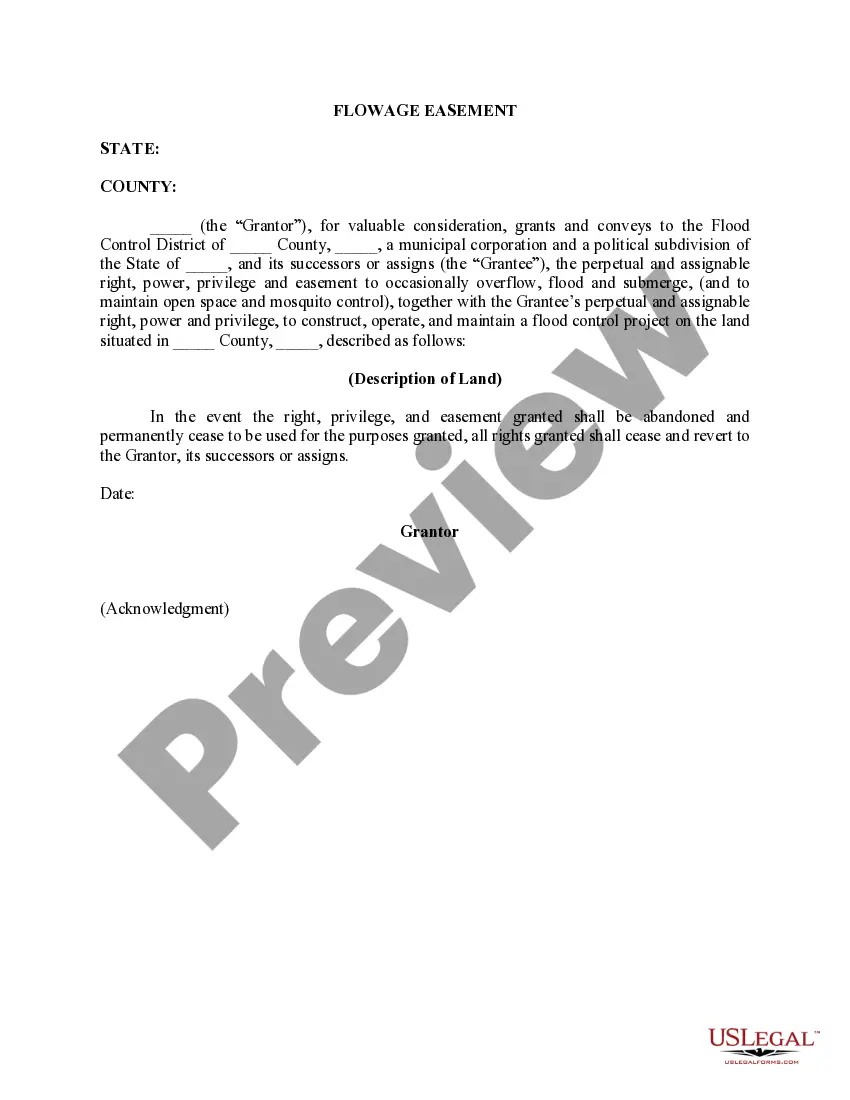
Flowage easements in Atlanta are established through legal agreements, often involving local government or water management authorities. Think of it as a handshake deal turned into official paperwork.
Flowage easements may have a mixed impact on property value. Some buyers might see it as a red flag, while others might see it as a way to support the community’s water management. It’s a bit of a double-edged sword.
Generally, flowage easements can be tricky to revoke since they’re tied to important water management. It’s not like closing a door; it often requires going through legal hoops.
Having a flowage easement means the property owner has to allow certain water activities on their land. It’s like saying, 'Sure, water, you can hang out here, but let’s play nice.'
People might need a flowage easement to protect their property from flooding or to ensure that nearby water bodies can flow freely. It’s all about keeping the peace between water and land.
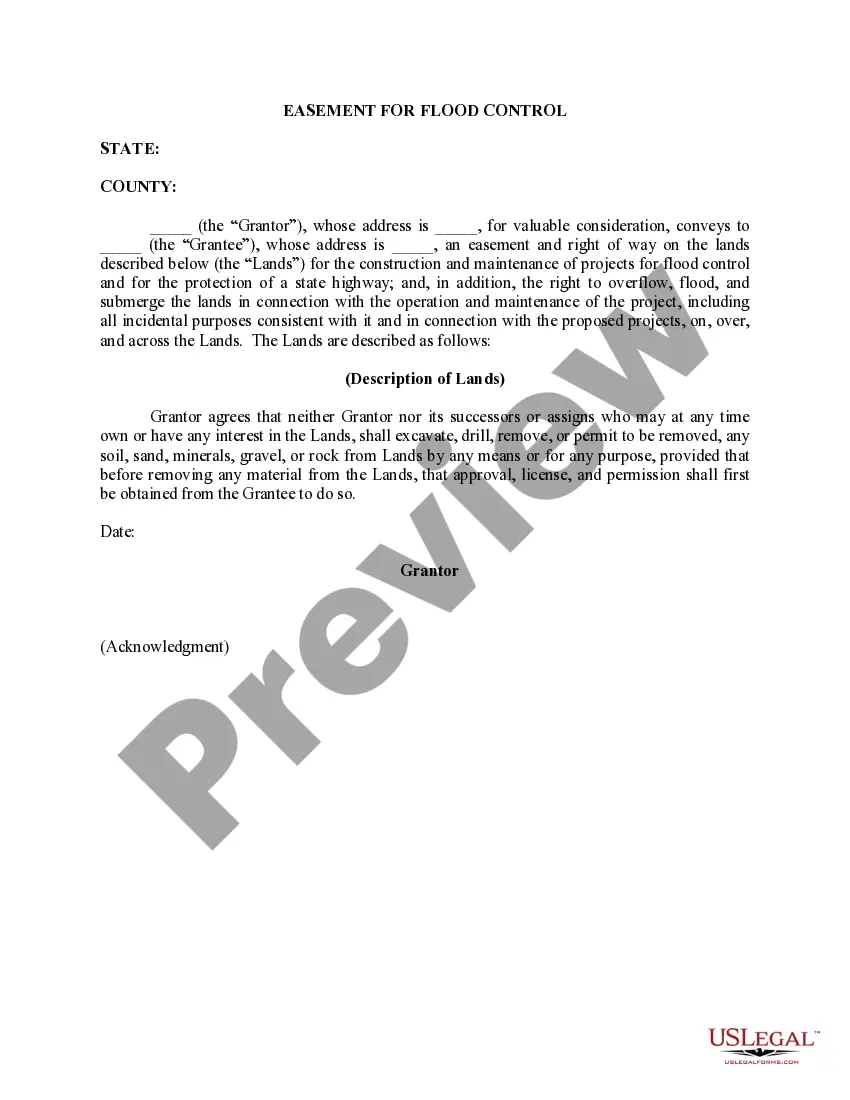
A flowage easement is a legal agreement that allows water to flow over property without causing any hassle. It’s like giving water the green light to pass through without stepping on anyone’s toes.
Trusted and secure by over 3 million people of the world’s leading companies