To set up a drainage easement, you’ll typically need to consult with a land surveyor or an attorney to get things rolling and ensure everything is above board.
Blocking a drainage easement can lead to serious flooding issues, not just for you, but for your neighbors as well. It could cause legal troubles too!
Building on a drainage easement can be tricky. Usually, it’s best to keep that area clear so water can flow without any roadblocks.
Typically, the property owner who benefits from the drainage easement is responsible for its upkeep, ensuring that water can flow freely.
If you notice water pooling in your yard, or if your property is near a waterway, you might need a drainage easement. A local expert can guide you through the process.
Having a drainage easement can help protect your property from water damage and ensures that your neighbors’ runoff doesn’t turn into a flood on your lawn.
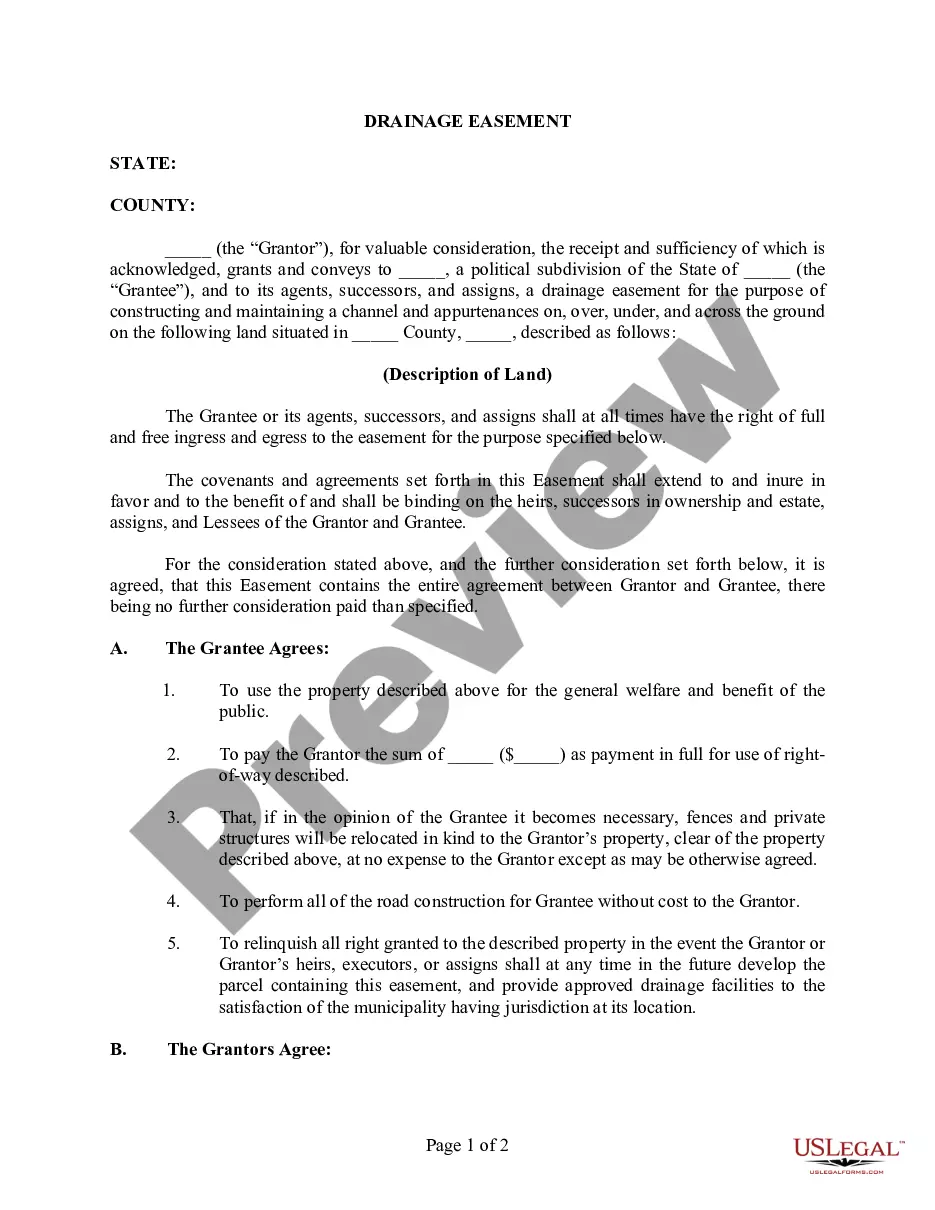
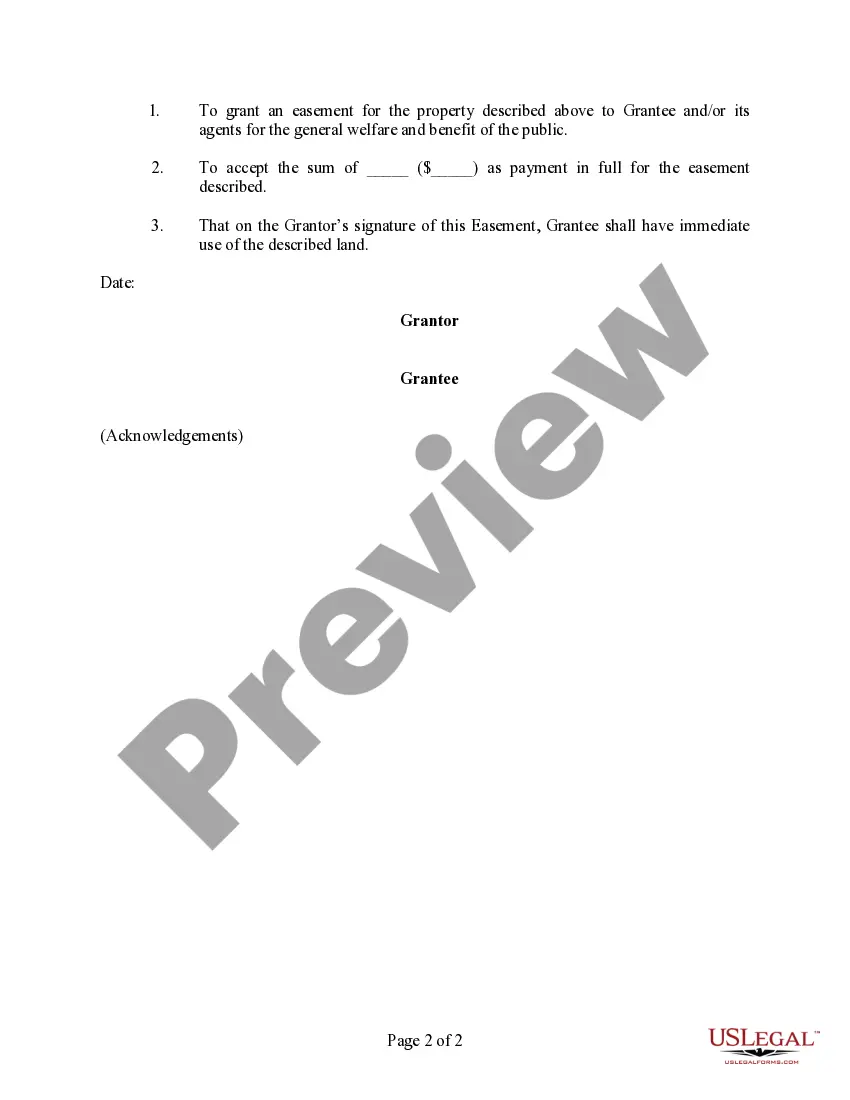
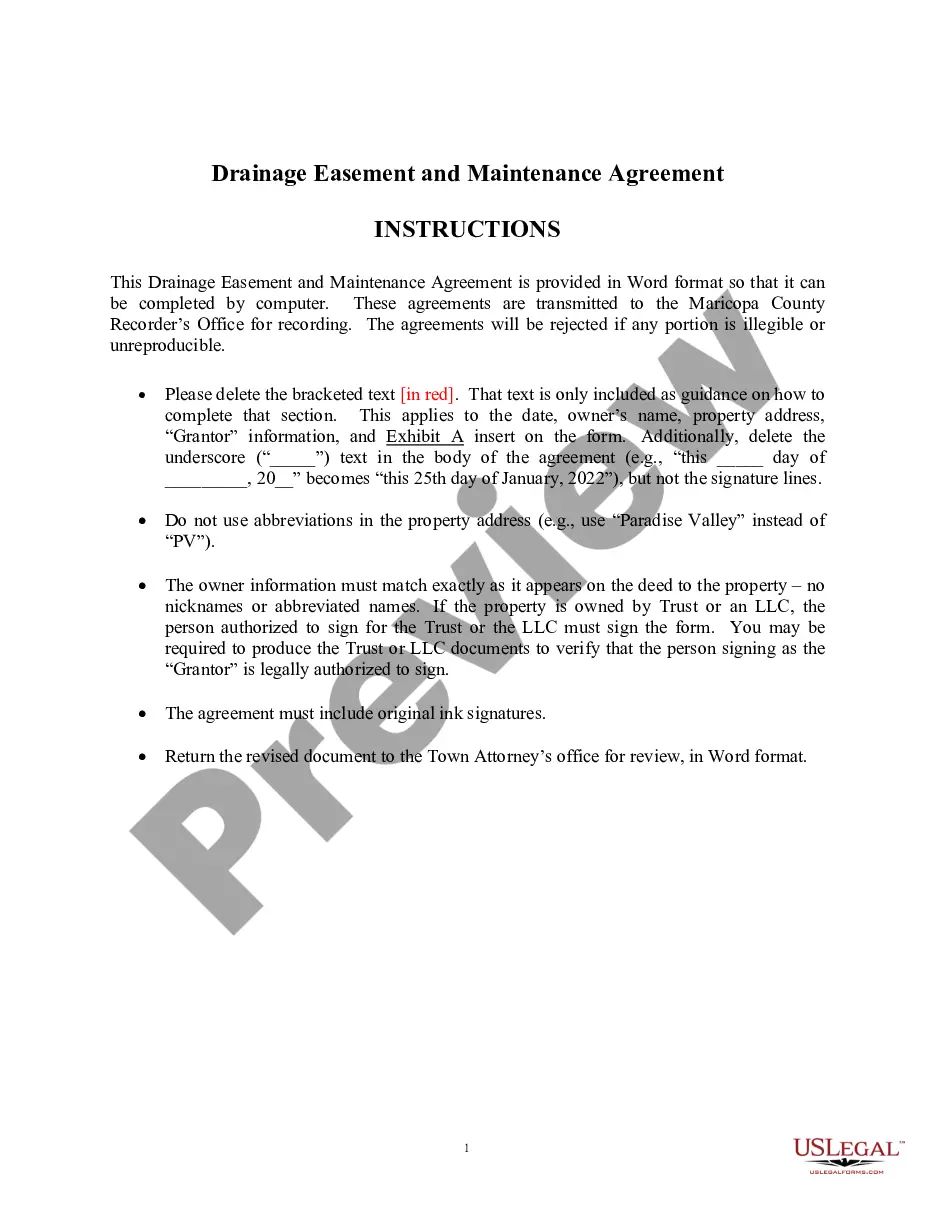
A drainage easement is a legal agreement that allows water to flow across someone's property, typically to manage stormwater and prevent flooding.