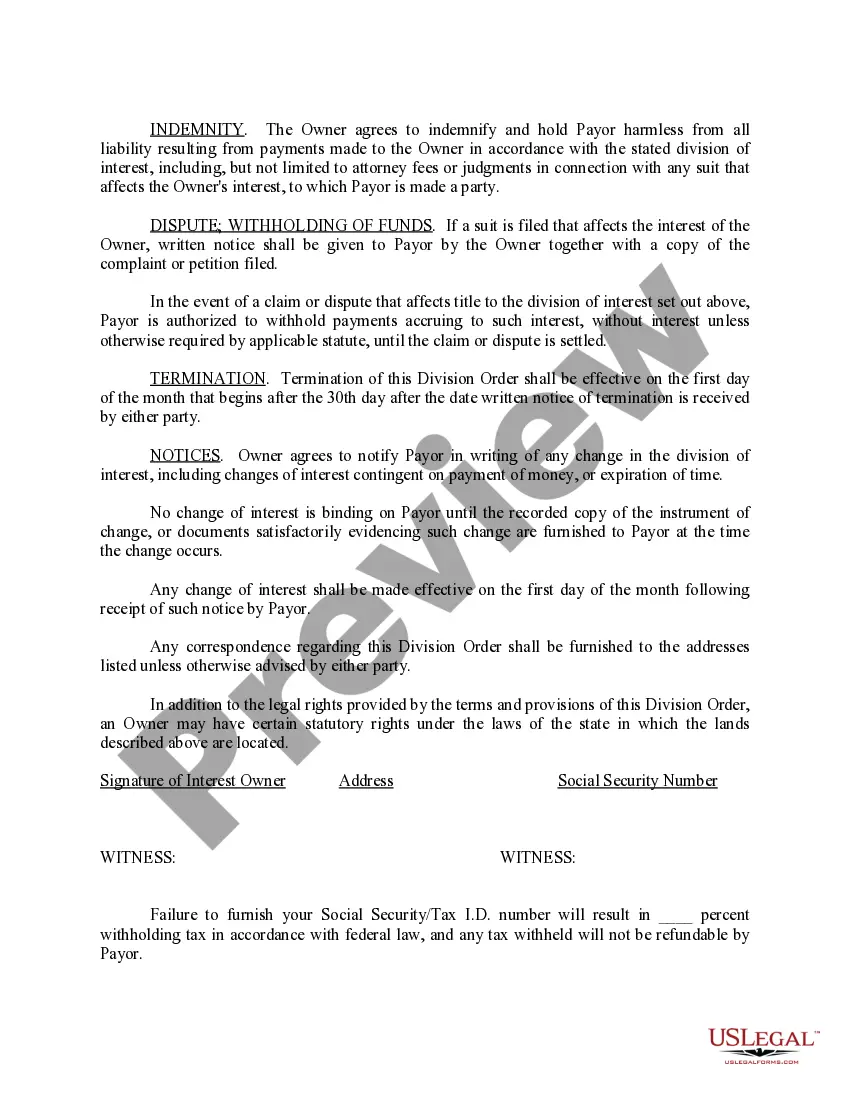
Yes, once signed, a Division Order becomes a legally binding contract. So, it’s crucial to read the fine print carefully and ensure everything is as it should be before putting pen to paper.
Yes, you absolutely can! If you think that a Division Order isn’t reflecting your ownership correctly, it's best to discuss it with the operator or seek legal advice to straighten things out.
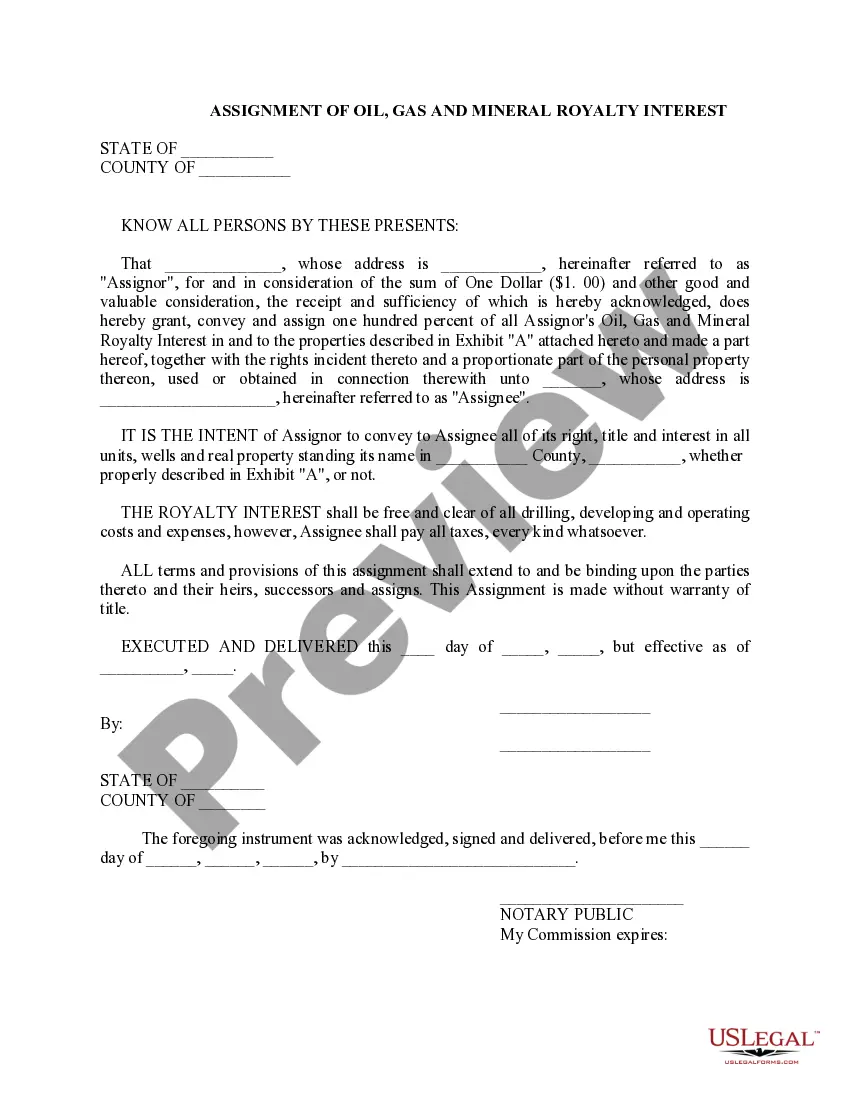
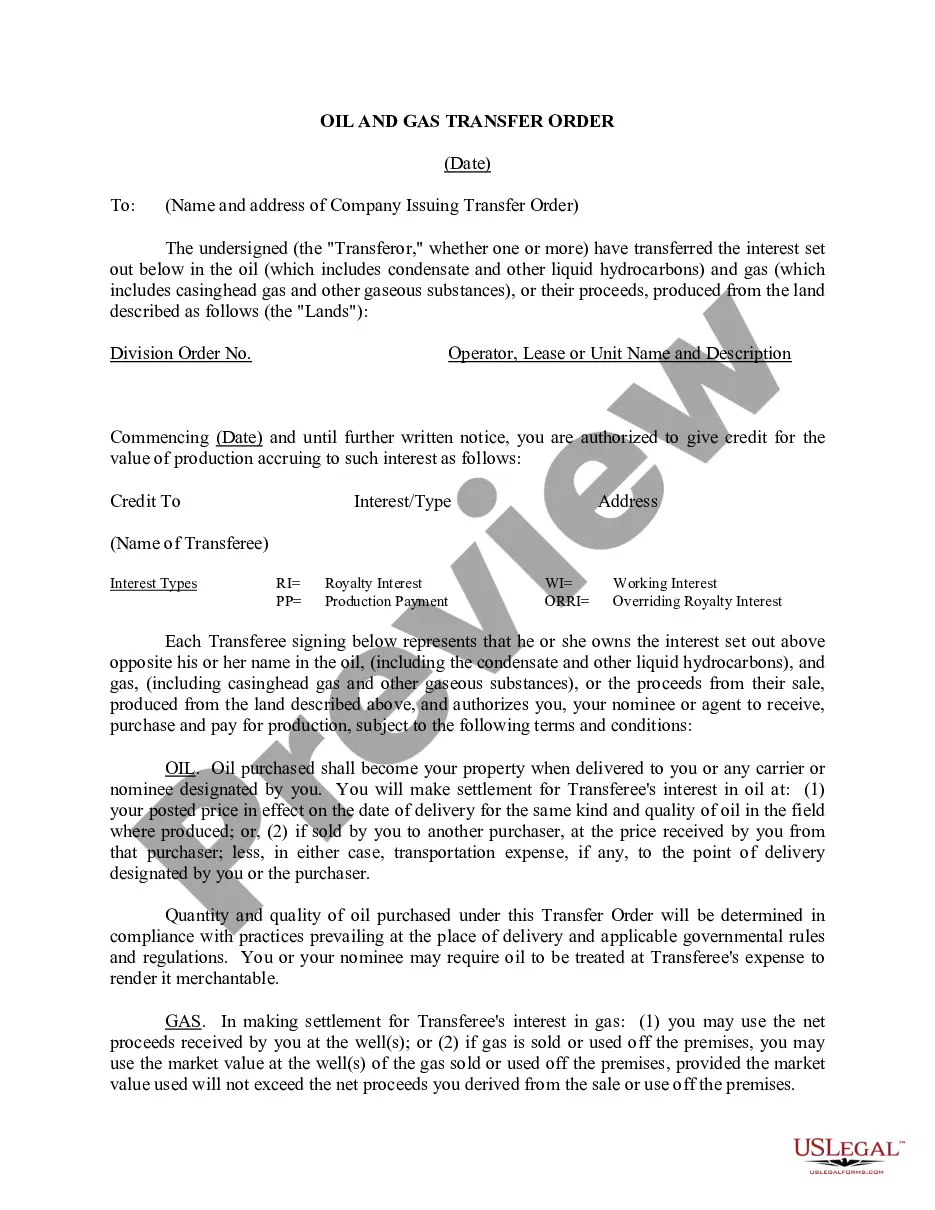
If there’s a change in who owns the mineral rights, like selling a part of it, a new Division Order needs to be issued. It’s essential to keep everything above board and updated, just like keeping your house in order.
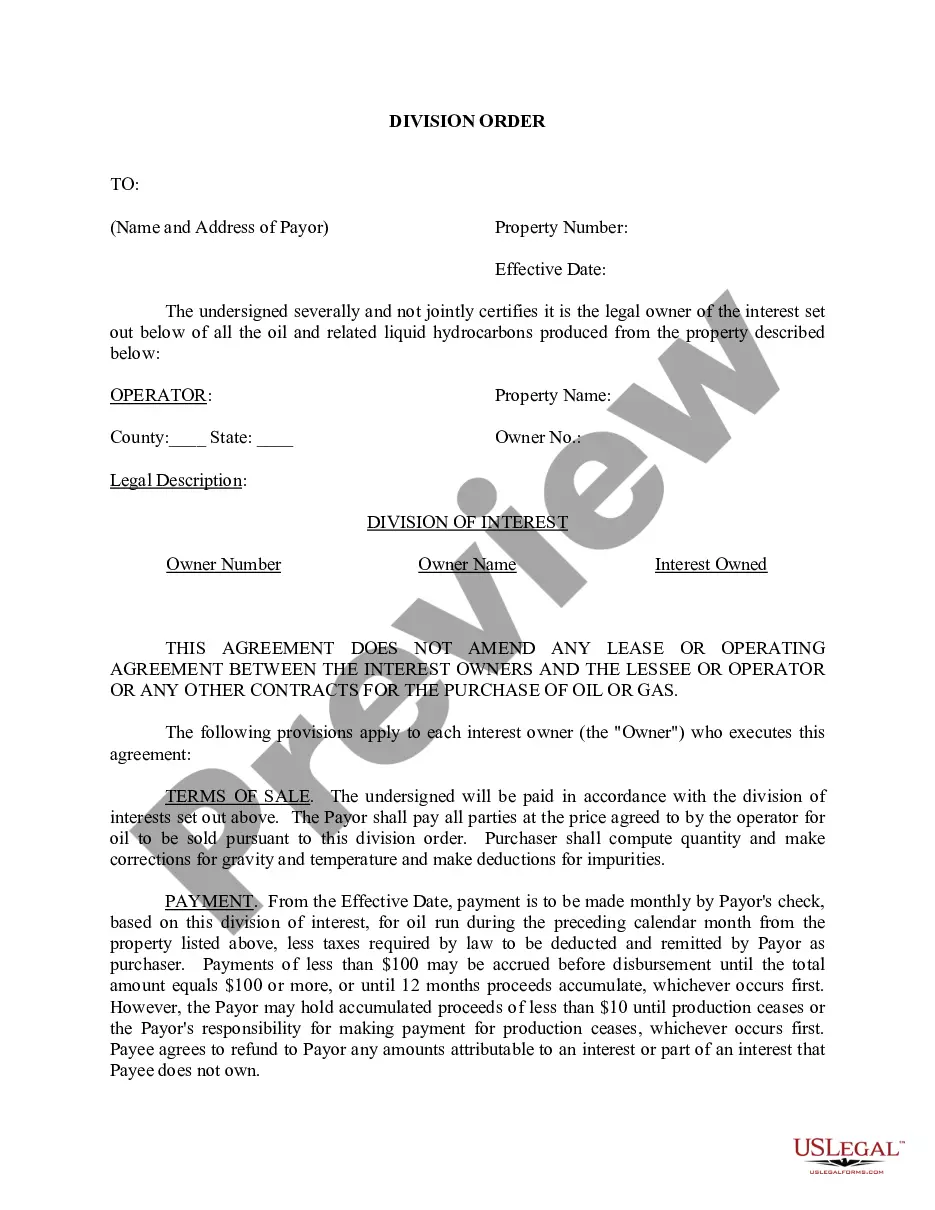
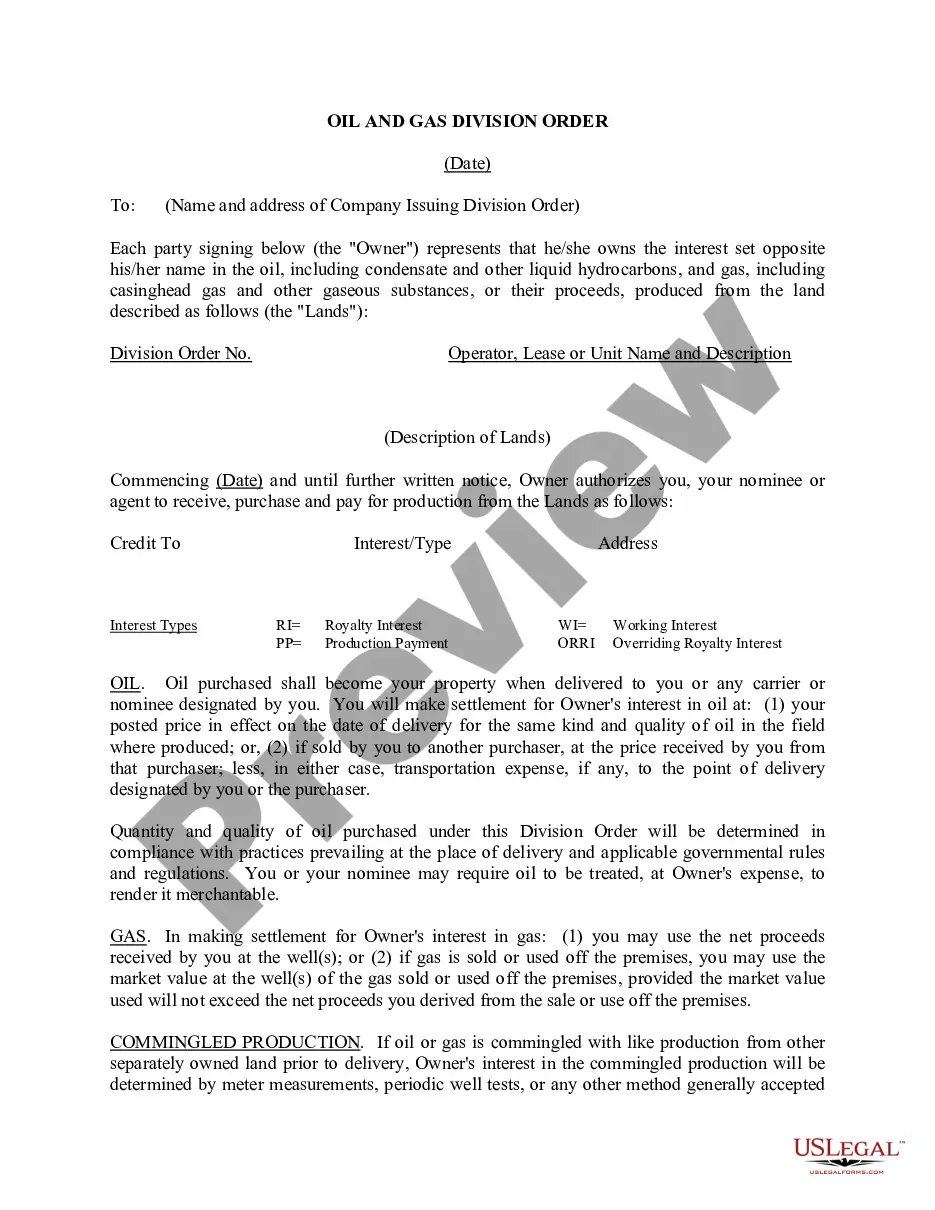
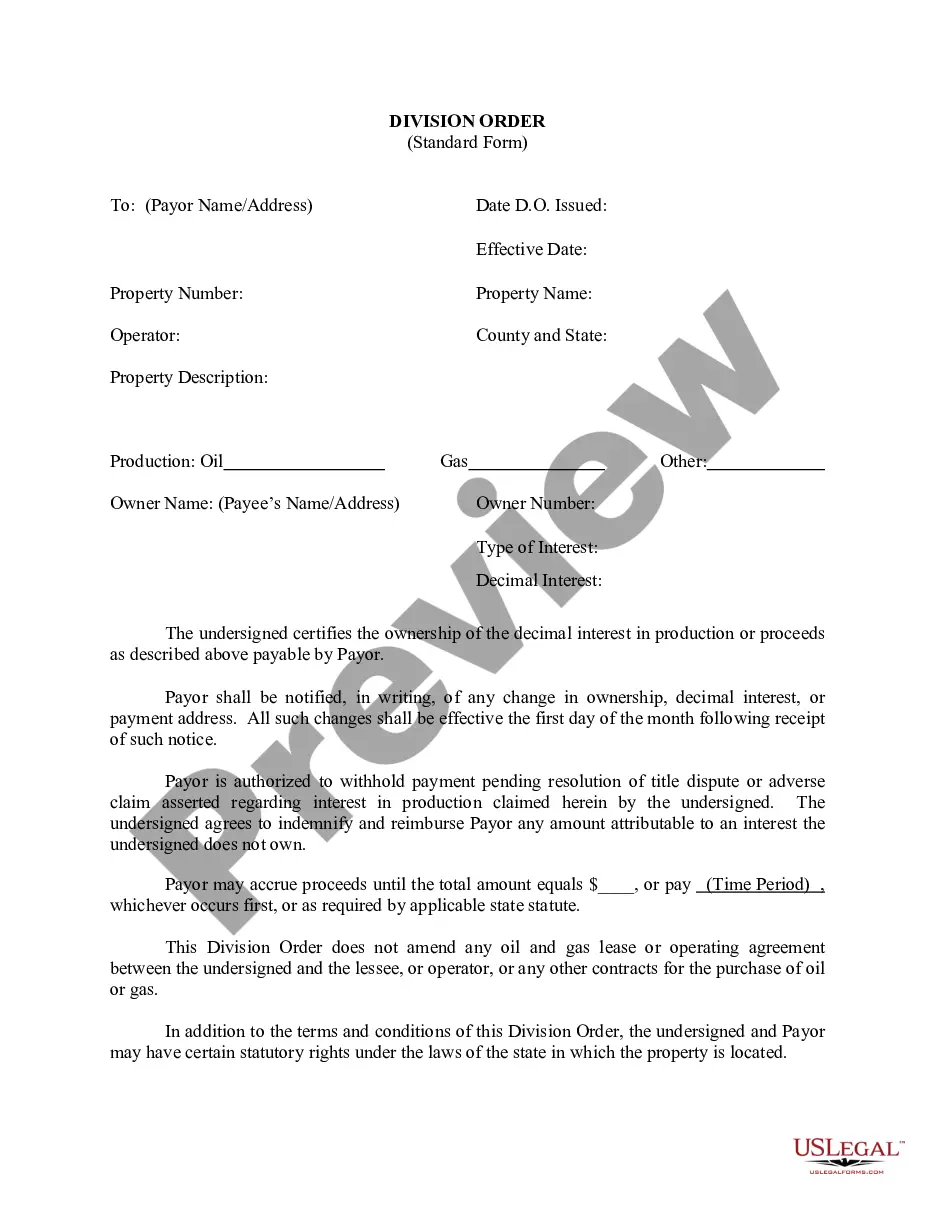
A Division Order typically includes details like the names of the interest owners, percentage of ownership, and the legal description of the land. It’s like a detailed recipe for who gets a slice of the pie!
You can usually obtain a Division Order through the oil and gas company or operator managing the lease. Just reach out to them, and they should be able to point you in the right direction!
Generally, anyone involved in the ownership of mineral rights, like owners of oil and gas leases, needs to provide a Division Order to show how revenue is split among stakeholders.
The Omaha Nebraska Division Order is a legal document that ensures proper distribution of royalty payments for oil and gas leases. Think of it as the road map for who gets what when it comes to profits from mineral rights.