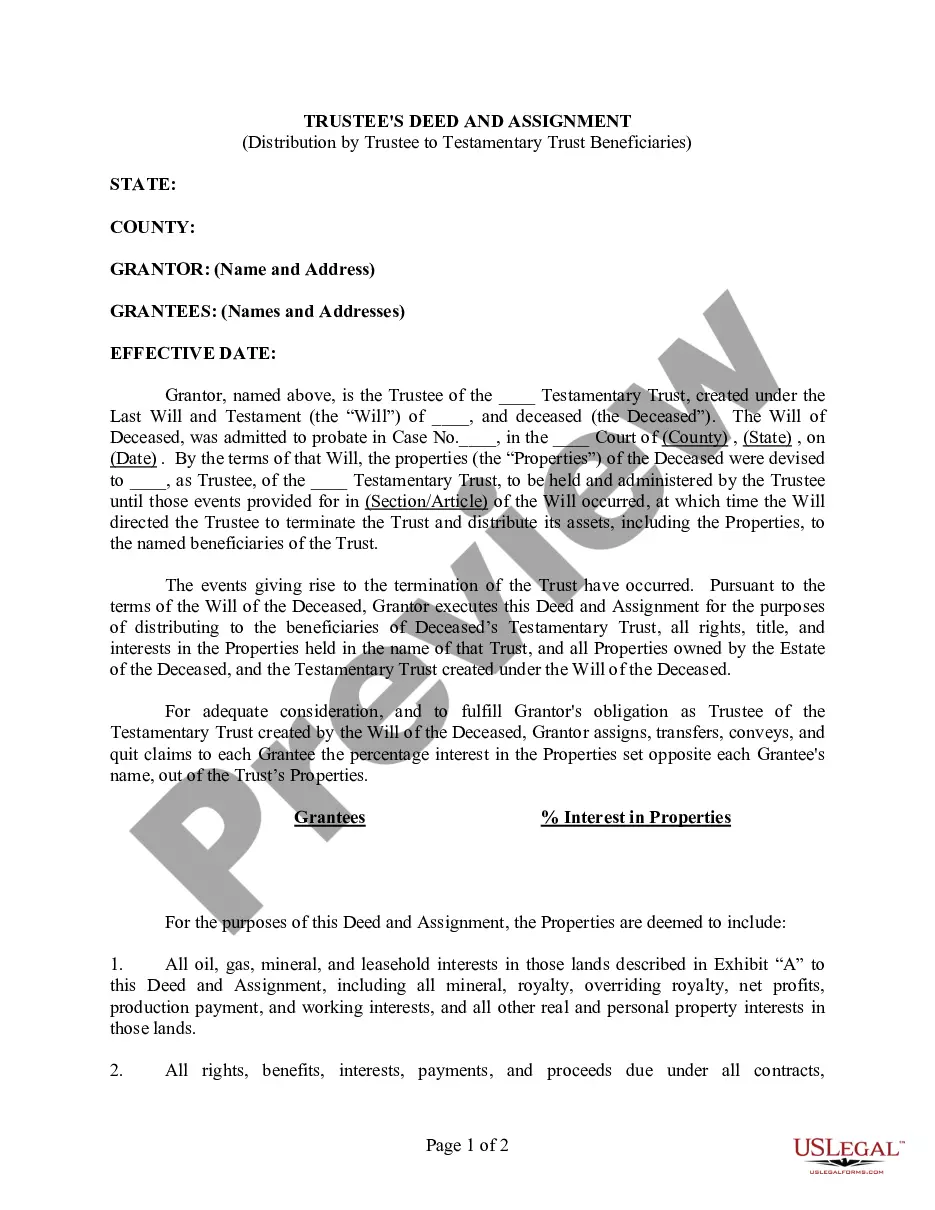
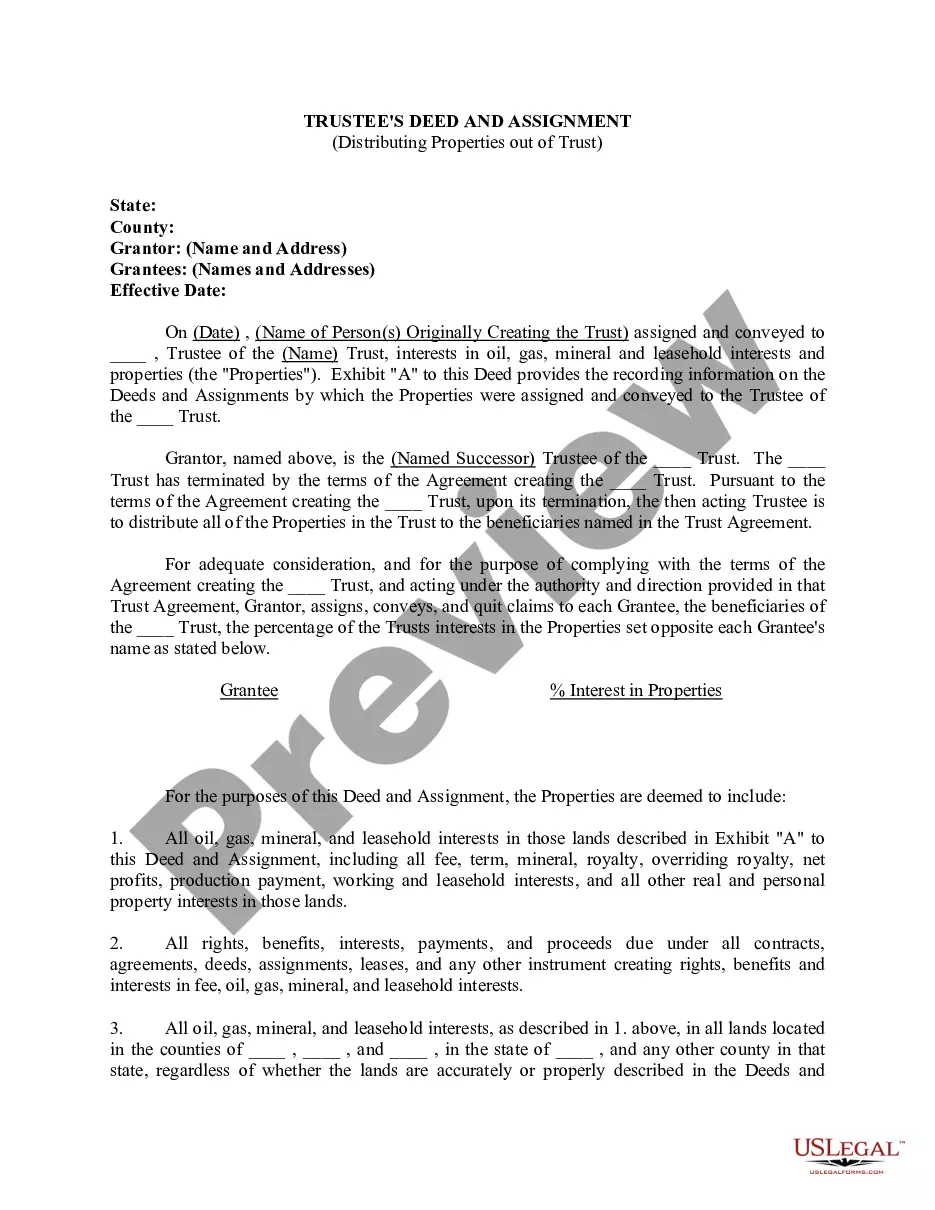
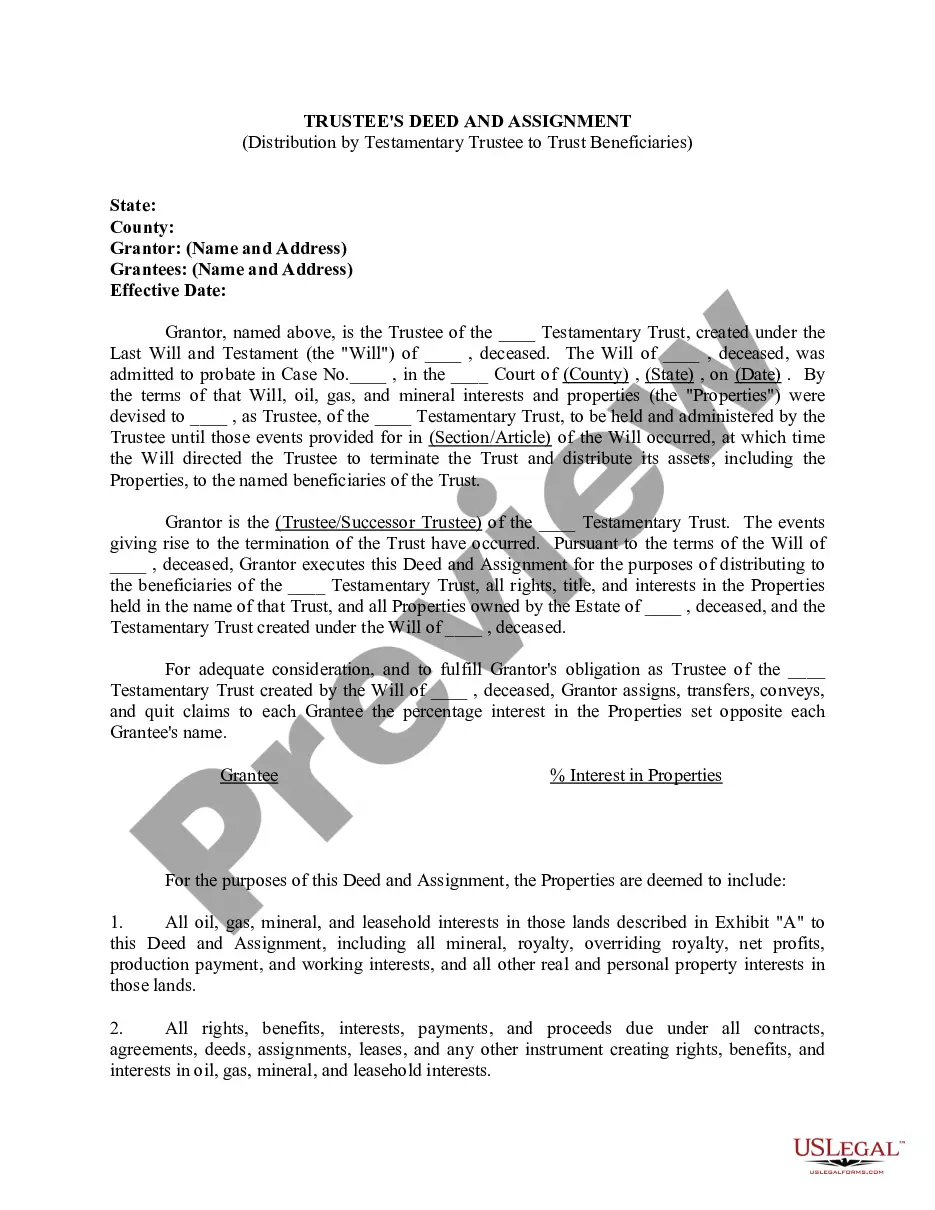
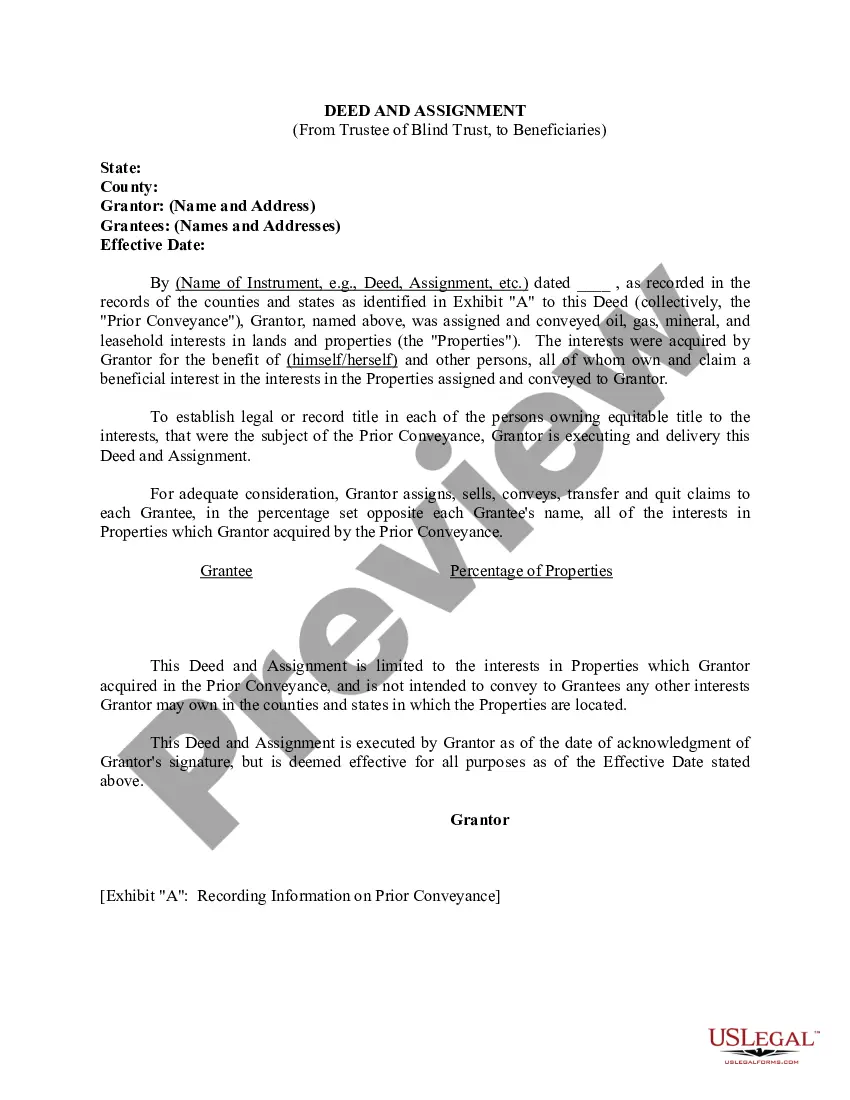
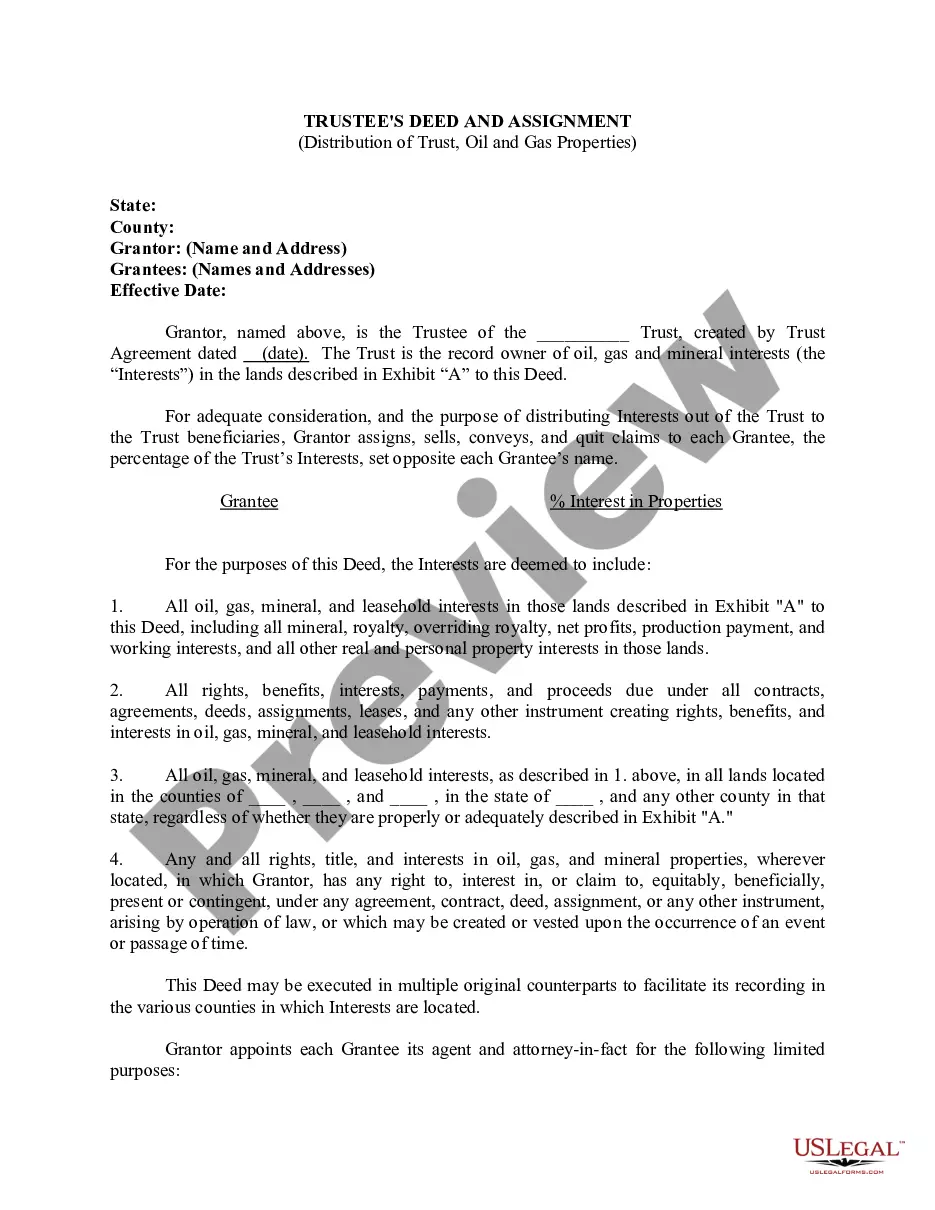
This form addresses the situation where properties are held in trust and the trustee desires to transfer those properties to the beneficiaries named in the trust agreement.
Absolutely! One of the perks of using a trust is that it often allows property to pass directly to beneficiaries without going through probate. It’s like taking a shortcut through traffic – much smoother and faster!
If there's a dispute, beneficiaries might need to discuss it and possibly seek legal advice. It’s a bit like sorting out a family disagreement – sometimes you need a mediator to help ease the tension.
A trustee can refuse if the trust terms say so, or if the beneficiaries haven't met certain conditions. It’s like waiting for your turn at a buffet – sometimes you have to meet specific criteria before you can dig in.
Yes, recording the deed is essential. It puts the world on notice about who owns the property, just like putting up a sign to say 'This is mine!'
Beneficiaries should know the property is now theirs, but they may also have responsibilities tied to it, like taxes or upkeep. It's a little like getting a new car; it's exciting, but you’ll still need to take care of it.
A trustee usually follows the terms laid out in the trust document. Think of it like following a recipe – they stick to the instructions to ensure everything is done right.
A deed from a trustee to trust beneficiaries is a legal document that transfers property or assets held in trust to the beneficiaries. It's like handing over the keys to a house, but in a legal sense.