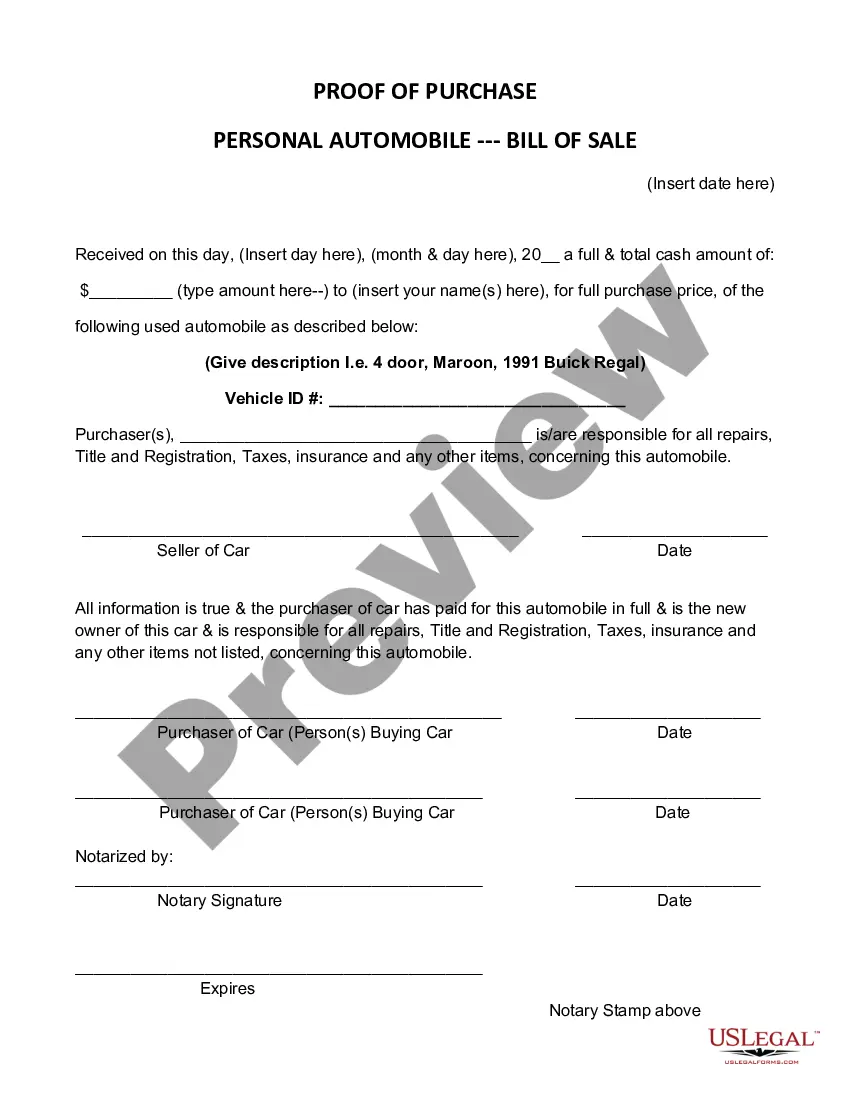
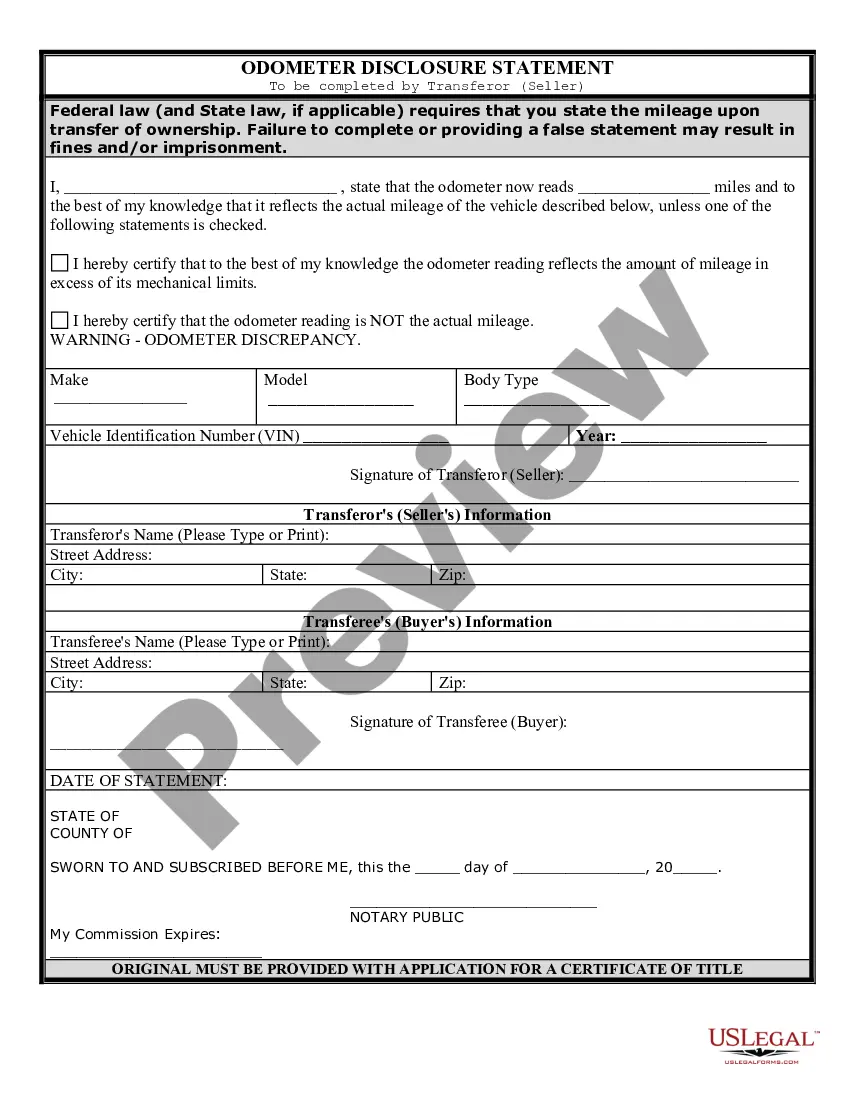
This form is a notarized statement prepared by the seller that contains the actual mileage of a vehicle. Federal Law requires the seller of a vehicle to provide mileage upon transfer of ownership.
Typically, dealerships handle the odometer statement for you, but it’s a good idea to check your paperwork to make sure everything is covered. Better safe than sorry!
Once it's filled out and signed, changes shouldn't be made. If you make a mistake, it's best to start fresh with a new statement to keep everything above board.
If you can't provide one when it's needed, it could delay the registration process or even cause issues with the sale. It's better to have your ducks in a row before finalizing the deal.
Not necessarily! It's usually required for most private sales, but if it’s a trade-in at a dealership or if it's for a gift, you might not need one. Always good to double-check!
You'll need details like the vehicle's VIN (Vehicle Identification Number), current mileage, the date of the sale or transfer, and your signature. It's like giving your car a little introduction.
You can obtain an odometer statement by filling out the required information on the appropriate forms at your local Department of Motor Vehicles (DMV) office or online. It's like getting a birth certificate for your car!
An odometer statement is a document that shows the mileage of a vehicle at a specific point in time. It's important because it's often required when buying or selling a car in Anaheim to prove how far the vehicle has traveled.