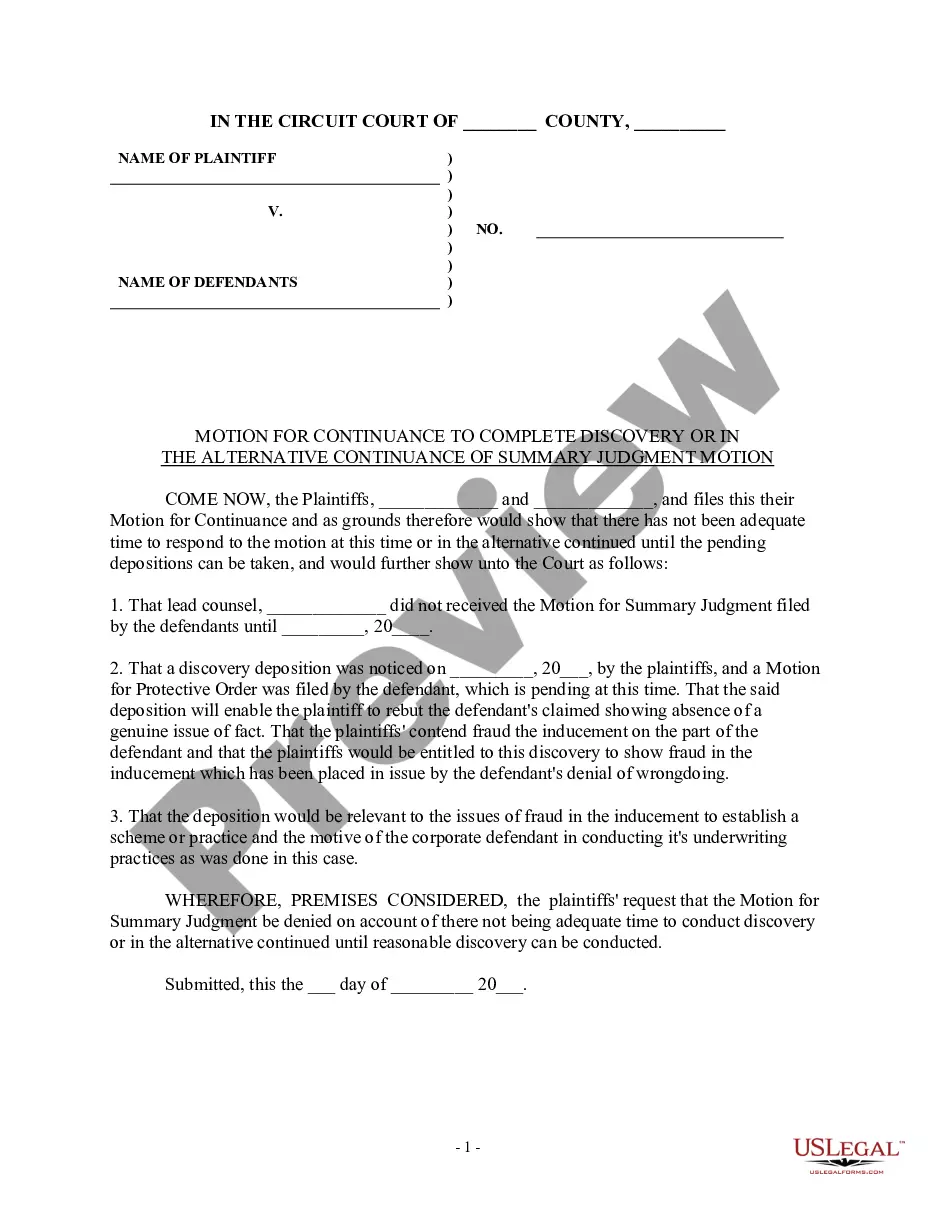
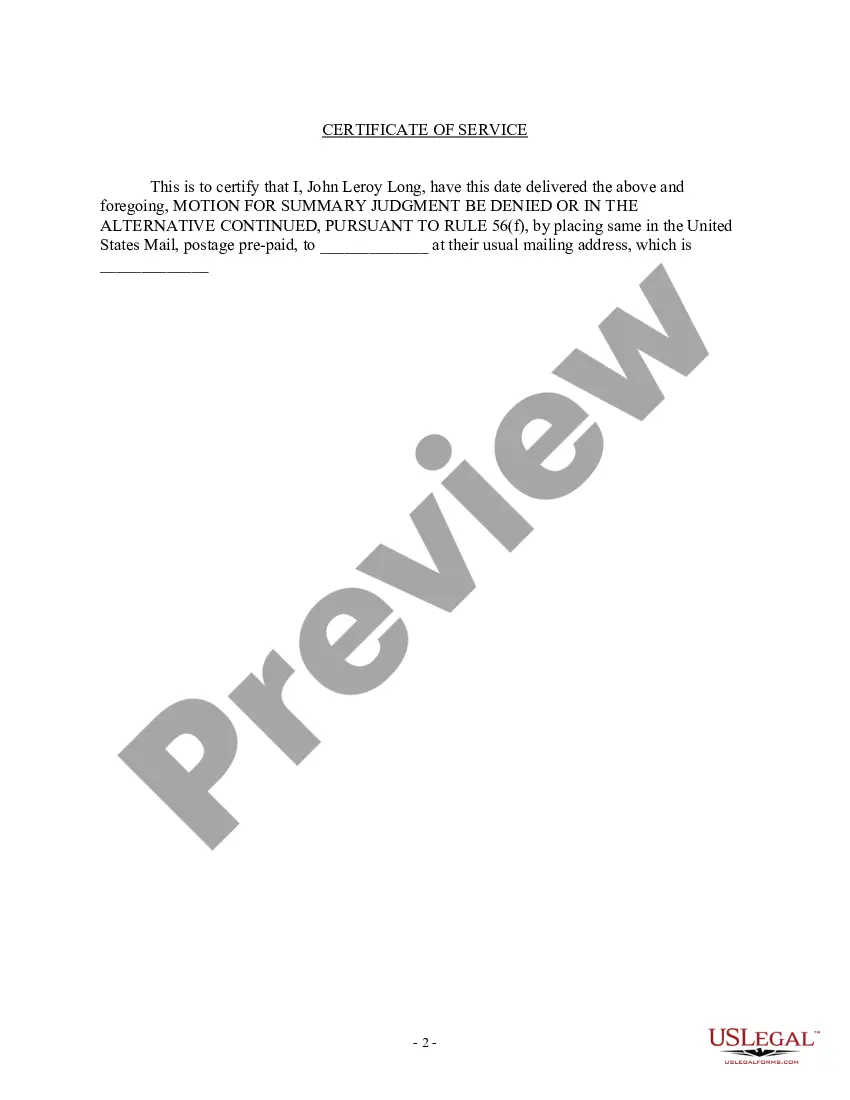
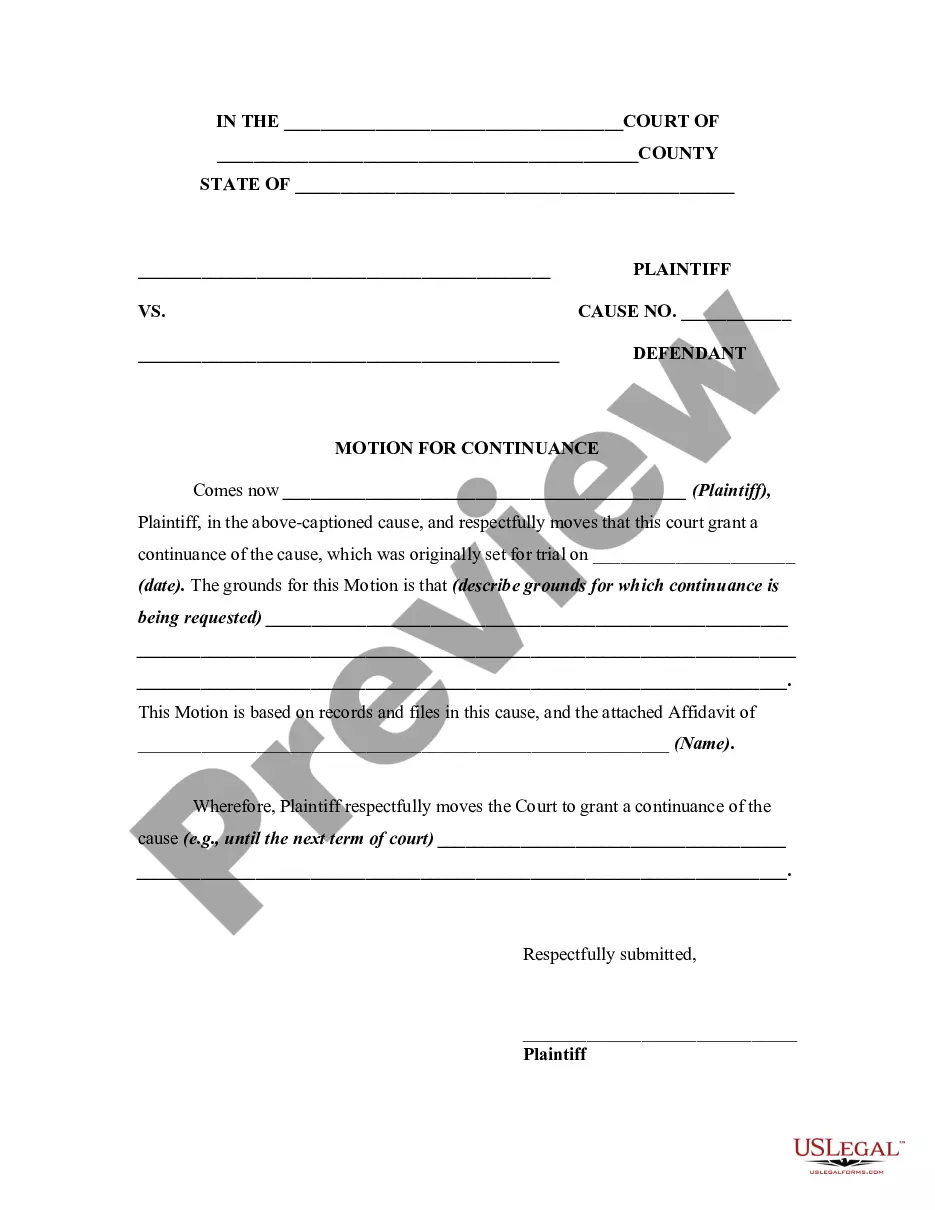
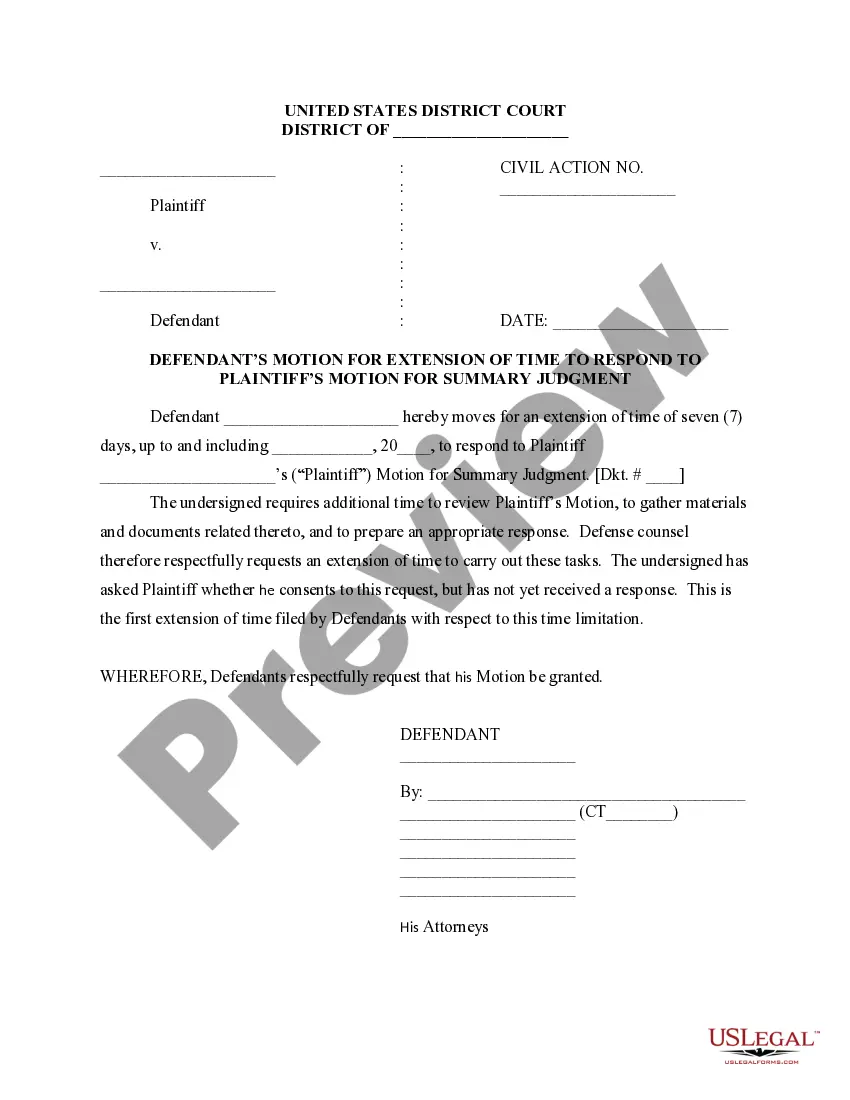
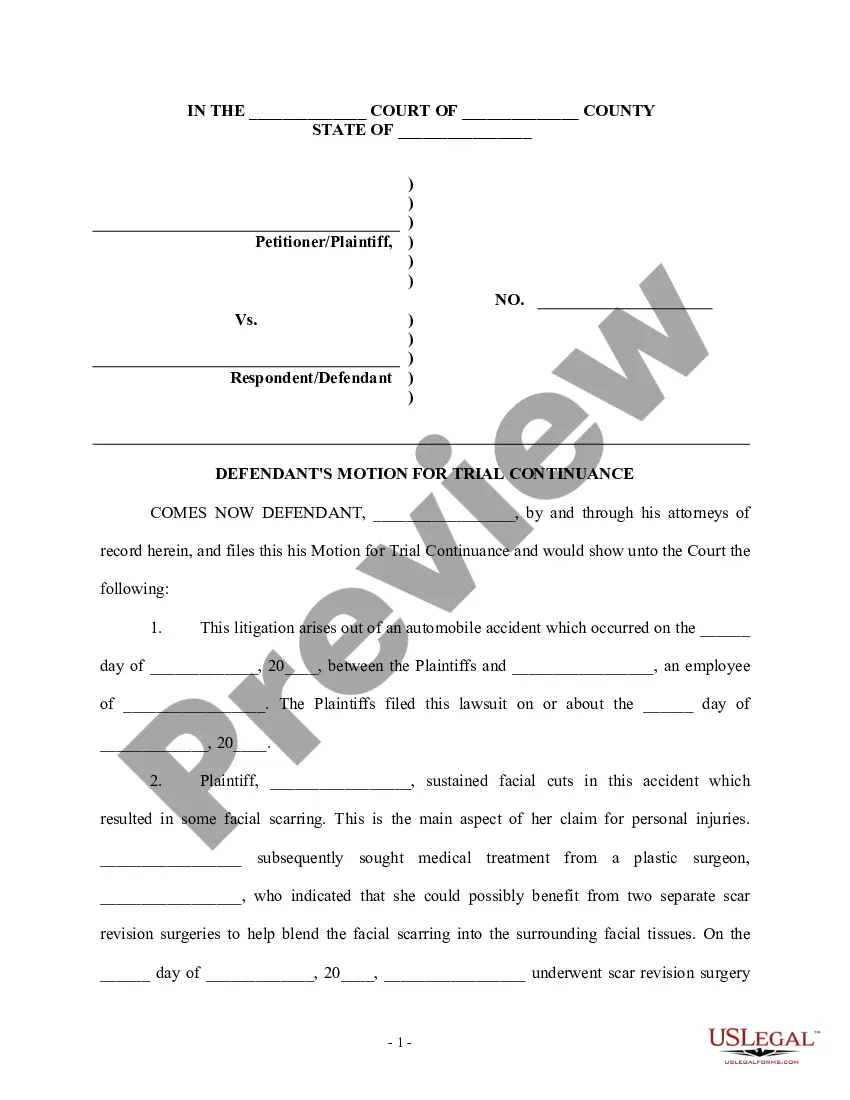
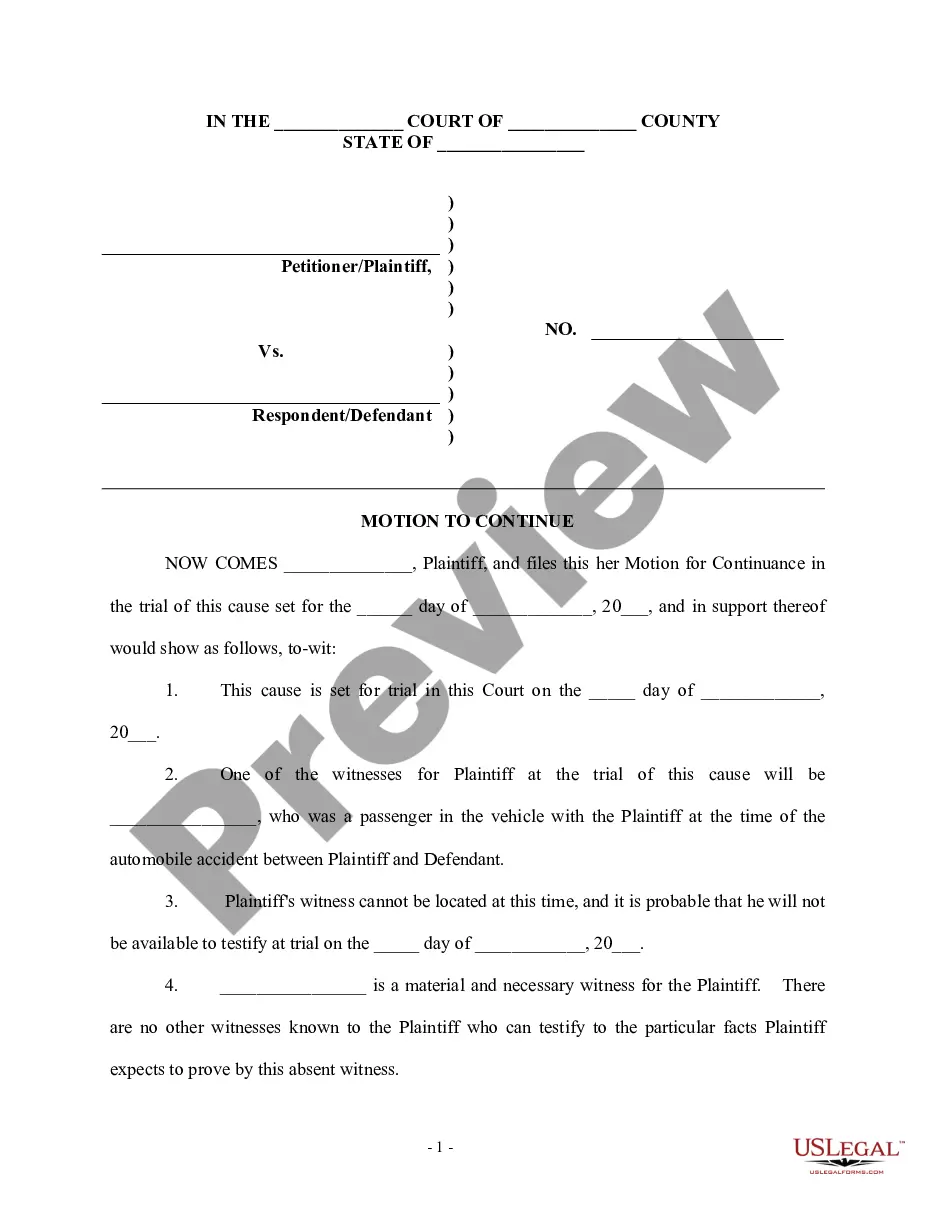
Bronx New York Motion for Continuance to Complete Discovery or in the Alternative Continuance of Summary Judgment Motion
Description
Get your form ready online
Our built-in tools help you complete, sign, share, and store your documents in one place.
Make edits, fill in missing information, and update formatting in US Legal Forms—just like you would in MS Word.
Download a copy, print it, send it by email, or mail it via USPS—whatever works best for your next step.
Sign and collect signatures with our SignNow integration. Send to multiple recipients, set reminders, and more. Go Premium to unlock E-Sign.
If this form requires notarization, complete it online through a secure video call—no need to meet a notary in person or wait for an appointment.
We protect your documents and personal data by following strict security and privacy standards.

Make edits, fill in missing information, and update formatting in US Legal Forms—just like you would in MS Word.

Download a copy, print it, send it by email, or mail it via USPS—whatever works best for your next step.

Sign and collect signatures with our SignNow integration. Send to multiple recipients, set reminders, and more. Go Premium to unlock E-Sign.

If this form requires notarization, complete it online through a secure video call—no need to meet a notary in person or wait for an appointment.

We protect your documents and personal data by following strict security and privacy standards.
Looking for another form?

How to fill out Motion For Continuance To Complete Discovery Or In The Alternative Continuance Of Summary Judgment Motion?
How long does it typically take you to compose a legal document? Considering that every state has its own laws and regulations for various aspects of life, finding a Bronx Motion for Continuance to Complete Discovery or alternatively, a Continuance of Summary Judgment Motion that fulfills all local requirements can be taxing, and procuring it from a qualified attorney can be frequently expensive.
Numerous online services provide the most sought-after state-specific documents for download, but utilizing the US Legal Forms database is the most advantageous.
US Legal Forms boasts the most extensive online assortment of templates, organized by state and areas of application. Besides the Bronx Motion for Continuance to Complete Discovery or in the Alternative Continuance of Summary Judgment Motion, you can discover any particular form necessary for managing your business or personal affairs, in alignment with your county's regulations. Experts verify all templates for their relevance, ensuring you can prepare your documents accurately.
Print the document or utilize any preferred online editor to fill it out electronically. Regardless of how many times you need to use the obtained document, you can locate all the samples you have saved previously in your profile by navigating to the My documents tab. Give it a try!
- If you already possess an account on the site and your subscription is active, you simply need to Log In, select the desired template, and download it.
- You can keep the document in your profile at any time in the future.
- If you are not familiar with the website, there will be several additional steps to follow before you acquire your Bronx Motion for Continuance to Complete Discovery or in the Alternative Continuance of Summary Judgment Motion.
- Review the information presented on the page you are visiting.
- Examine the description of the template or Preview it (if accessible).
- Search for another template using the corresponding option in the header.
- Click Buy Now once you are confident in your chosen document.
- Select the subscription plan that best meets your needs.
- Create an account on the platform or Log In to access payment options.
- Process payment through PayPal or with your credit card.
- Adjust the file format if necessary.
- Click Download to save the Bronx Motion for Continuance to Complete Discovery or in the Alternative Continuance of Summary Judgment Motion.
Form popularity
FAQ
A motion for summary judgment in New York is a request for the court to rule in favor of one party because there are no material facts in dispute. It seeks to resolve a case without a full trial when the evidence clearly supports one side. Filing a Bronx New York Motion for Continuance to Complete Discovery or in the Alternative Continuance of Summary Judgment Motion may be considered if additional discovery is necessary to substantiate your position before the court makes a ruling.
In New York, a motion to dismiss may be based on various grounds, such as lack of subject matter jurisdiction, failure to state a cause of action, or improper service. These grounds help the court determine if the case can proceed. When you file a Bronx New York Motion for Continuance to Complete Discovery or in the Alternative Continuance of Summary Judgment Motion, understanding the grounds for dismissal can be crucial to your strategy.
In New York state practice, an order of the Supreme Court denying a motion for summary judgment is immediately appealable to the Appellate Division, as of right, by the unsuccessful movant. Finality is not required.
A response must be in writing and include the same supporting documents as a motion for summary judgment. The opposition to the motion for summary judgment should also include a statement of facts showing the dispute and supporting documents.
Federal appellate courts apply standards of review when examining lower court rulings or determinations from a federal agencies. There are three general standards of review: questions of law, questions of fact, and matters of procedure or discretion.
Stay of Discovery Unless the Court orders otherwise, once a notice of Motion to Dismiss is served, all discovery in the case is stayed until determination of the motion.
If the motion or OSC can't be settled, the Judge will make a decision. Sometimes, the Judge makes a decision right away. If not, the Judge has 60 days by law to decide the motion.
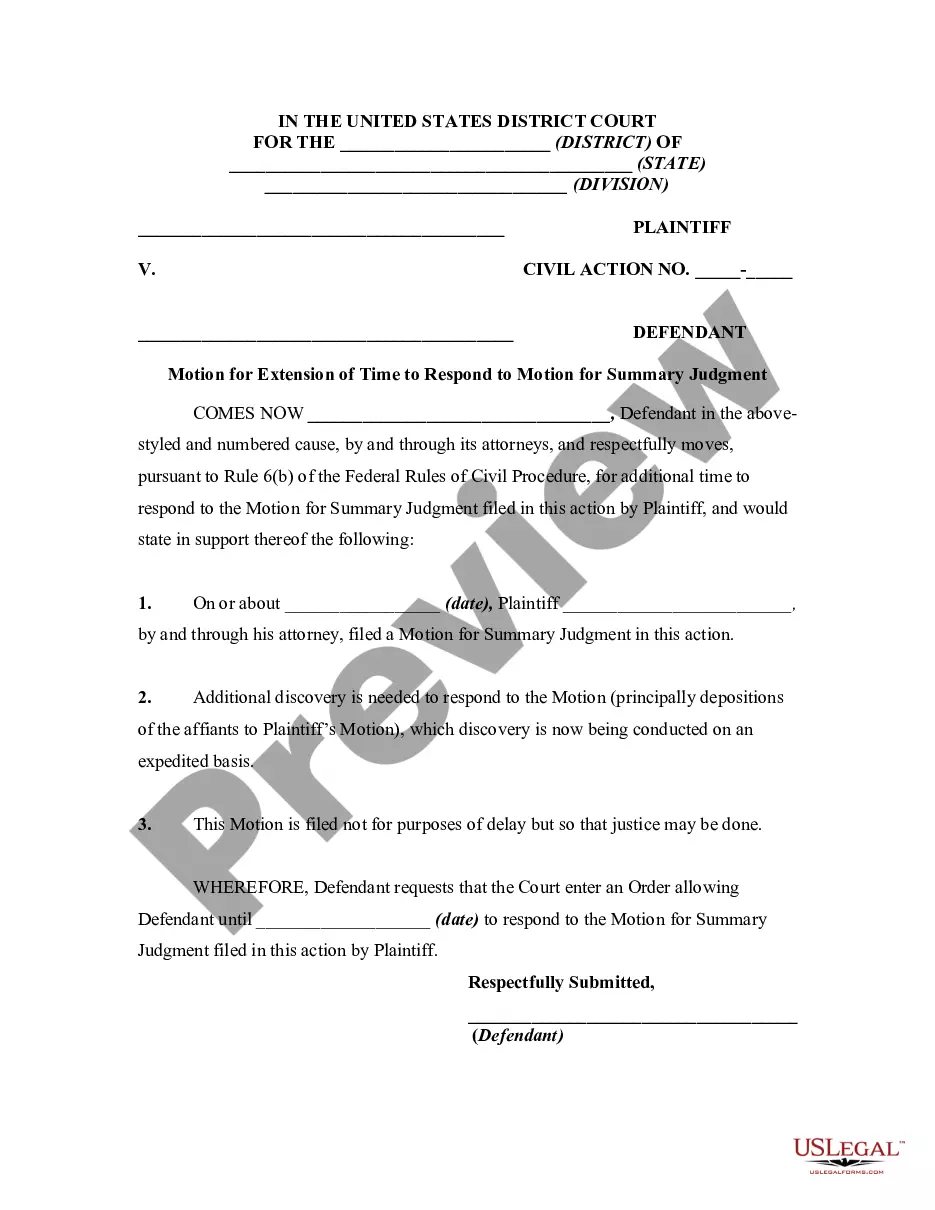
Unless the Court orders otherwise, once a notice of Motion for Summary Judgment is served, all discovery in the case is stayed until "determination of the motion." CPLR 3214(b).
Summary Judgment Standard Generally, a trial court deciding whether to grant a motion for summary judgment must view the facts in the light most favorable to the non-moving party, drawing any reasonable inferences in that party's favor.
De novo review occurs when a court decides an issue without deference to a previous court's decision. Trial de novo occurs when a court decides all issues in a case, as if the case was being heard for the first time. For a recent consideration of the use of de novo review, see McLane Co.