Not necessarily. Filing an objection can lead to discussions behind the scenes, and you may avoid testifying if the objection is upheld. It’s like putting a stop sign in front of a potential traffic jam!
After you file it, the court will review it, and a hearing may be scheduled. It's like bringing your case to the table and asking the judge to weigh in on the matter.
Yes, you can represent yourself, but it's often wise to get some legal advice. It can be a tricky road, and having a guide can make the journey easier.
Typically, you should file your motions as soon as you can after receiving a subpoena or notice. Think of it like striking while the iron's hot!
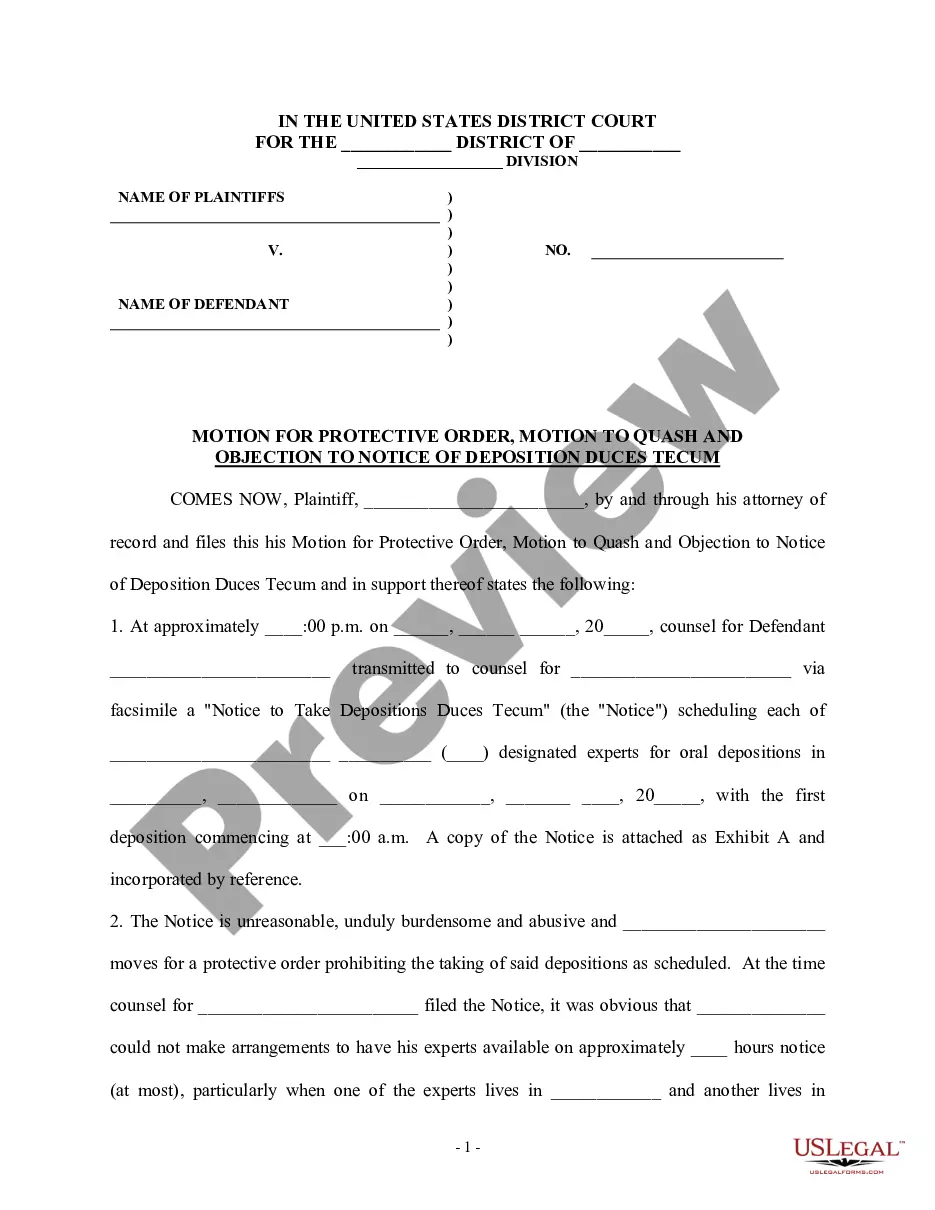
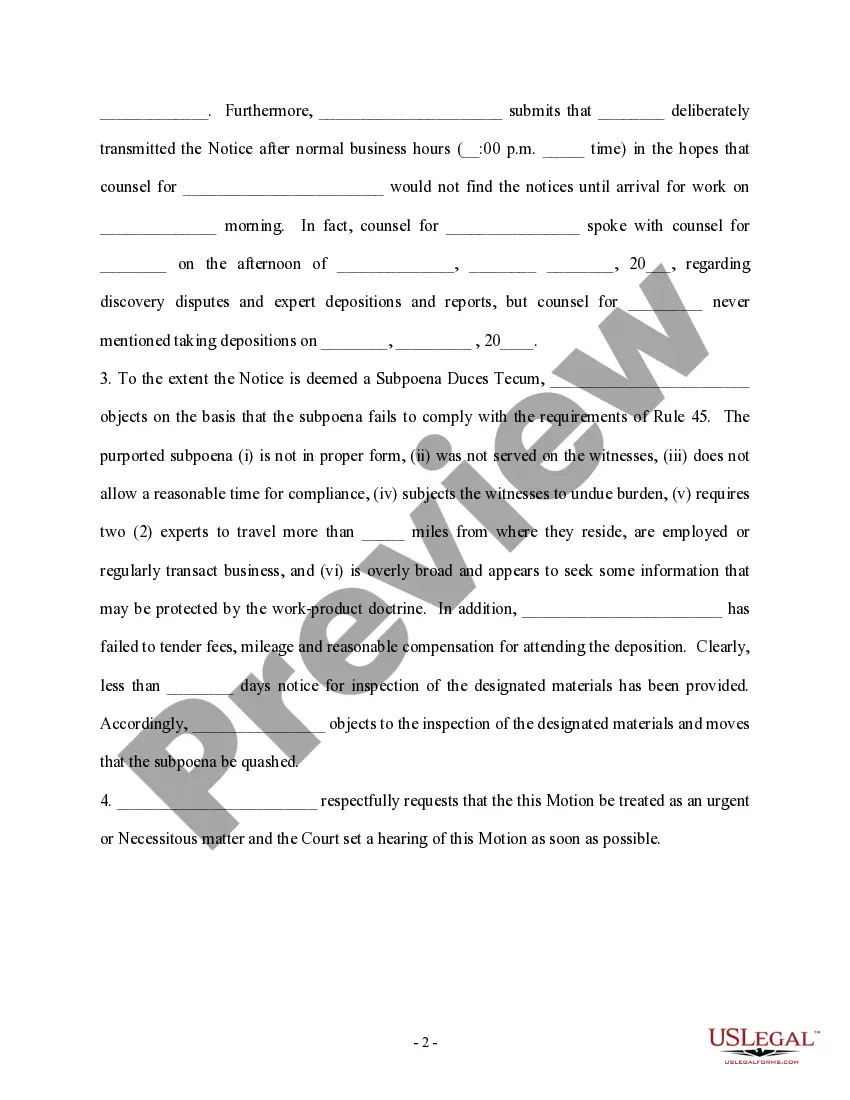
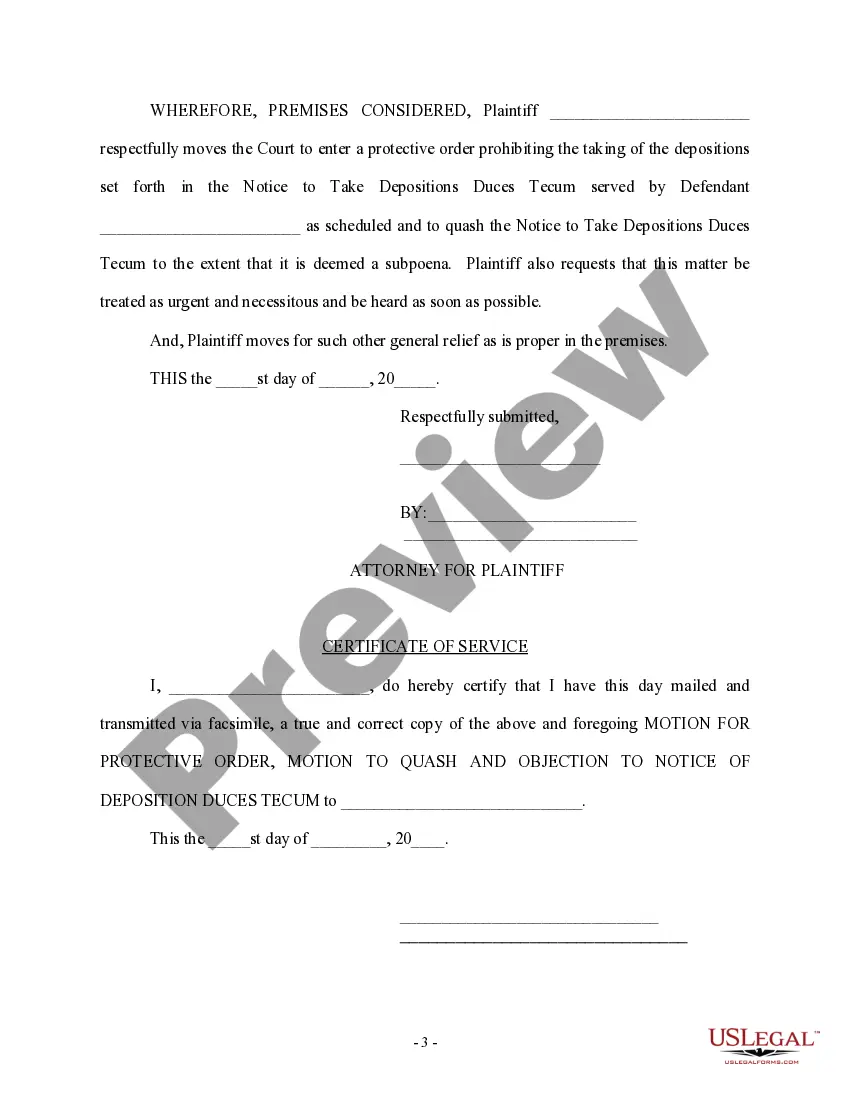
An Objection to Notice of Deposition Duces Tecum is when you challenge a notice that orders you to bring documents to a deposition. It’s your way of saying, 'Not so fast! I have concerns about this.'
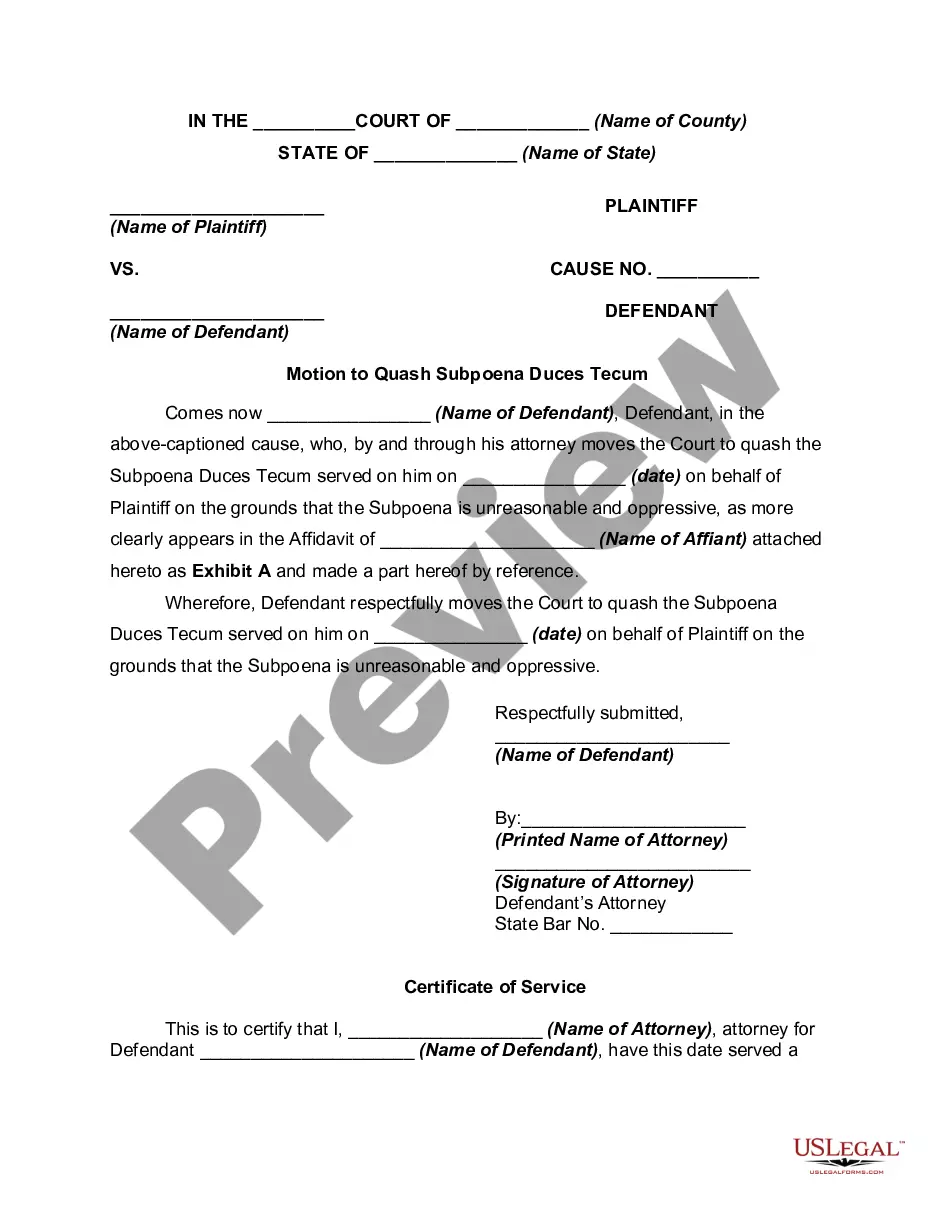
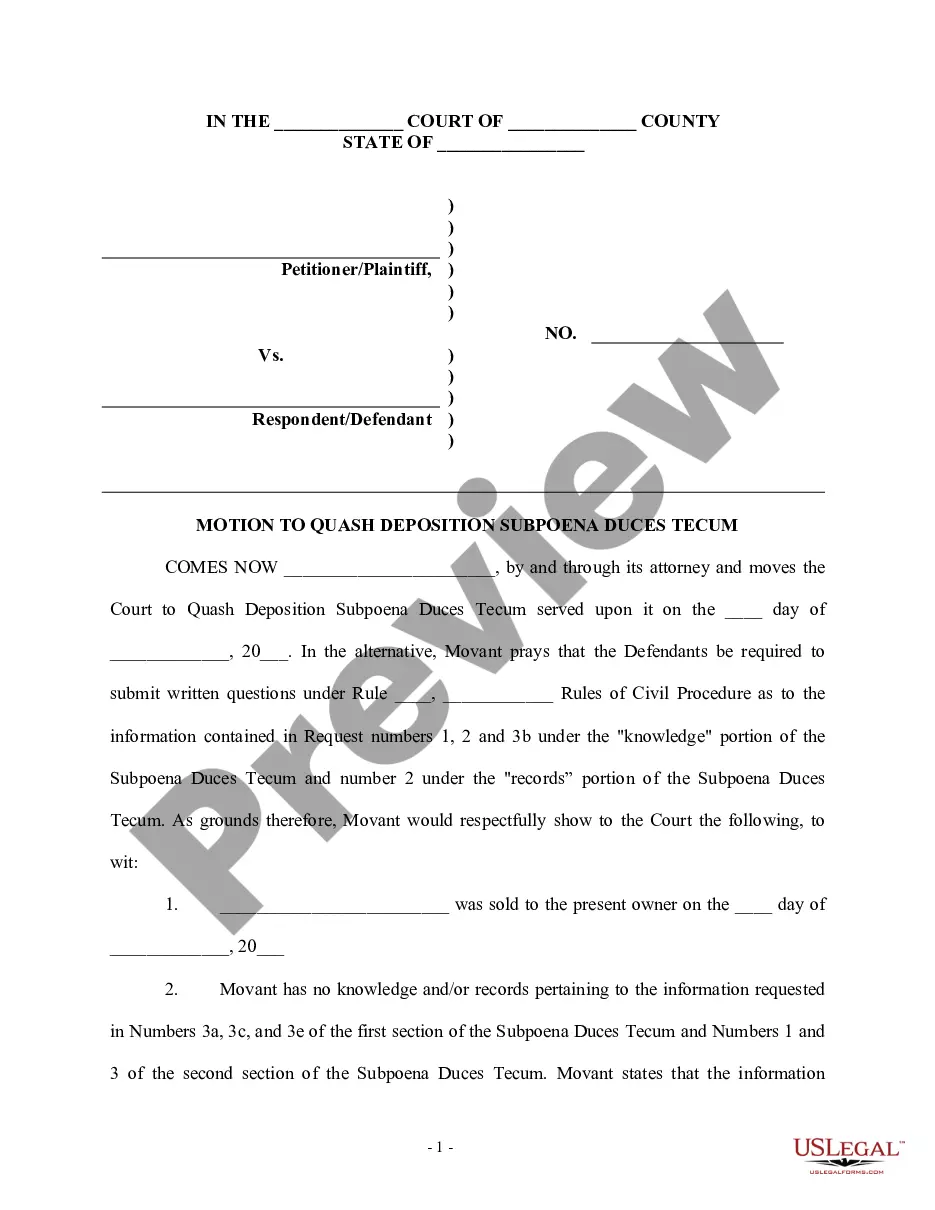
You should file a Motion to Quash when you believe a subpoena is unfair, irrelevant, or too broad. It’s like saying, 'Hey, hold on a minute, this is overstepping.'
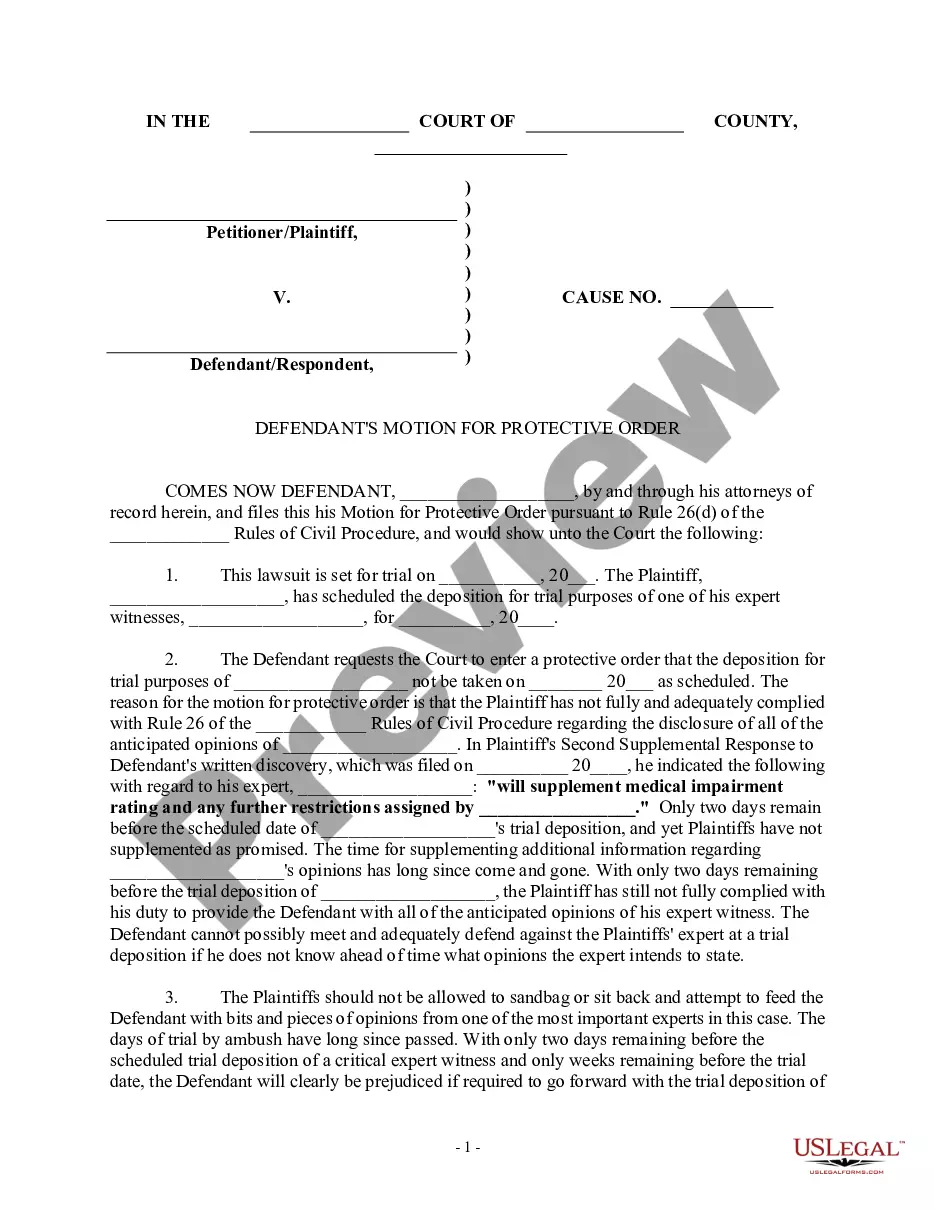
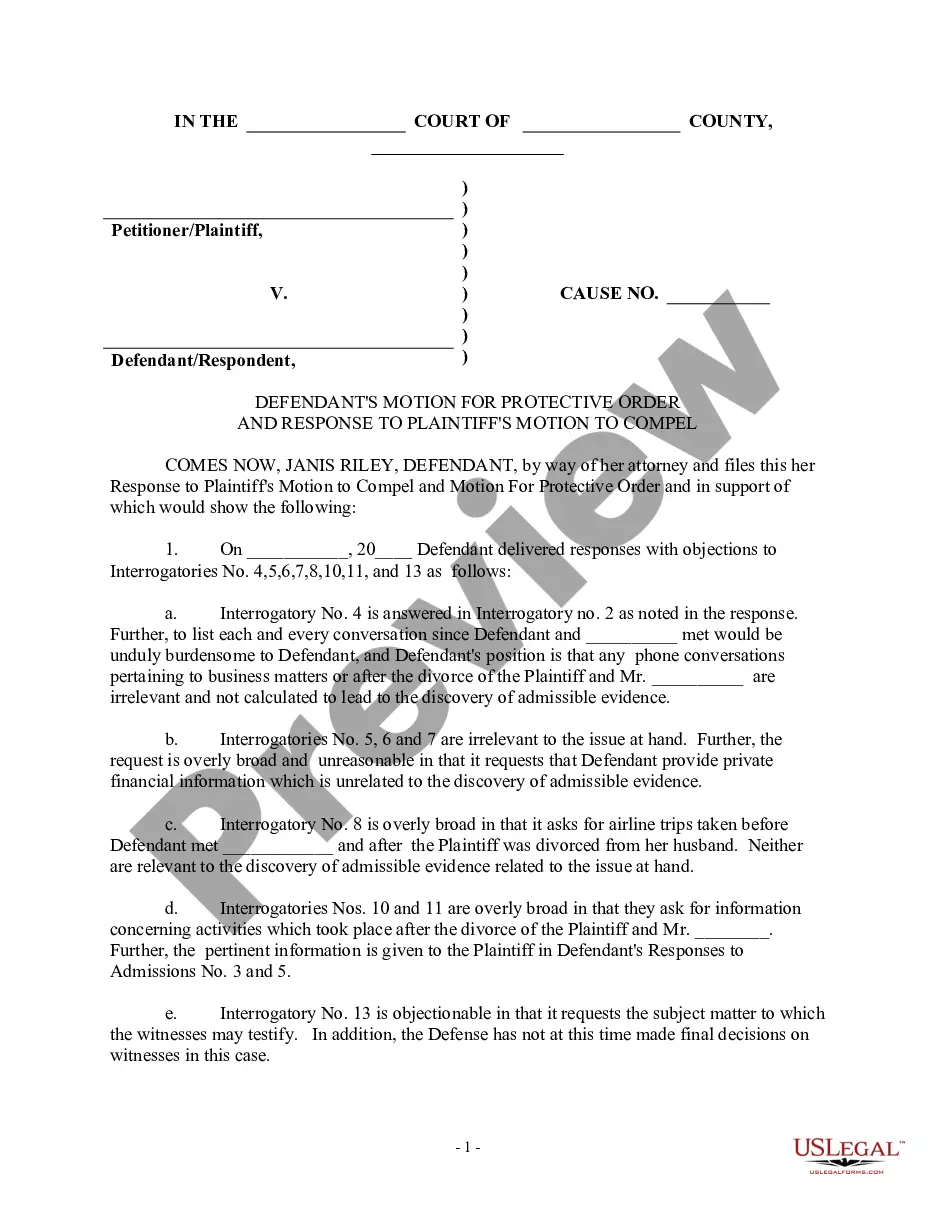
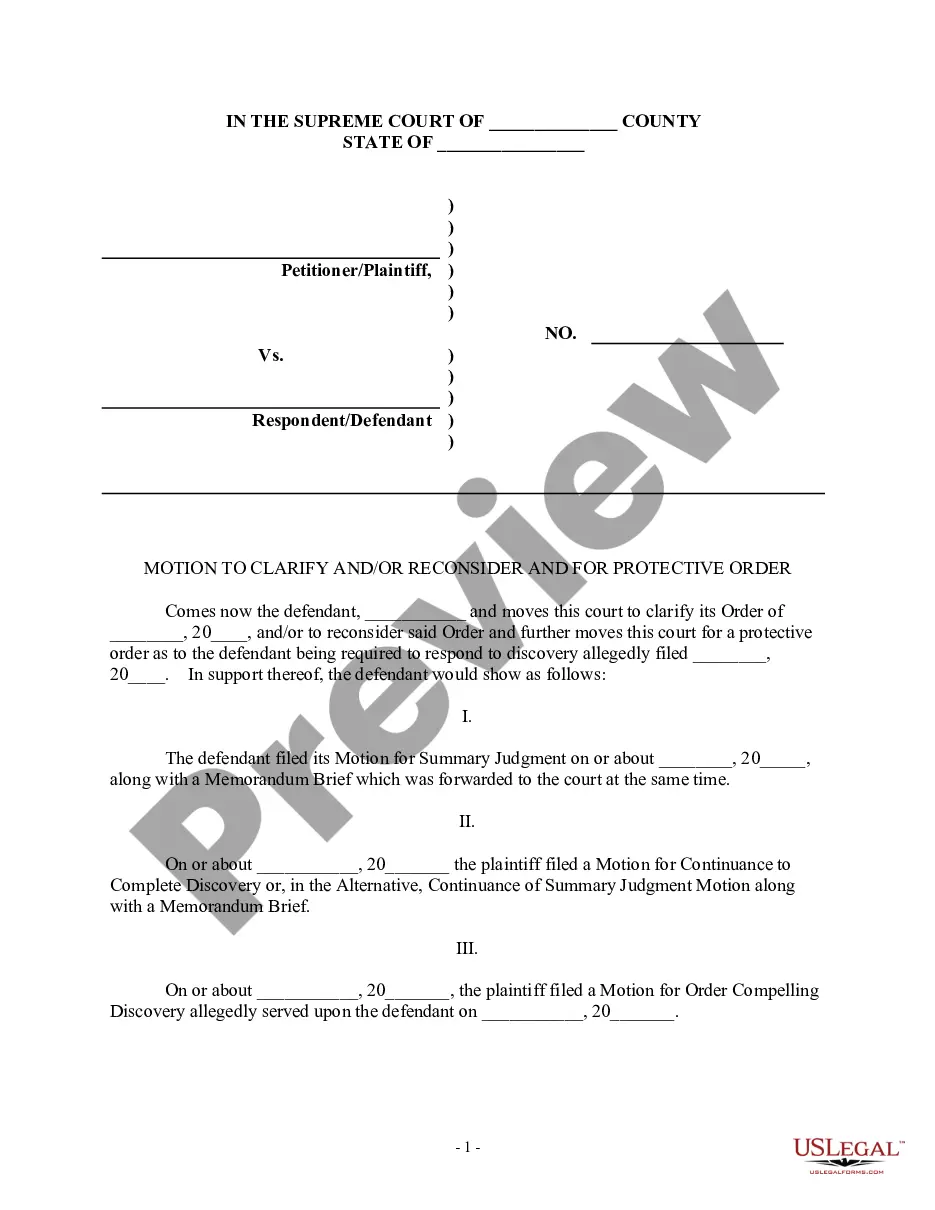
A Motion for Protective Order is a request made to the court to protect someone from being forced to provide certain information or documents in a legal matter. Basically, it aims to shield you from unnecessary hassle.