Yes, you can request changes if your situation changes. Just remember, it’s like asking to swap chairs in a musical chairs game; you'll need to discuss it first.
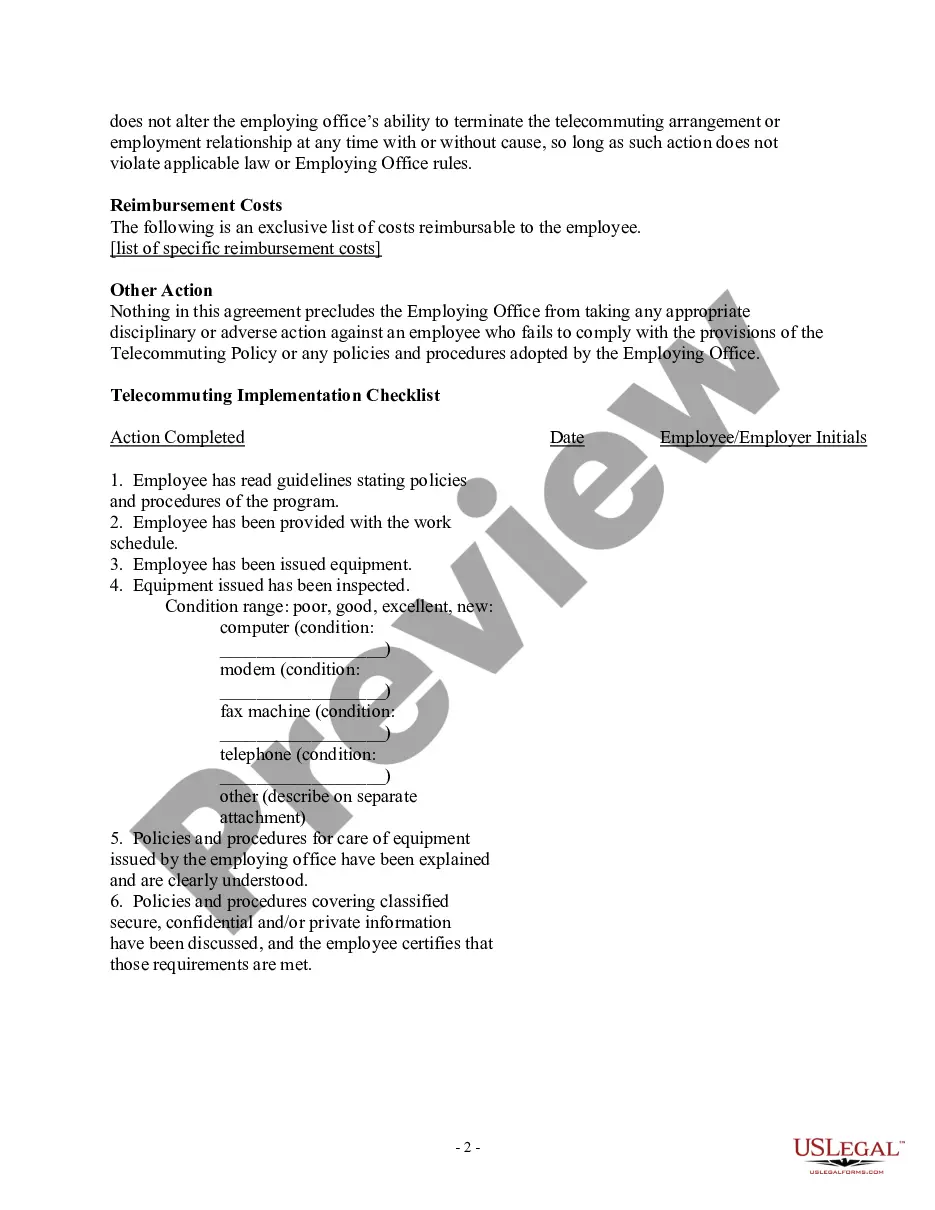
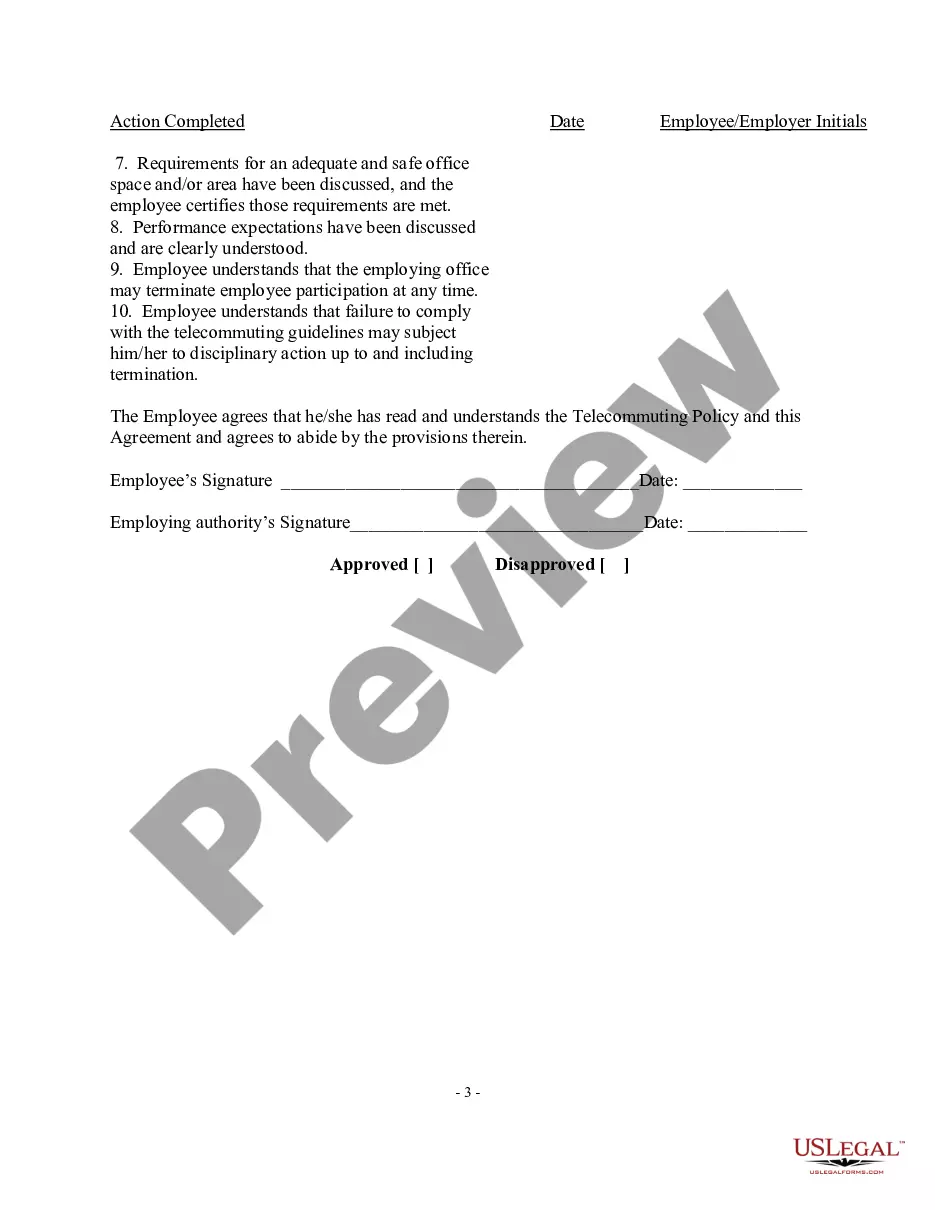
If you don’t follow the agreement, you might face consequences like losing your remote work privileges. Think of it as breaking a promise; trust can be hard to rebuild.
Yes, employers can deny a request if they feel it won't work for your role or the team. It's like trying to fit a square peg into a round hole; sometimes, it just doesn't fit.
Approval times can vary, but it often takes a couple of weeks. It's like waiting for your favorite dish to cook; good things take time.
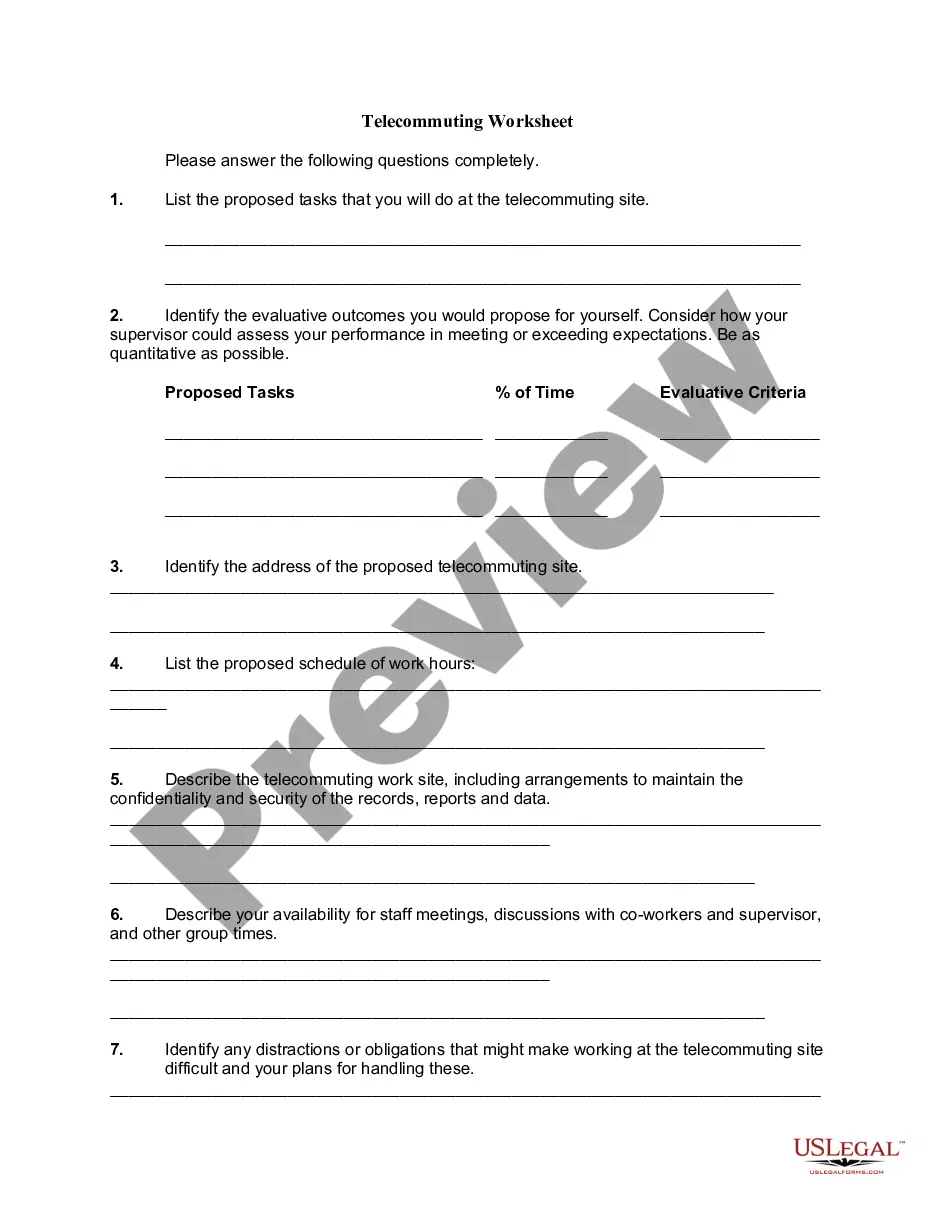
In your telecommuting request, you should include your reasons for wanting to work from home, how you plan to stay productive, and any tools you might need. Think of it as crafting a good pitch to sell your idea.
Generally, employees who have job roles that allow them to work remotely can apply. It's like having a license to drive; only those with the right qualifications can hit the road.
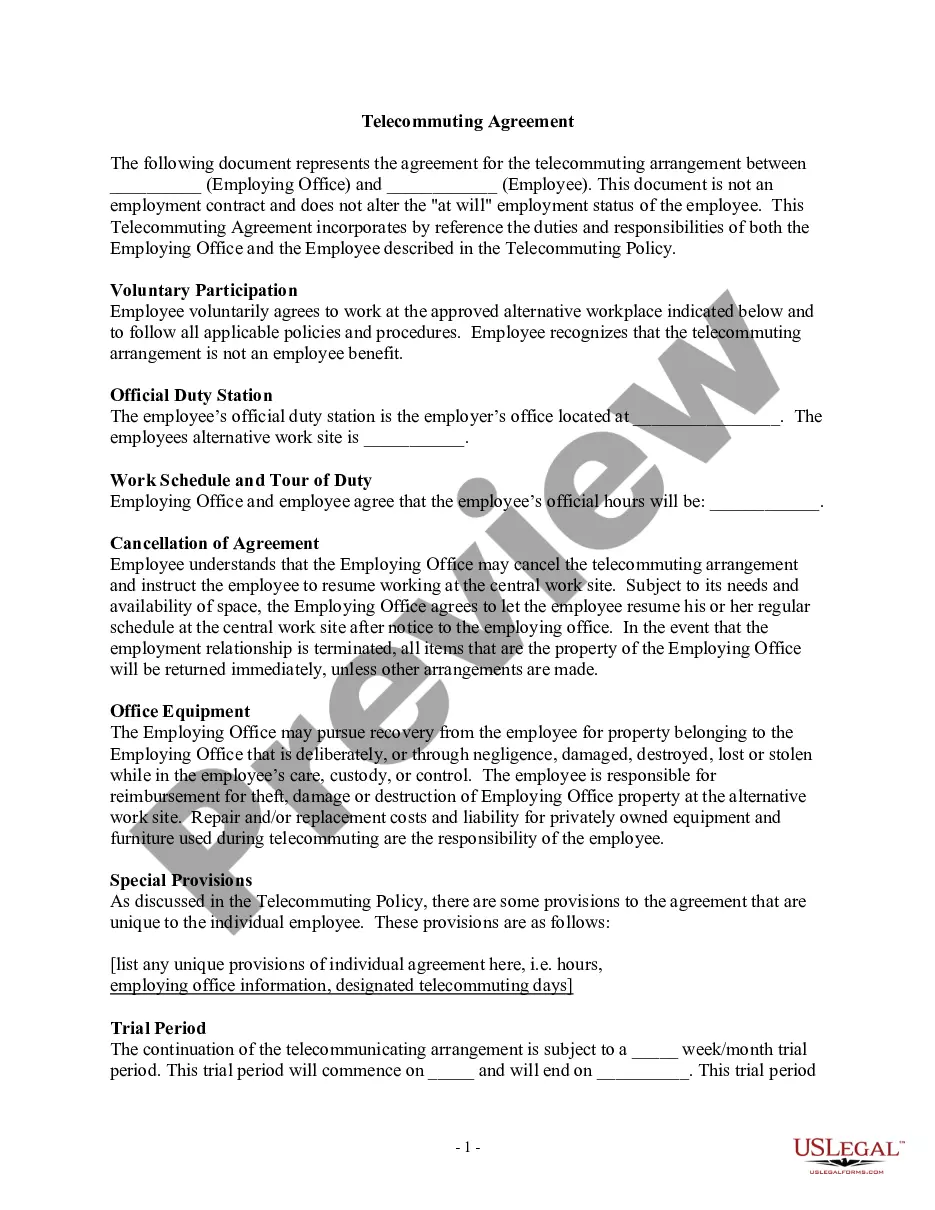
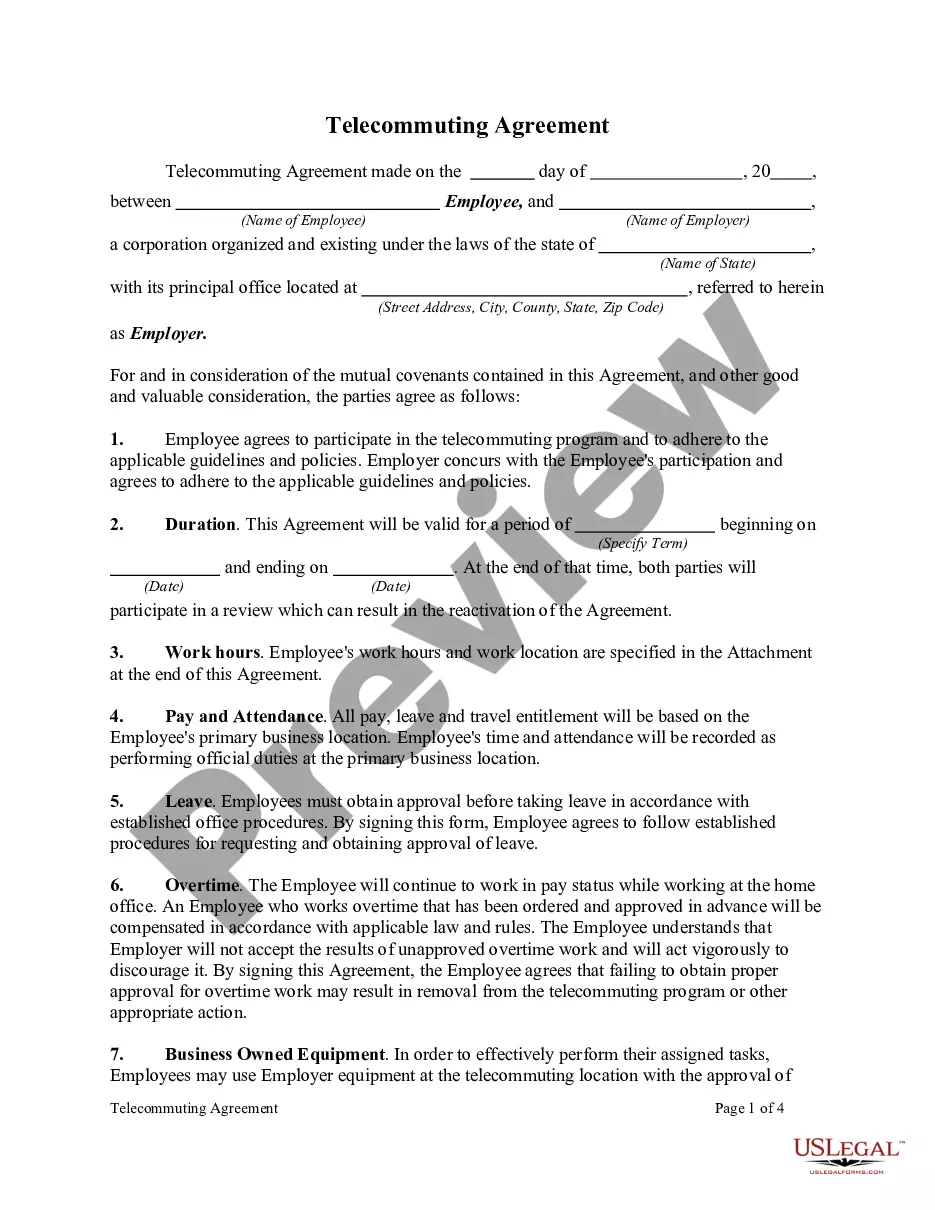
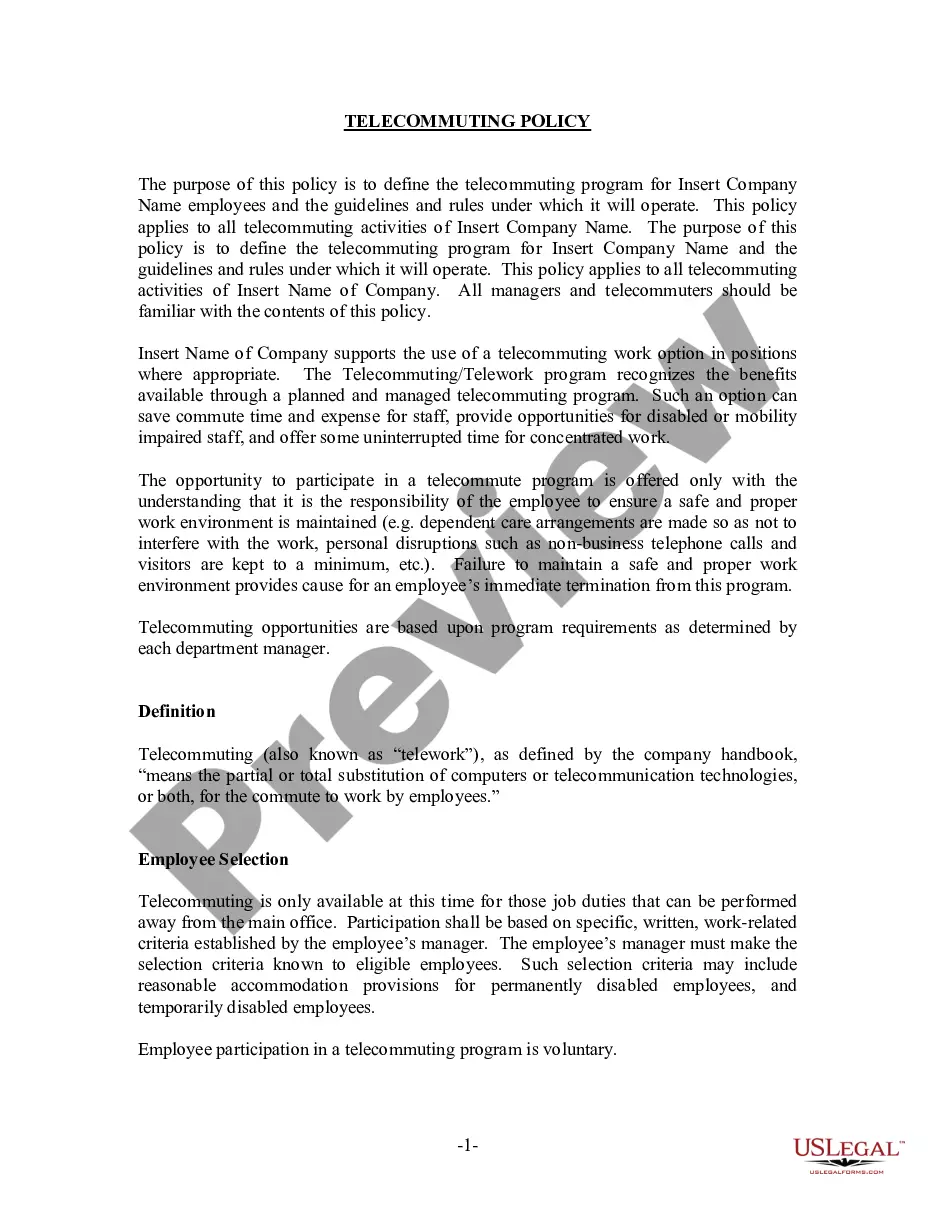
A telecommuting agreement is a formal document that outlines the terms and conditions for working from home. It's like setting the ground rules for a game, so everyone knows what to expect.
Trusted and secure by over 3 million people of the world’s leading companies