If a Change Order isn’t documented, it's like trying to catch smoke with your bare hands—very tricky! Without it, misunderstandings can pop up, causing issues down the road.
Yes, it can! A Change Order can alter the original contract terms if it involves changes to scope, costs, or timelines. Just keep in mind, it’s essential to get everything documented.
Absolutely! Everyone involved, like you and your contractor, needs to agree on a Change Order. It’s key to making sure all parties are aligned and satisfied.
A Change Order can either speed things up or slow them down. If you're adding a lot of new work, it might push back the timeline a bit, but sometimes changes can lead to quicker completions too.
Typically, the project manager or the contractor will whip up a Change Order. But it's a good idea for everyone to be on the same page, so make sure to communicate with the team!
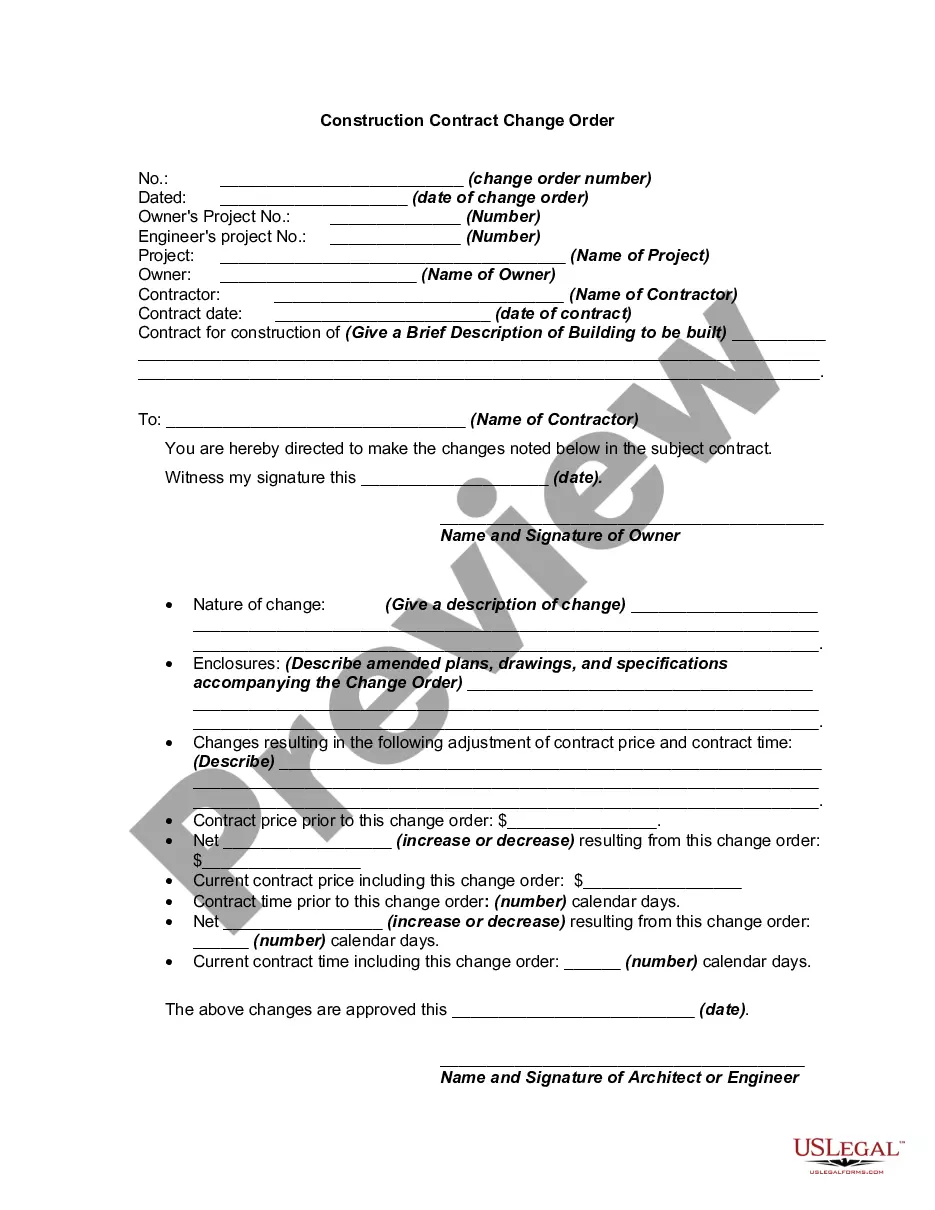
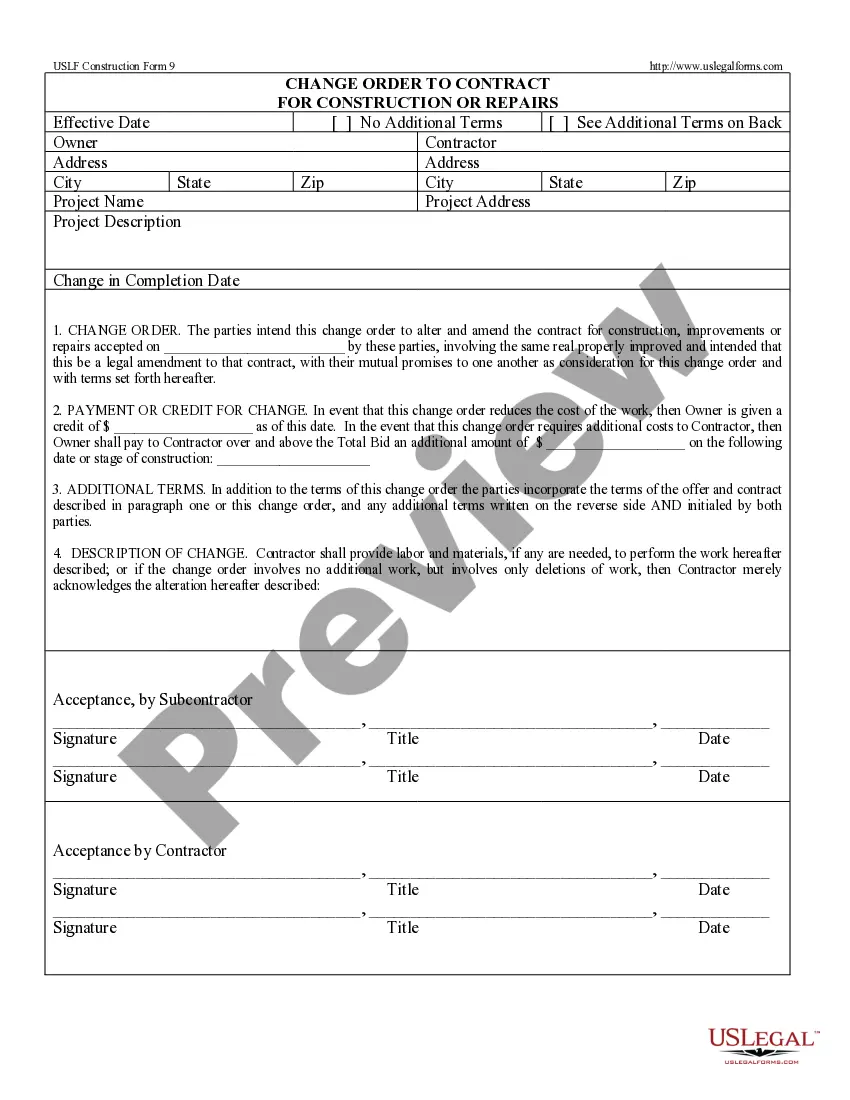
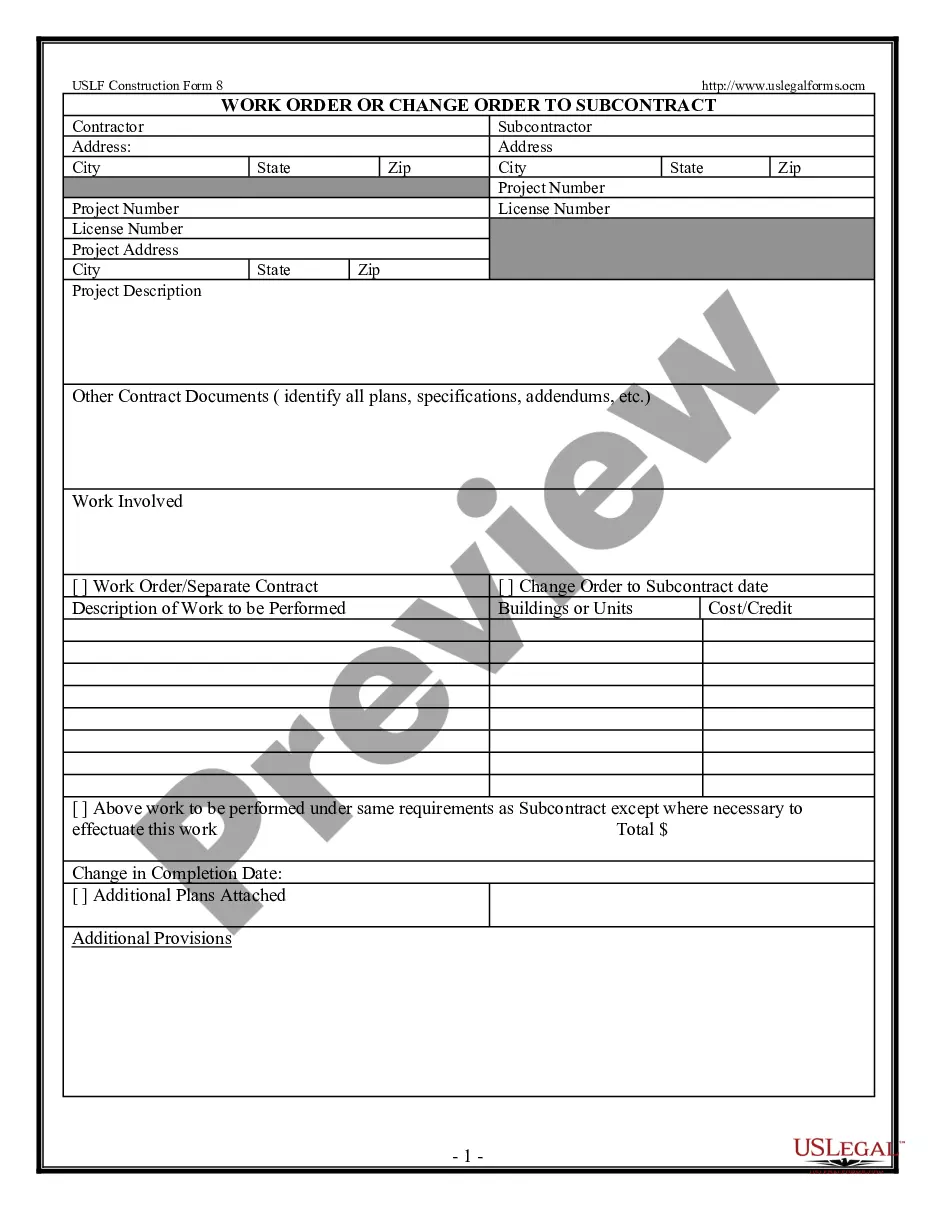
You'll want to create a Change Order whenever something shifts in your project, like when you decide to add new features or change the materials you're using. It's all about keeping the project on track.
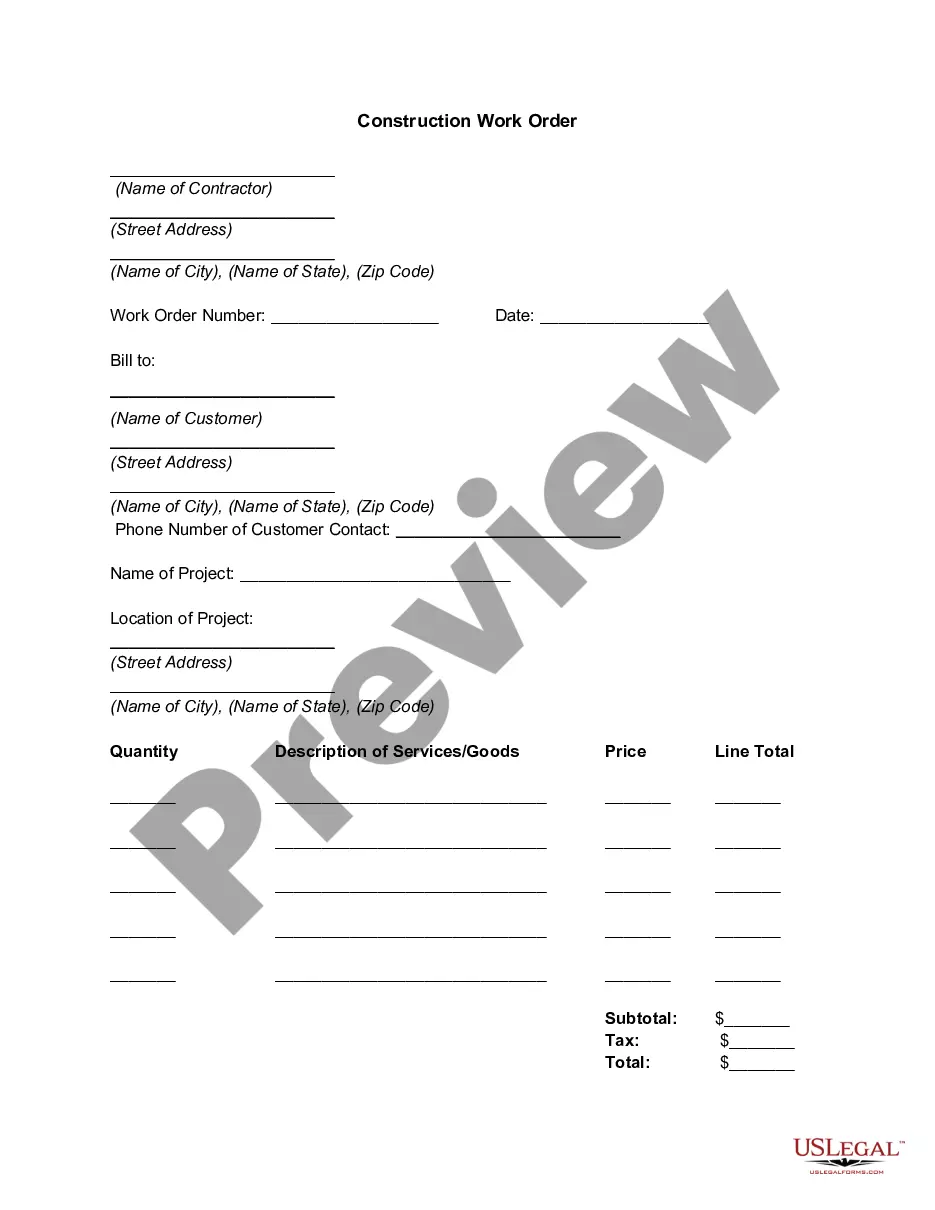
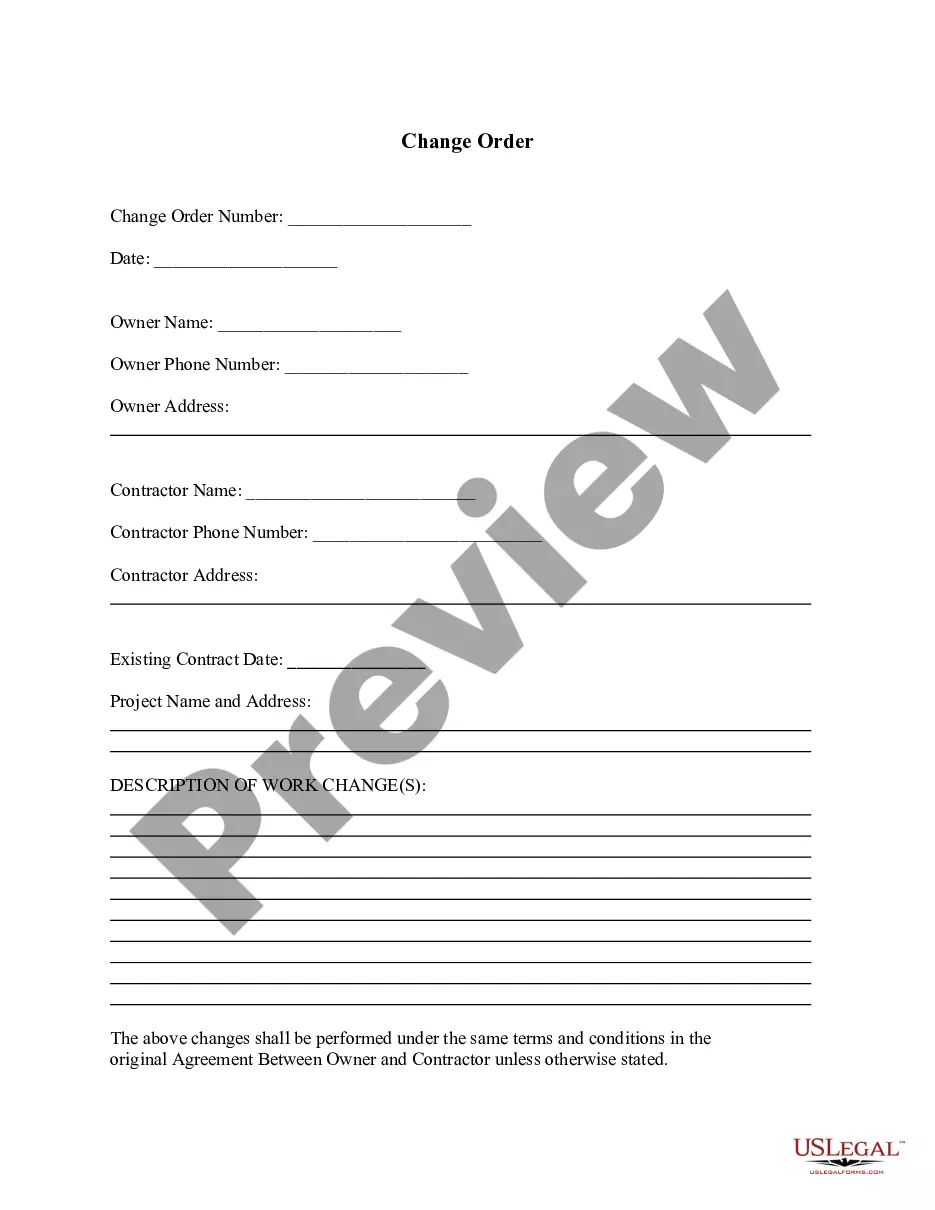
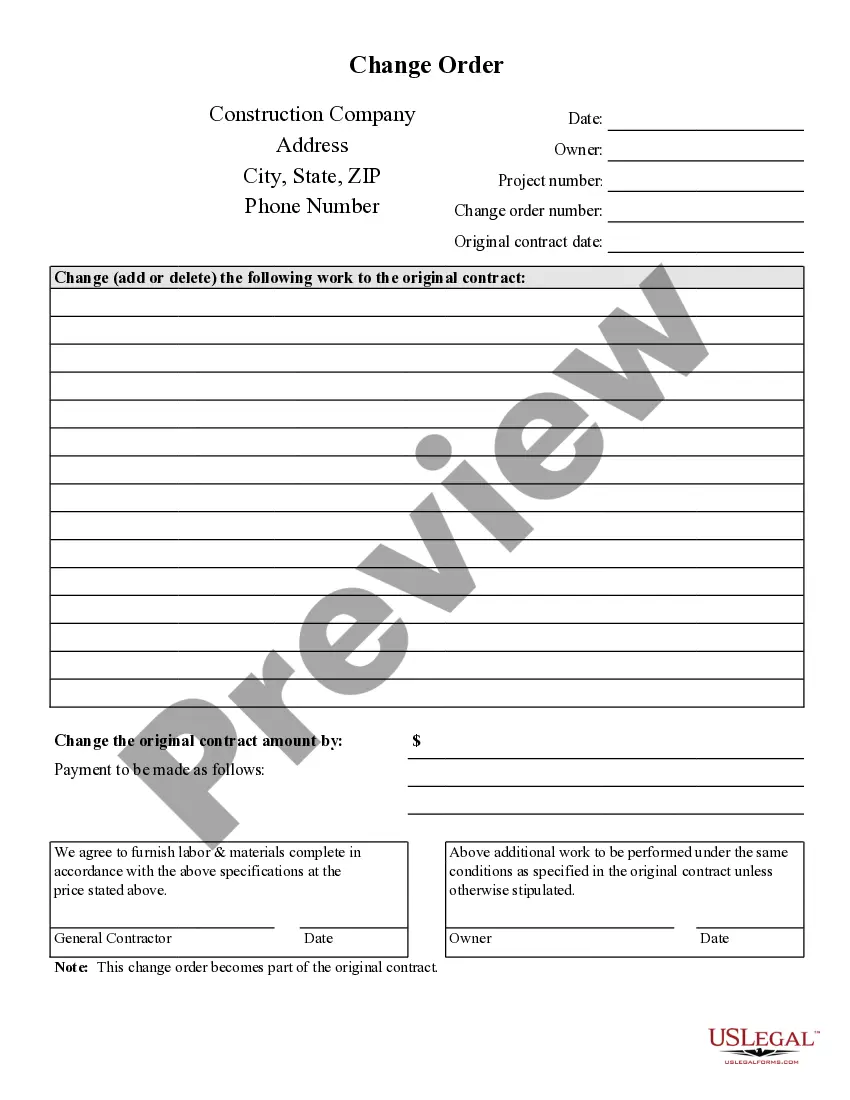
A Change Order is like a formal note that tells everyone involved in a project that something has changed. It could be an addition or a subtraction of work, materials, or costs.
Trusted and secure by over 3 million people of the world’s leading companies