If a change order kicks up a fuss, it’s usually best to sit down and discuss the concerns. Having everything documented can help clear the air and lead to a fair resolution.
Typically, change orders need the nod from both the contractor and the client, ensuring everyone is on the same page before moving forward with new plans.
Change orders can throw a wrench in the works; they may slow things down while everyone agrees on the new direction. It’s best to discuss any changes with your team to understand the impact on timelines.
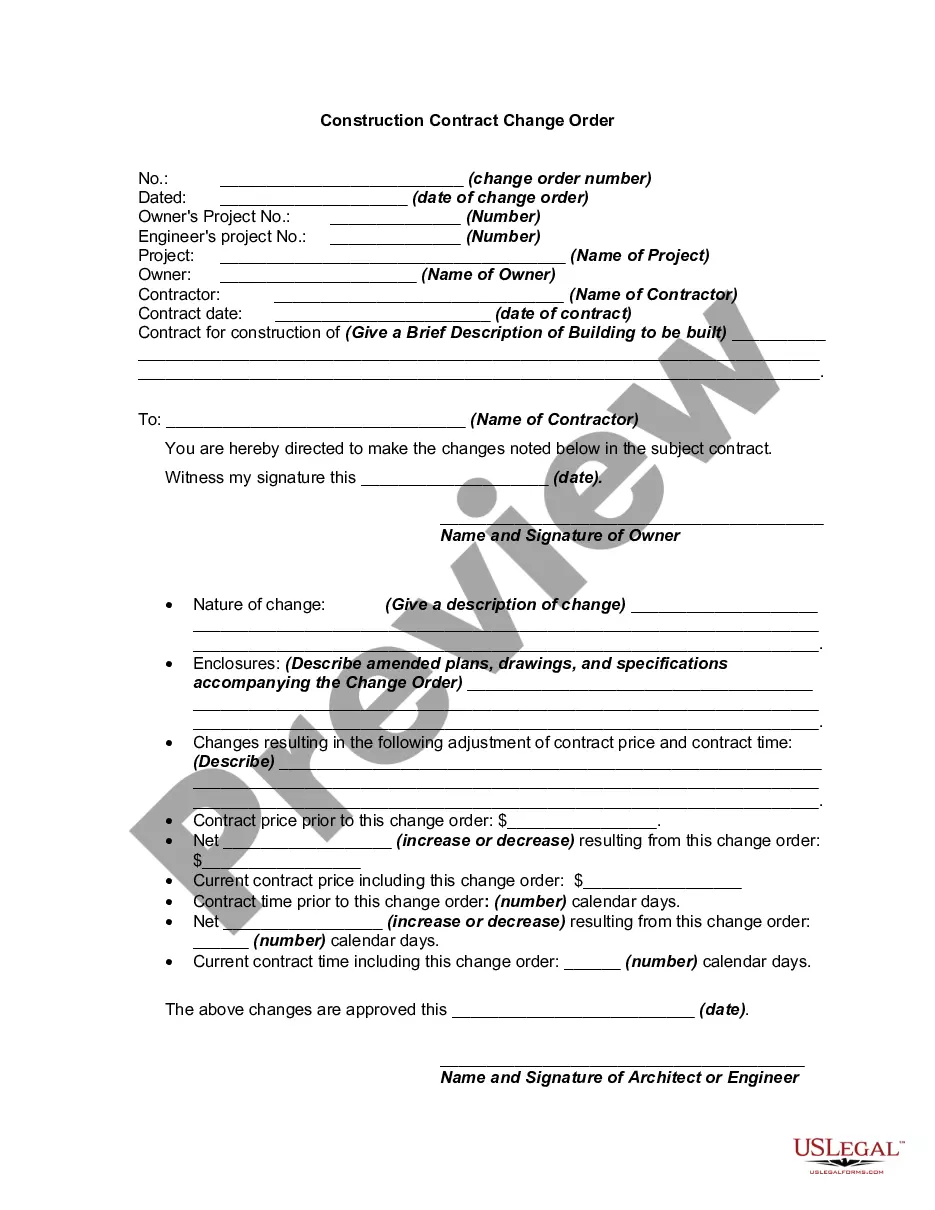
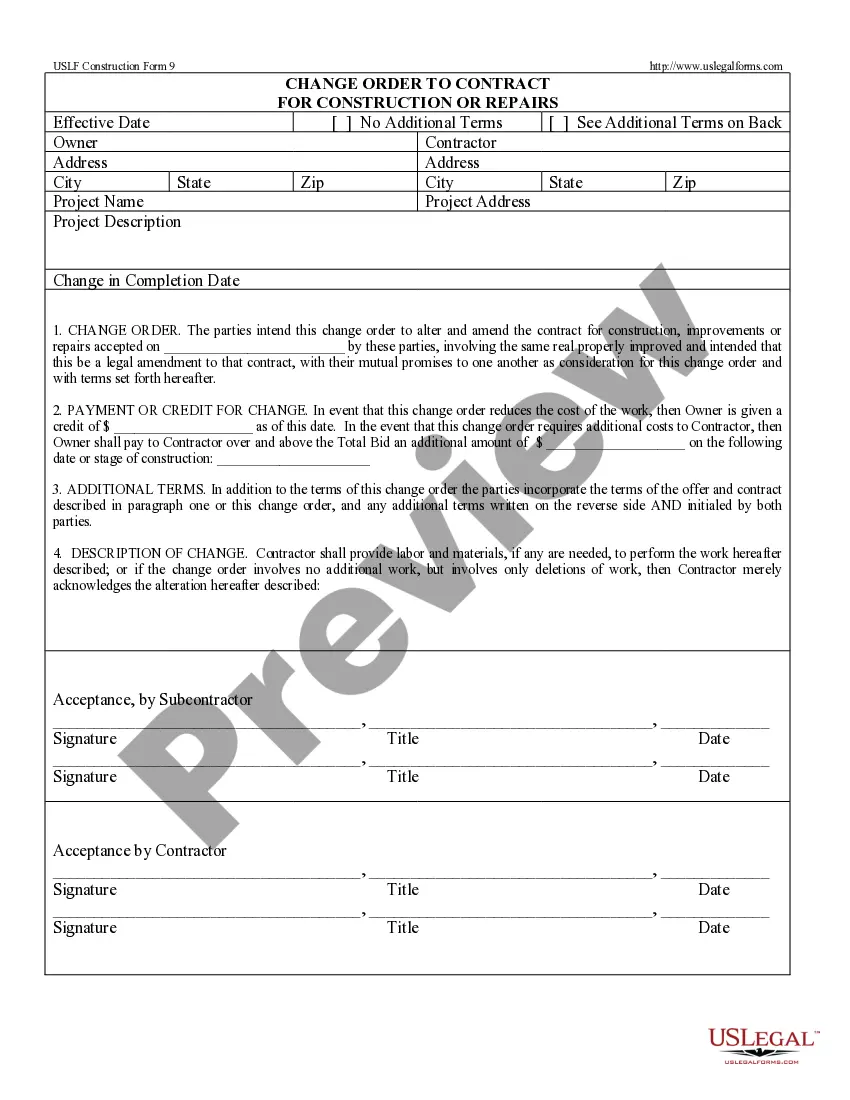
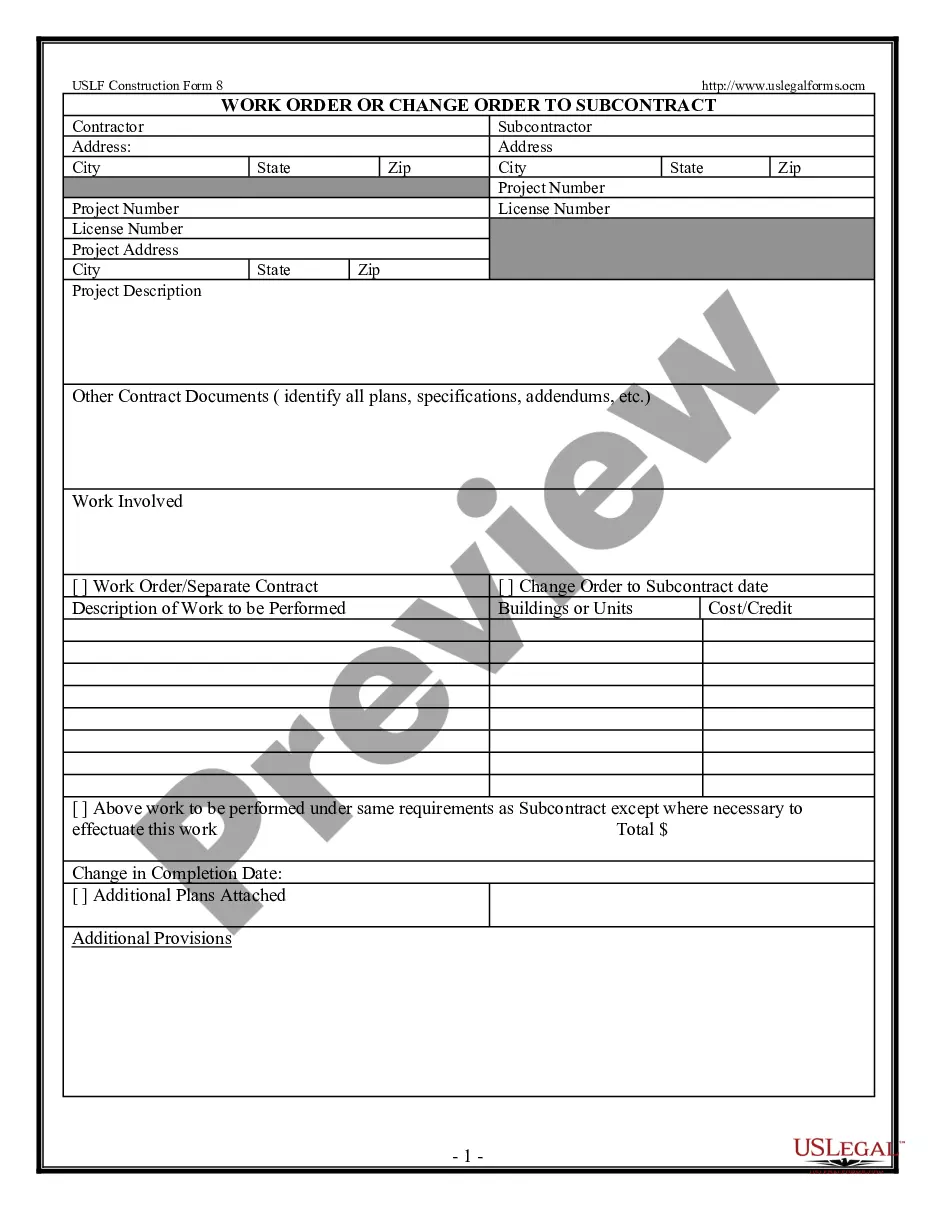
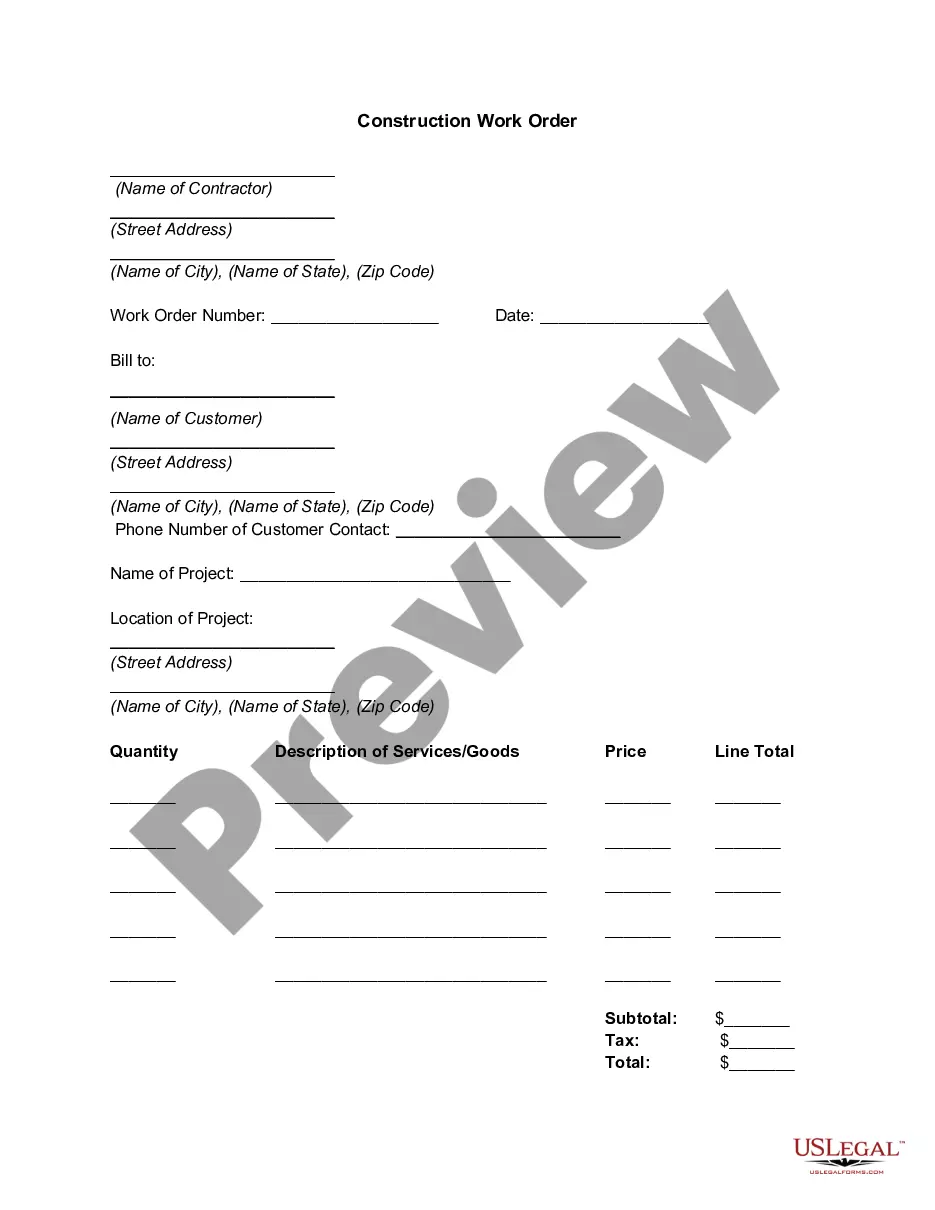
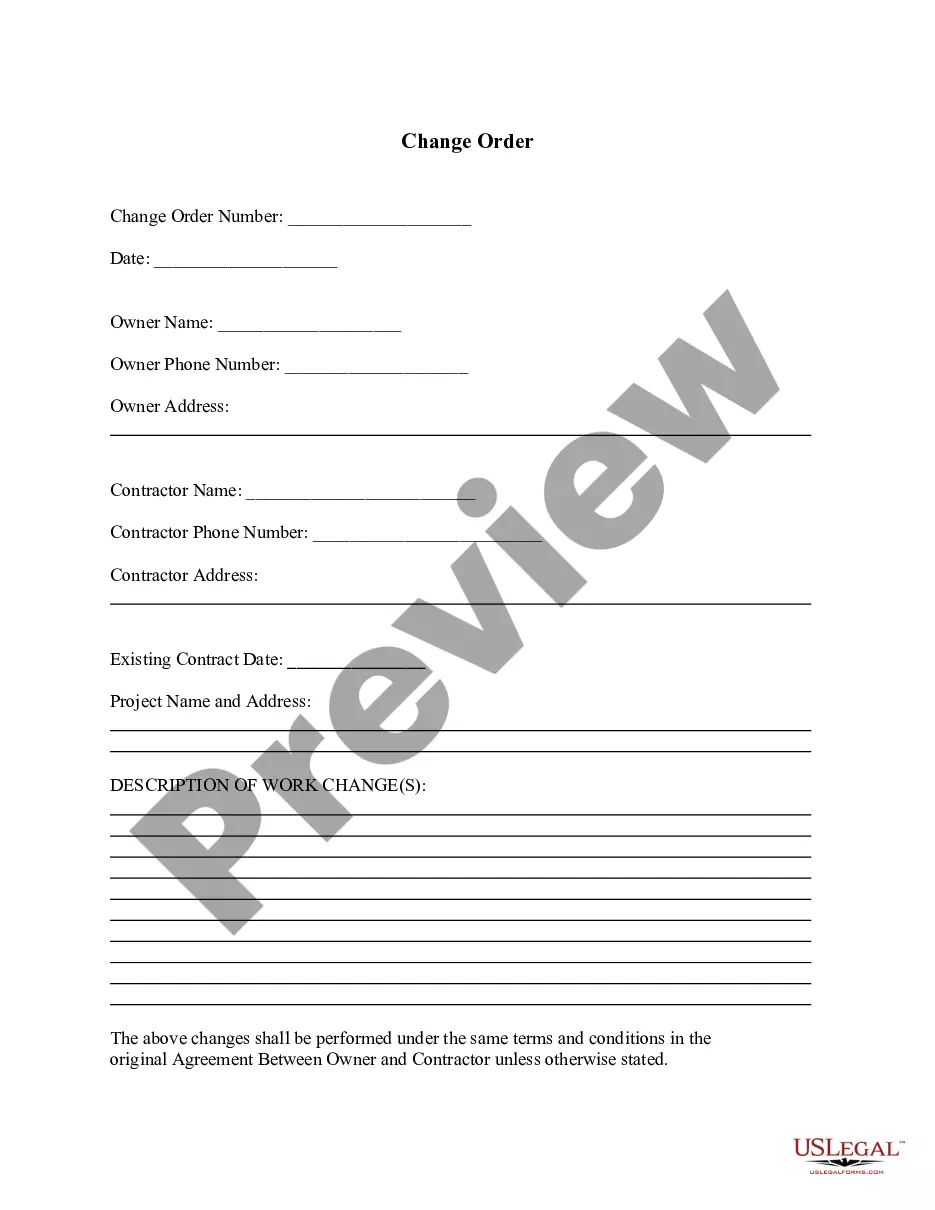
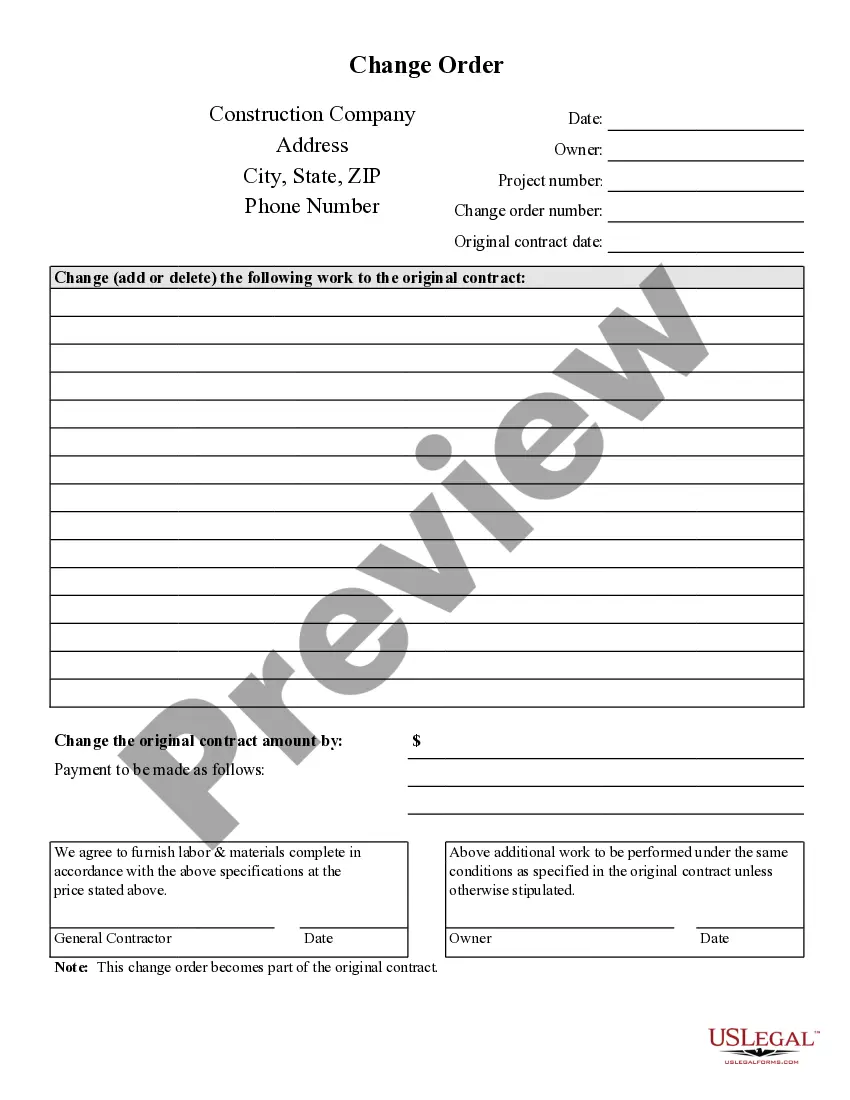
When crafting a change order request, think of it like a recipe: include the specifics of what needs to change, why it's necessary, and any related updates to timelines or materials.
To dodge change orders, it's best to have a solid plan in place before breaking ground. Clear communication and detailed blueprints can save you from surprises down the road.
Change orders can happen for a bunch of reasons, such as changes in building codes, weather surprises, or clients wanting to tweak the original design to better suit their needs.
A change order is like a detour in a road trip; it means the original plan has to be adjusted, usually due to new needs or unexpected issues that pop up during a project.