In Florida, you usually have four years from the date of the interference to file a lawsuit. It’s best to act sooner rather than later, as time can slip through your fingers.
You can claim actual damages that resulted from the interference, which might include lost profits or other financial losses—like putting a dent in your wallet when things go wrong.
Yes, if you can gather enough evidence to show that someone intentionally interfered and it caused you a loss, you may be able to take legal action.
Any legally binding contract, whether it's a business agreement or a personal pact, can be subject to interference. It's like stepping into someone else's garden and messing up their plants.
To prove this, you'll need to show that there was a valid contract, the other party knew about it, they interfered intentionally, and you suffered damages as a result.
If you can prove that someone intentionally caused a breach of your contract that resulted in damages, you might have a case. It's like they threw a wrench in your otherwise smooth operation.
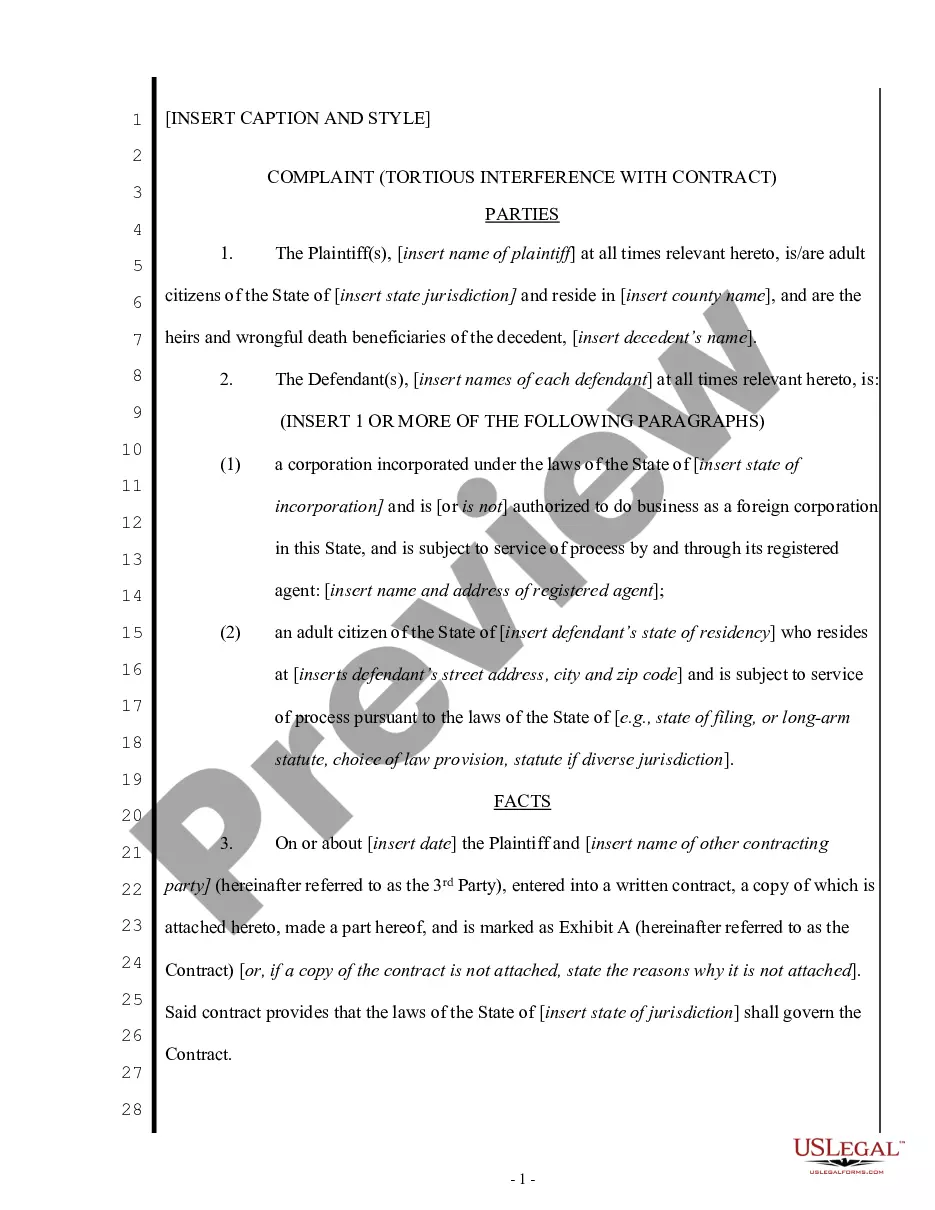
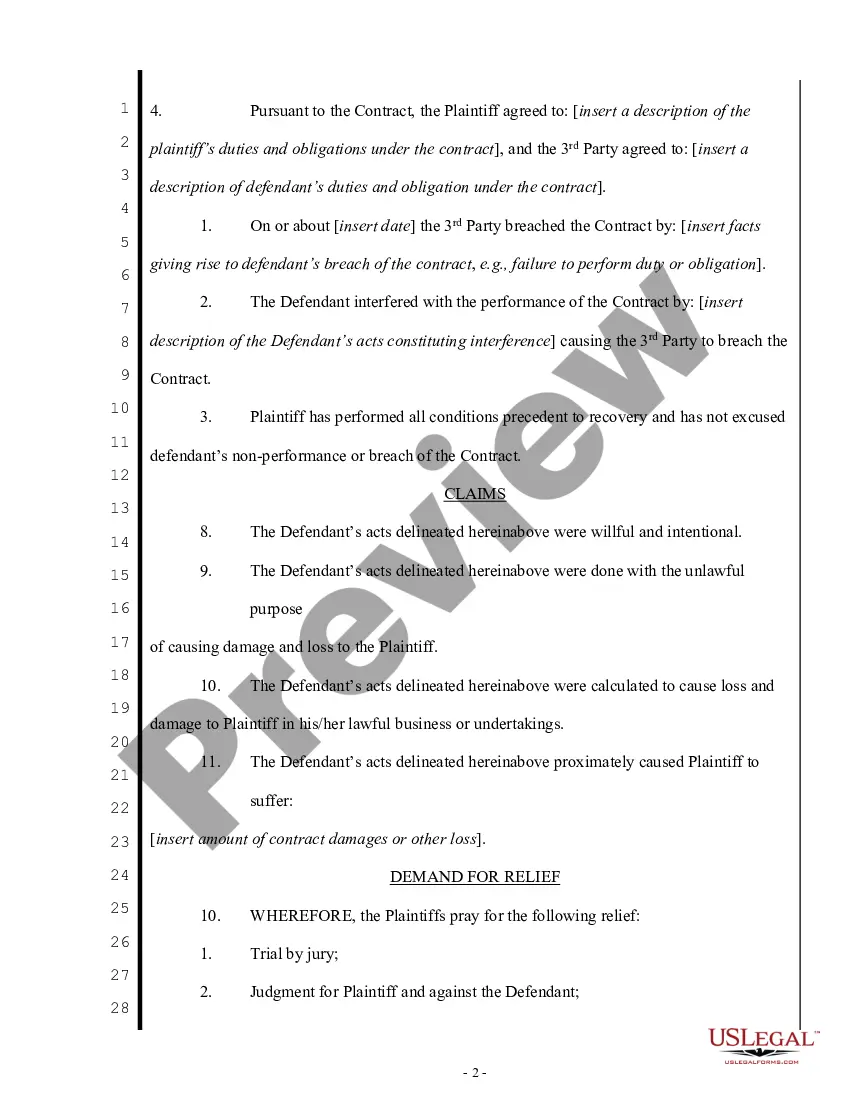
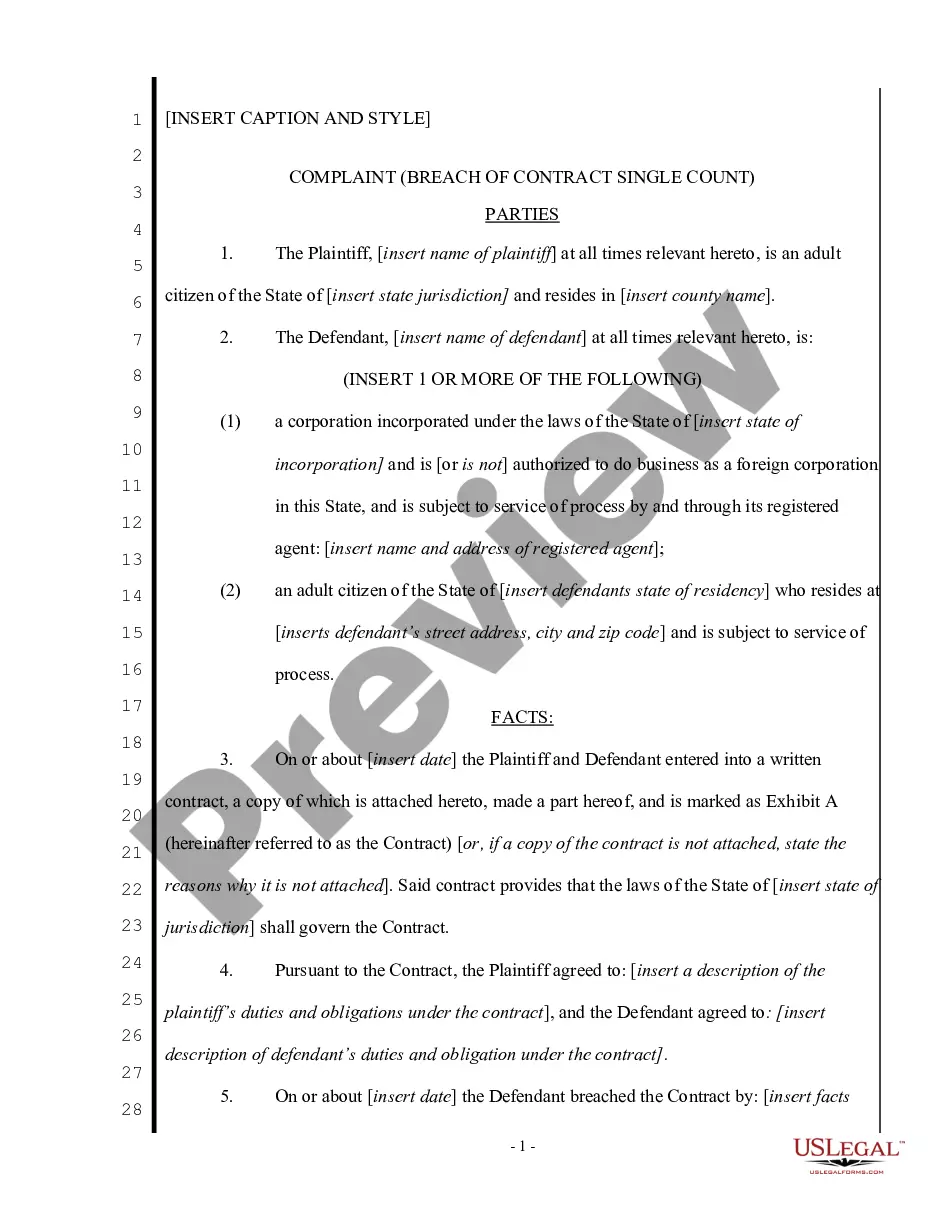
Intentional interference with a contract happens when someone knowingly disrupts a legally binding agreement between two parties.