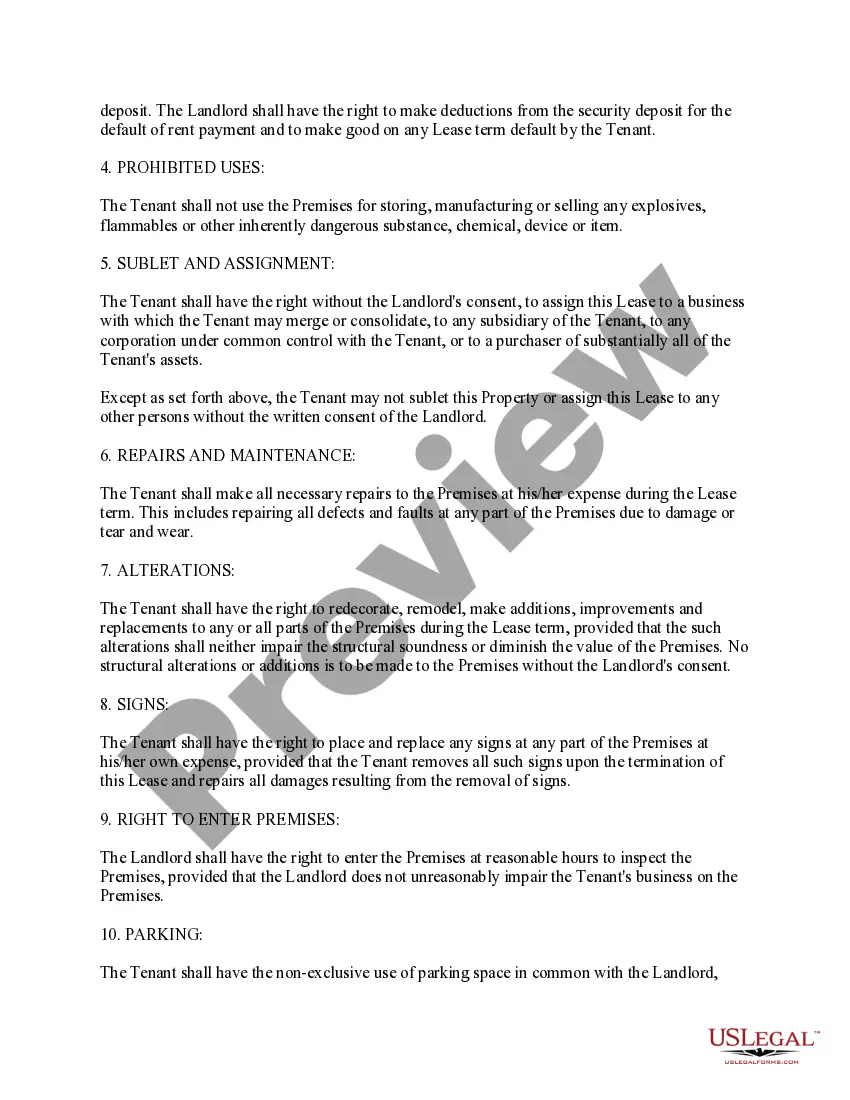
Subleasing can be allowed, but it really depends on what your lease says. Always check the terms and, if in doubt, have a chat with your landlord. Better safe than sorry!
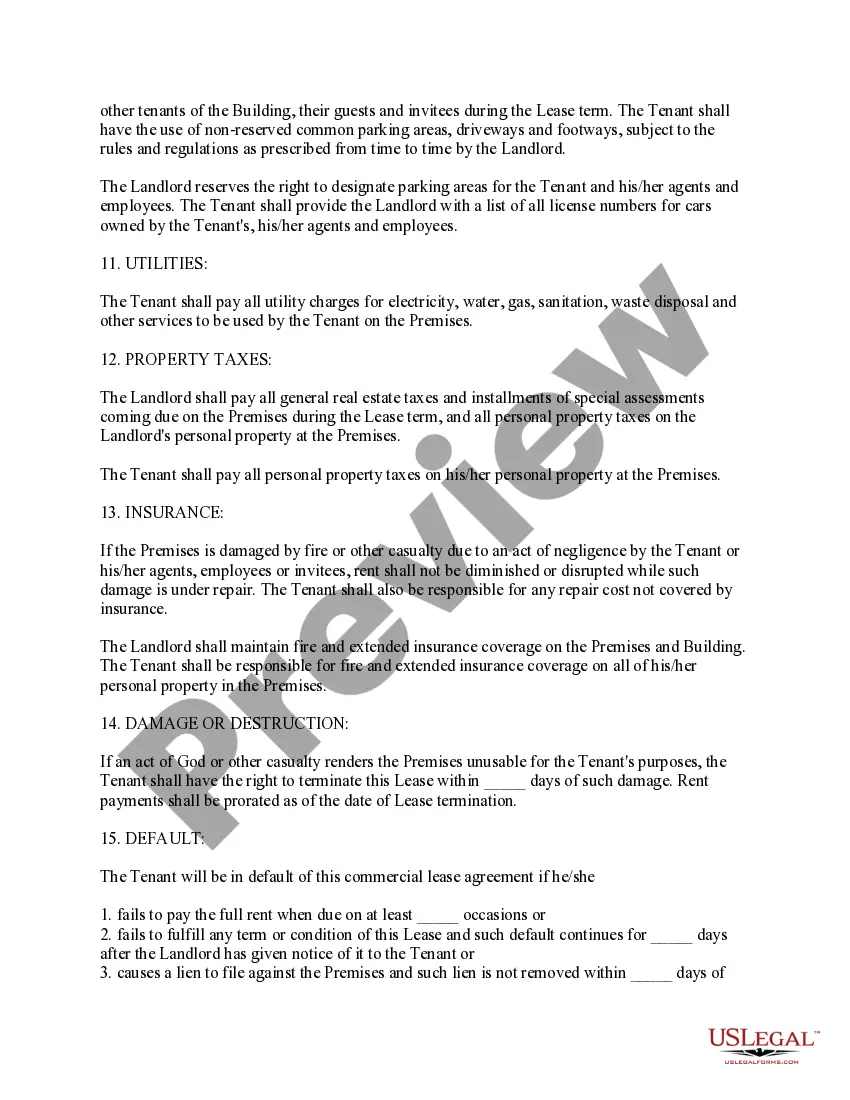
Generally, the lease should specify who handles repairs. Often, the landlord is responsible for major repairs, while tenants take care of minor issues. Just make sure to check the specifics!
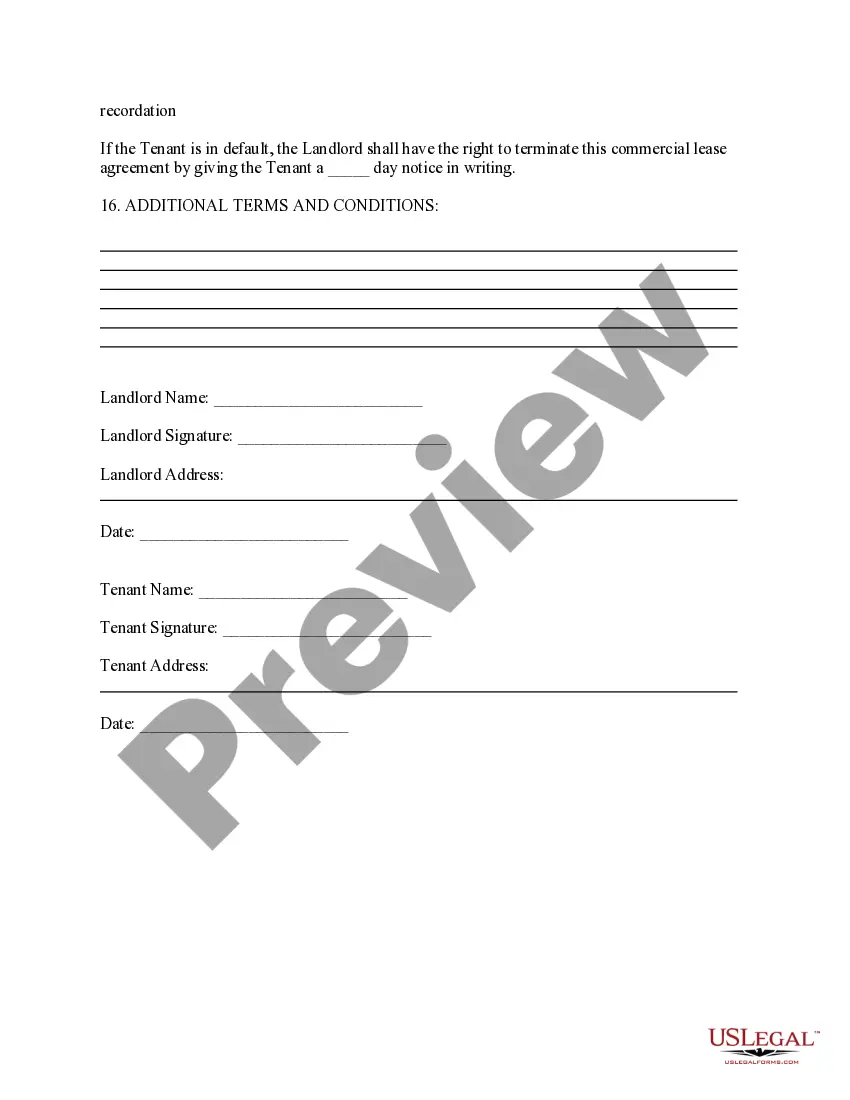
Breaking a lease early can be tricky. Usually, you’ll need to look for a clause in the lease that outlines the process, or it might mean negotiating with your landlord. It's best to tread carefully here!
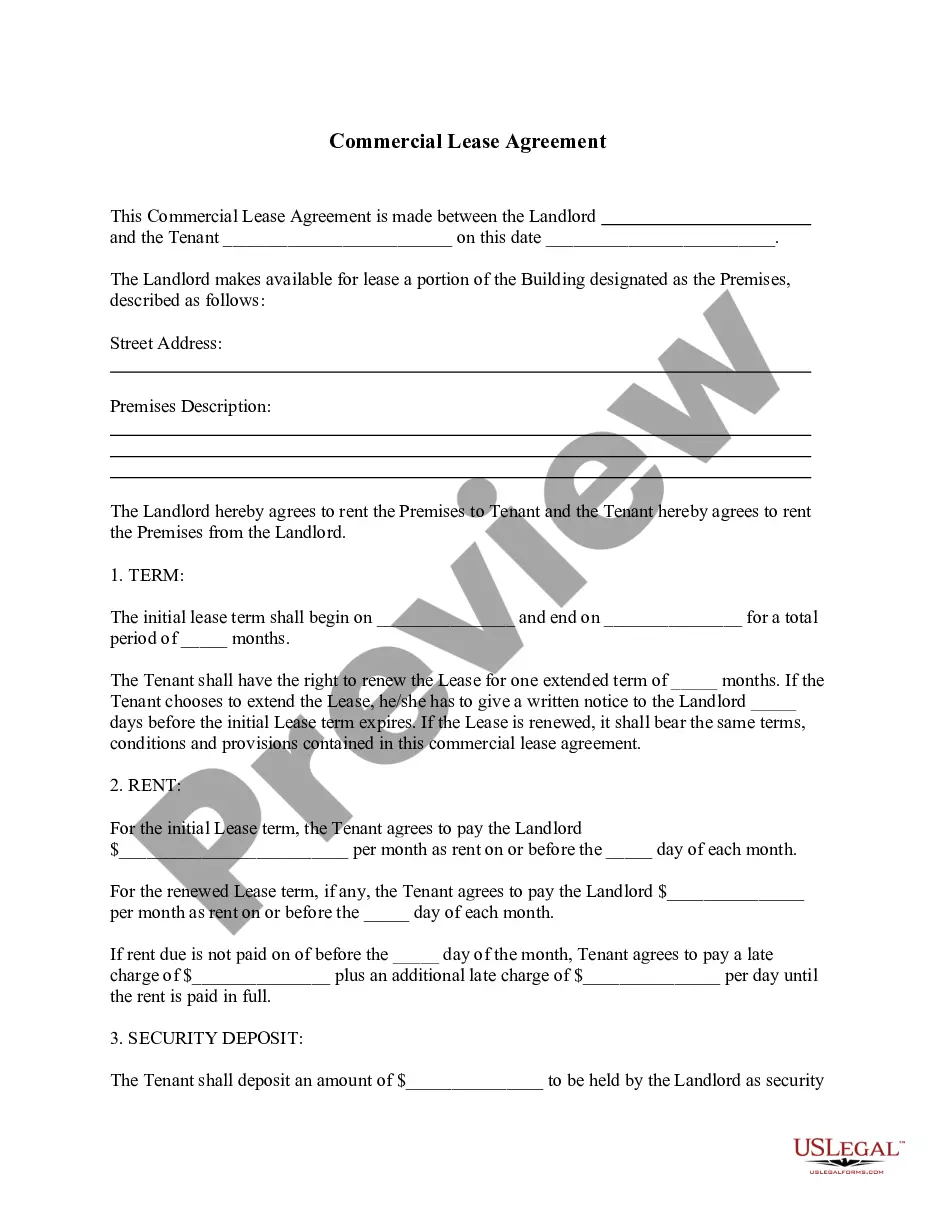
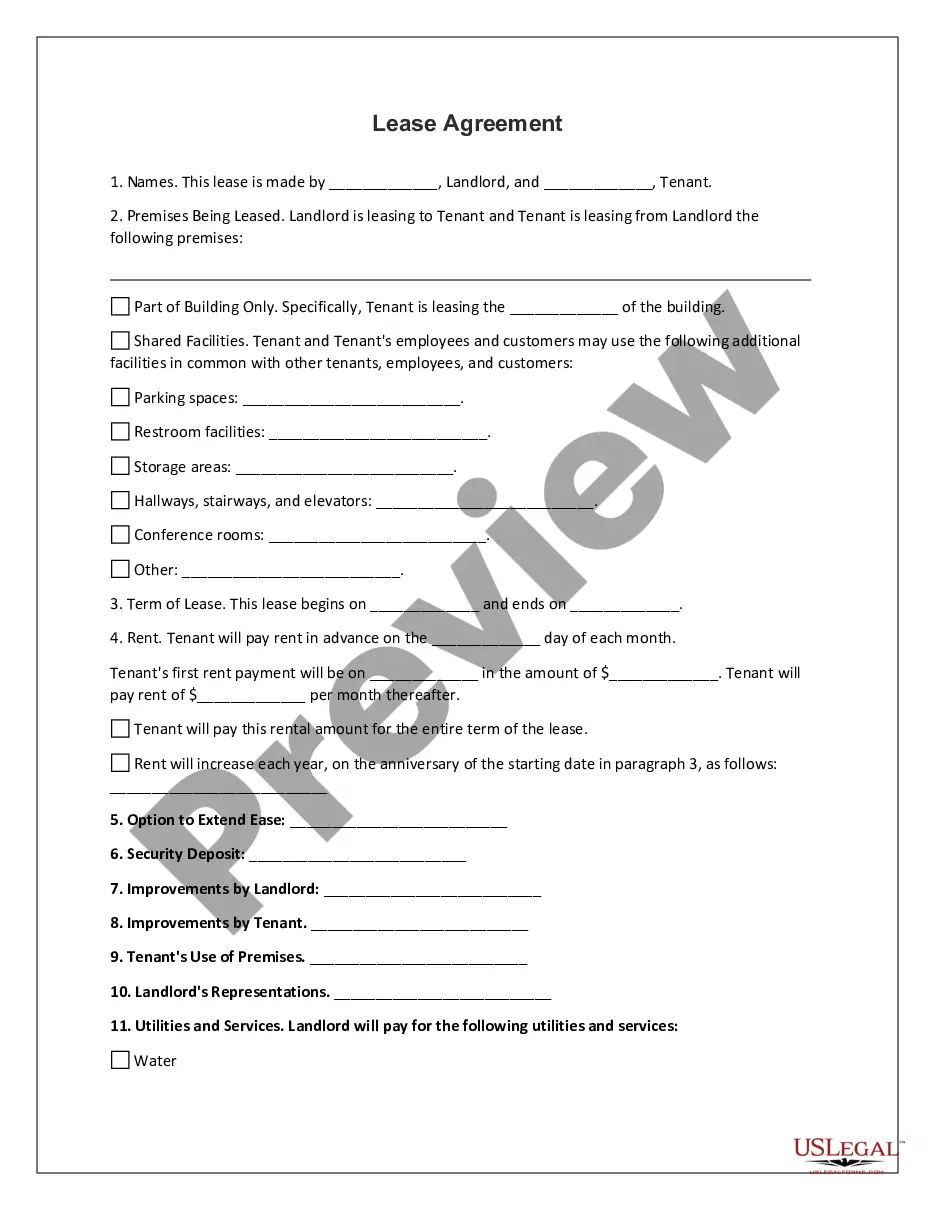
Keep an eye out for key details like the lease term, rent amount, maintenance responsibilities, and what happens if something goes awry. It's all about the fine print!
Commercial leases can vary quite a bit, but they often last from one year to five years. You might even find leases for ten years or longer, depending on the deal!
Many leases allow subleasing, but it usually requires the landlord's approval first, so check your agreement before you make any plans.
In a gross lease, the landlord covers most expenses, while in a net lease, the tenant pays some or all of the additional costs, like taxes or maintenance.
Trusted and secure by over 3 million people of the world’s leading companies