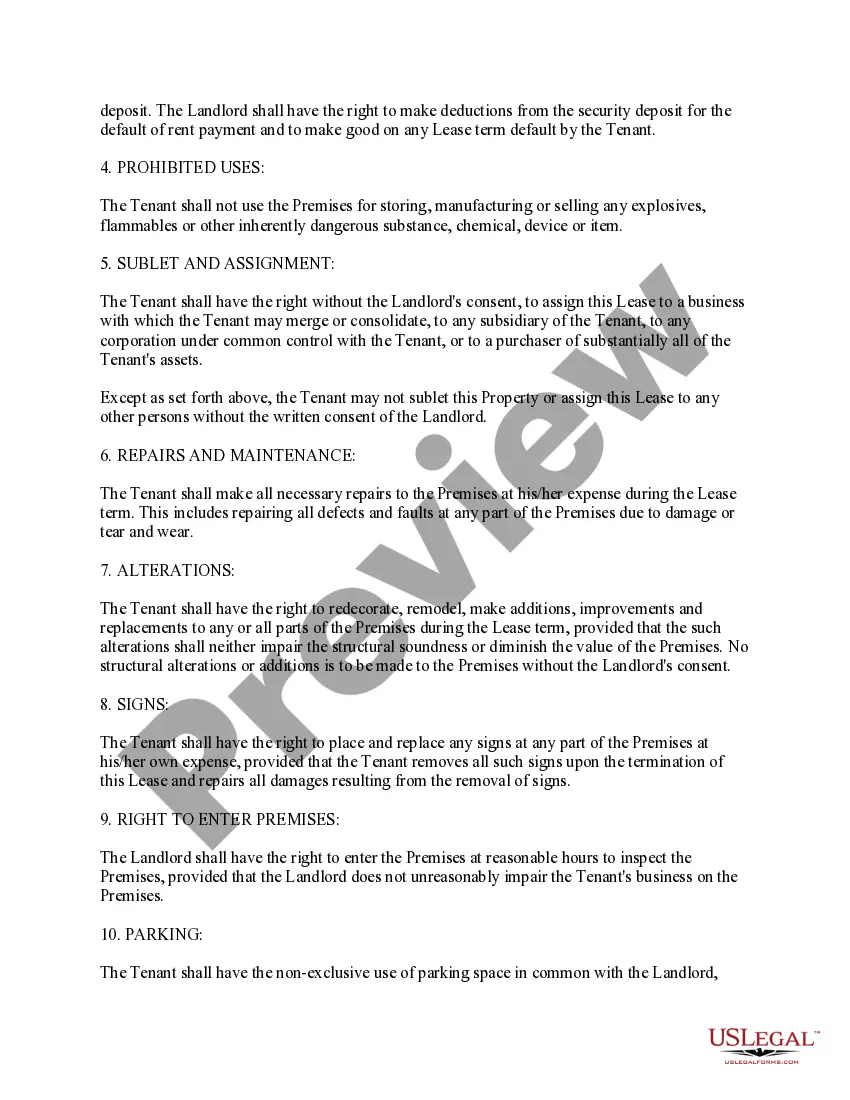
If you want to make changes, you'll likely need the landlord's approval first. It's like asking for permission before rearranging the furniture—better safe than sorry!
Absolutely, most leases include use restrictions. It’s important to read these thoroughly; you don't want any surprises that could cramp your style down the road.
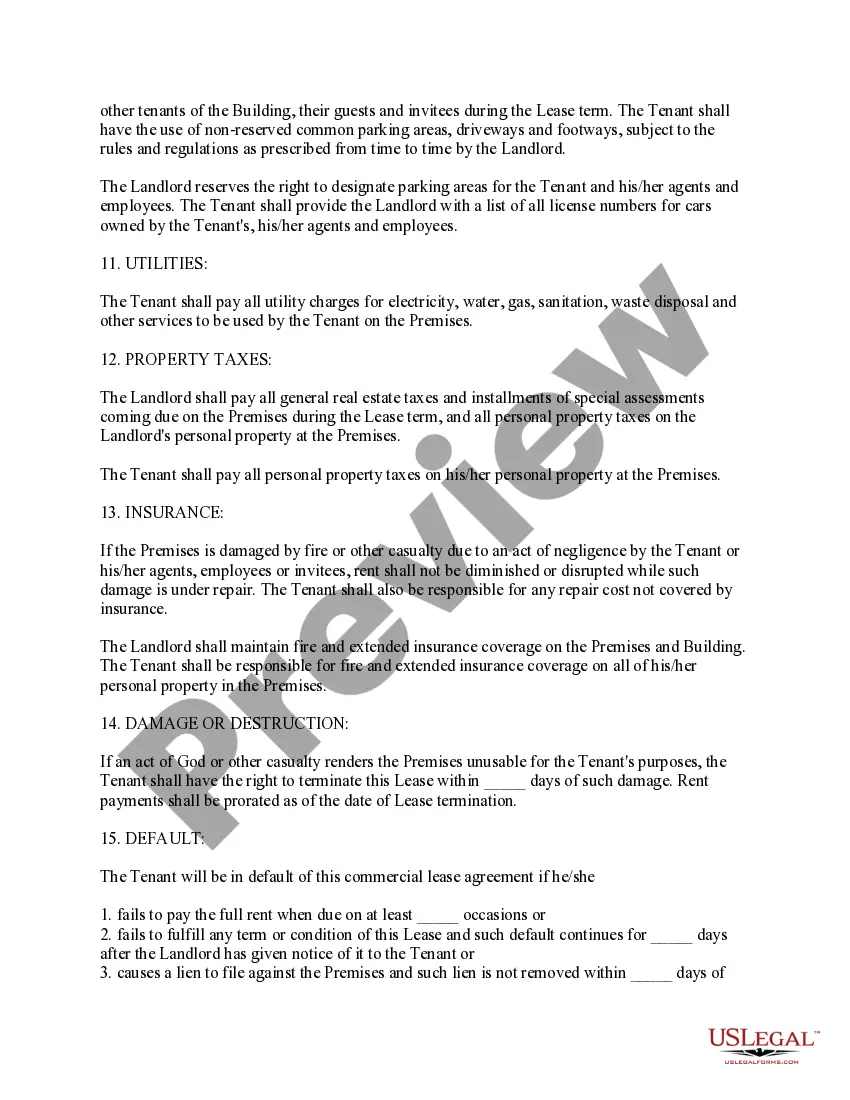
Typically, the lease will specify who takes care of repairs and maintenance—either the landlord, the tenant, or shared responsibility. Always check this to avoid any surprise bills!
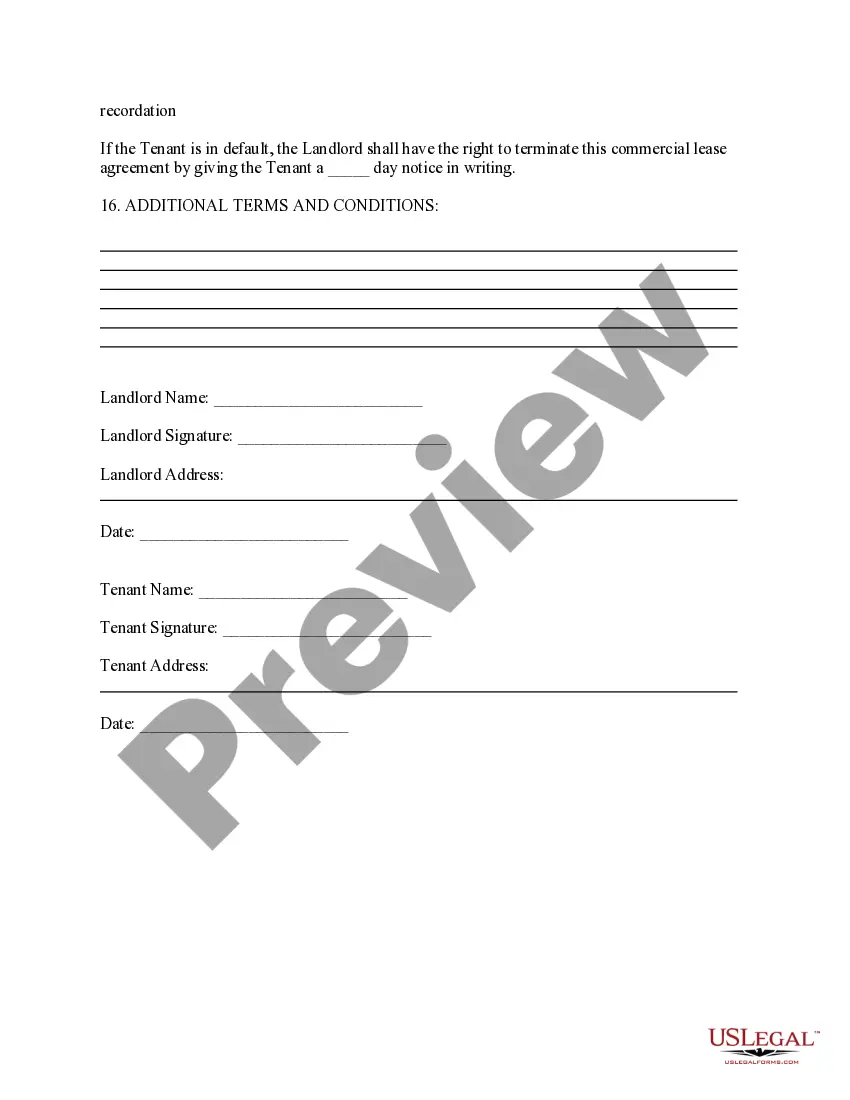
Yes, many leases have an early termination clause, but it often comes with conditions. Think of it like breaking up; there may be consequences.
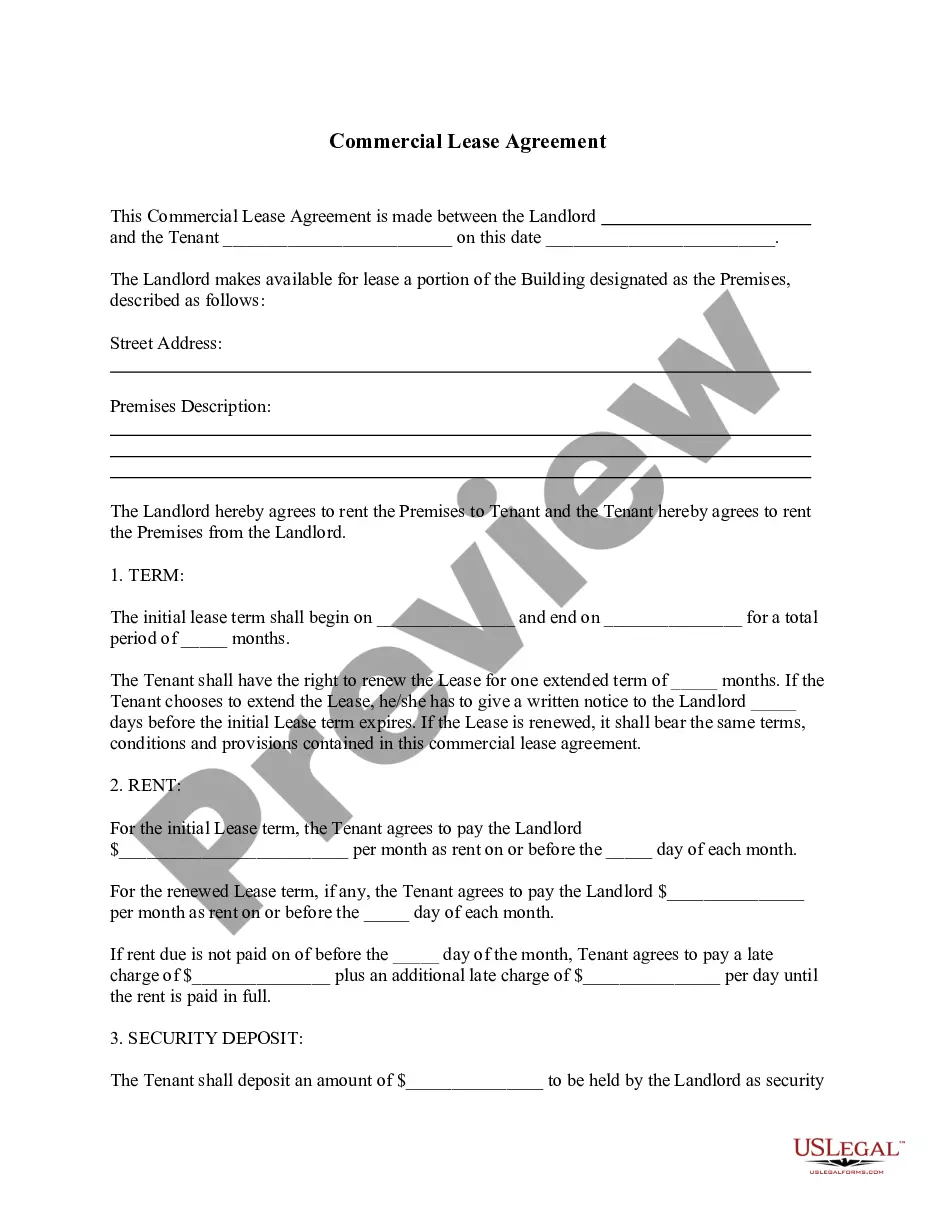
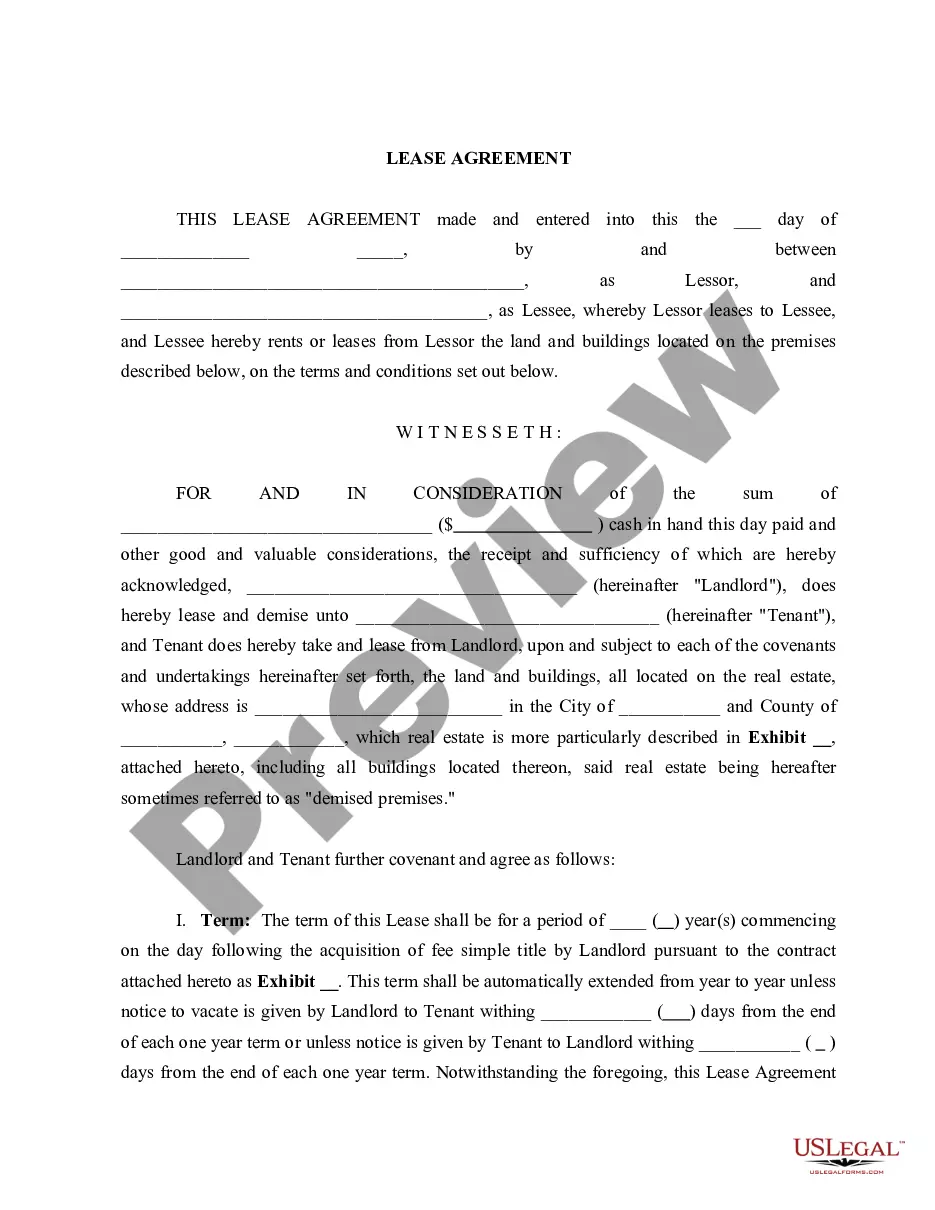
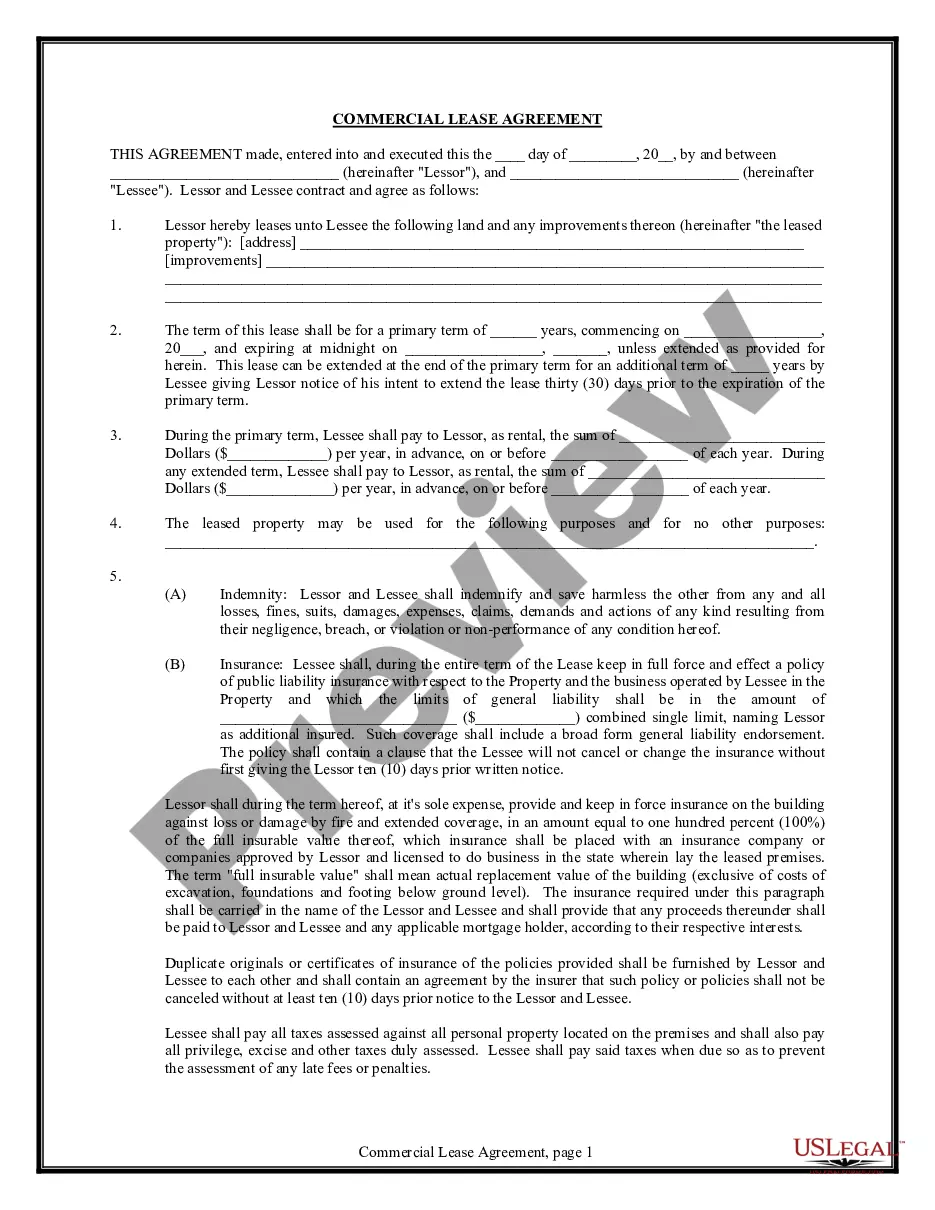
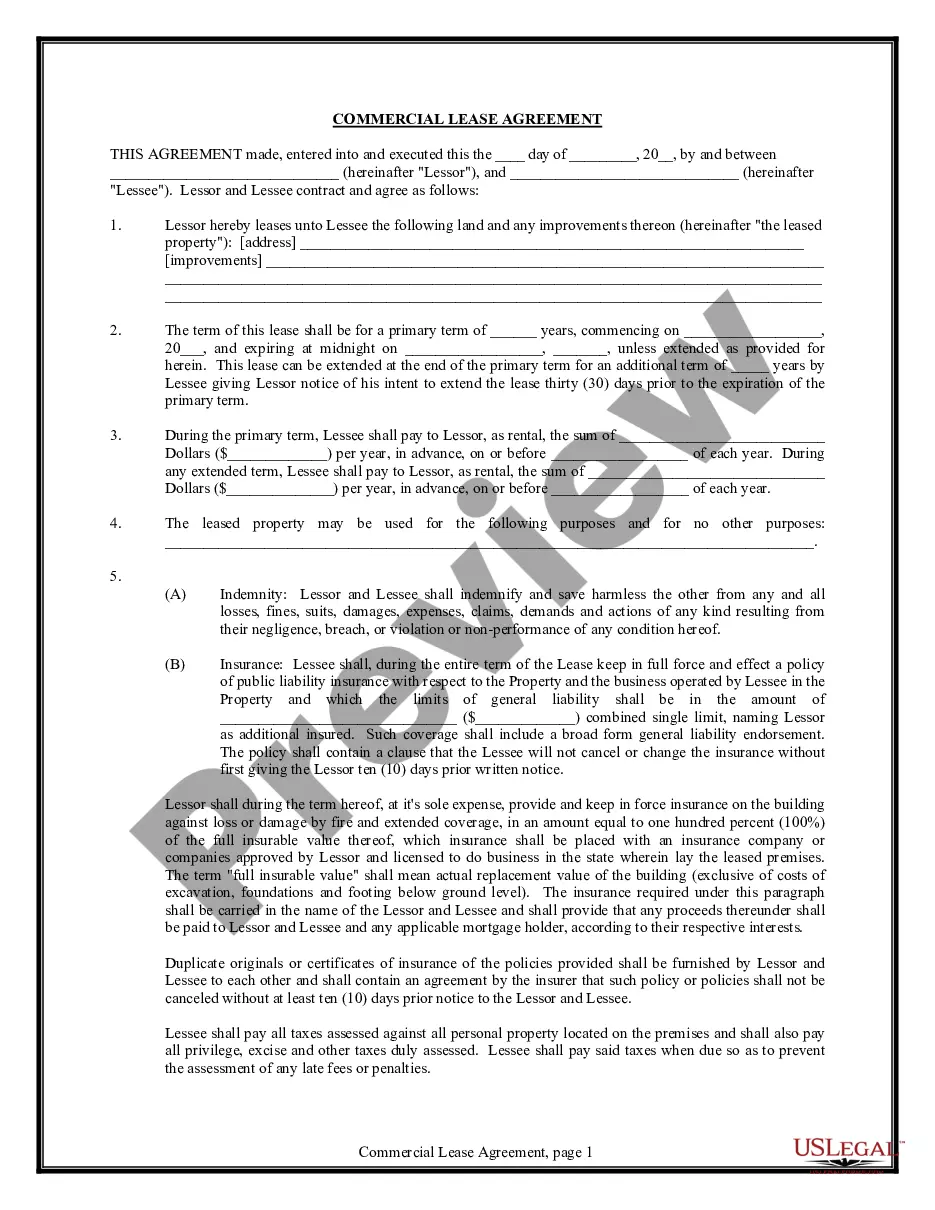
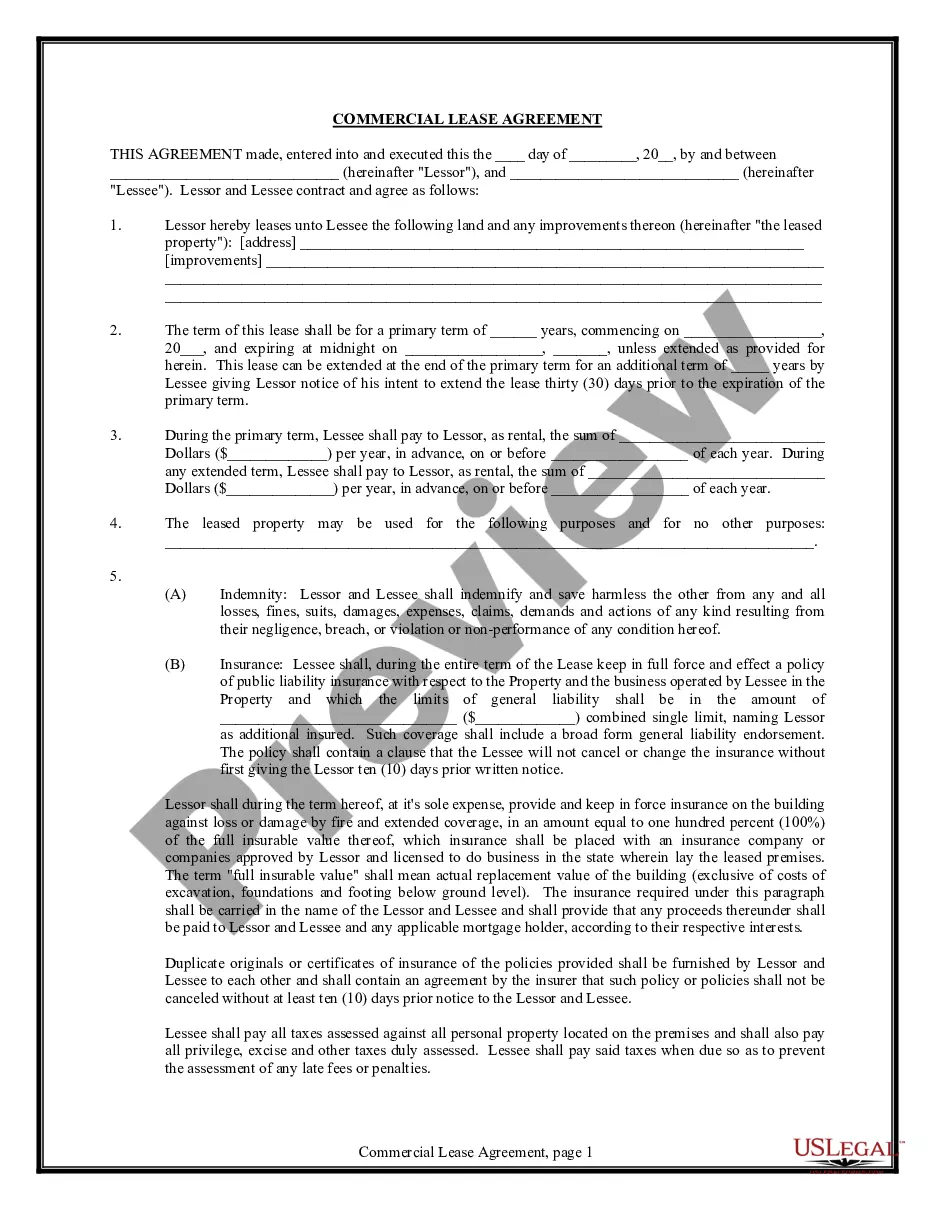
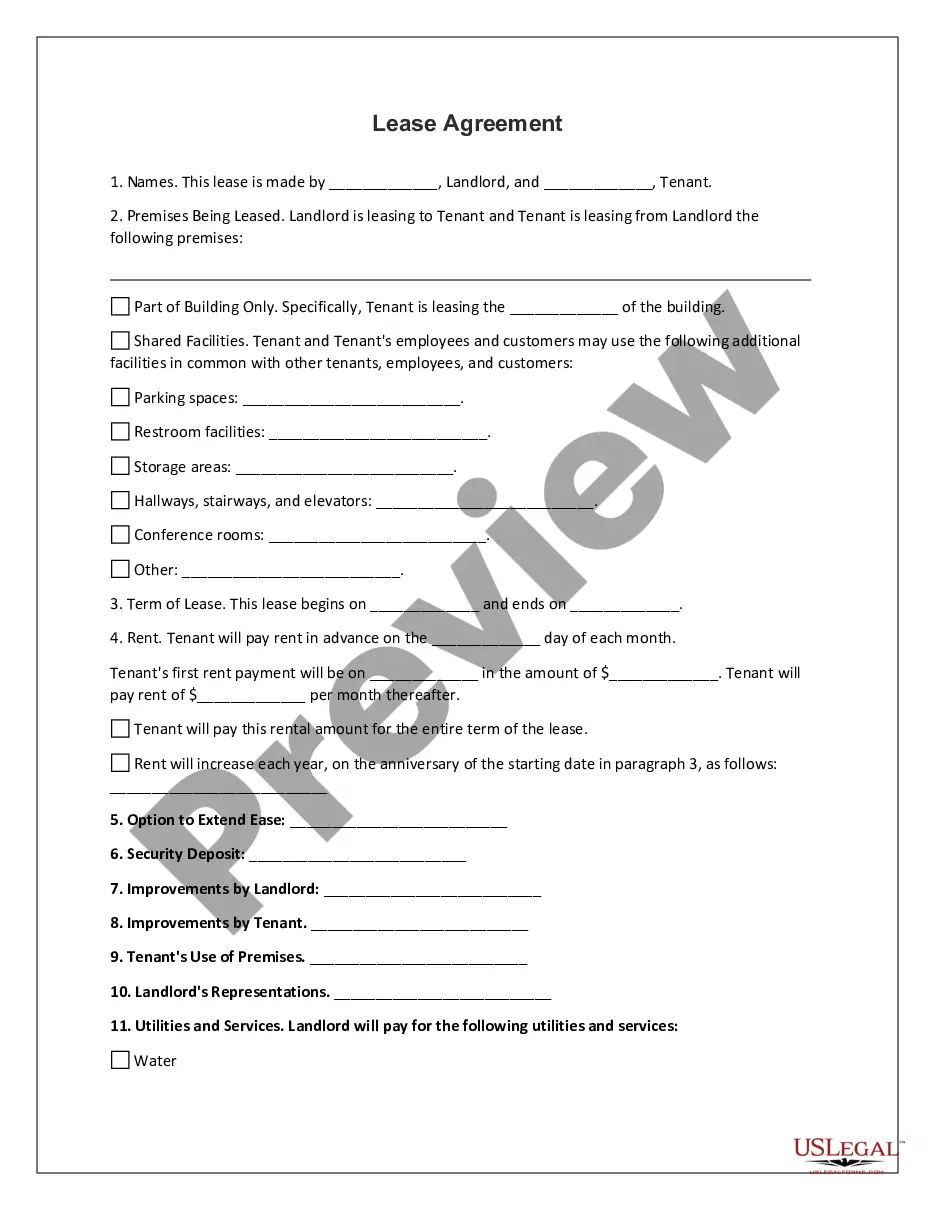
Key terms include the rent amount, lease duration, renewal options, maintenance responsibilities, and who pays for utilities. It's the fine print that can make or break a deal.
Most commercial leases can last anywhere from one year to several years. Think of it like a long-term relationship; you want to make sure both parties are on the same page.
First, try to talk it out directly with your landlord; clear communication can go a long way. If that doesn’t work, consider mediation or legal advice. It’s better to catch issues early before they snowball.
Trusted and secure by over 3 million people of the world’s leading companies