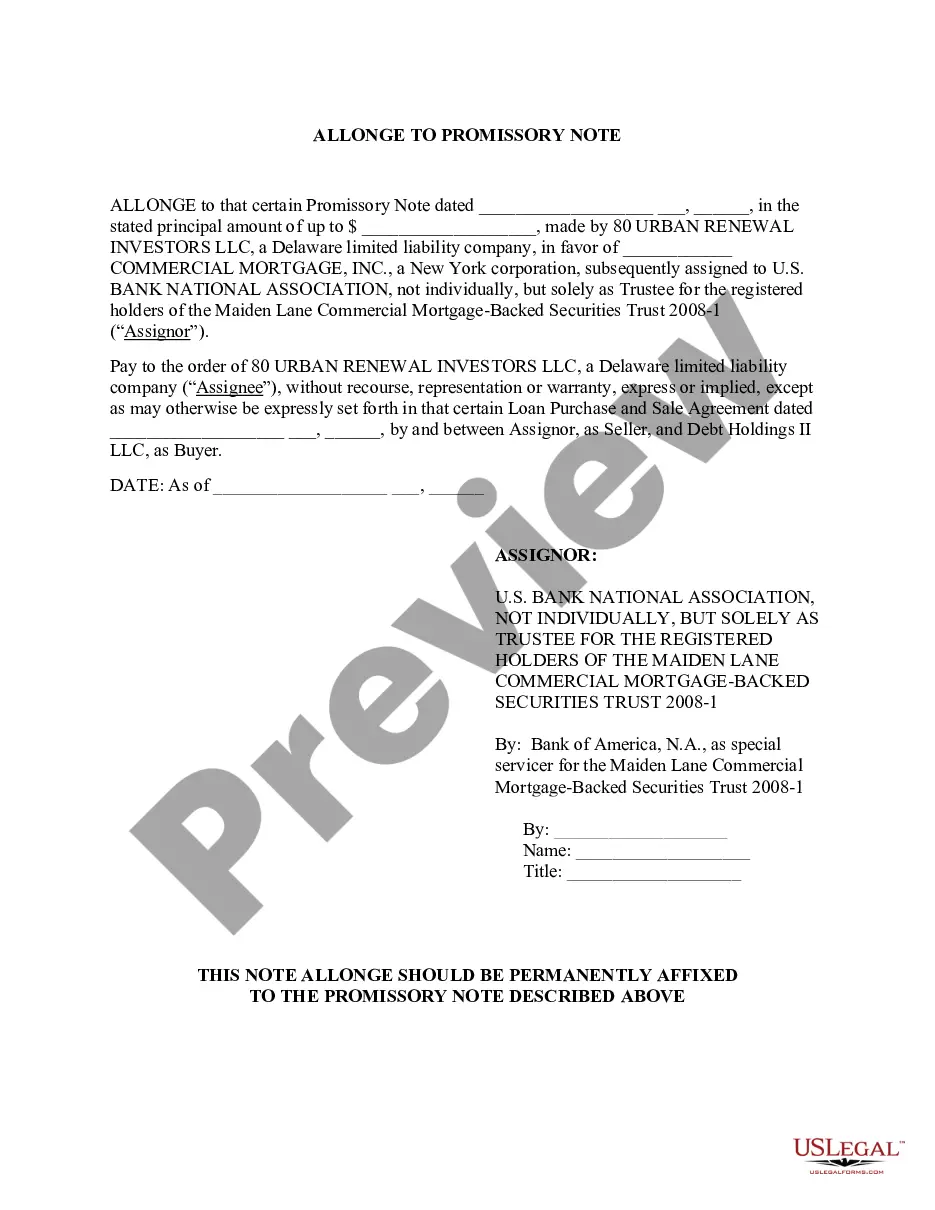
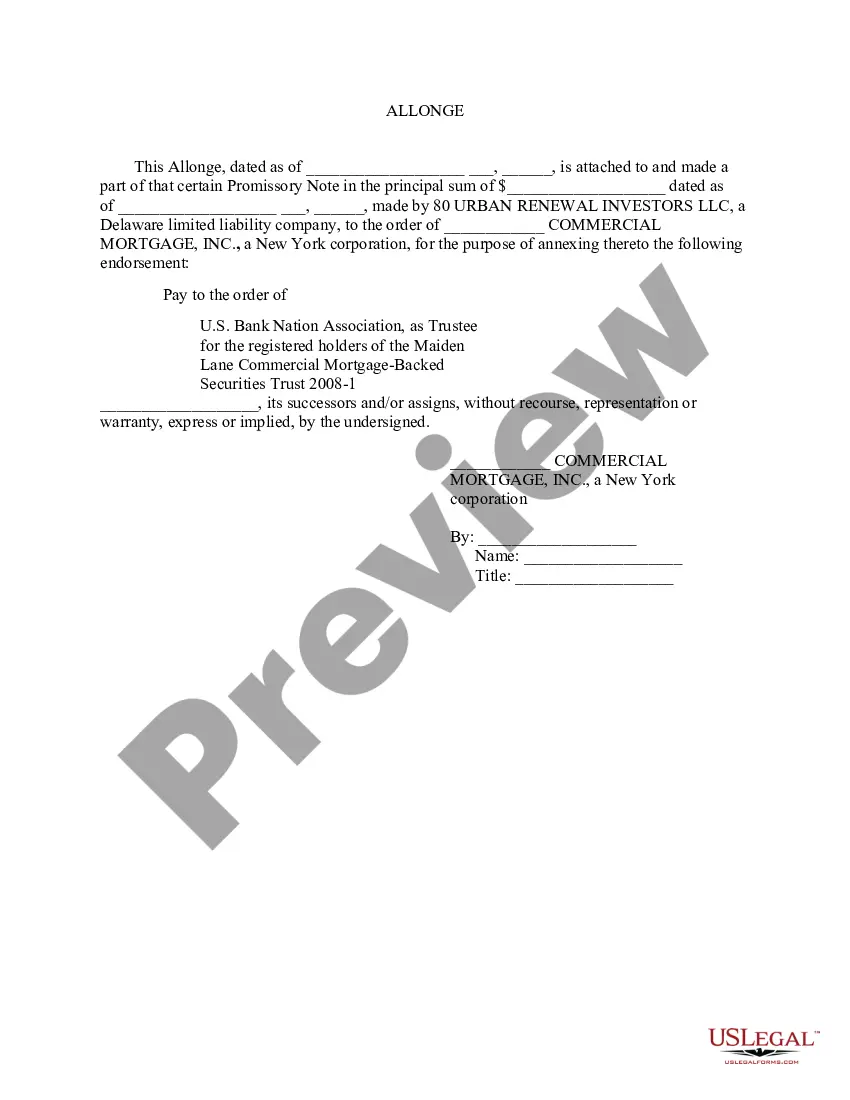
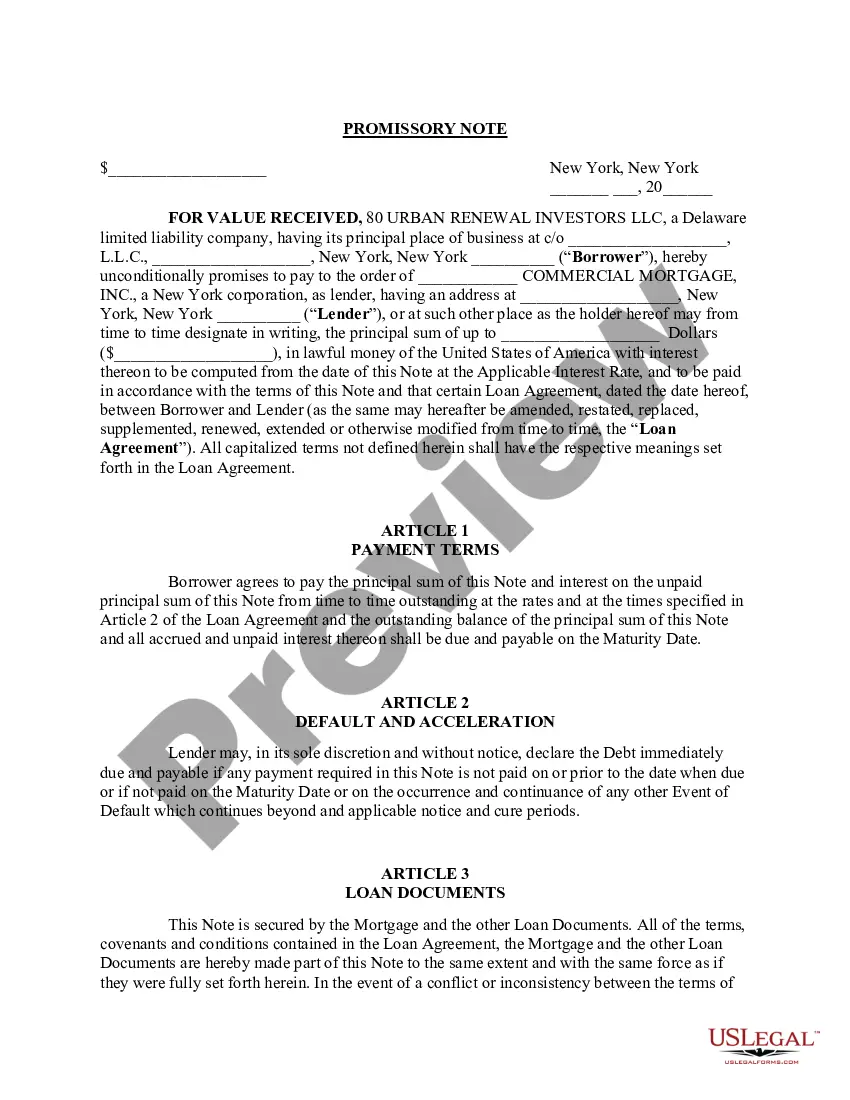
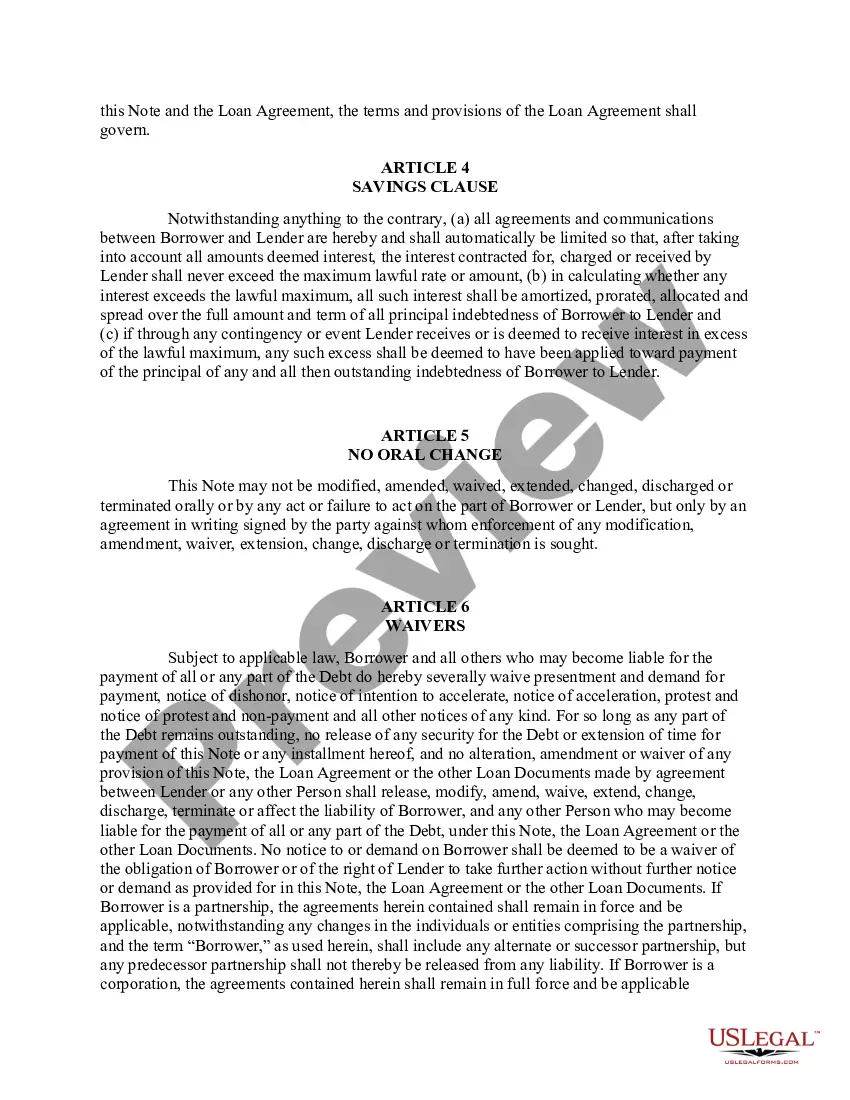
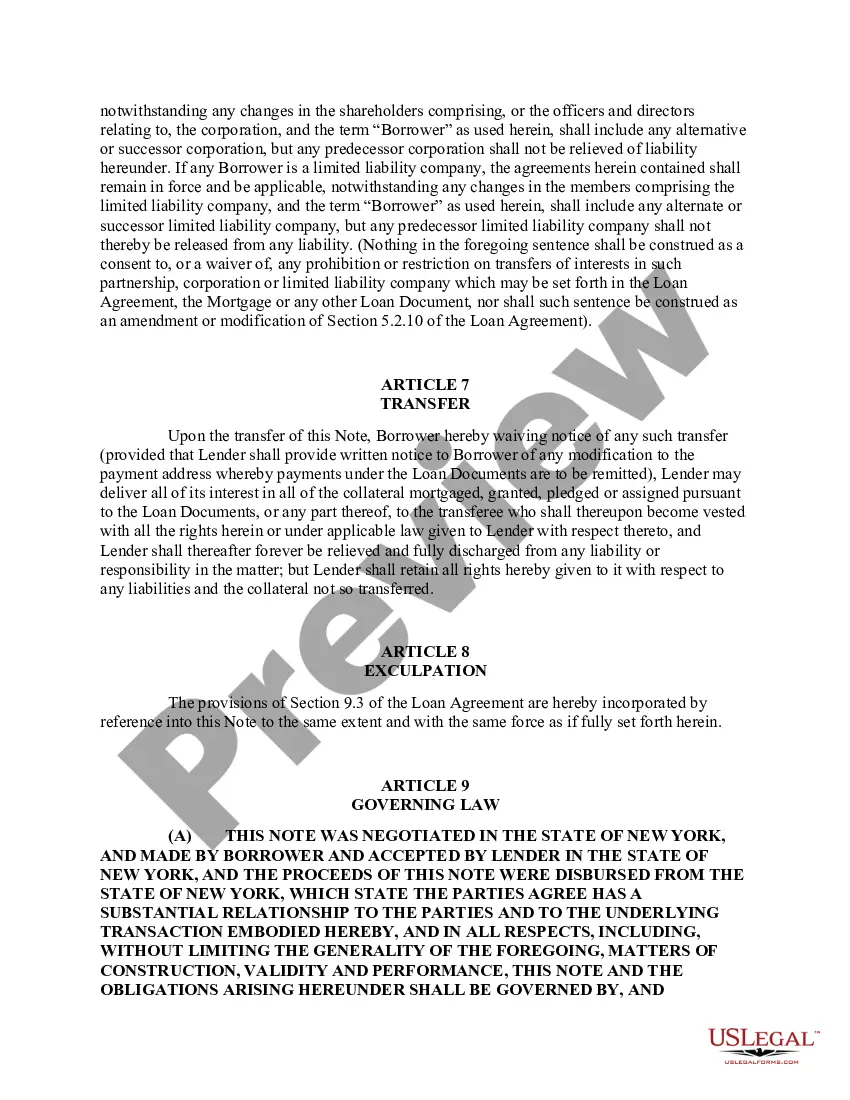
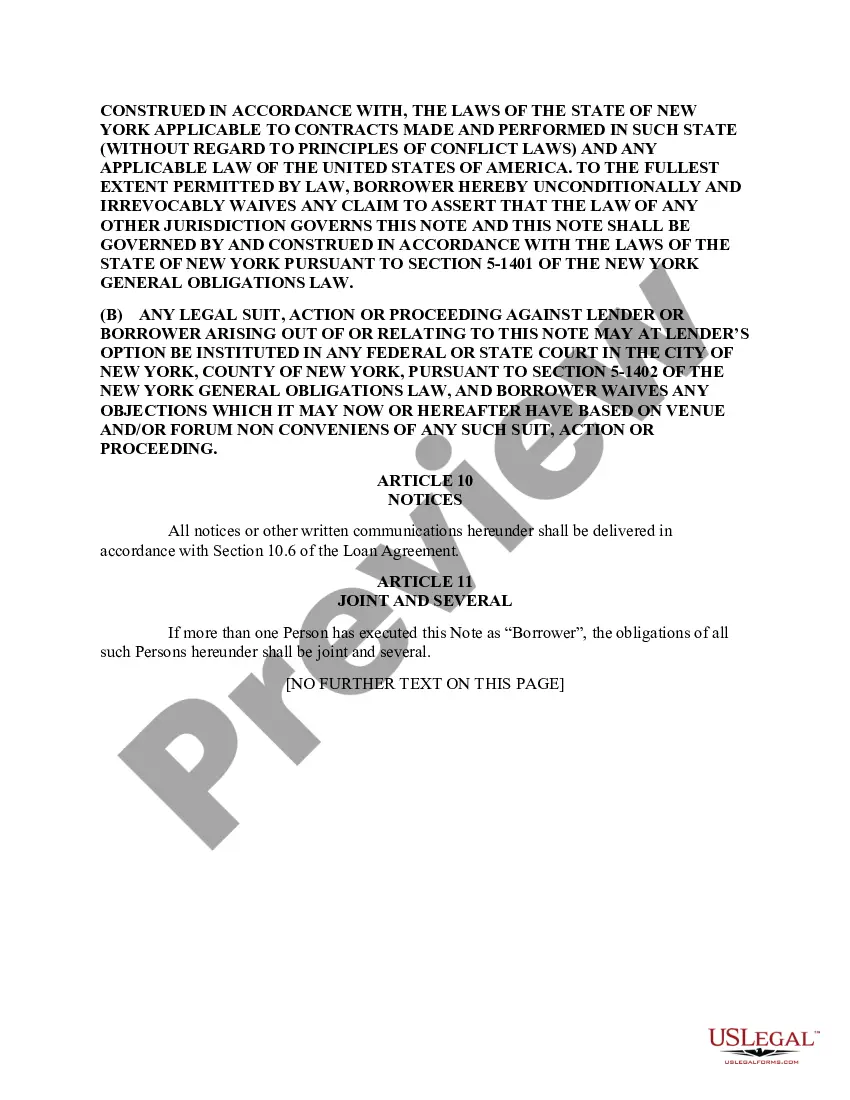
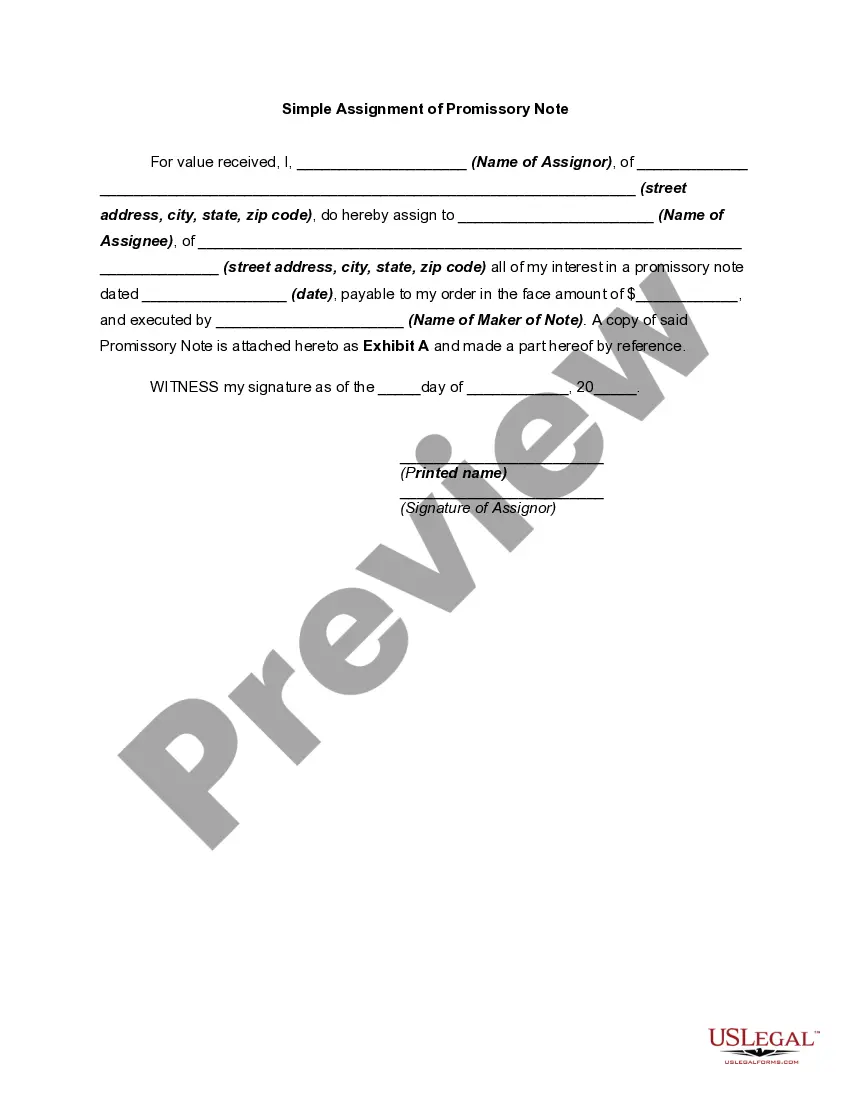
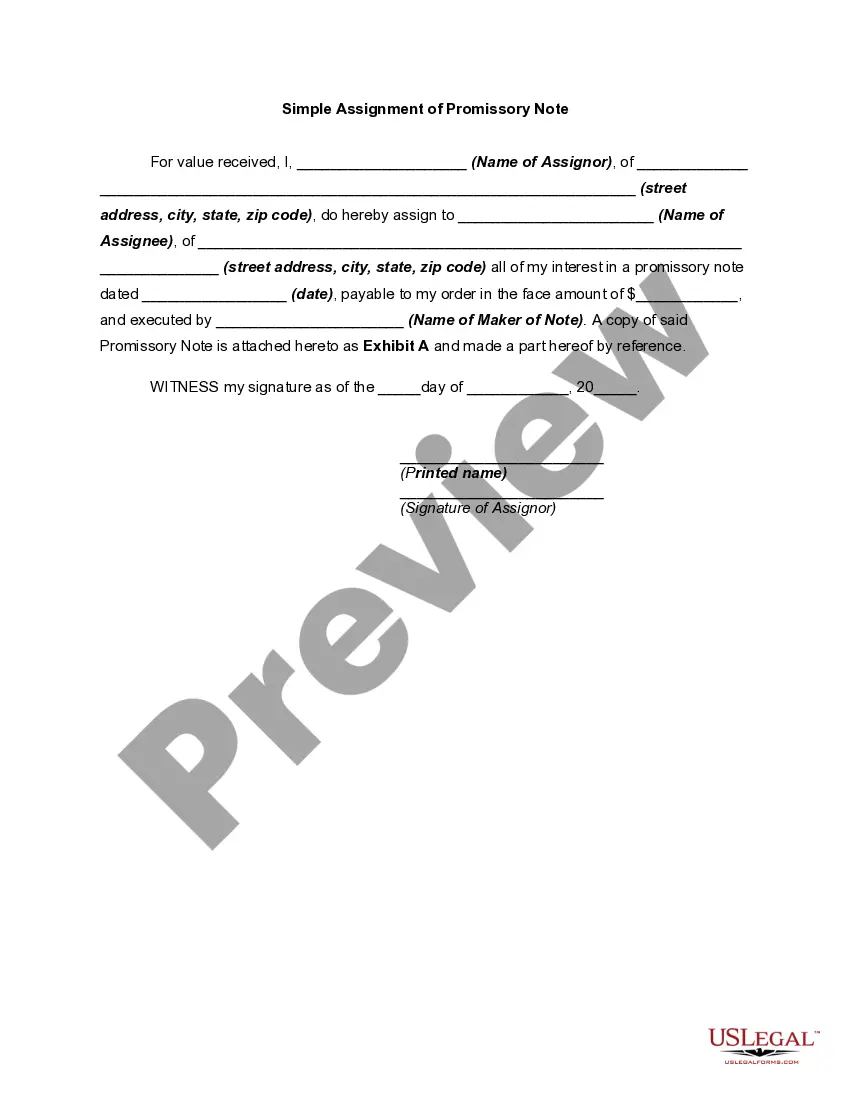
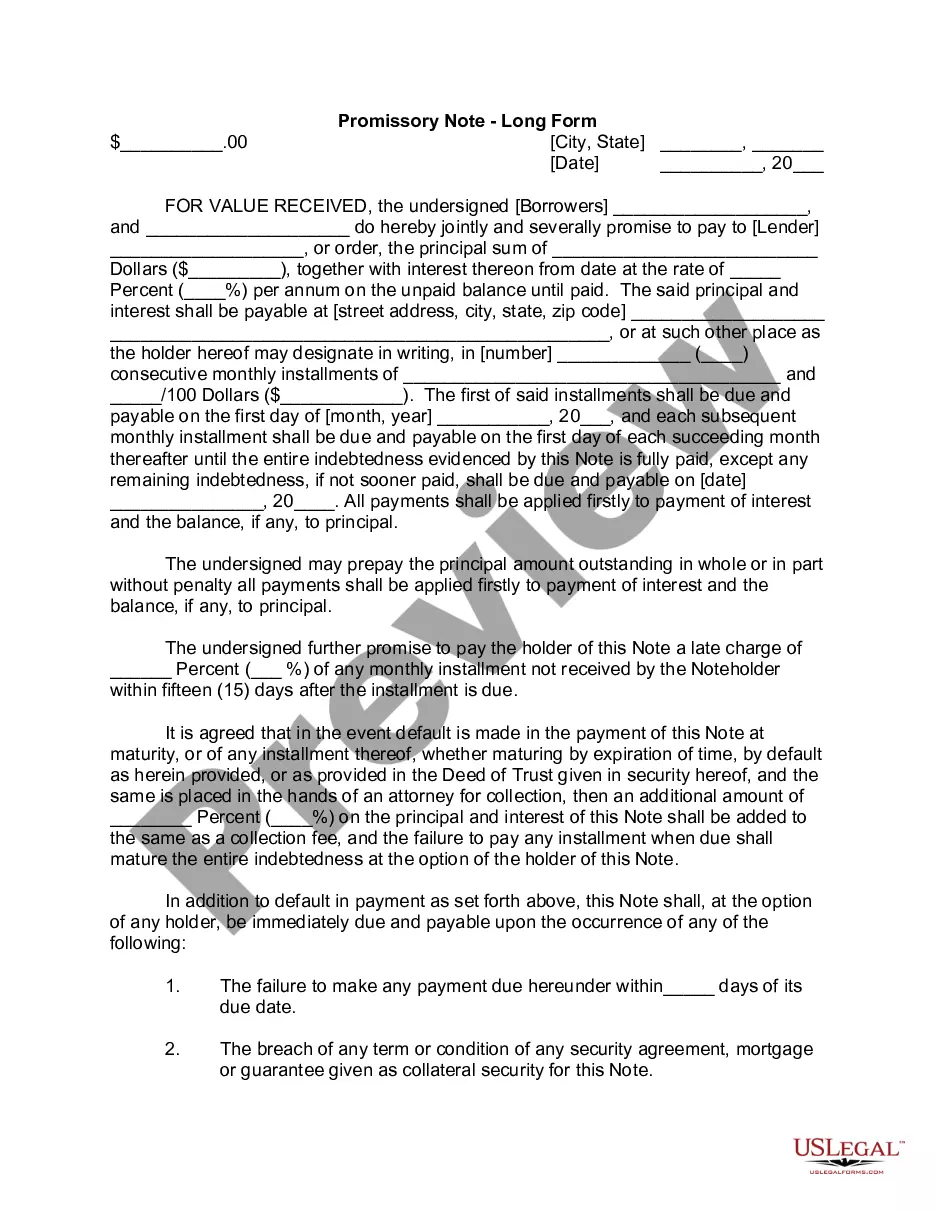
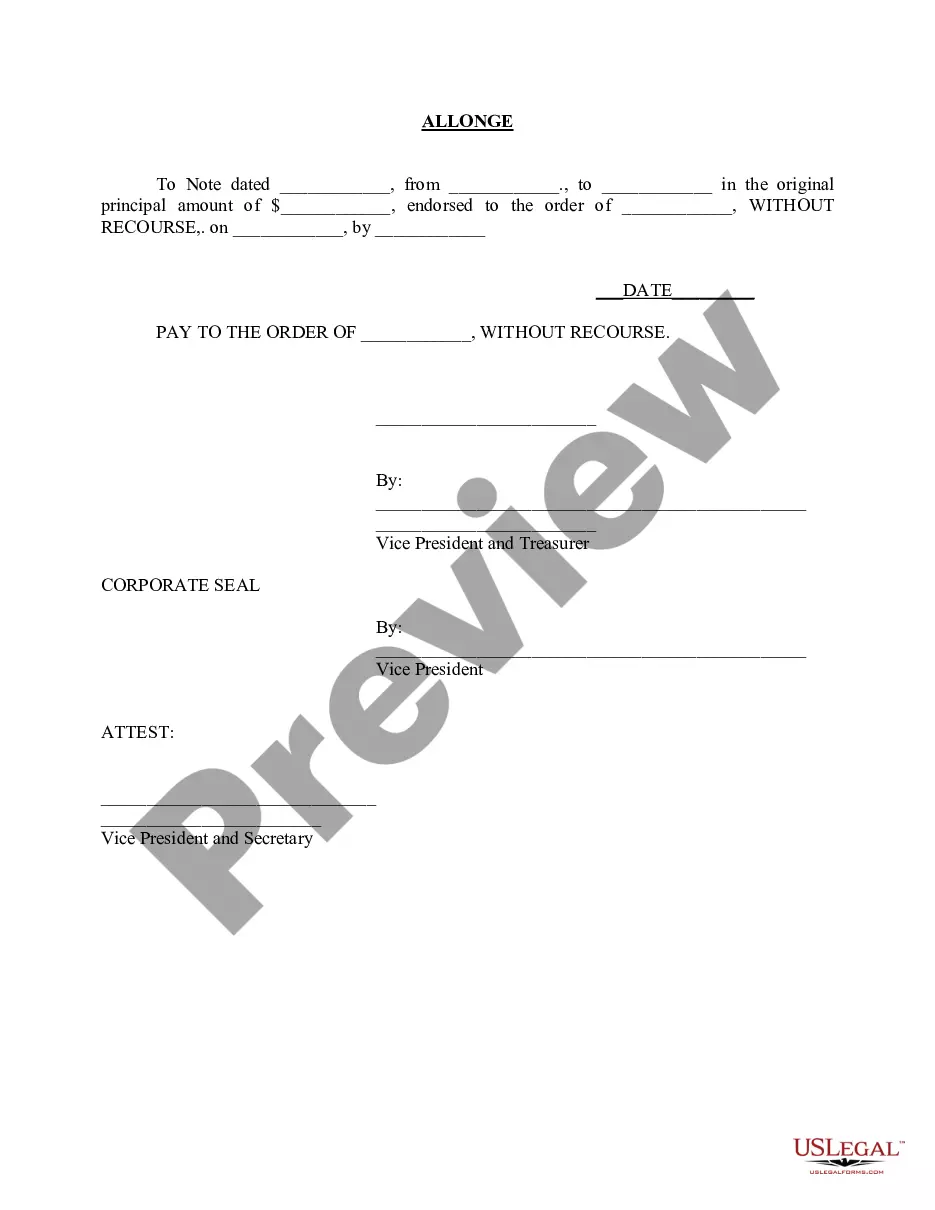
An allonge to promissory note is an actual sheet of paper or document firmly affixed to a promissory note or negotiable instrument that may contain additional endorsements. The written endorsements on the allonge are considered a part of the bill itself and are treated as such in loan proceedings.
An allonge to promissory note is different from an assignment. An assignment in this context is what gives a party the legal designation and right to move forward with legal action on a property, whereas an allonge is an endorsement that allows you to collect on the promissory note.
While you don’t necessarily need a lawyer, it’s always a good idea to have one review the document to make sure everything’s above board and there are no hiccups down the road.
Include information like the date, the names of the parties involved, and the specific changes or additions being made to the original note. Clear and simple is the way to go!
Absolutely! You can use an Allonge for almost any promissory note as long as it’s needed for signatures or amendments. It’s a useful tool for keeping things organized.
Creating an Allonge can be straightforward. Just write out the necessary details, like who’s signing and what changes are being made, and then attach it securely to the original promissory note.
Yes, an Allonge is legally binding in Colorado as long as it’s properly signed. Just make sure it’s clear and attached to the original note!
You might need an Allonge if you're transferring the note to someone else or adding signatures. It helps keep everything tidy without messing up the original note.
An Allonge is a fancy legal term for an extra piece of paper attached to a promissory note. It’s used when there’s no more room to sign or make changes on the original document.