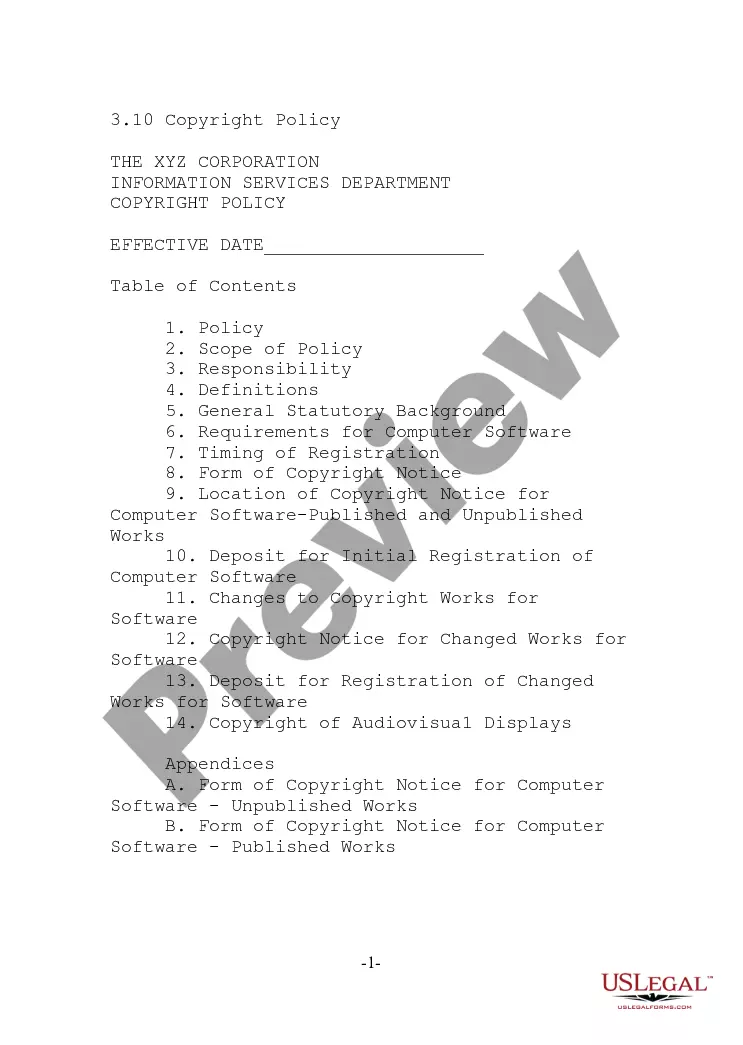
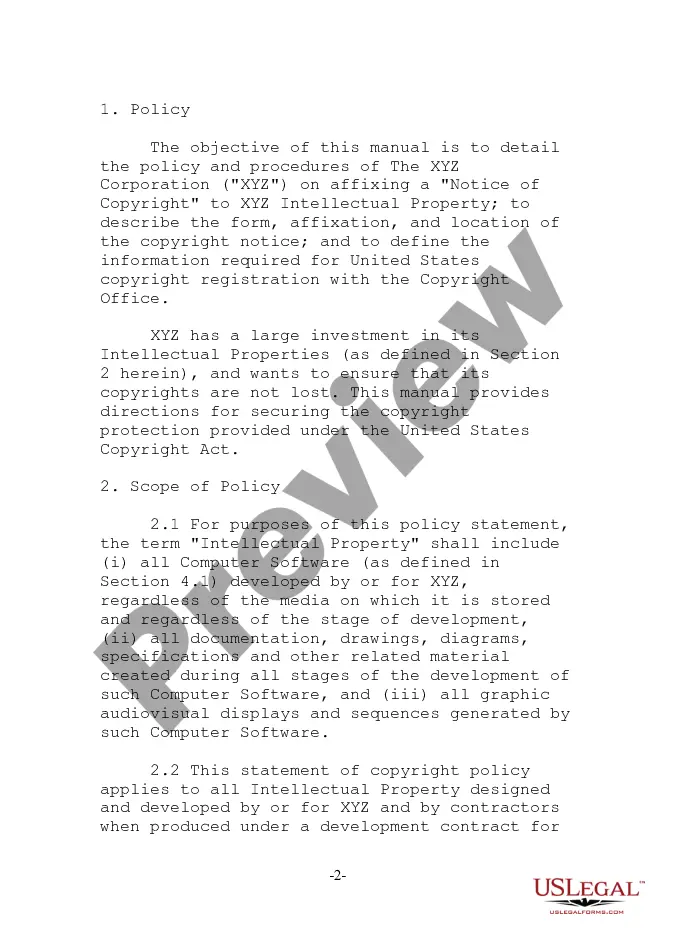
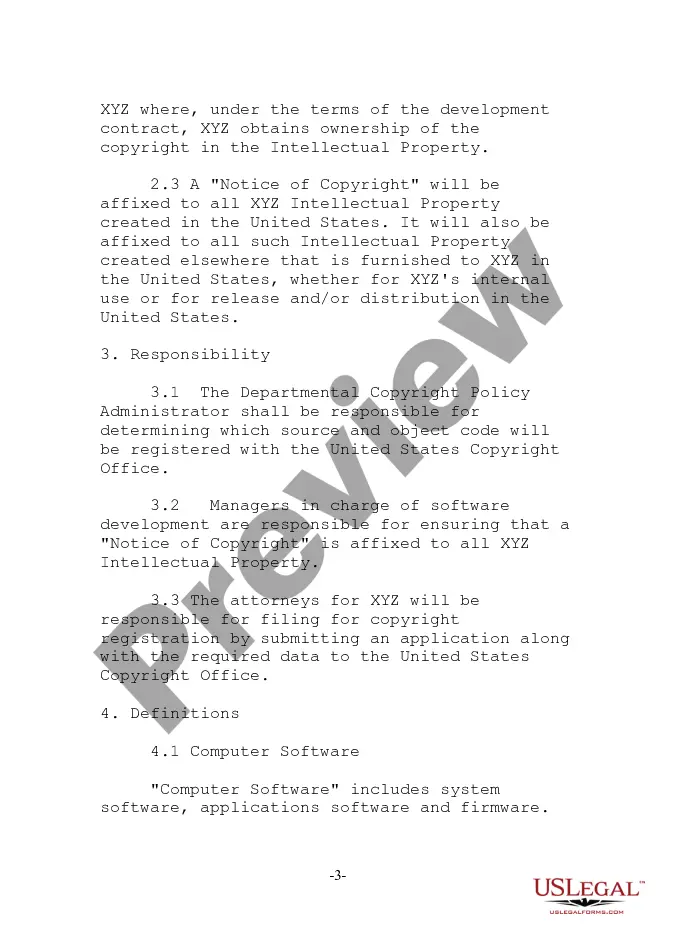
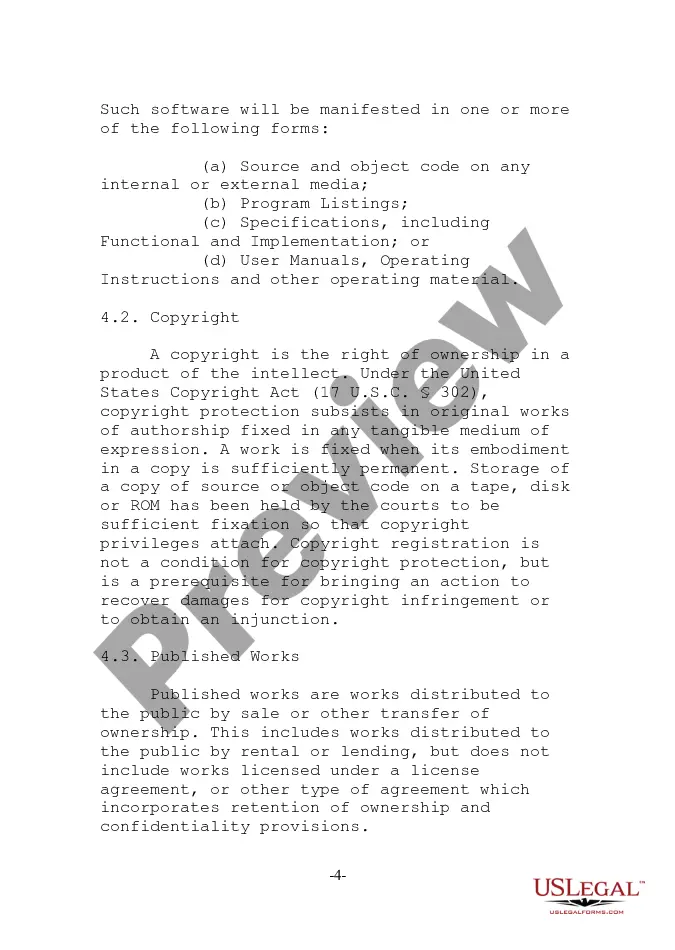
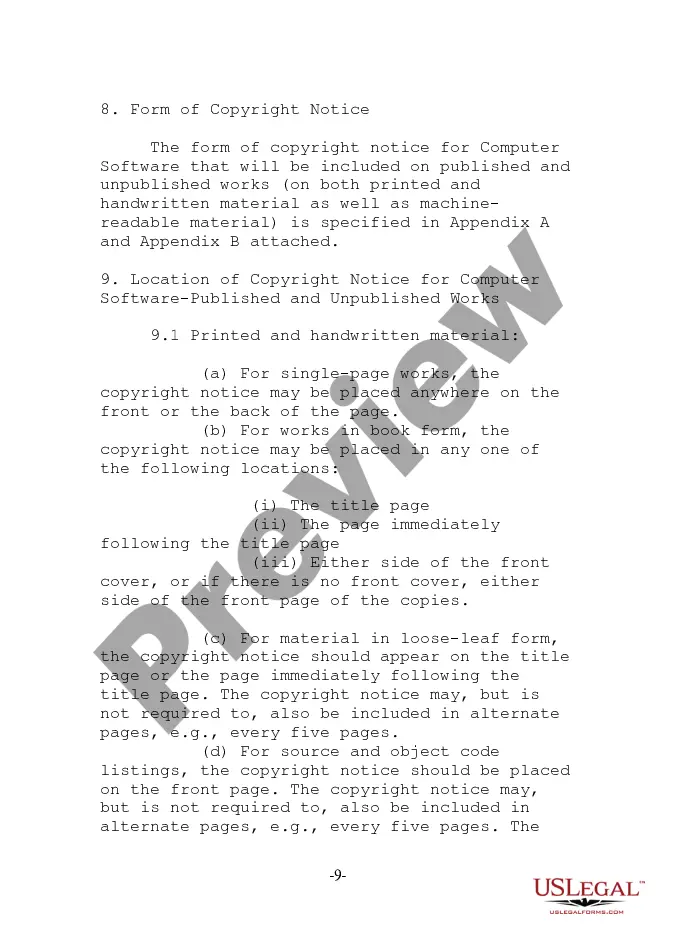
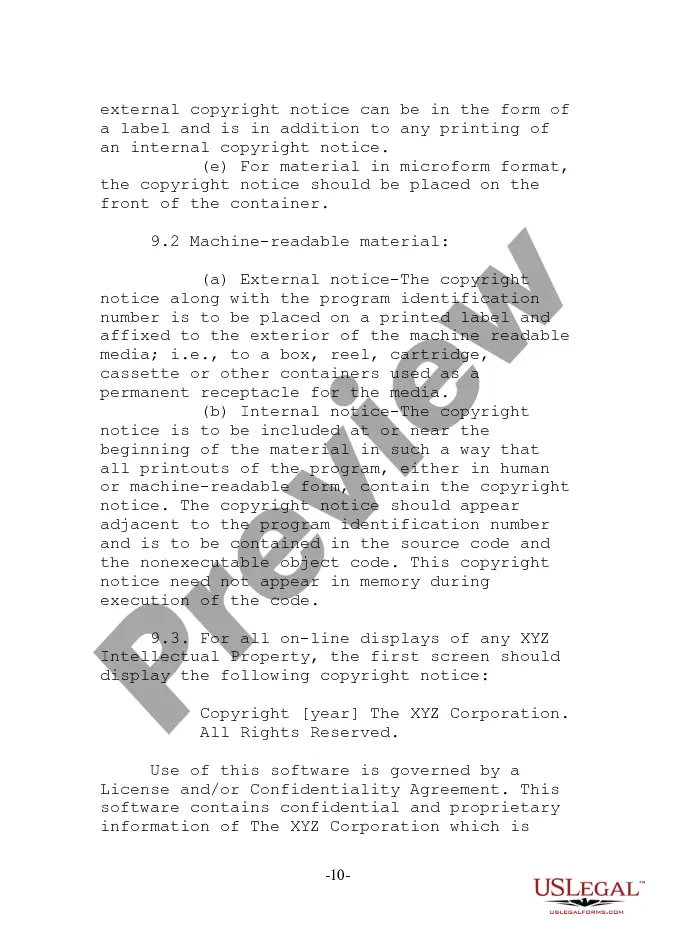
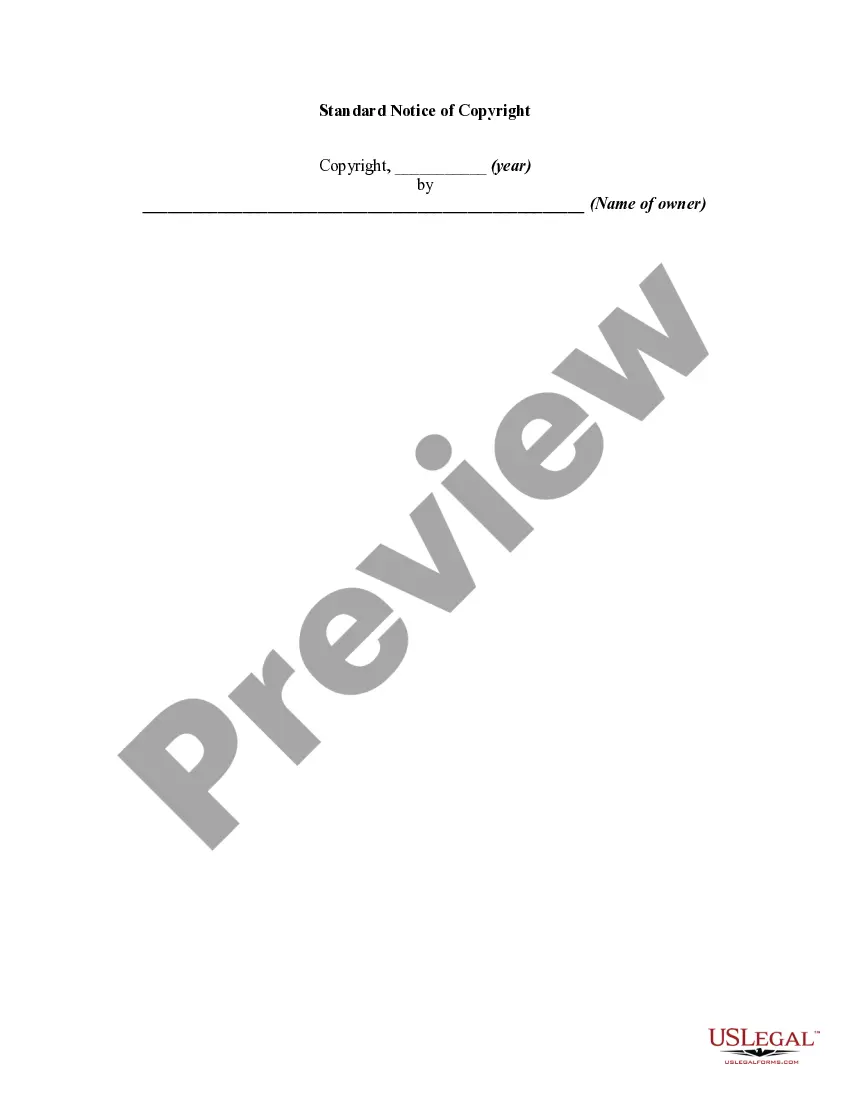
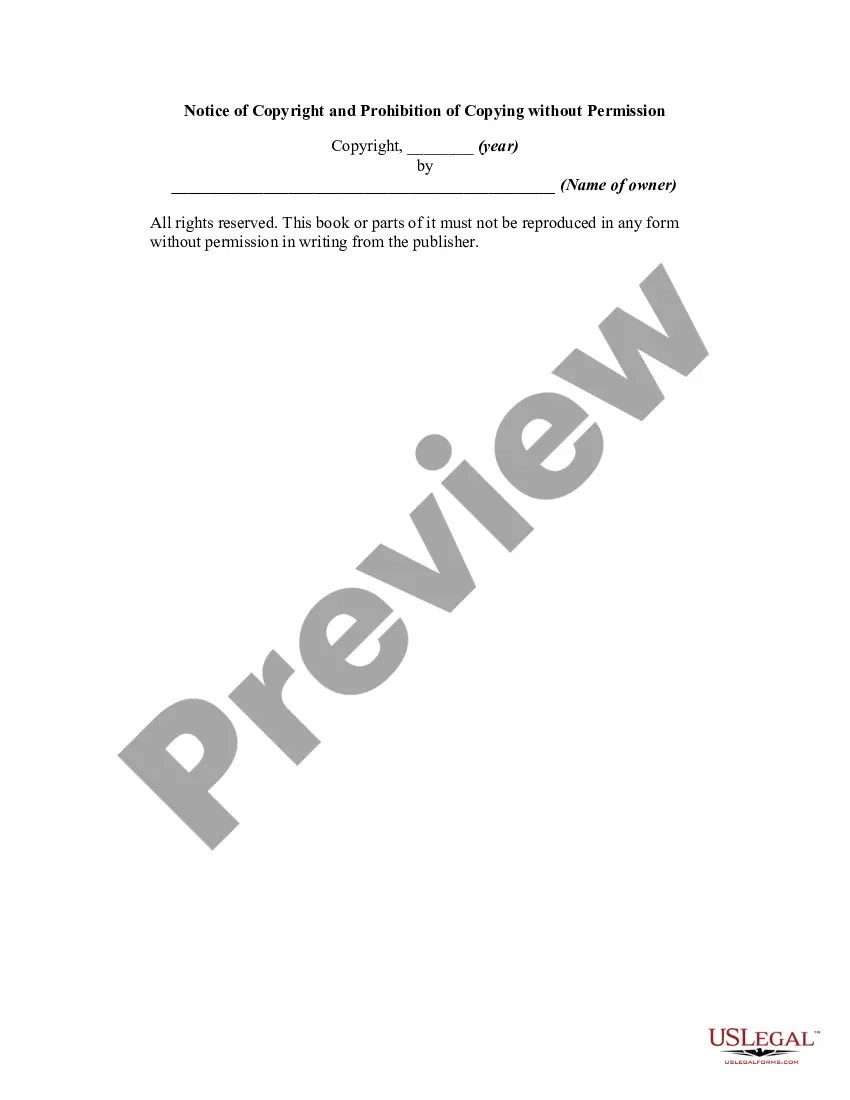
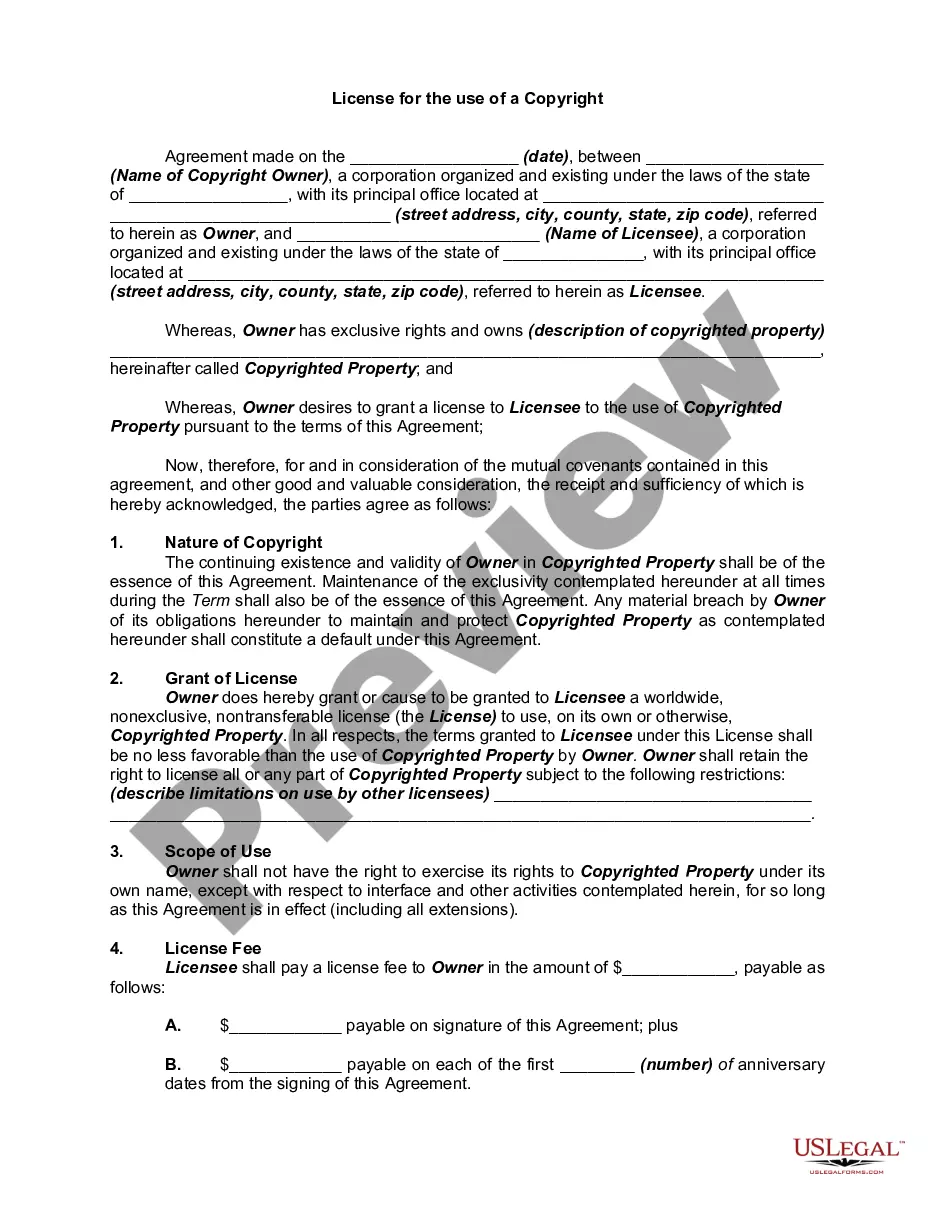
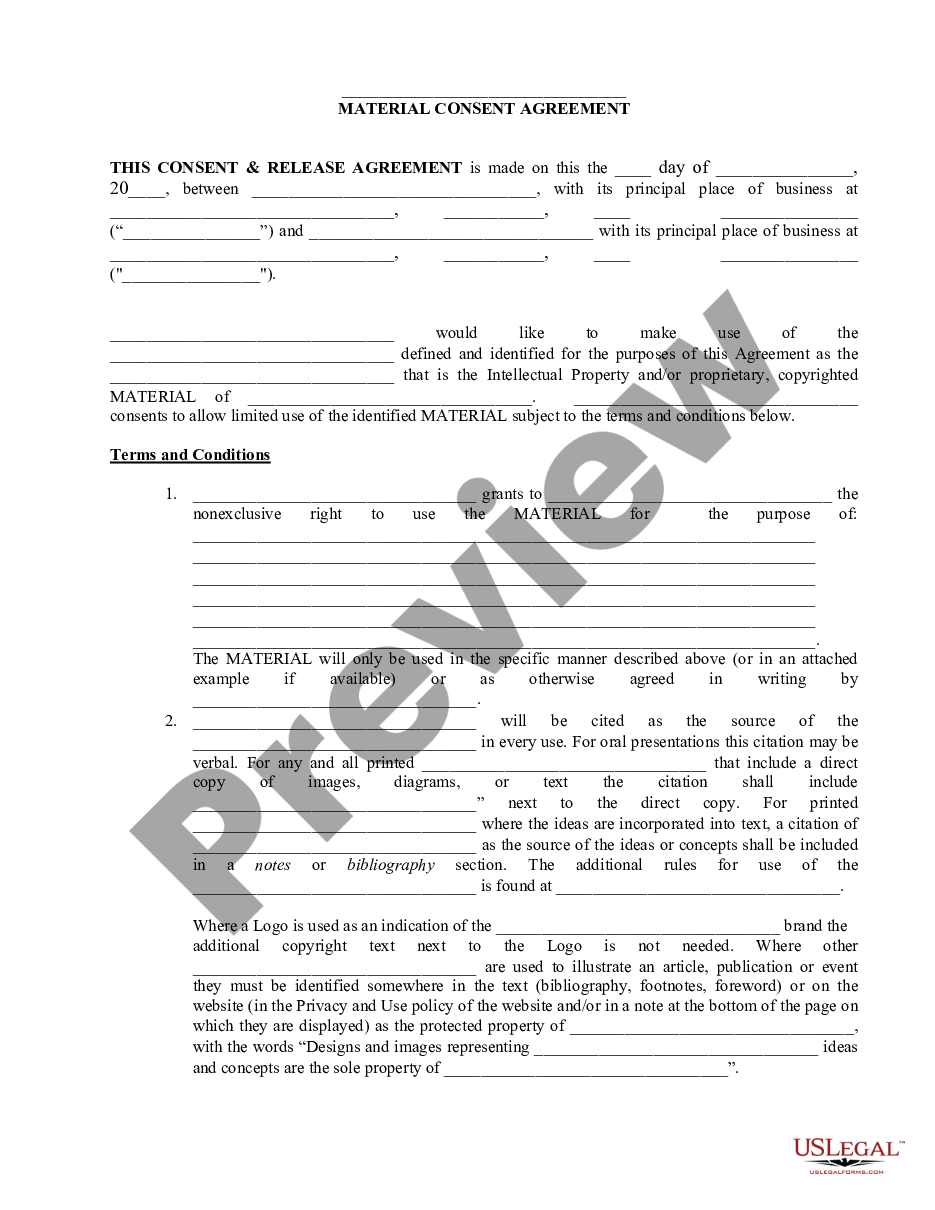
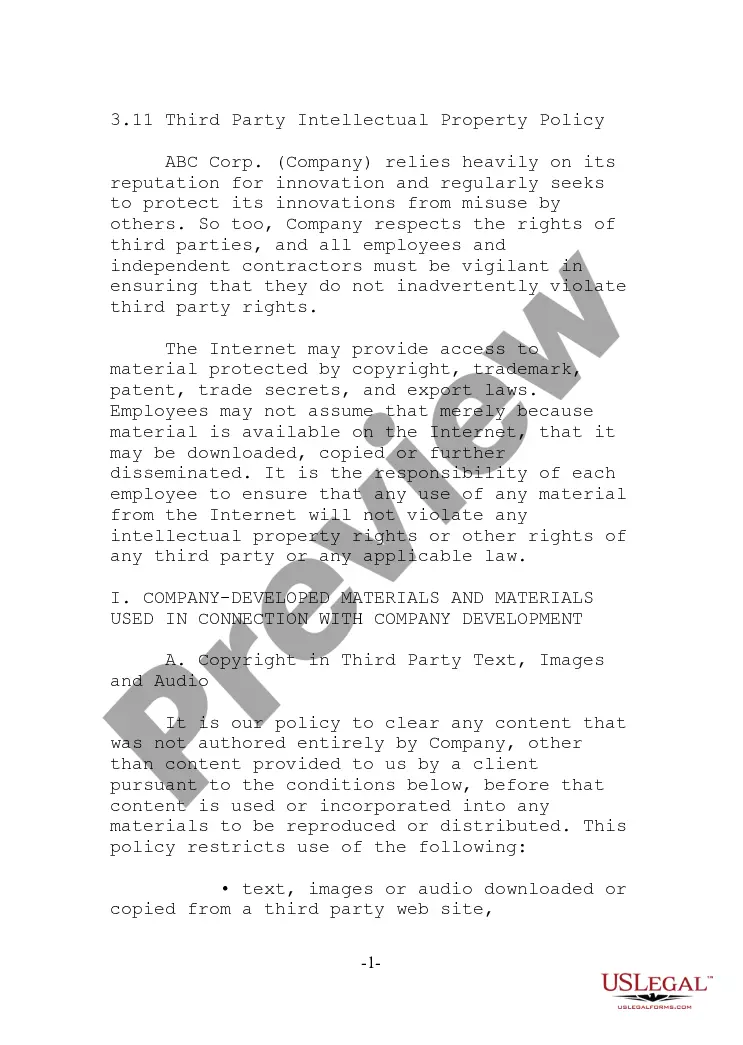
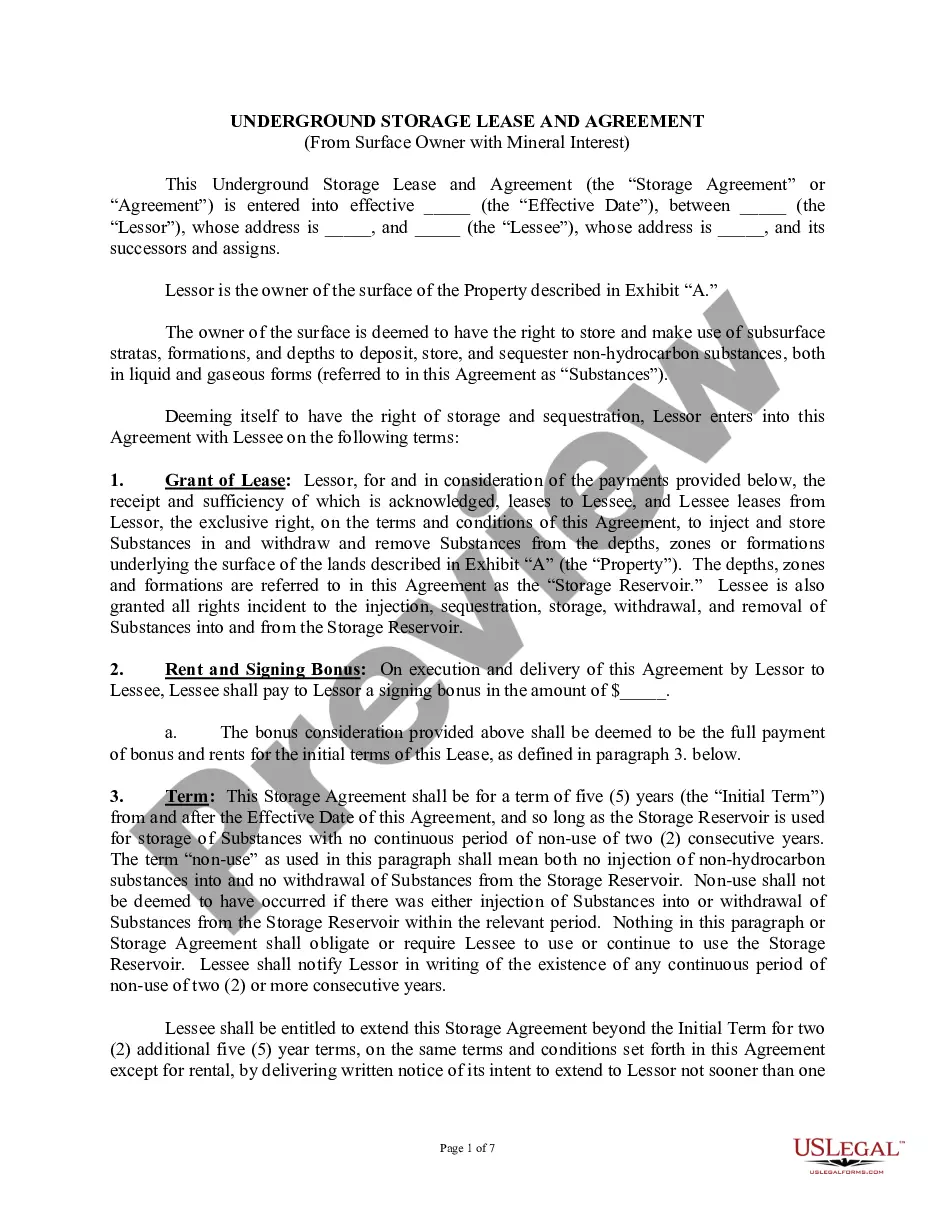
This form is a model adaptable for use in federal copyright law, licensing and related law. Adapt the form to your specific needs and fill in the information. Don't reinvent the wheel, save time and money.
Absolutely! If you've registered your artwork, you have the right to sell copies of it. Just remember to keep track of your sales and ensure that you’re not violating someone else’s copyright in the process.
Yes, there are special allowances under copyright law for educational uses, like teaching in classrooms. However, it’s still wise to ensure your use aligns with fair use guidelines.
First, gather proof of your ownership and the unauthorized use. Then, consider reaching out to the offending party directly. If that doesn't resolve things, you may need to consult a lawyer.
Fair use allows you to use copyrighted material without permission under certain conditions, like for criticism, comment, news reporting, teaching, or research. It's a bit of a gray area, so proceed with caution!
Generally speaking, materials from the library can be used for personal projects, but if you plan to use them commercially, it’s best to check the copyright status and possibly seek permission.
To protect your work, you should consider registering it with the U.S. Copyright Office. This gives you legal backing and makes it easier to enforce your rights if someone uses your work without permission.
The copyright policy in Arlington is about protecting creative works, like art, music, and writing, ensuring that the original creators get the credit they deserve and control over how their work is used.