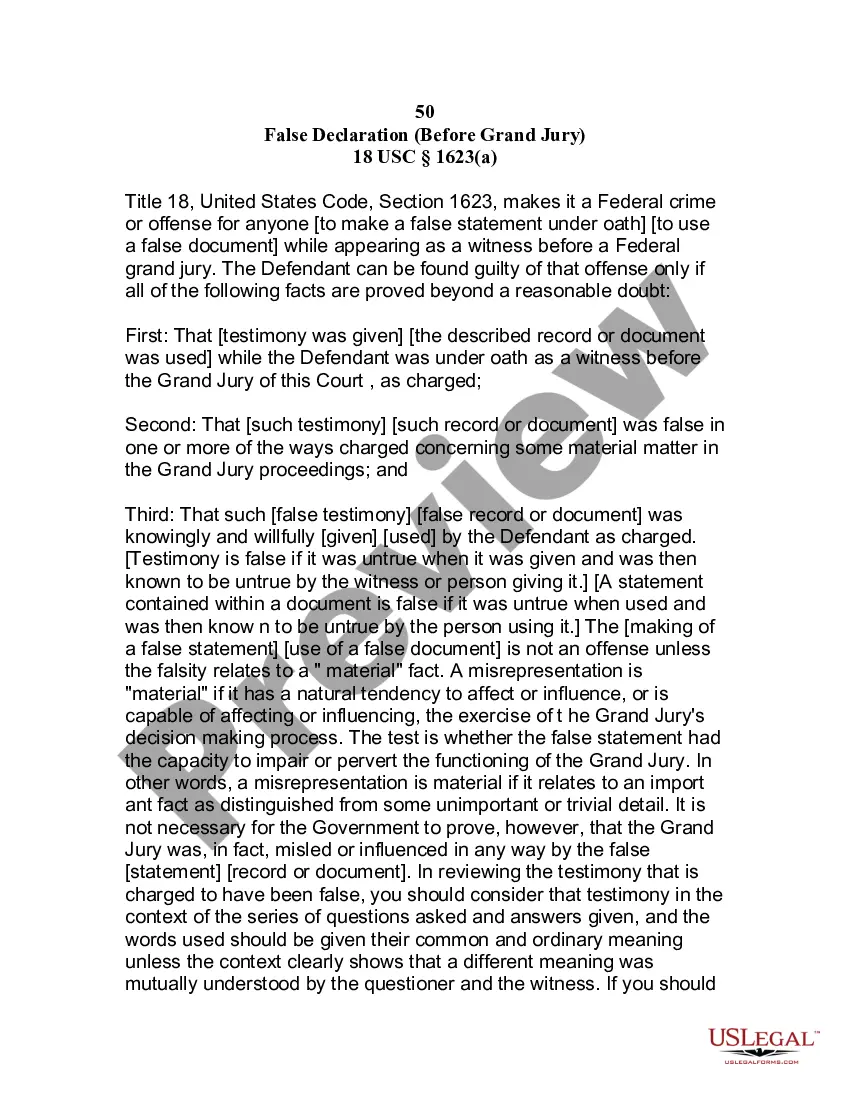
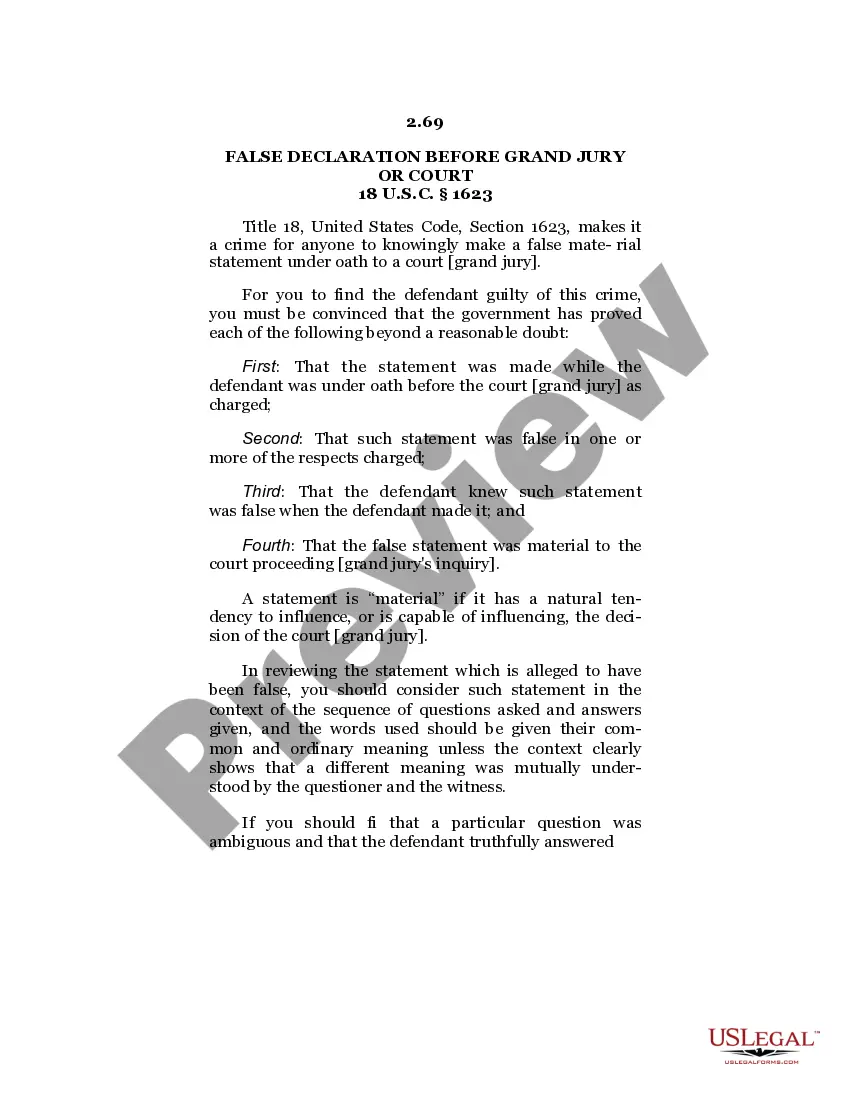
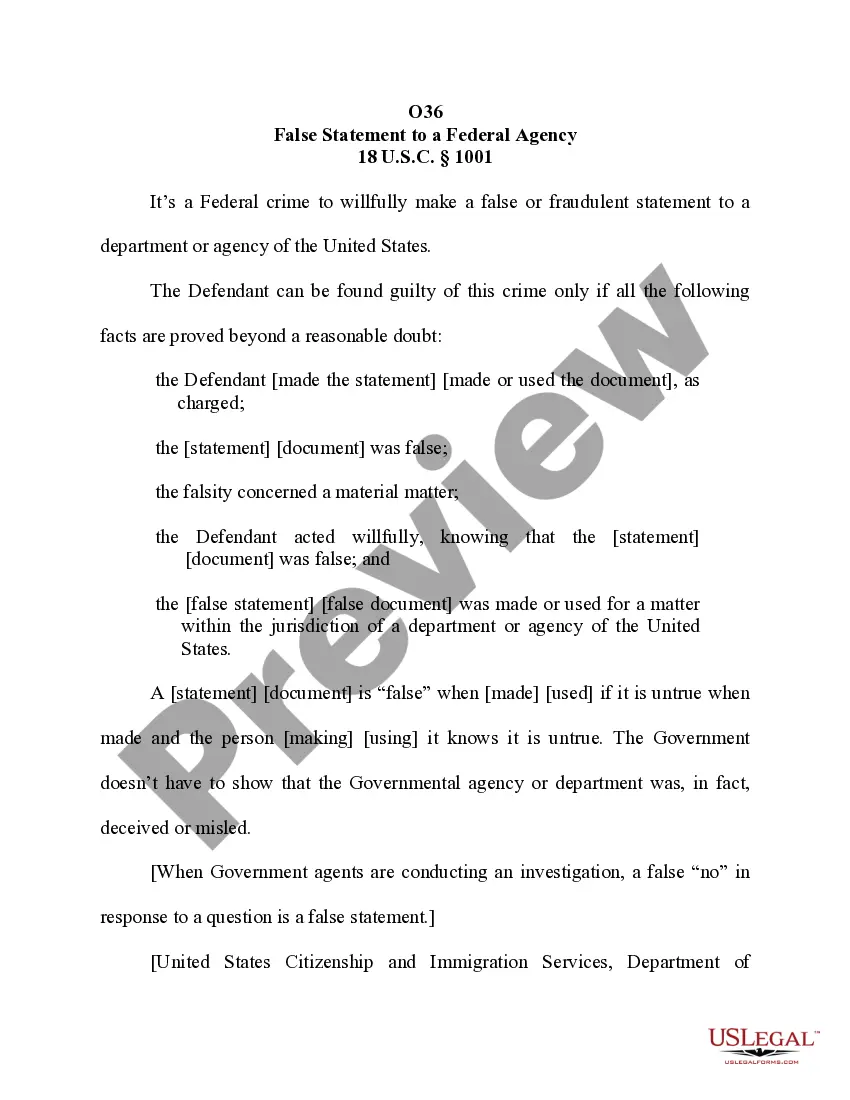
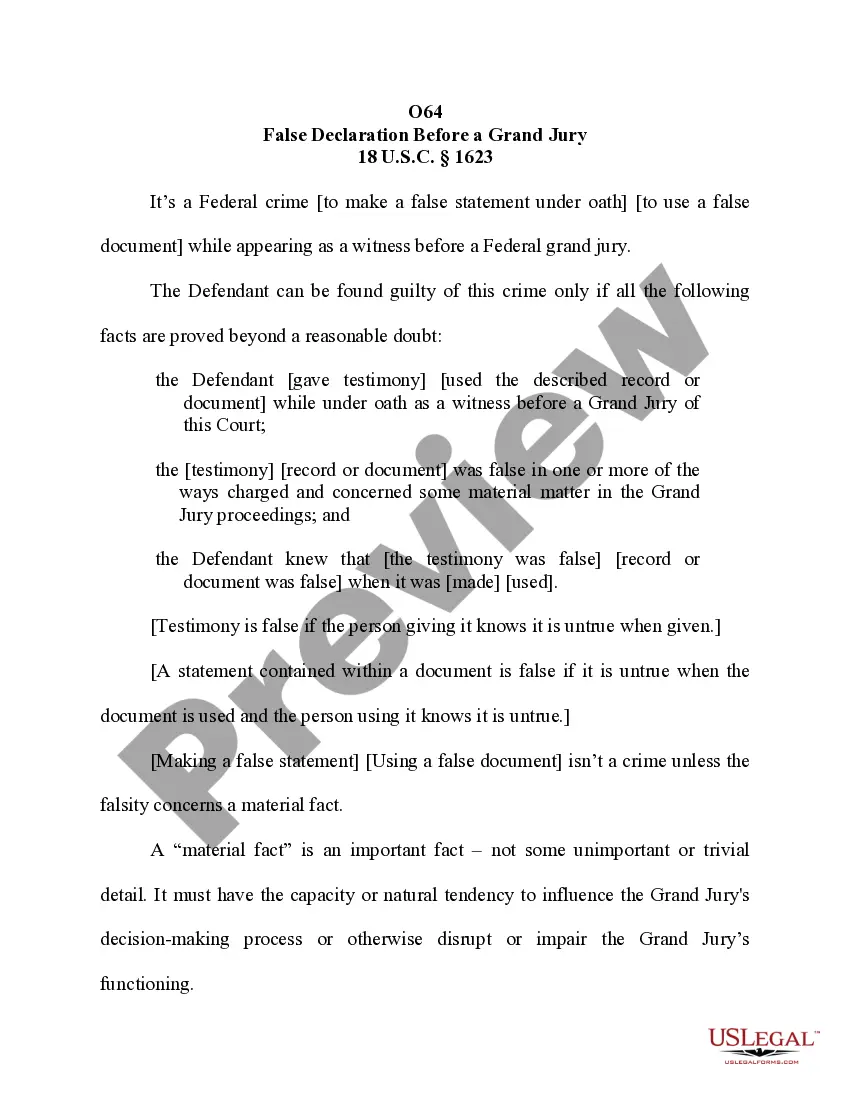
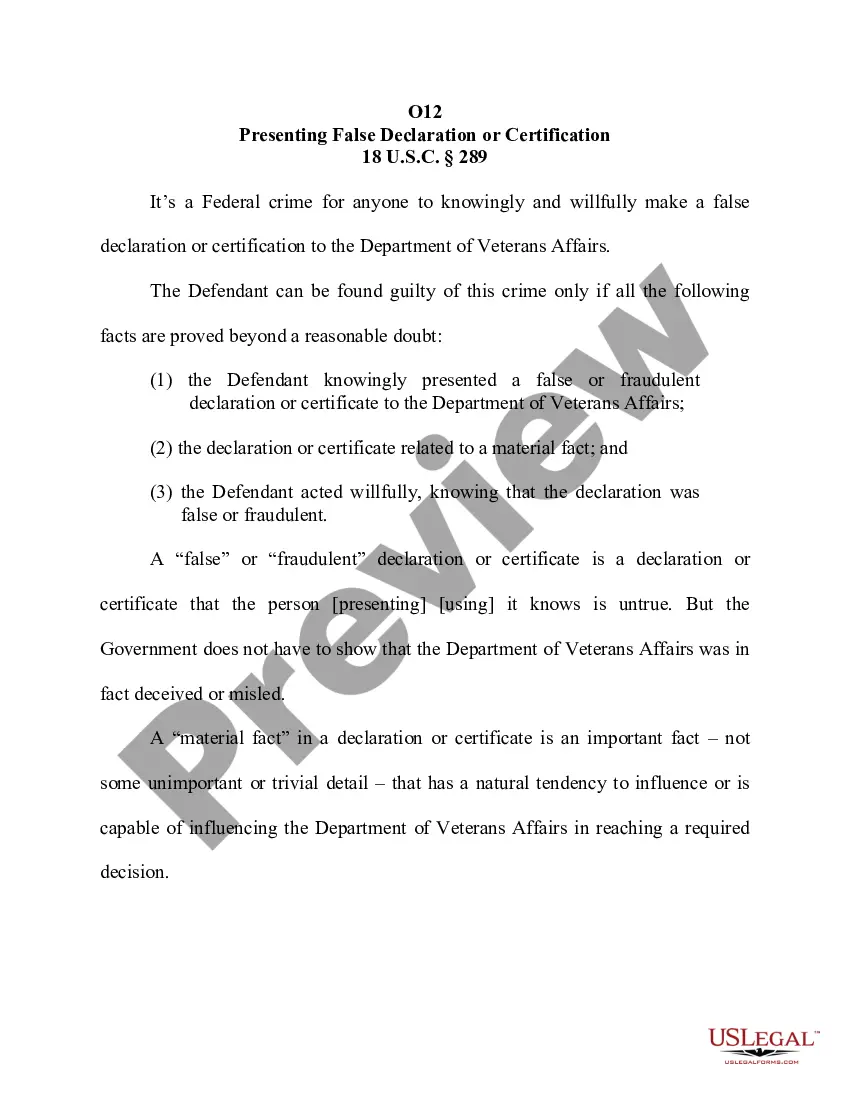
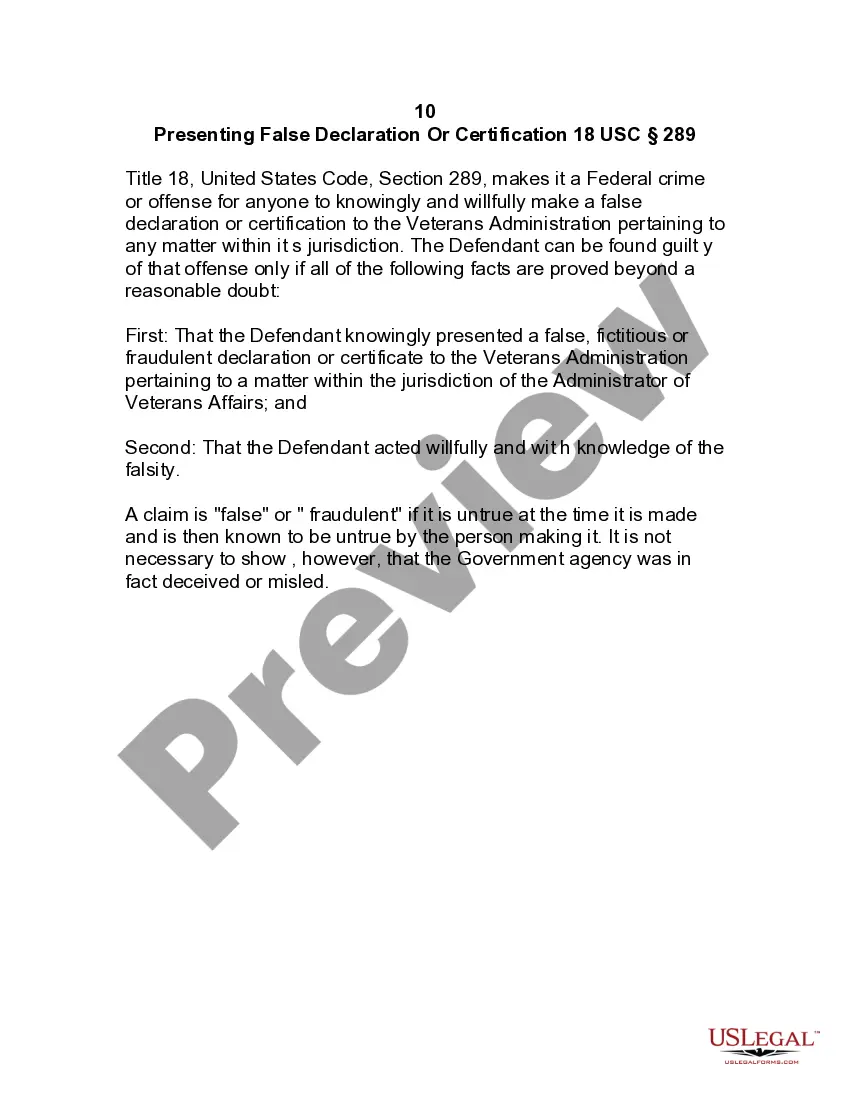
Pattern Jury Instructions from the 11th Circuit Federal Court of Appeals. For more information and to use the online Instruction builder please visit http://www.ca11.uscourts.gov/pattern-jury-instructions
If you suspect someone is being dishonest, you can report it to the relevant authorities. It’s important to keep the process fair and square for everyone involved.
Yes, you can usually correct it, but you need to do it quickly and honestly. It’s always best to come clean and fix any mistakes as soon as you catch them.
Double-check your facts! Review your information thoroughly, and if you're unsure, ask a professional for help. Better safe than sorry!
Common documents include legal affidavits, tax forms, and any official paperwork that requires your personal or truthful statement.
Unfortunately, ignorance doesn't get you off the hook. If it’s proven you made a false declaration, you could still face consequences, even if you didn’t mean to mislead anyone.
If you get caught, you could face legal penalties, including fines or even jail time. No one wants that, so honesty is the best policy!
Presenting a false declaration means you’re giving incorrect or misleading information, often in legal documents or official forms. It's a big no-no and can land you in hot water!