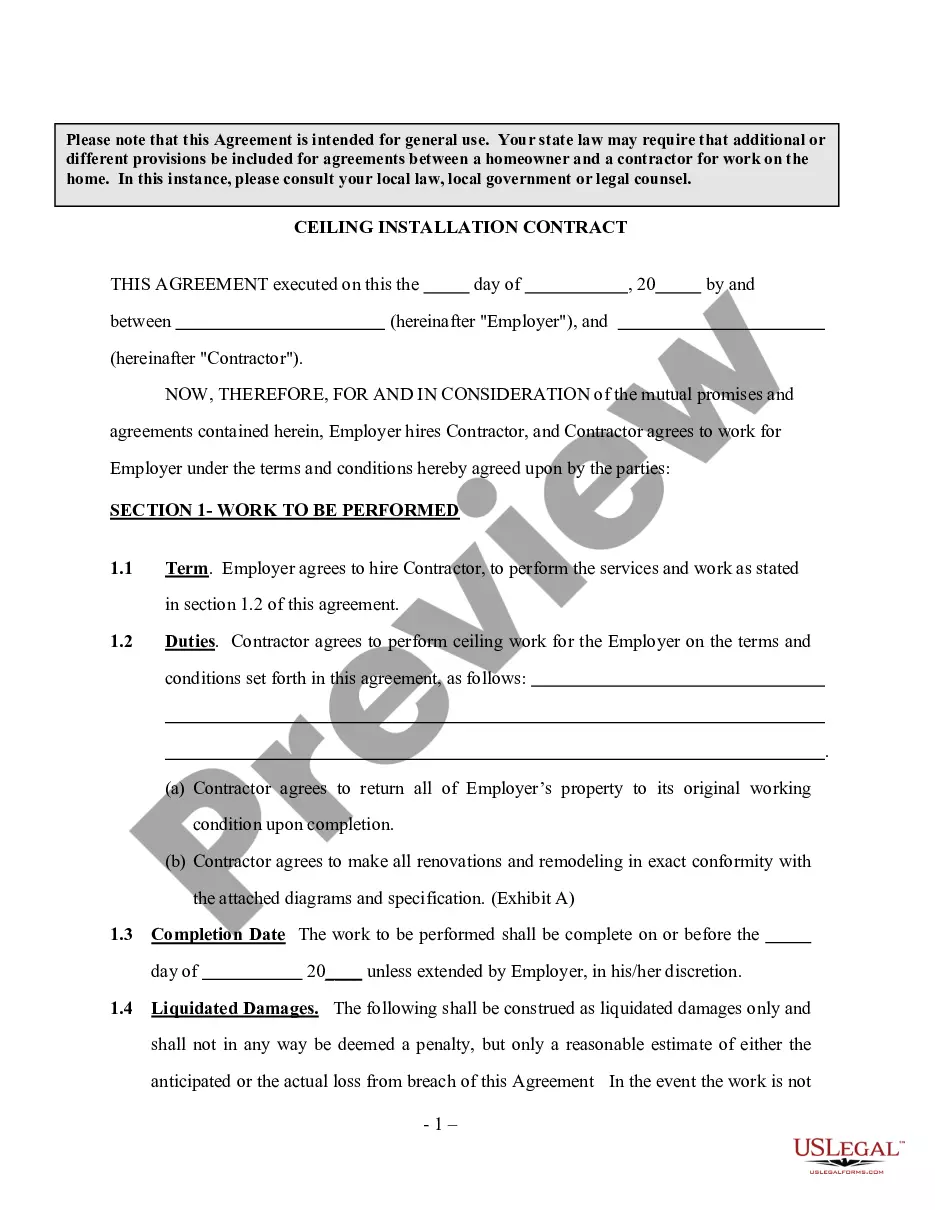
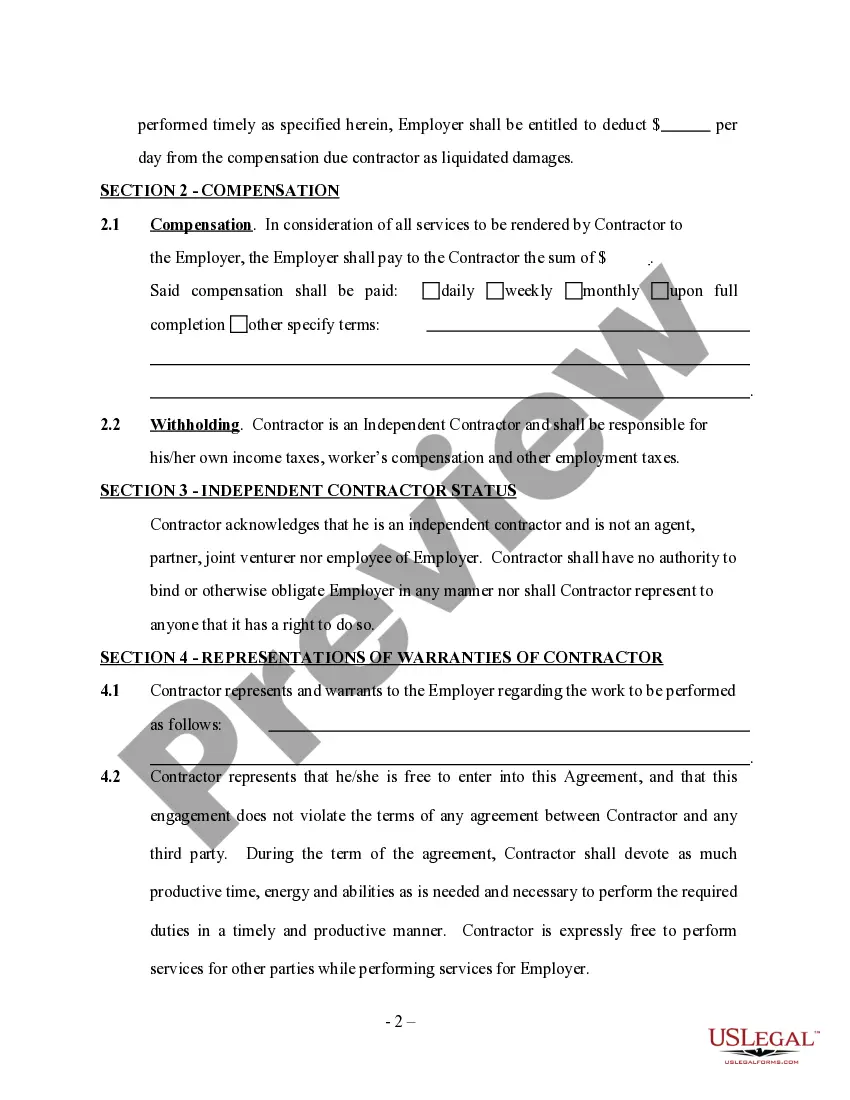
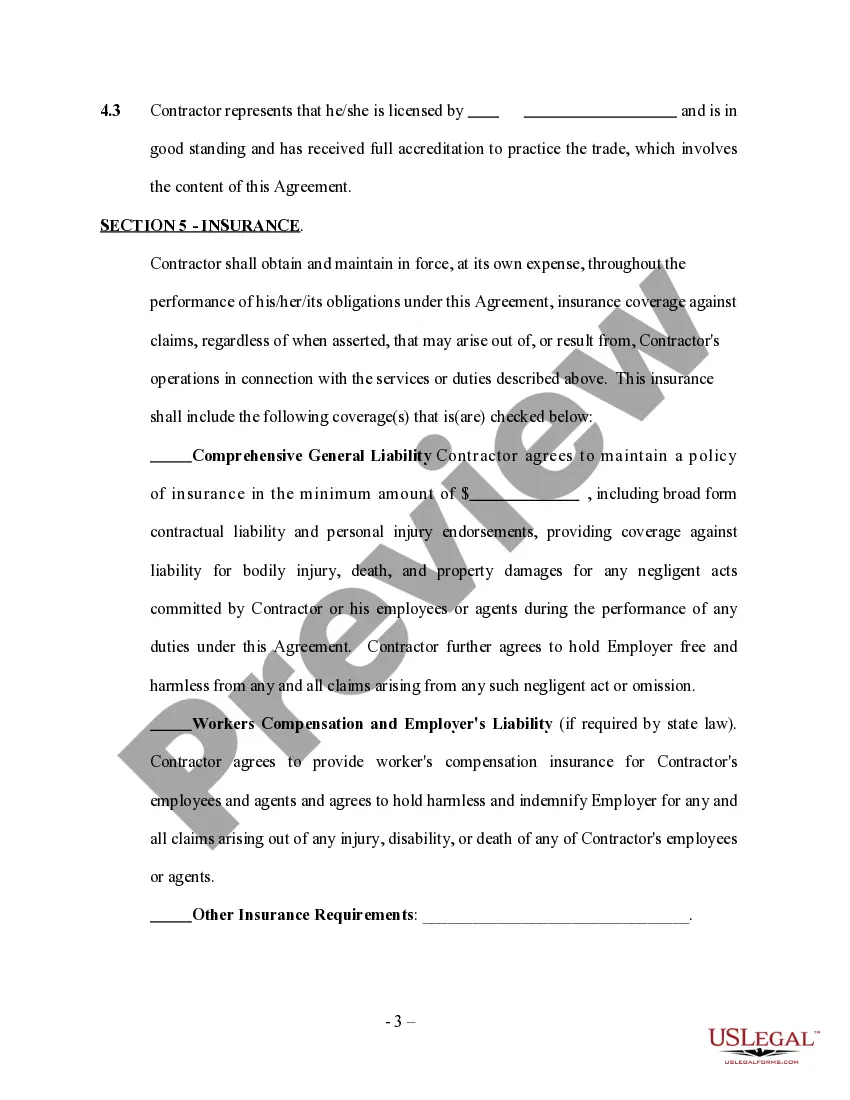
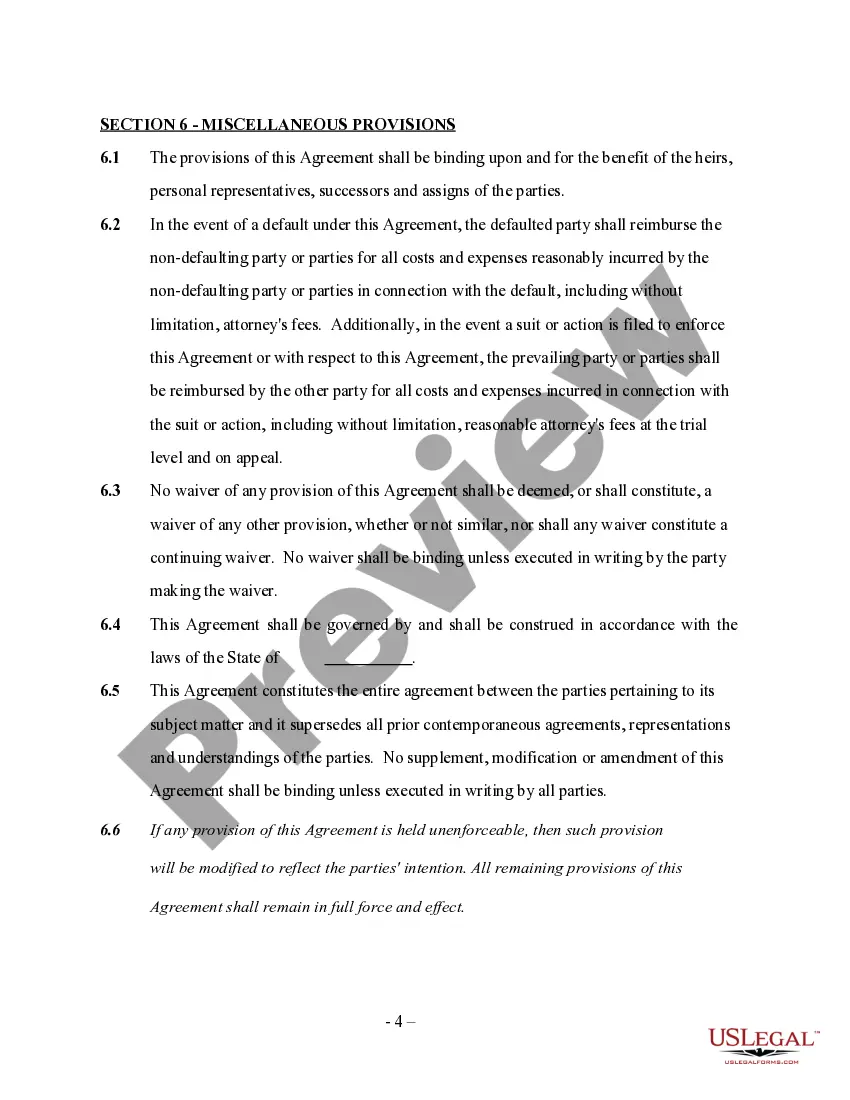
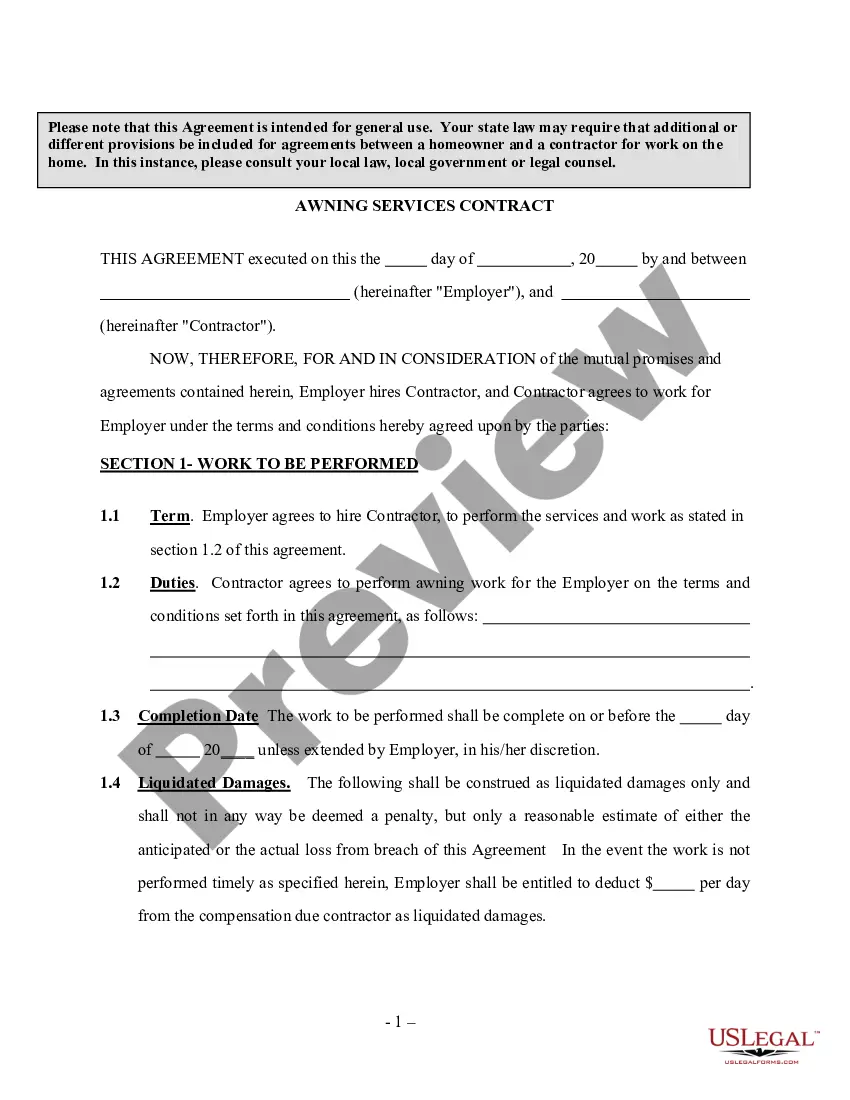
Employer contracts with an independent contractor to install or construct a ceiling as specified and agreed upon in the contract. Please note that this Agreement is intended for general use. Your state law may require that additional or different provisions be included for agreements between a homeowner and a contractor for work on the home. In this instance, please consult your local law, local government or legal counsel.
If trouble pops up, take a deep breath and don’t panic! Assess the situation and consult with someone who’s knowledgeable, whether it’s a fellow DIYer or a pro contractor.
Yes, you might need some special tools like a drywall lift or a saw. It’s best to have the right gear at hand to make the job smoother than butter.
Some rookie mistakes include not measuring properly and skipping the prep work. Take your time, double-check your measurements, and you should avoid falling into those traps.
The time it takes can vary quite a bit. A simple ceiling might take a day or two, while more complex designs might stretch out a week. Just keep in mind that good work takes time!
You’ll often find materials like drywall, plaster, and drop ceiling tiles in the mix. Each has its own perks, so pick one that fits your style and needs.
It really depends on your comfort level and skills. If you're handy and know your way around tools, you might pull it off. But if you're not an expert, hiring a contractor can save you from a world of headaches.
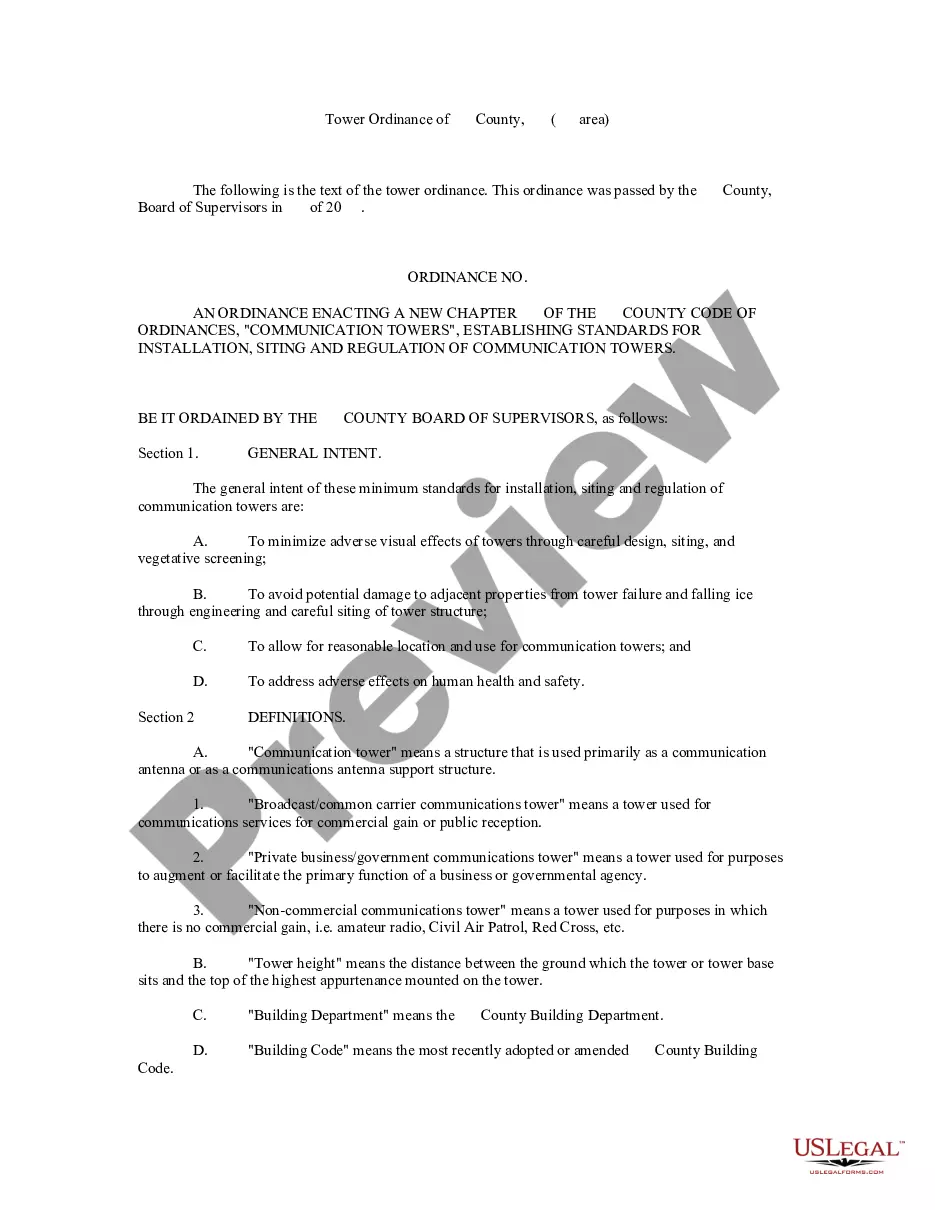
Before jumping into your ceiling installation project, make sure you check local building codes and permits. It's crucial to understand the rules, so you don’t run into any hiccups along the way.